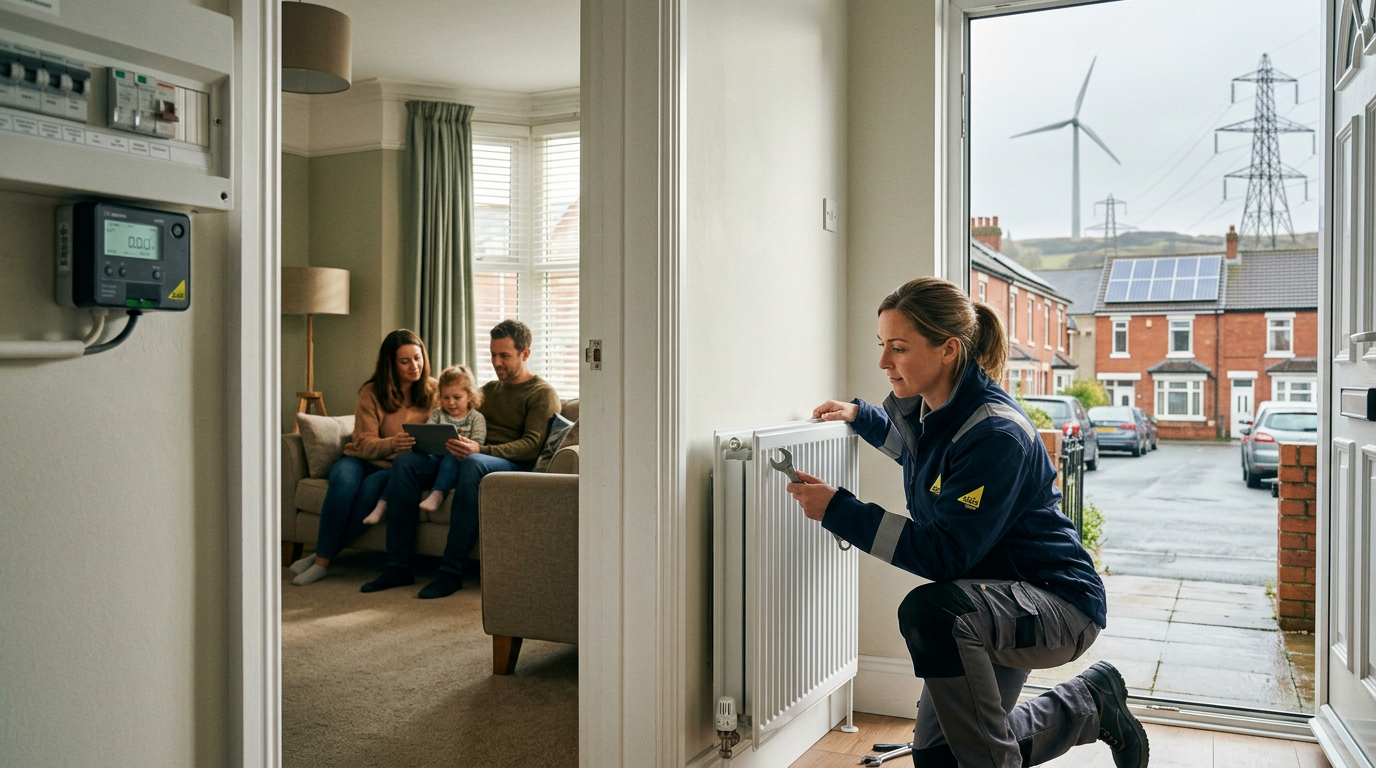
Who Qualifies for ECO4 in 2026: A Deep Dive into Eligibility
The Energy Company Obligation (ECO4) scheme, a cornerstone of the UK government's efforts to tackle fuel poverty and reduce carbon emissions, offers a vital lifeline to many households. For 2026, the core eligibility criteria largely remain consistent, focusing on those most in need. Understanding these parameters is the first crucial step towards securing significant home energy upgrades.
You will most likely qualify for ECO4 funding if either of the following conditions is met:
- You receive a means-tested benefit: This is the most straightforward pathway to eligibility. The qualifying benefits are:
- Universal Credit (UC)
- Pension Credit (Guarantee Credit or Savings Credit)
- Employment and Support Allowance (ESA) – income-related
- Jobseeker’s Allowance (JSA) – income-based
- Income Support
- Child Tax Credits (CTC)
- Working Tax Credits (WTC)
- Housing Benefit (note: prior eligibility tiers were based on specific income thresholds for tax credits, but for ECO4, receiving the benefit itself is generally sufficient).
It’s important to note that the benefit must be currently received. Minor changes in circumstances can impact eligibility, so always double-check.
- Your home has an Energy Performance Certificate (EPC) rating of D, E, F or G AND you are flagged via your council's flexible eligibility scheme (LA Flex): This route, often referred to as 'ECO4 Flex' or 'LA Flex', provides a critical safety net for households who don't receive benefits but are still considered vulnerable to fuel poverty.
- EPC Rating: Your home’s energy efficiency is graded from A (most efficient) to G (least efficient). Homes with ratings of D, E, F, or G are deemed poorly insulated and are prime candidates for improvements. You can find your property's EPC certificate online via the government’s EPC register by entering your postcode. If your home doesn't have an EPC, a qualified assessor (often provided free by the ECO4 installer) can carry out an assessment.
- LA Flex: Local Authorities (LAs) are empowered to set their own criteria for identifying households struggling with energy costs but not receiving traditional benefits. This allows for tailored support based on local needs. Common LA Flex criteria include:
- Low income: Households with a gross annual household income below a specific threshold (e.g., £31,000, though this varies by council).
- High energy bills: Households spending a disproportionate amount of their income on heating (e.g., over 10% of disposable income).
- Vulnerability to cold: This might include households with chronic health conditions exacerbated by cold, pregnant women, or young children, particularly if income is low.
- Referrals from healthcare professionals: GPs or other health workers may identify vulnerable individuals.
To explore LA Flex, you must contact your local council directly. They will explain their specific criteria and the application process, which usually involves completing a declaration form. Due to regional variations, what qualifies in Manchester might differ slightly from Cornwall.
Important Note on ECO3 vs. ECO4: ECO4 places a greater emphasis on "whole-house" retrofits and deeper energy savings. This means that homes currently heated by inefficient systems (e.g., storage heaters, electric panel heaters) or with very low EPC ratings are often prioritised for more comprehensive measures, such as heat pumps and extensive insulation, rather than just single-measure upgrades.
Current Supplier Watch
What's Covered Under ECO4: Grant-Funded Upgrades
The ECO4 scheme focuses on delivering significant, lasting improvements to a home's energy performance. The range of measures covered is designed to address fundamental issues related to heat loss and inefficient heating systems.
- Loft & Cavity Wall Insulation: These are often the cheapest and most impactful measures.
- Loft Insulation: If you currently have less than 270mm of insulation in your loft, ECO4 can fund new or top-up insulation. This is crucial as up to 25% of heat can be lost through an uninsulated roof.
- Cavity Wall Insulation: For homes built with a gap between internal and external walls (typically post-1920s to pre-1990s), injecting insulation into this cavity can prevent significant heat loss, often saving hundreds of pounds a year.
- External/Internal Wall Insulation: For homes that cannot have cavity wall insulation (e.g., solid walls, timber frame), these measures are transformative but more expensive.
- External Wall Insulation (EWI): Involves adding an insulating layer to the exterior of your home, then rendering over it. This dramatically improves thermal performance and can also refresh the look of your property.
- Internal Wall Insulation (IWI): Applied to the inside of external walls. This is often chosen when altering the exterior is not feasible (e.g., listed buildings, conservation areas), though it slightly reduces internal room space.
- First-Time Central Heating (FTCH): This is a key focus for households currently relying on inefficient heating methods.
- Gas Connection & Boiler: For properties without a mains gas connection, ECO4 can fund the installation of a new gas line and a highly efficient A-rated gas boiler and radiator system.
- Air-Source Heat Pump (ASHP): A priority for the government given its decarbonisation goals. ASHPs extract heat from the outside air, even in cold temperatures, and use it to heat your home and provide hot water. They are significantly more efficient than traditional electric heating and will be a major target for ECO4 deployments, especially in homes without access to mains gas.
- Solar PV (Photovoltaic) Panels: While not universally available, many local ECO4 schemes, especially those leveraging LA Flex, are increasingly integrating Solar PV. This helps generate free electricity, reducing reliance on grid energy and further lowering bills. Availability often depends on specific local authority priorities and the overall scope of the allocated grant funding.
- Smart Heating Controls: Upgrading to smart thermostats and heating controls allows for more precise temperature management, zone heating, and scheduling, leading to better comfort and reduced energy waste.
Practical Example of ECO4 Impact
Consider Sarah, living in Oldham, Greater Manchester. Property:* A 1930s terraced house with solid brick walls, an uninsulated loft, and electric storage heaters. Her EPC is an F. Benefits:* Sarah receives Universal Credit. Pre-ECO4 Energy Bills (2025/26 estimates based on Ofgem price cap predictions):* * Average electricity unit rate: 29p/kWh * Average standing charge: 51p/day * Annual electricity consumption (heating included): 9,000 kWh Estimated annual electricity bill: (9,000 kWh £0.29) + (365 days £0.51) = £2,610 + £186.15 = £2,796.15*
Through ECO4, Sarah could qualify for: 1. External Wall Insulation: To address heat loss through solid walls. 2. Loft Insulation Top-Up: To bring it to the recommended 270mm. 3. Air Source Heat Pump (ASHP) with new radiators: Replacing inefficient storage heaters. 4. Smart Controls: For optimised heating.
- Post-ECO4 Energy Bills:
- With EWI and loft insulation, heat demand significantly reduced.
- ASHPs are highly efficient (e.g., a Coefficient of Performance of 3.0 means for every 1 unit of electricity, 3 units of heat are produced).
- Assumed new-build equivalent consumption (with ASHP): 3,000 kWh electricity (for ASHP and general usage).
- Estimated annual electricity bill: (3,000 kWh £0.29) + (365 days £0.51) = £870 + £186.15 = £1,056.15
Sarah’s annual savings could exceed £1,700, dramatically improving her financial stability and comfort. This demonstrates the profound impact of ECO4.
How to Apply for ECO4: A Step-by-Step Guide
Navigating the ECO4 application process can seem daunting, but by following these steps, you can secure the upgrades you need.
- Initial Eligibility Check:
- Contact a TrustMark-Registered ECO4 Installer:
- Free Home Assessment:
- Confirmation of Work Scope and Grant Funding:
- Installation and Completion:
Recommended energy saving products
Independently chosen kit that helps UK households cut energy use.
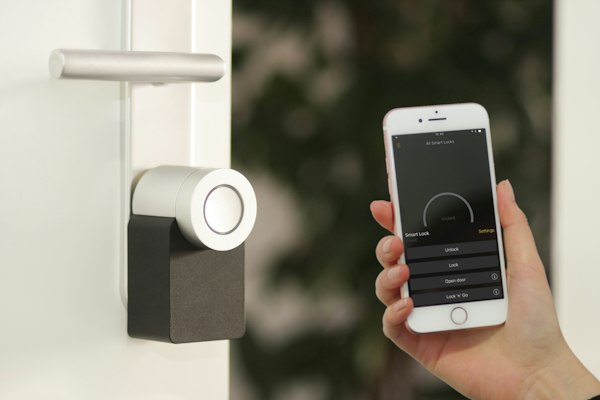
Tapo P110 Smart Plug (Energy Monitoring)
See exactly which appliances are quietly inflating your bill — track real-time watts, kWh and runtime from your phone.
- Real-time energy monitoring
- Cuts standby/vampire power
- Schedule appliances off-peak
Estimated benefit: ~£40/yr standby savings
Shop on AmazonAd – affiliate link. PowerGuardian may earn a commission from Amazon or another approved affiliate partner at no extra cost to you.

Home Energy Monitor (Whole-House)
Track your whole-home electricity use live and find where the kWh are going before the bill lands.
- Whole-house live usage
- Spot expensive habits fast
- App history & alerts
Estimated benefit: Awareness cuts ~5-10% use
Shop on AmazonAd – affiliate link. PowerGuardian may earn a commission from Amazon or another approved affiliate partner at no extra cost to you.
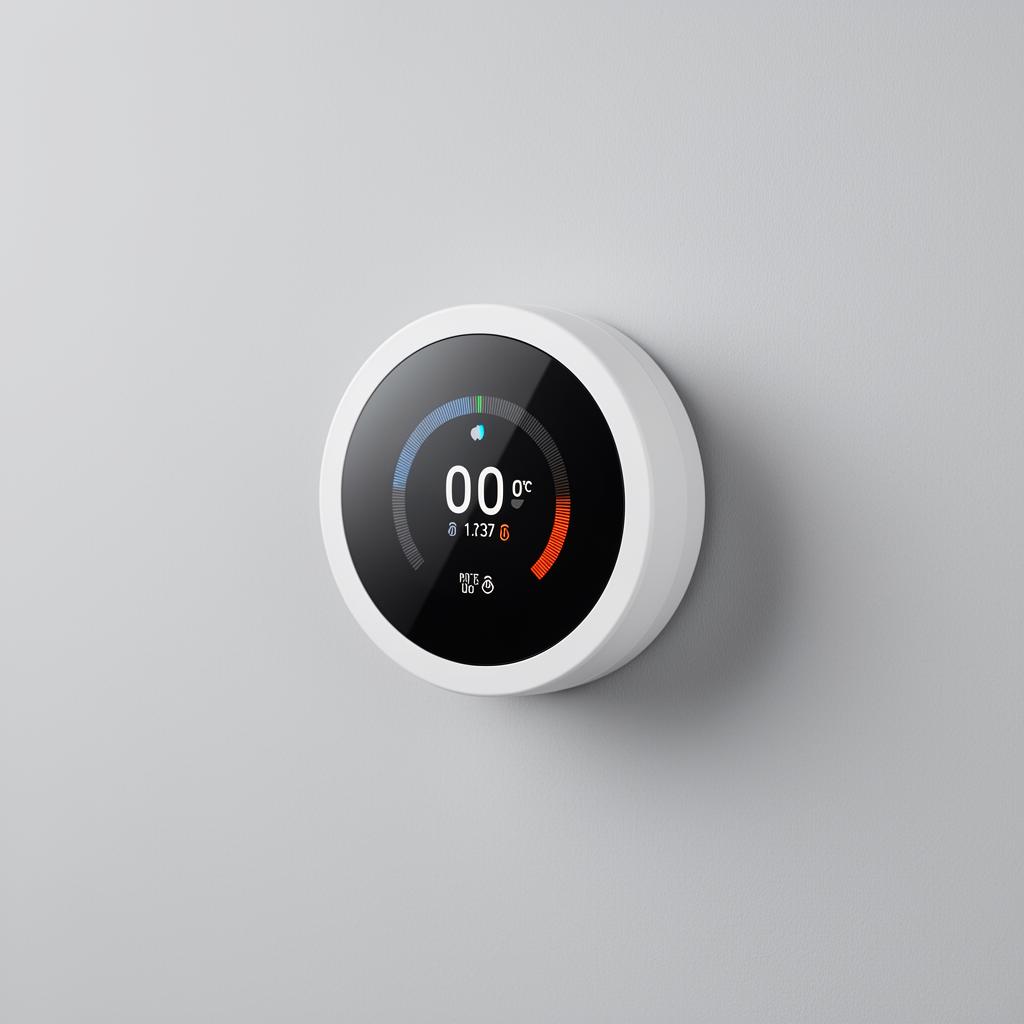
tado Smart Thermostat Starter Kit
Schedule, zone and remote-control your heating — independently shown to cut heating bills meaningfully.
- Heat only when needed
- Geofencing & schedules
- Room-by-room control
Estimated benefit: Up to ~£140/yr
Shop on AmazonAd – affiliate link. PowerGuardian may earn a commission from Amazon or another approved affiliate partner at no extra cost to you.
Affiliate links — we may earn a small commission at no extra cost to you. This keeps PowerGuardian free and independent.
Watch Out For: Key Pitfalls to Avoid
While ECO4 is a fantastic opportunity, vigilance is key to a positive experience.
- Cold Callers & Unsolicited Approaches: This is the biggest red flag. Legitimate ECO4 installers do not cold call or turn up unannounced. If someone contacts you out of the blue offering "government grants for free insulation," be extremely wary. Always initiate contact yourself using TrustMark-vetted companies.
- Mis-sold Spray Foam Insulation: This is a significant issue. While closed-cell spray foam can be effective in some contexts, it is often unsuitable for traditional UK roofs (e.g., those with breathable felt). If spray foam is applied inappropriately, it can trap moisture, lead to timber rot, and critically, make your property almost impossible to mortgage or sell, as many lenders will refuse to lend on properties with poorly installed or unsuitable spray foam. Always seek independent, expert advice if spray foam is proposed and understand the implications fully.
- Pressure Sales Tactics: A reputable installer will provide clear information and ample time for you to make a decision. They should never rush you or demand immediate commitment.
- Lack of Certification or Paperwork: Ensure you receive all guarantees, warranties, and updated EPC certificates upon completion of the work. These are crucial for accountability and future property transactions.
- Claims of "100% Free" for All Households: While often true for qualifying households, be wary of sweeping statements. As mentioned, very occasionally a small contribution may be requested if the cost vastly exceeds the grant for specific complex measures. Unscrupulous companies might promise "100% free" to everyone, regardless of eligibility, then spring hidden costs or deliver substandard work.
Understanding Potential Savings: Illustrative Unit Rates (2025/26)
The benefits of ECO4 extend beyond the immediate financial savings, contributing to a warmer home, better health outcomes, and a reduced carbon footprint.
| Measure | UK Average Annual Energy Saving (approx.) | Typical Payback Period (without grant) | UK Typical Unit Rate (Electricity) 2025/26\* | UK Typical Unit Rate (Gas) 2025/26\* |
|---|---|---|---|---|
| Loft Insulation (0-270mm) | £250 - £350 | 1-2 years | 29p/kWh | N/A |
| Cavity Wall Insulation | £200 - £300 | 1-3 years | N/A | 7p/kWh |
| Solid Wall Insulation (EWI) | £400 - £700 | 8-15 years | N/A | N/A |
| Air Source Heat Pump | £500 - £1,500 (vs. old electric heating) | 7-15 years | 29p/kWh | N/A |
| New Gas Boiler (vs. old) | £100 - £250 | 3-5 years | N/A | 7p/kWh |
← Swipe to see more →
\*Based on expected Ofgem price cap levels for Winter 2025/26 (subject to change). Actual rates vary by region and supplier. Standing charges (typically 50-60p/day for electricity, 30-40p/day for gas) also apply.
FAQ: ECO4 Grants in 2026
Q1: Do I have to pay anything for ECO4 upgrades?
For eligible households, the vast majority of ECO4 upgrades are provided completely free of charge, with no upfront cost. The grant covers the full expense of assessment, installation, and materials. In rare, complex cases where costs exceed the maximum grant value for your property, a very modest contribution might be requested, but this should be clearly communicated upfront and is not common.
Q2: How long does the ECO4 application process take?
The initial eligibility check and home assessment can usually be completed within a few weeks of contacting an approved installer. The actual installation time varies significantly depending on the measures. Simple insulation might take a day or two, while external wall insulation or a full heat pump installation could take 1-2 weeks. The entire process from initial contact to completion could range from 1 to 4 months.
Q3: Can I choose which upgrades I get?
While you can express preferences, the specific upgrades recommended will be determined by the professional home assessment. The focus of ECO4 is on a "whole-house" approach, prioritising measures that deliver the most significant, long-term energy savings and carbon reduction for your property. The installer works with you to ensure the most effective improvements are made within the grant framework.
Q4: My home is a rented property; can I still apply?
Yes, if you are a tenant in a rented property and meet the eligibility criteria (e.g., receive qualifying benefits), you can apply. However, you will need to obtain permission from your landlord as their property will be undergoing significant modifications. Landlords often welcome this as it improves their property's EPC rating at no cost to them. The tenant is the principal applicant.
Q5: What happens if my EPC rating is A, B, or C?
Homes with EPC ratings of A, B, or C are generally considered energy efficient and therefore do not qualify for ECO4 funding. The scheme is specifically targeted at properties with poorer energy performance (D, E, F, G) that have the greatest potential for improvement and impact on fuel poverty.
Q6: What if I don't qualify for ECO4? Are there other grants available?
Yes, there are other government initiatives. The Boiler Upgrade Scheme (BUS) offers grants of £7,500 towards air source and ground source heat pumps (for homeowners and self-builders, not means-tested). Local authorities sometimes run smaller schemes, and Welsh and Scottish governments have their own energy efficiency programs (Nest in Wales, Warmer Homes Scotland). Keep an eye on the official Gov.uk website for updates on broader schemes.
Conclusion: A Warmer, Cheaper Future with ECO4
The ECO4 scheme for 2026 represents a critical opportunity for thousands of UK households to escape fuel poverty, improve their living conditions, and contribute to national carbon reduction targets. By targeting those on means-tested benefits and vulnerable households identified via LA Flex, ECO4 ensures that energy efficiency upgrades are delivered to where they are most desperately needed.
From comprehensive insulation to modern, efficient heating systems like air source heat pumps, the covered measures are designed to provide profound, long-term savings on energy bills – potentially hundreds or even thousands of pounds annually, as demonstrated by our example in Oldham. These aren't just cosmetic changes; they are fundamental improvements that transform a cold, damp, and expensive house into a warm, comfortable, and affordable home.
However, the key to unlocking these benefits lies in diligence. Understanding the eligibility criteria, carefully following the application steps, and crucially, engaging only with TrustMark-registered installers, are paramount. By doing so, you can ensure that you receive high-quality, fully funded upgrades that will stand the test of time, without falling prey to the pitfalls of unqualified or unscrupulous providers.
Power Guardian UK urges all potentially eligible readers to explore ECO4 today. A warmer, cheaper, and more sustainable future for your home could be just a few steps away.
What are the main ways to qualify for an ECO4 grant in 2026?
You can qualify if you receive a means-tested benefit, such as Universal Credit or Pension Credit. Alternatively, if your home has an EPC rating of D, E, F or G, and you are flagged through your local council's LA Flex scheme, you may also be eligible.
How does 'LA Flex' work for ECO4 eligibility?
LA Flex allows local councils to set their own criteria for identifying households struggling with energy costs who don't receive traditional benefits. This can include low income, high energy bills, or vulnerability to cold. You must contact your local council directly to check their specific criteria.
What kind of insulation can I get through ECO4?
ECO4 covers major insulation upgrades, including loft insulation if you have less than 270mm currently. It also funds cavity wall insulation for suitable homes, and external or internal wall insulation for properties that cannot benefit from cavity wall insulation.
Can ECO4 help if I don't have central heating?
Yes, a key focus of ECO4 is to install First-Time Central Heating (FTCH) for households relying on inefficient methods. This can include a new gas connection and A-rated boiler, or an Air-Source Heat Pump, especially for homes without mains gas.
Are Solar PV panels available through ECO4?
Yes, Solar PV (Photovoltaic) panels are also covered under the ECO4 scheme. While not universally available, they are offered in many local ECO programmes.
Recommended kit
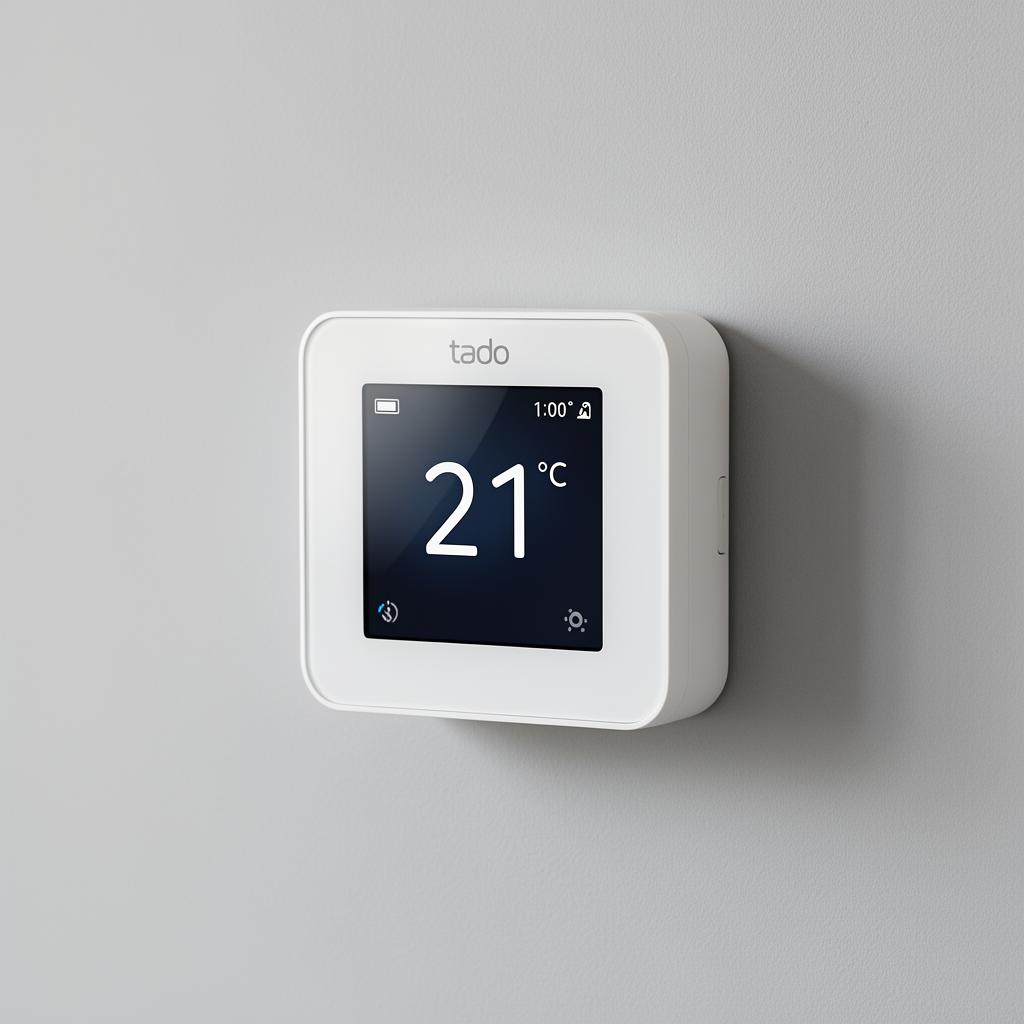
tado Smart Thermostat X
Schedule, zone and remote-control your heating — independently shown to cut heating bills by up to 28%.
Shop on Amazon