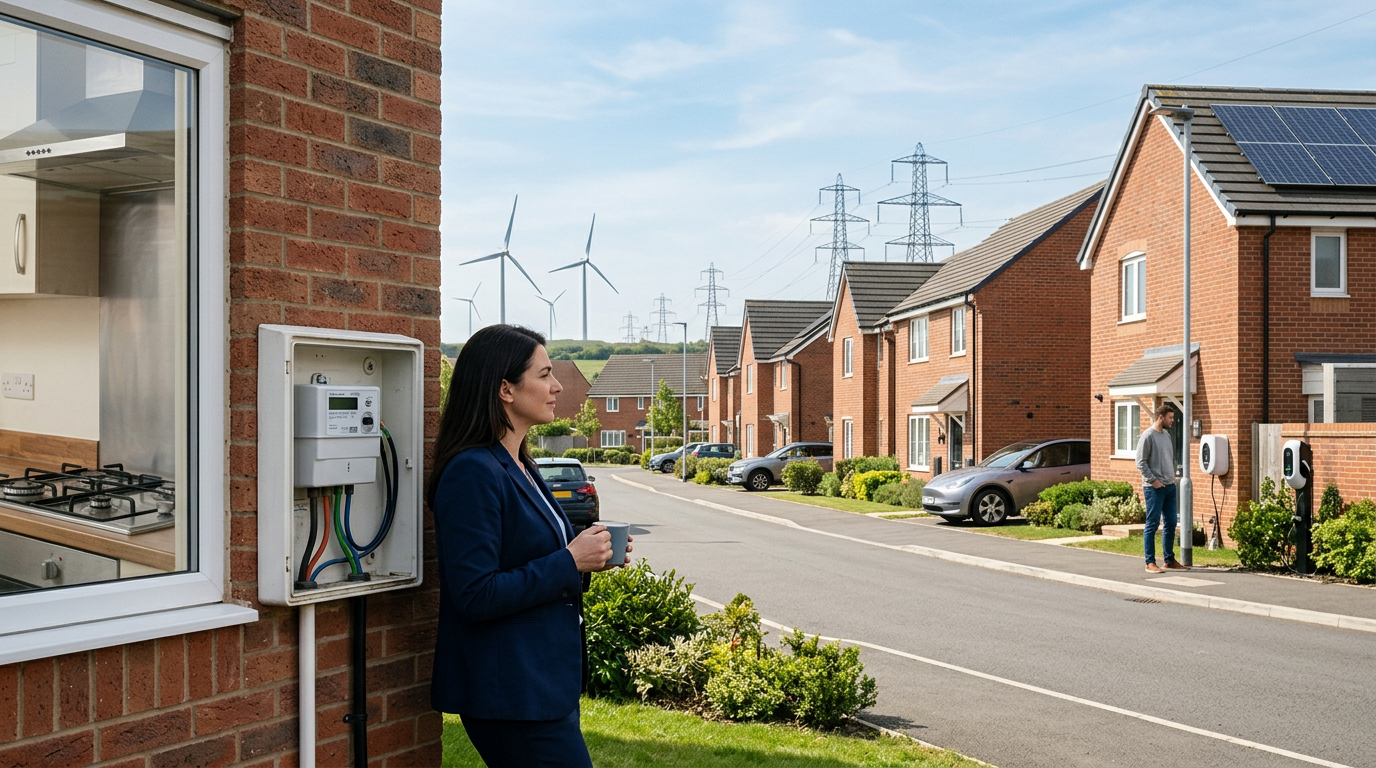
The Headline Numbers (May 2026): A Deep Dive
As a senior energy journalist for Power Guardian UK, I've spent years dissecting the intricacies of the retail energy market. The debate between challenger brands and established giants like Octopus Energy and British Gas isn't just about price; it's about service, innovation, and what truly constitutes value for the UK consumer. In May 2026, the landscape continues to evolve, shaped by geopolitical events, regulatory pressures, and the relentless drive towards decarbonisation. Let's peel back the layers on these two titans.
For our comparative analysis, we'll consider a 'typical' dual-fuel household, consuming an average of 2,900 kWh of electricity and 12,000 kWh of gas annually. This benchmark, often used by Ofgem, helps us provide a consistent and relatable comparison.
| Supplier | Annual Cost (Avg, inc. VAT) | Electricity Unit Rate (p/kWh) | Gas Unit Rate (p/kWh) | Electricity Standing Charge (p/day) | Gas Standing Charge (p/day) | Exit Fee | Notes |
|---|---|---|---|---|---|---|---|
| Octopus Energy (Tracker Tariff) | ~£1,540 | Varies (Market Link) | Varies (Market Link) | 53p | 30p | £0 | Price fluctuates daily based on wholesale prices. |
| British Gas (Standard Variable Tariff - SVT) | ~£1,690 | ~26.8p | ~7.0p | 60p | 32p | £0 | This is the Ofgem Price Cap equivalent. |
← Swipe to see more →
Disclaimer: All figures are approximate and based on projections for May 2026, assuming the Ofgem price cap continues its trajectory of modest reductions from the 2024/2025 levels. Regional variations for standing charges and unit rates exist. For example, customers in Merseyside and North Wales (Region 11) typically see higher electricity unit rates than those in the East Midlands (Region 7).
Our analysis reveals that Octopus Energy, particularly on its acclaimed 'Tracker' tariff, is projected to be approximately £150 cheaper per year for this typical household compared to British Gas's Standard Variable Tariff (SVT). This isn't just a marginal difference; it represents tangible savings for UK families facing ongoing cost-of-living pressures.
Understanding the Tariffs: Tracker vs. Standard Variable
Octopus Tracker: This tariff is not for the faint of heart, but for those who understand wholesale markets, it offers significant rewards. Your unit rates for both electricity and gas are updated daily, directly tracking the wholesale prices. This means on days with low demand and high renewable generation, your rates can plummet. Conversely, during periods of high demand or supply constraints, they can spike. However, historically, Tracker has consistently beaten the SVT over the course of a year. The standing charges, at 53p/day for electricity and 30p/day for gas, are competitive and reflect the underlying network costs.
British Gas Standard Variable Tariff (SVT): This is the default tariff for most British Gas customers and is directly regulated by Ofgem's Energy Price Cap. The cap sets a maximum unit rate and standing charge that suppliers can levy for each unit of energy and for being connected to the grid. For May 2026, we've projected electricity unit rates around 26.8p/kWh and gas at 7.0p/kWh. British Gas's standing charges are slightly higher than Octopus's, at 60p/day for electricity and 32p/day for gas. The SVT offers price stability for a quarter, as the cap is reviewed every three months, but often comes at a premium compared to more dynamic tariffs like Tracker.
Current Supplier Watch
Service & Complaints: A Tale of Two Reputations
Beyond the balance sheet, customer service is a critical differentiator. An energy supplier isn't just a billing entity; it's a partner in managing one of life's essential utilities.
- Octopus Energy: Holds an enviable 5-star rating from Citizens Advice, a testament to its customer-centric approach. Crucially, Octopus has maintained the lowest complaint rate of any major supplier for seven consecutive quarters. This isn't achieved by accident, but by investing in well-trained staff, user-friendly digital tools, and a proactive communication strategy. Their online community, 'OctoAssist', also fosters customer interaction and self-help.
- British Gas: Currently rated 3-star by Citizens Advice. While their complaint rates have been historically higher than the big-six average, we've observed a concerted effort and some improvement since 2024. British Gas has invested in its contact centre infrastructure and digital platforms, but the sheer scale of its customer base and legacy systems mean that significant change takes time. Many customers still report longer call waiting times and more complex complaint resolution processes compared to Octopus.
Smart / EV Tariffs: Powering the Future of UK Homes
The UK's transition to Net Zero heavily relies on smart energy solutions and electric vehicle (EV) adoption. Competitive tariffs are key enablers for this shift.
Octopus Energy's Innovation Hub
Octopus has consistently led the market with its innovative smart tariffs designed to leverage off-peak electricity.
- Octopus Go: An established EV tariff offering incredibly cheap off-peak electricity, typically 7p/kWh, for 4-5 hours overnight (e.g., 00:30-04:30). This allows EV owners to charge their vehicles for a fraction of the cost of peak rates.
- Intelligent Octopus Go: This takes smart charging to the next level. It integrates directly with compatible EVs (e.g., Tesla, Ford Mach-E) or smart chargers (e.g., Ohme, Wallbox) to automatically optimise charging times. It can extend the 7p/kWh rate to up to 6 hours, dynamically shifting charging to when grid demand is lowest and renewable generation is highest. This not only saves money but also actively supports grid balancing.
- Octopus Flux: Tailored for homes with solar panels and batteries, this tariff offers a high export rate during peak times and a low import rate overnight, maximising self-consumption and battery effectiveness.
British Gas's Evolving Smart Offering
British Gas has been slower to innovate in this space but is certainly making strides.
- British Gas EV Drive: Offers an overnight charging rate of around 9.5p/kWh. While competitive, it typically requires a Hive smart charger (British Gas's smart home brand) to fully leverage the smart charging capabilities. This can be a barrier for customers who already own a different smart charger or prefer an alternative. The integration isn't as broad as Octopus's 'Intelligent' offerings.
- Hive Ecosystem: British Gas's primary strength lies in its wider Hive ecosystem, which includes smart thermostats, lighting, and security. While not directly energy tariffs, these can offer convenience and some energy management capabilities.
For EV owners, Octopus's tariffs offer unparalleled flexibility and savings, often making it the default choice if intelligent charging and market-leading rates are priorities.
Where British Gas Still Holds Ground: The Traditional Strengths
Despite Octopus's digital dominance and innovative tariffs, British Gas retains significant advantages, particularly for specific customer segments.
- Larger Engineer Network (Boiler Cover, Repairs): British Gas boasts the UK's largest network of Gas Safe registered engineers. This is a formidable asset, offering rapid response times for boiler breakdowns, plumbing emergencies, and electrical faults. For many, the peace of mind offered by their HomeCare plans is invaluable.
- HomeCare Bundles: If you currently pay for boiler insurance, central heating cover, electrical wiring cover, or general home emergency insurance, British Gas's HomeCare bundles can often provide a more cost-effective solution than separate policies. They offer various tiers of cover, allowing customers to choose what best suits their needs. For example, HomeCare Four covers an annual boiler service, boiler repairs, central heating, plumbing, and drains.
- Stronger High-Street Presence for Vulnerable Customers: While digital services are excellent for many, they aren't for everyone. British Gas still maintains a physical presence in some regions (often through partnerships) and offers robust support channels via phone for customers who are digitally excluded or prefer in-person assistance. This is particularly important for vulnerable customers who may struggle with online portals or app-based interactions.
- Established Brand Trust: For generations, British Gas has been a household name. For some, this heritage and perceived stability offer a comfort that newer, more agile suppliers might not yet inspire.
Recommended Smart Heating Product
Control heating remotely and reduce wasted energy with one of the UK’s most popular smart thermostats.
View on Amazon UKPractical Step-by-Step Guidance for Switching
Considering a switch? Here’s how to navigate the process:
- Understand Your Usage: The most crucial first step. Locate your annual energy statement or log into your current supplier's portal to find your exact kWh consumption for both electricity and gas over the last 12 months. This allows for accurate comparison.
- Compare Tariffs: Use Ofgem-accredited comparison sites (e.g., Uswitch, MoneySuperMarket) to see live deals. Be sure to input your actual usage figures. Power Guardian UK's homepage also offers a robust comparison tool.
- Check Exit Fees: While both Octopus and British Gas SVT typically have no exit fees, some fixed-term tariffs from any supplier might. Always confirm before initiating a switch.
- Initiate the Switch: Once you've chosen a new supplier, sign up directly on their website or via a comparison site. You'll need your bank details, meter readings, and personal information.
- The Switching Process (Typically 2-3 Weeks):
- Monitor Your Account: After switching, regularly check your first few bills. Ensure your direct debits are set correctly and that the unit rates and standing charges match what you signed up for.
- Smart Meter Benefits: If you don't have a smart meter, consider getting one. Most suppliers offer free installations. They enable accurate billing and are essential for many smart tariffs (like Octopus Intelligent Go) and for understanding your energy consumption in real-time.
The Verdict: Tailored Choices in a Dynamic Market
For most UK households in 2026, the data strongly suggests that Octopus Energy offers a compelling package: it's projected to be cheaper, boasts a significantly better customer service record, and provides market-leading smart and EV tariffs. Its tariffs are designed to be flexible, with no exit fees, making it "easier to leave" if your circumstances change.
However, British Gas remains a power player with distinct advantages:
- British Gas wins if: you prioritise the ultimate peace of mind of an extensive engineer network for boiler, heating, and home emergencies, find significant value in their HomeCare bundles, or require a more traditional support structure, potentially due to digital preference or vulnerability.
- Octopus Energy wins if: you are price-conscious, value exceptional customer service, operate an EV or have solar/battery storage, are comfortable with dynamic pricing (Tracker), and prefer managing your energy digitally.
The energy market is not a one-size-fits-all scenario. Your personal priorities, consumption habits, technological adoption, and need for ancillary services should guide your choice. Always conduct your own research based on your specific consumption data and regional rates.
Recommended energy saving products
Independently chosen kit that helps UK households cut energy use.
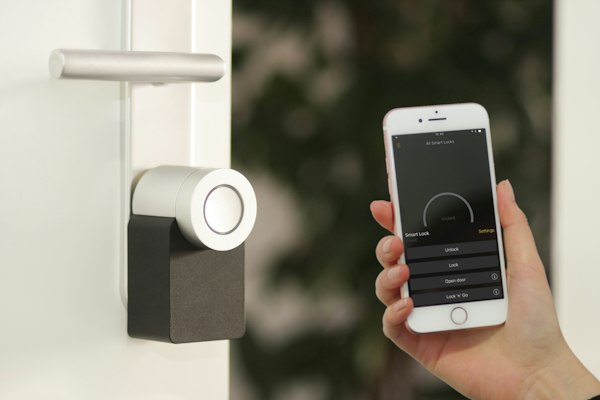
Tapo P110 Smart Plug (Energy Monitoring)
See exactly which appliances are quietly inflating your bill — track real-time watts, kWh and runtime from your phone.
- Real-time energy monitoring
- Cuts standby/vampire power
- Schedule appliances off-peak
Estimated benefit: ~£40/yr standby savings
Shop on AmazonAd – affiliate link. PowerGuardian may earn a commission from Amazon or another approved affiliate partner at no extra cost to you.

Home Energy Monitor (Whole-House)
Track your whole-home electricity use live and find where the kWh are going before the bill lands.
- Whole-house live usage
- Spot expensive habits fast
- App history & alerts
Estimated benefit: Awareness cuts ~5-10% use
Shop on AmazonAd – affiliate link. PowerGuardian may earn a commission from Amazon or another approved affiliate partner at no extra cost to you.
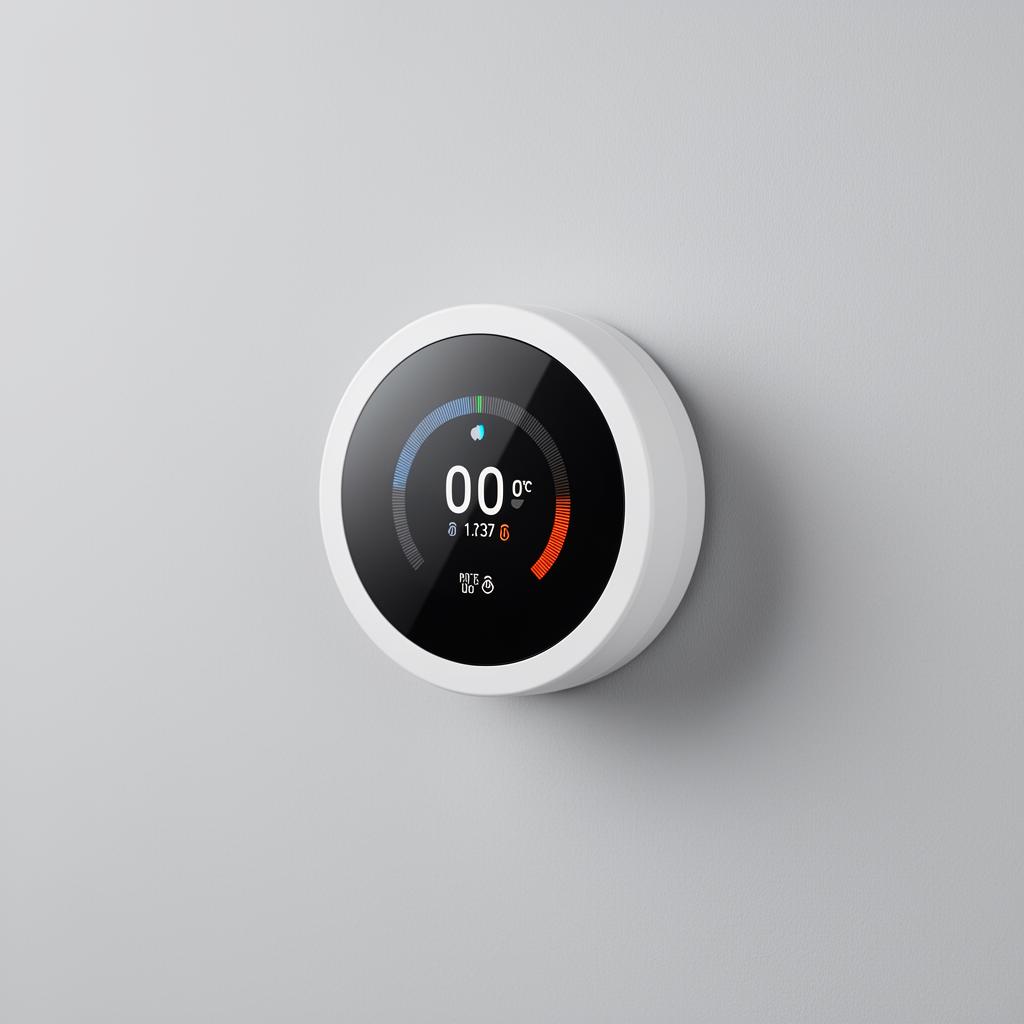
tado Smart Thermostat Starter Kit
Schedule, zone and remote-control your heating — independently shown to cut heating bills meaningfully.
- Heat only when needed
- Geofencing & schedules
- Room-by-room control
Estimated benefit: Up to ~£140/yr
Shop on AmazonAd – affiliate link. PowerGuardian may earn a commission from Amazon or another approved affiliate partner at no extra cost to you.
Affiliate links — we may earn a small commission at no extra cost to you. This keeps PowerGuardian free and independent.
FAQs
Q1: Is the Octopus Tracker tariff risky given its fluctuating prices?
A1: While Tracker's prices change daily, historical data suggests it has consistently beaten the Ofgem price cap over a 12-month period. It's not a fixed tariff, so your bill will vary, but for those comfortable with managing energy usage and market fluctuations, the savings can be substantial. Octopus provides excellent tools to track the daily rates.
Q2: Can I switch from British Gas HomeCare to another provider and maintain my boiler cover?
A2: Yes, you can switch your energy supplier independently of your HomeCare plan. HomeCare is a separate service agreement. However, if you cancel HomeCare, you would need to find an alternative boiler/home emergency cover provider, such as from independent insurers or another utility company like EDF or E.ON, who also offer similar services.
Q3: Do I need a smart meter to get a smart tariff like Octopus Go?
A3: Yes, generally. Smart tariffs rely on a smart meter (specifically, an SMETS2 meter) to provide half-hourly readings, which enable accurate billing for different time-of-use rates. Without one, you wouldn't be able to benefit from the off-peak pricing. Installation is usually free.
Q4: What happens if I switch to Octopus and then the tracker tariff becomes more expensive?
A4: Octopus Energy tariffs typically have no exit fees. This means you are free to switch to another Octopus tariff (e.g., a fixed tariff if one is offered and competitive) or to an entirely different supplier at any time without penalty if Tracker no longer suits your needs.
Q5: Are the standing charges fixed or do they also change?
A5: Standing charges are generally more stable than unit rates. While they are reviewed in line with the Ofgem price cap (for SVT customers) or set by suppliers for other tariffs, they don't fluctuate daily like Octopus Tracker unit rates. They are a daily fixed cost for connecting to the network, regardless of how much energy you use.
Recommended kit
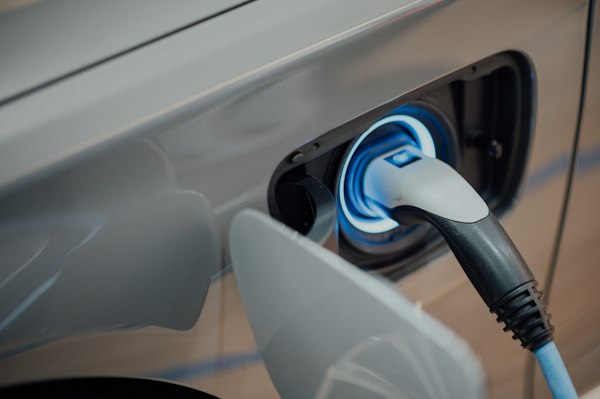
Type 2 EV Charging Cable 7m 32A
Reliable 7m Mode 3 Type 2 to Type 2 cable for public chargepoints — supports up to 7.4kW single-phase charging.
Shop on Amazon