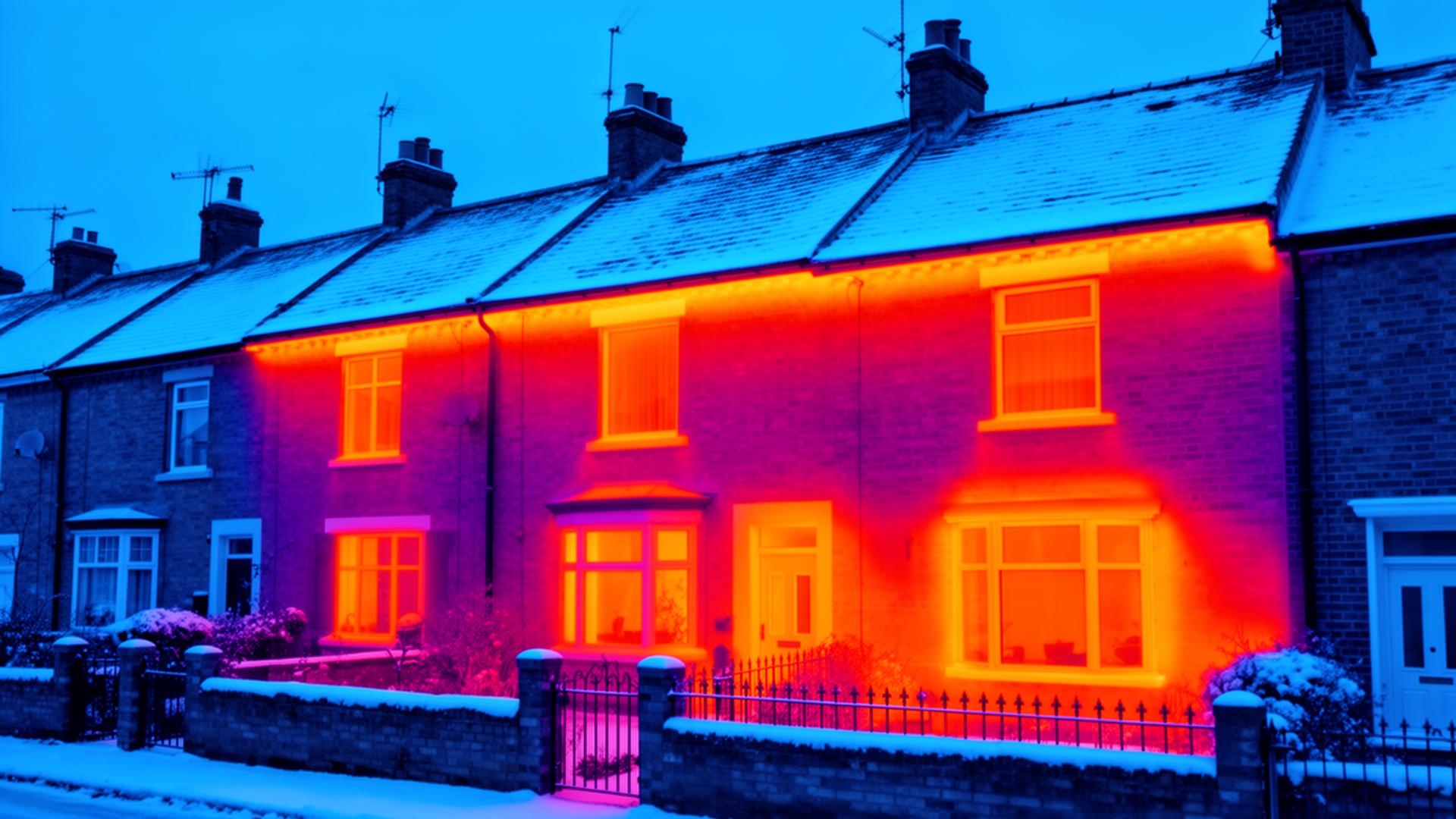
The uncomfortable truth is that UK homes waste a huge amount of gas every year. Not because people are deliberately reckless, but because many homes are old, poorly insulated, badly controlled and heated inefficiently.
Britain has some of the oldest housing stock in Europe. A large percentage of homes leak heat constantly through:
- Poor insulation
- Draughts
- Inefficient boilers
- Overheated rooms
- Heat escaping through roofs and walls
- Heating empty spaces unnecessarily
During the UK energy crisis, this waste became painfully obvious because households suddenly started seeing the actual cost of all that lost heat on monthly bills instead of quietly ignoring it while wearing T-shirts indoors in February.
According to the UK government and energy efficiency studies, a significant portion of household heating energy is lost through walls, roofs, windows and floors.
Where UK Homes Waste the Most Gas
Heating accounts for the majority of gas use in most UK households.
The biggest waste areas are:
- Poor loft insulation
- Uninsulated walls
- Old boilers
- Constant heating schedules
- High thermostat settings
- Heat escaping through windows and doors
Many homes are effectively trying to heat the outdoors.
Older UK properties are particularly inefficient because they were built long before modern insulation standards existed.
Victorian and Edwardian homes may look charming, but thermally they often behave like decorative sieves.
Heat loss thermal image of a typical UK house
How Much Heat Escapes Through Different Parts of a House
Approximate heat loss in an uninsulated UK home:
- Walls: up to 35%
- Roof: around 25%
- Windows and doors: around 15-20%
- Floors: around 10%
- Draughts and ventilation gaps: significant additional losses
This means a large amount of gas purchased by UK households never actually contributes to long-term comfort.
Instead:
- Boilers work harder
- Heating runs longer
- Rooms cool rapidly
- Bills increase
UK government guidance and Energy Saving Trust estimates regularly highlight insulation as one of the biggest opportunities for reducing heating waste.
Many Boilers Run Far Too Hot
One of the most common forms of hidden gas waste is incorrect boiler settings.
A large number of UK combi boilers are still set around:
- 75°C to 80°C
Yet modern condensing boilers operate most efficiently at lower flow temperatures.
Reducing flow temperatures to around:
- 55°C to 60°C
can improve efficiency considerably while still keeping homes comfortable.
Many households never adjust these settings because:
- They do not know the settings exist
- Boiler controls look like abandoned spacecraft interfaces
Recommended energy saving products
Independently chosen kit that helps UK households cut energy use.
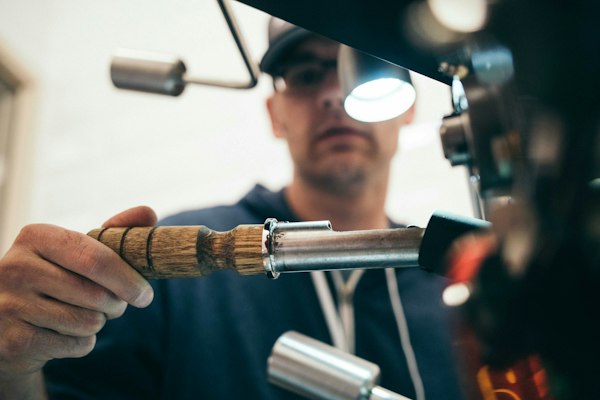
Door Bottom Draught Excluder
Block cold draughts under exterior doors — one of the cheapest wins for cutting winter heat loss.
- Stops cold draughts
- Cheap, fast fit
- Keeps rooms warmer for longer
Estimated benefit: Fewer cold draughts at low cost
Shop on AmazonAd – affiliate link. PowerGuardian may earn a commission from Amazon or another approved affiliate partner at no extra cost to you.
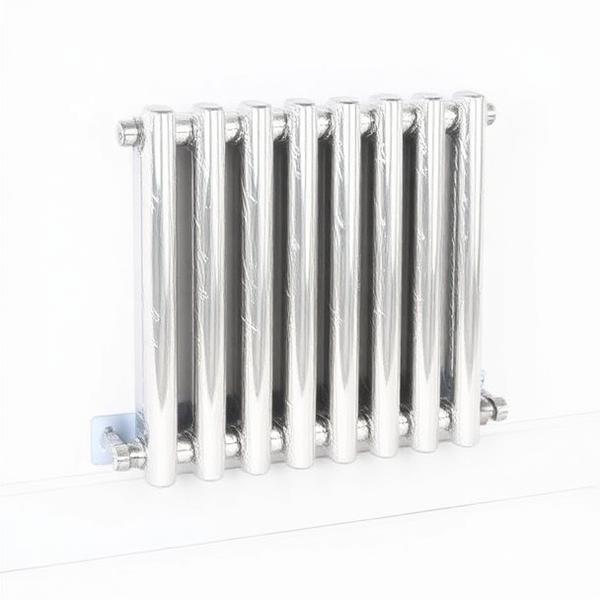
Radiator Reflector Foil Panels
Reflective foil panels fit behind radiators to bounce heat back into the room instead of losing it through external walls.
- Reflects heat back indoors
- Cuts wall heat loss
- Quick peel-and-stick fit
Estimated benefit: Small gain on uninsulated external walls
Shop on AmazonAd – affiliate link. PowerGuardian may earn a commission from Amazon or another approved affiliate partner at no extra cost to you.
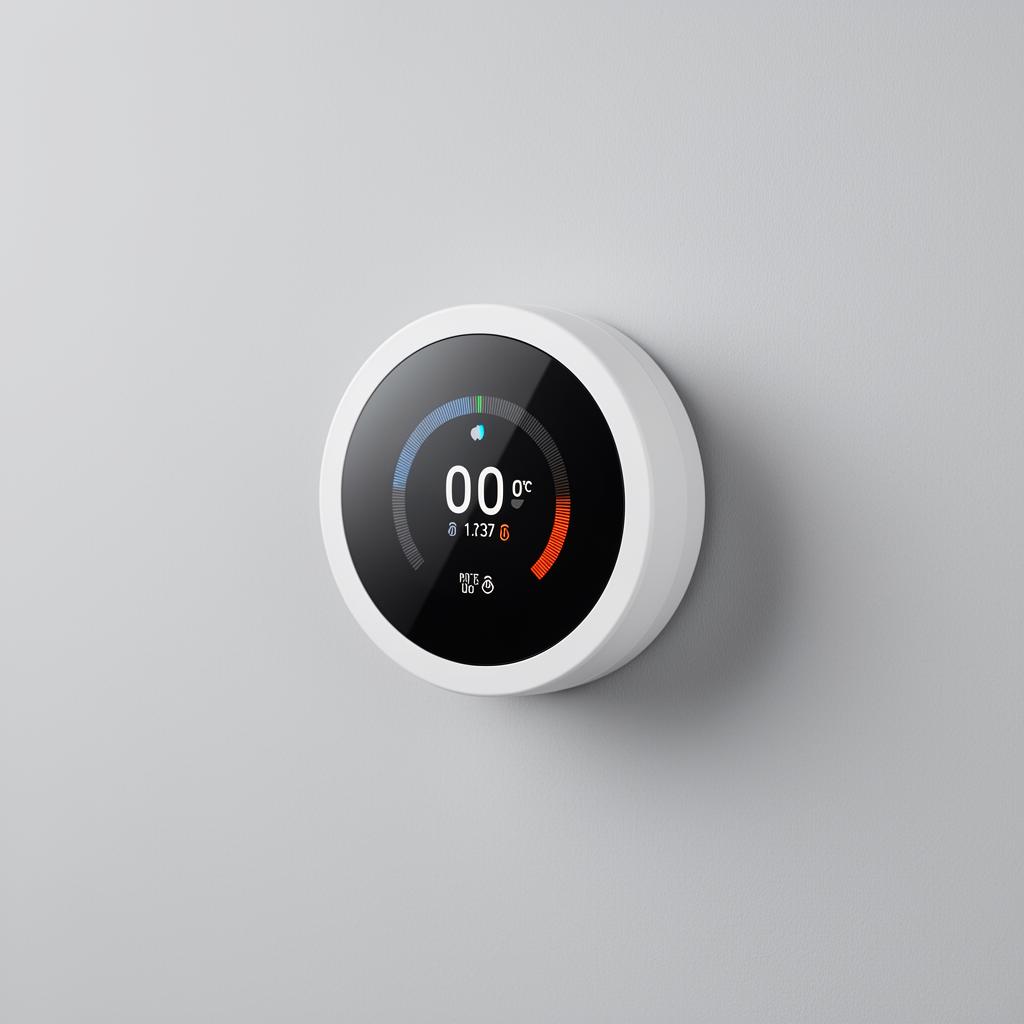
tado Smart Thermostat Starter Kit
Schedule, zone and remote-control your heating so it runs only when and where you need it.
- Heat only when needed
- Geofencing & schedules
- Room-by-room control
Estimated benefit: Less heating of empty rooms
Shop on AmazonAd – affiliate link. PowerGuardian may earn a commission from Amazon or another approved affiliate partner at no extra cost to you.
Affiliate links — we may earn a small commission at no extra cost to you. This keeps PowerGuardian free and independent.
Heating Empty Rooms Wastes Huge Amounts of Gas
One of the largest sources of waste is heating unused space.
Examples include:
- Spare bedrooms
- Empty dining rooms
- Unused home offices
- Entire upstairs floors during the day
Traditional UK heating systems often warm the entire house equally regardless of occupancy.
This is why:
- Smart TRVs
- Zoned heating
- Smart thermostats
have become increasingly popular during the energy crisis.
Heating only occupied rooms can reduce wasted gas significantly.
Thermostat Temperatures Are Often Too High
Many UK homes run heating systems at:
- 21°C to 23°C
Reducing thermostat temperatures by even 1°C can noticeably reduce heating costs over winter.
The difference between:
- 22°C and 19°C
may not sound dramatic, but over months of continuous heating it becomes substantial.
The UK government and Energy Saving Trust have repeatedly advised moderate thermostat reductions to improve efficiency.
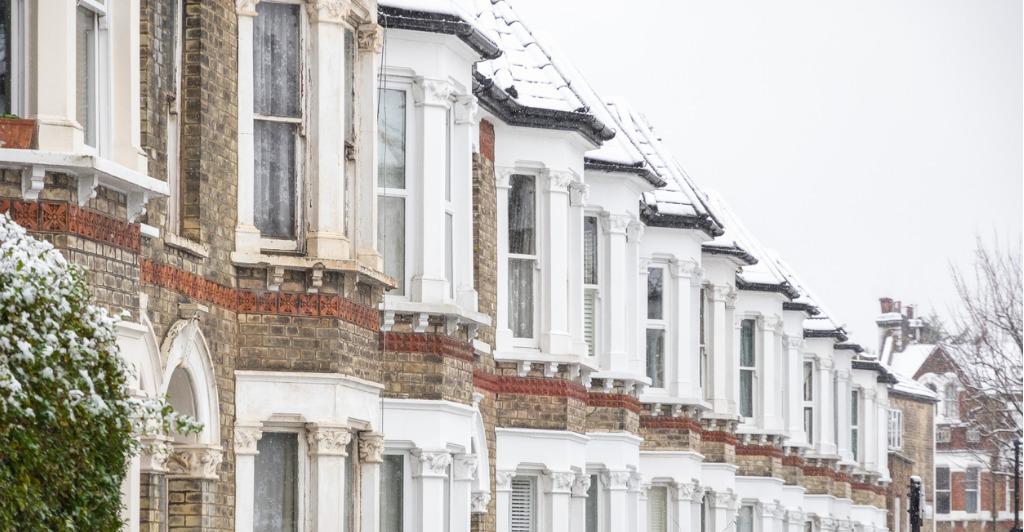
Older UK Homes Are the Biggest Problem
Britain's housing stock creates major efficiency challenges.
Common issues include:
- Solid brick walls
- Poor cavity insulation
- Single glazing
- Draughty floorboards
- Poor roof insulation
Many homes built before the 1980s are significantly less energy efficient than modern standards.
This means:
- Boilers run longer
- Rooms cool faster
- More gas is consumed
The UK has millions of homes with EPC ratings below ideal modern efficiency levels.
Gas Waste Costs Real Money
Wasted gas is not just an environmental issue.
It directly affects:
- Household budgets
- Energy security
- Winter affordability
A poorly insulated or badly controlled home can waste hundreds or even thousands of pounds worth of energy over time.
Common examples:
- Heating left running while out all day
- Poorly insulated lofts
- Constant overheating
- Old inefficient boilers
- Open windows during heating use
The UK energy crisis exposed how fragile many household heating systems really are.
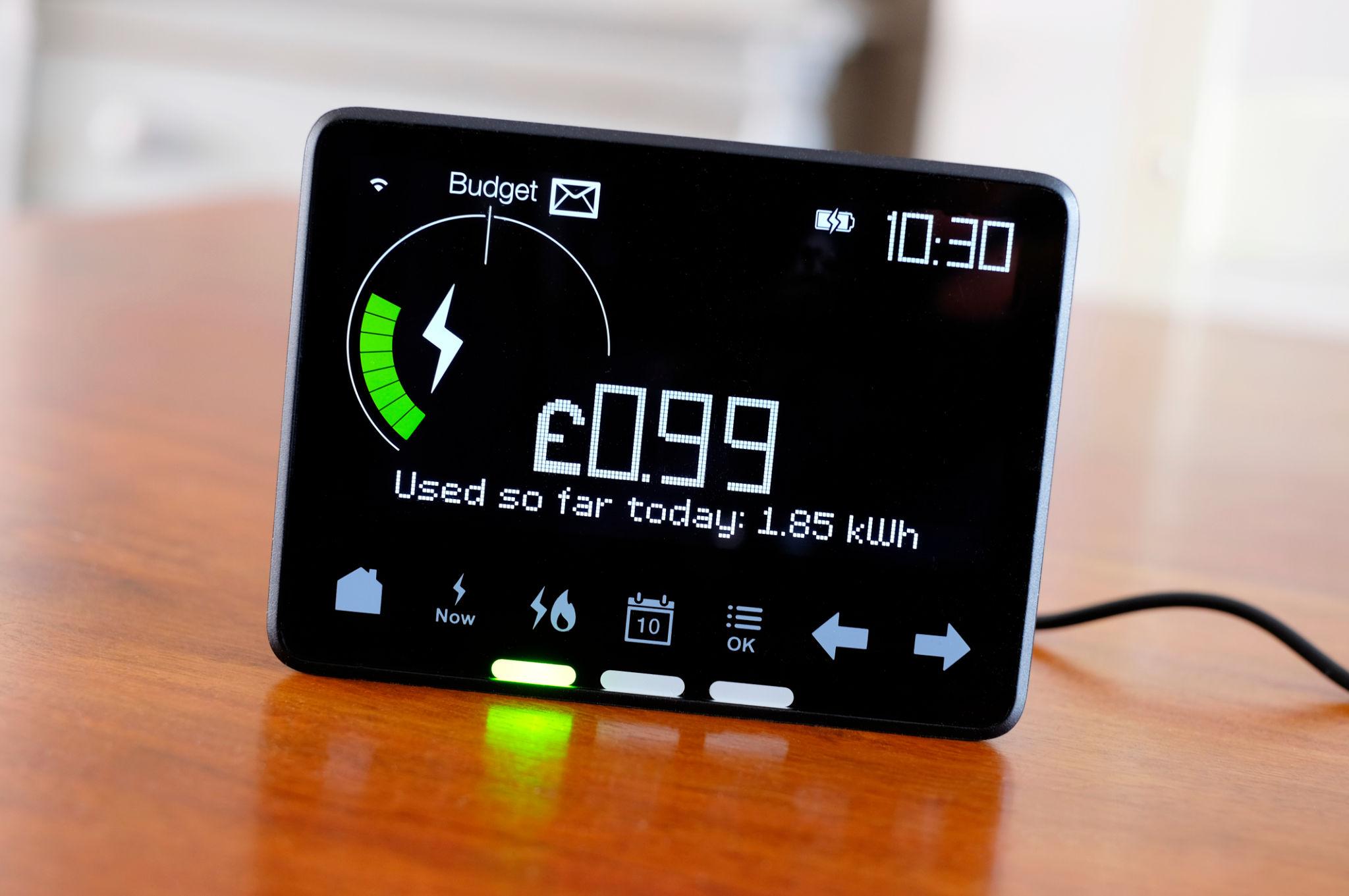
Smart Heating Controls Can Reduce Waste
Modern heating controls help reduce unnecessary gas use by:
- Scheduling heating properly
- Heating only occupied rooms
- Lowering overnight temperatures
- Automatically adjusting settings
Popular options include:
- Hive
- Tado
- Drayton Wiser
- Honeywell Evohome
Recommended Smart Heating Product
Control heating remotely and reduce wasted energy with one of the UK’s most popular smart thermostats.
View on Amazon UKCombined with insulation improvements, smart controls can noticeably reduce heating waste.
Technology cannot completely solve poor insulation, but it can stop households accidentally running miniature gas-funded saunas throughout winter.
Simple Ways UK Homes Can Reduce Gas Waste
Lower Boiler Flow Temperatures — Reducing boiler temperatures improves condensing efficiency.
Improve Loft Insulation — Loft insulation remains one of the most cost-effective upgrades.
Use Zoned Heating — Only heat rooms being used.
Reduce Thermostat Temperatures Slightly — Even small reductions matter over time.
Seal Draughts — Stopping heat escaping through gaps can make noticeable differences.
Upgrade Heating Controls — Smart thermostats and TRVs improve efficiency.
Final Thoughts
UK homes waste a surprisingly large amount of gas every year through:
- Poor insulation
- Inefficient heating habits
- Overheating
- Heat loss
- Old housing stock
- Lack of modern controls
The energy crisis forced many households to finally see where that waste was happening.
For many homes, the biggest improvements are not complicated:
- Better insulation
- Smarter heating schedules
- Lower temperatures
- Zoned heating
- More efficient boiler settings
Britain spent decades casually heating hallways, spare bedrooms and occasionally entire neighbourhoods through badly insulated walls. The gas bills finally arrived carrying consequences. An astonishing development in the long-running relationship between physics and peoples optimism.
How much gas does the average UK home waste each year?
Estimates vary, but poorly insulated UK homes can lose 30-50% of their heating energy through walls, roofs, windows and draughts — translating to hundreds of pounds in wasted gas annually.
What is the single biggest cause of gas waste in UK homes?
Poor insulation is the biggest culprit, particularly uninsulated walls and lofts, which together can account for over half of all heat loss in older properties.
Will lowering my boiler flow temperature really save gas?
Yes. Dropping a combi boiler from 75-80°C down to 55-60°C lets it run in condensing mode, which can improve efficiency by 6-12% with little impact on comfort.
Is it cheaper to leave the heating on low all day?
For most well-insulated homes, no. Heating on a schedule that matches when you are home and awake uses less gas than running it constantly at a lower setting.
Do smart thermostats actually reduce gas bills?
When used properly — with schedules, geofencing and room-by-room control via smart TRVs — they can meaningfully cut gas use by avoiding heating empty rooms and unoccupied periods.
What is the cheapest way to stop wasting gas this winter?
Sealing draughts around doors, windows and floorboards, plus turning the thermostat down by 1°C and lowering boiler flow temperature, costs almost nothing and starts saving immediately.
Continue with related guides and tools
- Draught-Proofing Your UK Home in 2026: £180/Year for £40
- Loft Insulation UK 2026: Costs, Grants and Real Savings
- Seasonal home energy-saving advice
- Check your home energy-efficiency score
- Explore the Knowledge Centre
Relevant products to compare
Choose the correct size and fit. Keep required ventilation, air bricks and appliance vents clear; these products are small draught-proofing options, not loft insulation.
Affiliate links: As an Amazon Associate I earn from qualifying purchases. Check the current Amazon listing and suitability before buying.