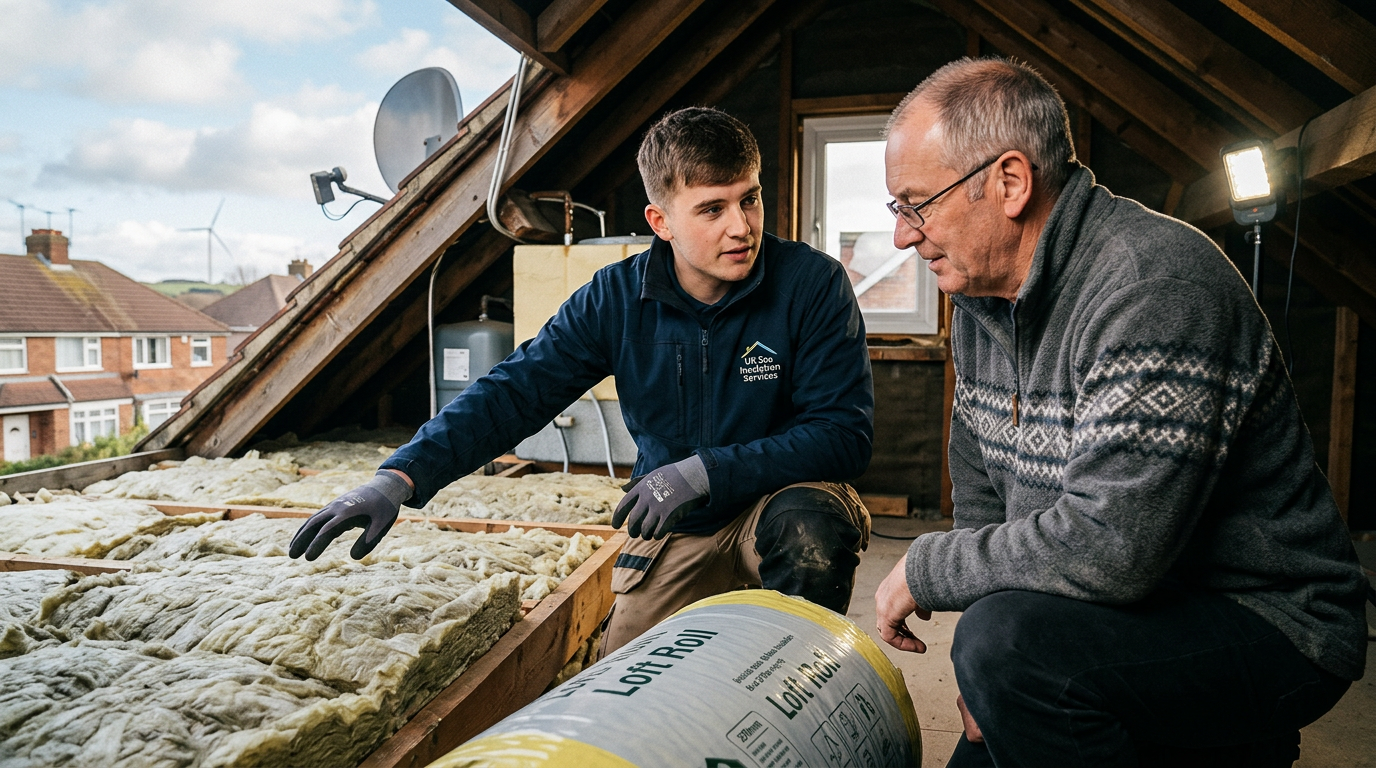
Loft Insulation in the UK 2026: Costs, Grants and Real Savings
Here at Power Guardian UK, we're keenly aware that energy efficiency isn't just a buzzword; it's a critical component of household budgeting, national energy security, and our journey towards Net Zero. Loft insulation stands as one of the most effective, straightforward, and affordable measures any homeowner can undertake to slash their energy bills and reduce their carbon footprint. Our analysis shows that a properly insulated loft can cut heat loss by a colossal 25%, making it a no-brainer for most UK properties. Let's delve into the details for mid-2026, exploring costs, burgeoning grant opportunities, and the impressive speed at which this investment pays for itself.
The Unseen Drain: Why Loft Insulation Matters So Much in the UK
In an uninsulated or poorly insulated home, a quarter of your heated air simply escapes through the roof. Think of it: you're essentially paying to heat the sky above your house. With the UK's often-chilly climate and the volatile nature of energy prices, this is a significant and unnecessary drain on household finances.
The government's recommended depth for mineral wool loft insulation in the UK is 270mm. This isn't an arbitrary figure; it's based on extensive research into thermal efficiency and cost-effectiveness. Achieving this depth provides an optimal balance between material cost, installation effort, and long-term energy savings.
Understanding Costs (Mid-2026)
Let's break down the expected costs for loft insulation in mid-2026, focusing on a typical three-bedroom semi-detached house, which represents a significant portion of the UK housing stock. These figures account for current material prices and labour rates.
- DIY 270mm Mineral Wool Installation:
- Estimated Cost: £480
- This figure assumes you're undertaking the work yourself, sourcing materials from major DIY retailers. It covers the cost of rolls of mineral wool insulation (typically fibreglass or rock wool), potentially some basic tools like a utility knife, and protective gear (gloves, mask, overalls). For a 3-bed semi-detached house with a loft area of approximately 50-60 square metres, you'd be looking at around 20-25 rolls of 100mm thick insulation (to achieve 270mm by layering) plus some cut-to-fit sections.
- Practical Steps for DIY:
- Professional Installation:
- Estimated Cost: £780 – £1,100
- This range reflects the cost for a professional installer to supply and fit 270mm of mineral wool insulation in a typical 3-bed semi. The variation depends on regional labour rates (e.g., London and the South East tend to be higher), ease of access to the loft, and the complexity of the job (e.g., removal of old, inadequate insulation, dealing with many pipes or obstructions). While more expensive upfront, a professional installation ensures compliance with building regulations, proper technique, and often comes with guarantees. They will also handle all waste disposal.
- ECO4 Grant:
- Cost: Free if Eligible
- The Energy Company Obligation (ECO4) scheme is a cornerstone of the UK government's efforts to tackle fuel poverty and reduce carbon emissions. It mandates large energy suppliers to deliver energy efficiency measures to low-income and vulnerable households. If you qualify, the installation of loft insulation can be entirely free.
- Eligibility Criteria (broadly):
- Means-tested benefits: This is the primary route. If you receive benefits such as Universal Credit, Pension Credit, Income Support, Jobseeker's Allowance, Employment and Support Allowance, Housing Benefit, or Child Tax Credits/Working Tax Credits (subject to specific income thresholds), you are likely to be eligible.
- Local Authority Flexible Eligibility (LA Flex): Your local council can identify households that are not on traditional benefits but are still deemed vulnerable due to low income, ill health, or other factors.
- EPC Rating: Properties with an EPC rating of E, F, or G are prioritised under ECO4, as they have the most to gain from energy efficiency improvements.
- How to Apply: Contact your current energy supplier directly, or use a certified ECO4 installer. They will assess your eligibility and coordinate the installation.
Recommended Smart Energy Plug
Monitor appliance electricity usage in real time and identify expensive devices around your home.
View on Amazon UKAnnual Savings: A Tangible Return
The financial benefits of loft insulation are significant and immediate, reducing the amount of energy you need to heat your home. These figures are based on modelled energy savings using current (mid-2026) average UK electricity and gas prices, adjusted for typical household energy consumption patterns. For context, the Ofgem price cap for Q2 2024 is approximately 24.5p/kWh for electricity and 6p/kWh for gas, but these figures are subject to change. Our estimates are based on projected slightly higher rates for mid-2026 to be conservative.
- Uninsulated → 270mm Loft Insulation:
- Annual Savings: ~£330/year
- This is the most impactful scenario. Moving from a completely uninsulated loft to the recommended 270mm will dramatically reduce heat loss. This saving is based on an average UK home's heating demand and current energy prices. For a home using, say, 12,000 kWh of gas for heating annually, a 25% reduction in heat loss translates to 3,000 kWh saved. At 7p/kWh (a conservative estimate for gas in mid-2026, considering the typical price cap fluctuations), this equates to £210, plus savings on electricity for supplementary heating.
- Topping Up 100mm → 270mm Loft Insulation:
- Annual Savings: ~£60/year
- Many older UK homes might have some existing insulation, often around 100mm. While better than nothing, it's far from optimal. Topping this up to 270mm still offers worthwhile savings. This improvement reduces the remaining heat loss by a substantial margin, though less dramatically than going from zero.
Regional Variations in Energy Consumption
It's worth noting that energy savings can vary geographically. Homes in colder regions of Scotland and Northern England, for example, tend to have higher heating demands compared to the milder South West. Therefore, the absolute monetary savings from insulation might be slightly higher in these colder areas, as they use more energy in the first place.
The Payback Period: A Rapid Return on Investment
One of the most compelling arguments for loft insulation is its incredibly fast payback period, especially when compared to other home improvements.
| Scenario | Initial Cost | Annual Savings | Payback Period |
|---|---|---|---|
| DIY Full Install | £480 | ~£330 | ~18 months |
| Professional Install | £780 – £1,100 | ~£330 | 2.5 – 3 years |
| ECO4 Grant | £0 | ~£330 | Instant |
← Swipe to see more →
- DIY Full Install: Paying back in just 18 months is an exceptional return on investment. After this period, every pound saved on heating is pure profit, year after year.
- Professional Install: Even with the higher upfront cost, a professional installation typically pays for itself within 2.5 to 3 years. This is still a very attractive timeframe, especially considering the longevity of insulation (it effectively lasts for the lifetime of the property if undisturbed).
- ECO4 Grant: The instant payback here is transformative for eligible households, immediately reducing their energy bills with no capital outlay. This is a crucial tool in combating fuel poverty across the UK.
The Long-Term Benefits Beyond Savings
Beyond the immediate financial returns, loft insulation offers several other significant advantages:
- Increased Comfort: A well-insulated home is warmer in winter and often cooler in summer, providing a more stable and comfortable internal environment.
- Reduced Carbon Footprint: By consuming less energy, you're directly contributing to a reduction in greenhouse gas emissions, aligning with the UK's Net Zero targets.
- Enhanced EPC Rating: Improving your home's energy efficiency will positively impact its Energy Performance Certificate (EPC) rating. A better EPC can increase your property's value and make it more attractive to potential buyers or renters, particularly with impending minimum EPC requirements for landlords.
- Reduced Condensation Risk: Proper insulation, coupled with good ventilation, can help mitigate issues like damp and mould by keeping internal surfaces warmer.
Don't Make These Common Mistakes
While seemingly straightforward, there are critical pitfalls to avoid during loft insulation installation to ensure its effectiveness and safety.
- Don't Compress the Insulation: This is perhaps the most crucial error. Insulation works by trapping pockets of air. Compressing it, by squashing it under boarding for storage or pressing it down, dramatically reduces its ability to trap air, leading to a loss of up to 50% of its thermal effectiveness. If you need storage space, consider purpose-built loft stilts or legs that raise the boarding above the insulation layer, allowing for the full 270mm depth.
- Don't Insulate Over Downlighters Without Fire Hoods: Recessed downlighters generate heat. Covering them directly with insulation creates a significant fire risk due to heat build-up. Always install fire-rated downlight covers (also known as downlight hoods or protectors) that create a safe void around the fitting, allowing heat to dissipate while maintaining insulation continuity. Many modern LED downlighters are fire-rated and insulation-contact approved, but always check the manufacturer's specifications.
- Don't Block Eaves Ventilation: Eaves (the underside of the roof where it overhangs the walls) often contain vents or gaps crucial for allowing air to circulate in the loft space. Blocking these with insulation can lead to a build-up of moisture, condensation, and, ultimately, mould and timber decay in the roof structure. Ensure a clear air gap (typically around 50mm) is maintained between the insulation and the underside of the roof felt/battens at the eaves. Ventilation trays can be used to maintain this gap.
- Don't Forget the Loft Hatch: A poorly insulated loft hatch is an open door for heat to escape. Cut rigid insulation (e.g., polystyrene or PIR board) to fit snugly on the back of the hatch and seal any gaps around the hatch frame with draught excluder or self-adhesive foam strips.
- Mind Your Water Tanks and Pipes: Exposed water tanks and pipes in the loft need their own insulation jackets and lagging. DO NOT insulate under a cold water tank, as this would isolate it from the warmth of the house below, making it more susceptible to freezing. Insulate around and over it.
FAQs About Loft Insulation
Q1: How do I know if my loft insulation is effective or needs topping up? A1: The easiest way is to visually inspect it. If you can easily see the tops of your ceiling joists (the wooden beams that make up the floor of your loft), your insulation is likely less than 100mm deep and certainly needs topping up. Measure the depth – if it's less than 270mm, you'll benefit from adding more.
Q2: Is mineral wool the only option for loft insulation? A2: No, while mineral wool (fibreglass or rock wool) is the most common and cost-effective, other options exist. These include sheep's wool (natural, sustainable, but more expensive), cellulose fibre (recycled paper, blown-in, good for tricky spaces), and rigid insulation boards (PIR/PUR, provide excellent thermal performance for thinner depths, useful for pitched roof insulation or when creating a 'warm attic' space).
Q3: Can I insulate over existing insulation, even if it's an old type? A3: Generally, yes. As long as the existing insulation is dry, clean, and not compressed or contaminated, you can lay new insulation directly on top. In fact, layering is often recommended to achieve the 270mm depth and minimise thermal bridging through joists. If the existing insulation is damp, mouldy, or contains asbestos (unlikely with visible loft insulation but always a consideration in very old properties), it should be professionally removed first.
Q4: Will insulating my loft cause condensation issues in the attic? A4: Not if done correctly. Condensation occurs when warm, moist air meets a cold surface. Loft insulation creates a cold loft space. To prevent condensation, proper ventilation of the loft is crucial. Ensure eaves are not blocked, and if necessary, consider installing roof vents or tile vents to allow air circulation. The goal is to keep the loft "cold and ventilated" while the rooms below are "warm and dry."
Q5: What about insulating a 'warm roof' or 'room in roof' situation? A5: This is different from insulating a 'cold loft.' If your loft has been converted into a living space, the insulation should be placed immediately under the roof rafters (the sloping timbers), making it a 'warm roof' or 'room in roof' construction. This is a more complex job, often requiring rigid insulation boards and careful consideration of ventilation and vapour barriers, and usually requires professional installation to comply with building regulations. The costs and grants for this type of insulation can be different.
Q6: Does loft insulation have an expiry date? A6: Properly installed and undisturbed loft insulation made from mineral wool can last for the lifetime of the building. It doesn't degrade over time in terms of its thermal properties unless it gets wet, compressed, or contaminated. However, building regulations and recommended depths do increase over time as energy efficiency standards improve, so you might find that while your old insulation is still functional, it's no longer considered adequate by modern standards.
Recommended energy saving products
Independently chosen kit that helps UK households cut energy use.

Tapo P110 Smart Plug (Energy Monitoring)
See exactly which appliances are quietly inflating your bill — track real-time watts, kWh and runtime from your phone.
- Real-time energy monitoring
- Cuts standby/vampire power
- Schedule appliances off-peak
Estimated benefit: ~£40/yr standby savings
Shop on AmazonAd – affiliate link. PowerGuardian may earn a commission from Amazon or another approved affiliate partner at no extra cost to you.

Home Energy Monitor (Whole-House)
Track your whole-home electricity use live and find where the kWh are going before the bill lands.
- Whole-house live usage
- Spot expensive habits fast
- App history & alerts
Estimated benefit: Awareness cuts ~5-10% use
Shop on AmazonAd – affiliate link. PowerGuardian may earn a commission from Amazon or another approved affiliate partner at no extra cost to you.
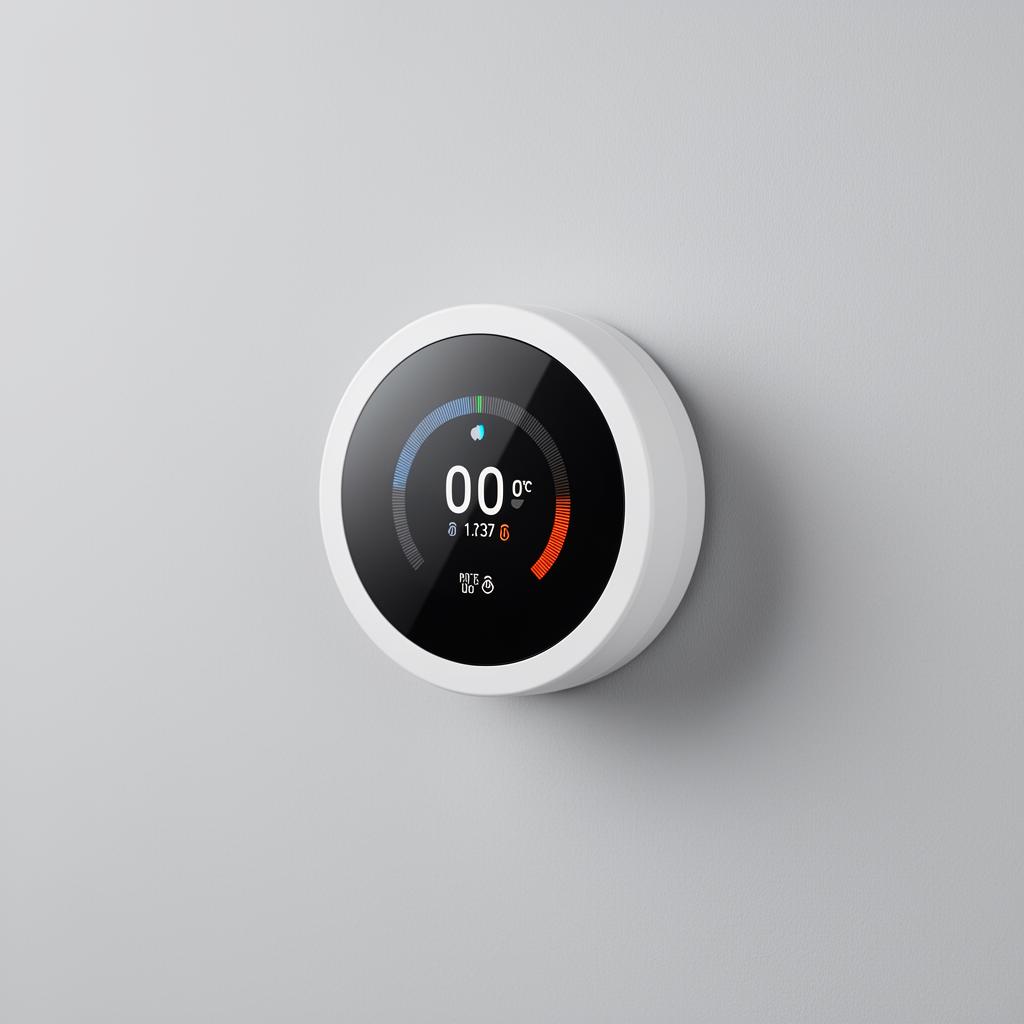
tado Smart Thermostat Starter Kit
Schedule, zone and remote-control your heating — independently shown to cut heating bills meaningfully.
- Heat only when needed
- Geofencing & schedules
- Room-by-room control
Estimated benefit: Up to ~£140/yr
Shop on AmazonAd – affiliate link. PowerGuardian may earn a commission from Amazon or another approved affiliate partner at no extra cost to you.
Affiliate links — we may earn a small commission at no extra cost to you. This keeps PowerGuardian free and independent.
Conclusion: An Unmissable Opportunity for UK Homeowners
Loft insulation is not merely a home improvement; it's a fundamental step towards a more energy-efficient, comfortable, and cheaper-to-run home. Its robust annual savings, remarkably swift payback period, and the increasing availability of grants like ECO4 position it as one of the most impactful energy efficiency upgrades available to UK households in 2026.
Whether you're a seasoned DIY enthusiast or prefer to leave it to the professionals, the benefits are undeniable. By avoiding common mistakes and ensuring proper installation, you'll secure a warmer, more economical home, contribute to environmental sustainability, and potentially boost your property's value. At Power Guardian UK, we firmly advocate for loft insulation as a cornerstone of your domestic energy strategy – don't let those precious BTUs escape to the sky!
What depth of loft insulation is recommended in the UK?
The UK government recommends a depth of 270mm for mineral wool loft insulation. This figure balances material cost, installation effort, and long-term energy savings for optimal thermal efficiency.
How much does it cost to DIY install 270mm of loft insulation in a 3-bed semi-detached house?
A DIY installation of 270mm mineral wool insulation in a typical three-bedroom semi-detached house is estimated to cost around £480. This covers the price of materials like insulation rolls, basic tools, and protective gear.
What is the estimated cost for professional loft insulation installation?
Professional installation of 270mm mineral wool insulation for a typical 3-bed semi-detached house ranges from £780 to £1,100. This cost varies based on regional labour rates, ease of access, and job complexity.
Am I eligible for free loft insulation through the ECO4 grant?
You are likely eligible for free loft insulation under ECO4 if you receive means-tested benefits, or if your local council identifies you as vulnerable through LA Flex. Properties with an EPC rating of E, F, or G are prioritised.
How much heat loss can be prevented with proper loft insulation?
Proper loft insulation can significantly reduce heat loss through the roof by a colossal 25%. This prevents heated air from escaping, which in turn reduces energy bills.
Current Supplier Watch
Recommended kit
Door Bottom Draught Excluder
Block cold draughts under exterior doors — one of the cheapest wins for cutting winter heating loss.
Shop on Amazon