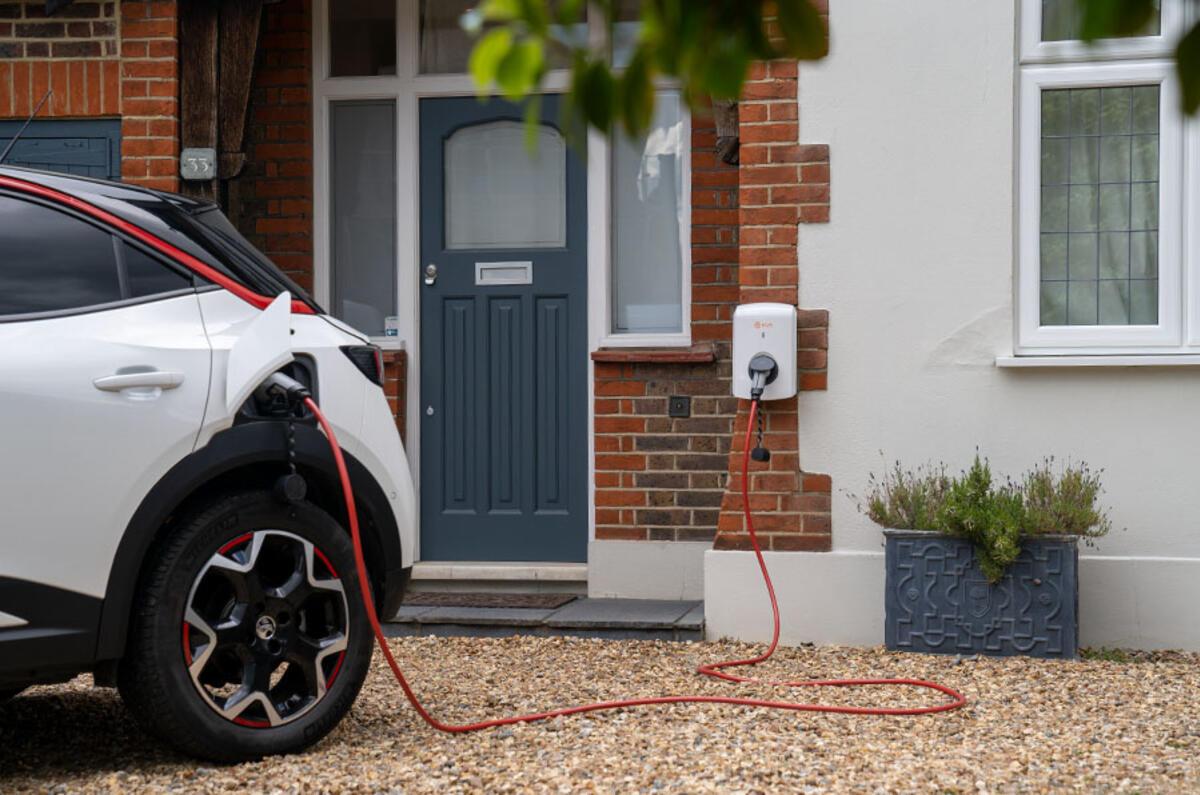
Electric vehicles are often marketed as cheap to run, but the reality is slightly more complicated. The car itself may cost less per mile than petrol or diesel, yet the supplier you choose can have a bigger impact on your annual running costs than the vehicle itself.
A driver charging an EV on a standard electricity tariff could easily pay three times more than someone using a dedicated EV tariff. That difference can amount to hundreds of pounds every year.
The best energy supplier for an EV owner is not necessarily the cheapest supplier overall. It is the supplier that offers the best combination of:
- Low overnight charging rates
- Smart charging technology
- Reliable customer service
- Competitive daytime electricity rates
- Compatibility with your charger and vehicle
Let's examine the leading options available to UK EV drivers.
Why EV Owners Need A Different Energy Tariff
Most EV charging happens overnight.
The UK electricity system experiences lower demand during the night, allowing suppliers to offer discounted rates to encourage charging when the grid is quieter.
A typical electric car requires around 2,500–3,500 kWh annually depending on mileage.
At 25p per kWh, that could cost £625–£875 per year.
At 8p per kWh using an EV tariff, that drops to £200–£280 per year.
The difference is substantial. This is why selecting the right supplier matters. Want to see the numbers for your own mileage? Try our EV Charging Cost Calculator.

Current Supplier Watch
Octopus Energy — Best Overall For Most EV Drivers
If one supplier dominates EV discussions in the UK, it is Octopus.
Its Intelligent Octopus Go tariff has become the benchmark against which most competitors are measured.
The tariff automatically schedules charging during cheaper periods using smart technology connected directly to compatible vehicles and chargers. Customers simply plug in and let the system determine the cheapest charging times.
Why Drivers Like It
- Around 8p per kWh overnight charging
- Smart charging automation
- Strong mobile app
- Integration with solar panels and batteries
- Excellent customer service reputation
Ofgem data shows that more than half of UK customers using smart EV tariffs are with Octopus.
Real-World Example
A driver covering 10,000 miles annually could save several hundred pounds compared with charging on a standard variable tariff.
For households already using solar panels or home batteries, Octopus also offers additional opportunities to optimise electricity usage throughout the day.
E.ON Next — Best For Longer Overnight Charging Windows
E.ON has emerged as Octopus' strongest challenger.
Its Next Drive tariffs offer a six-hour off-peak window between midnight and 6am, giving drivers more flexibility.
Some industry comparisons place E.ON's off-peak rates among the cheapest available.
Why It Works Well
- Competitive overnight rates
- Six-hour charging window
- Simple tariff structure
- Compatible with most EVs
Drivers with larger battery packs often appreciate the extended charging period.
Vehicles such as the Tesla Model Y, Kia EV9 and BMW iX can require lengthy charging sessions after long journeys. E.ON's longer overnight period helps ensure batteries are fully charged before morning.
British Gas — Best For Traditional Supplier Customers
Many households prefer staying with a supplier they already know.
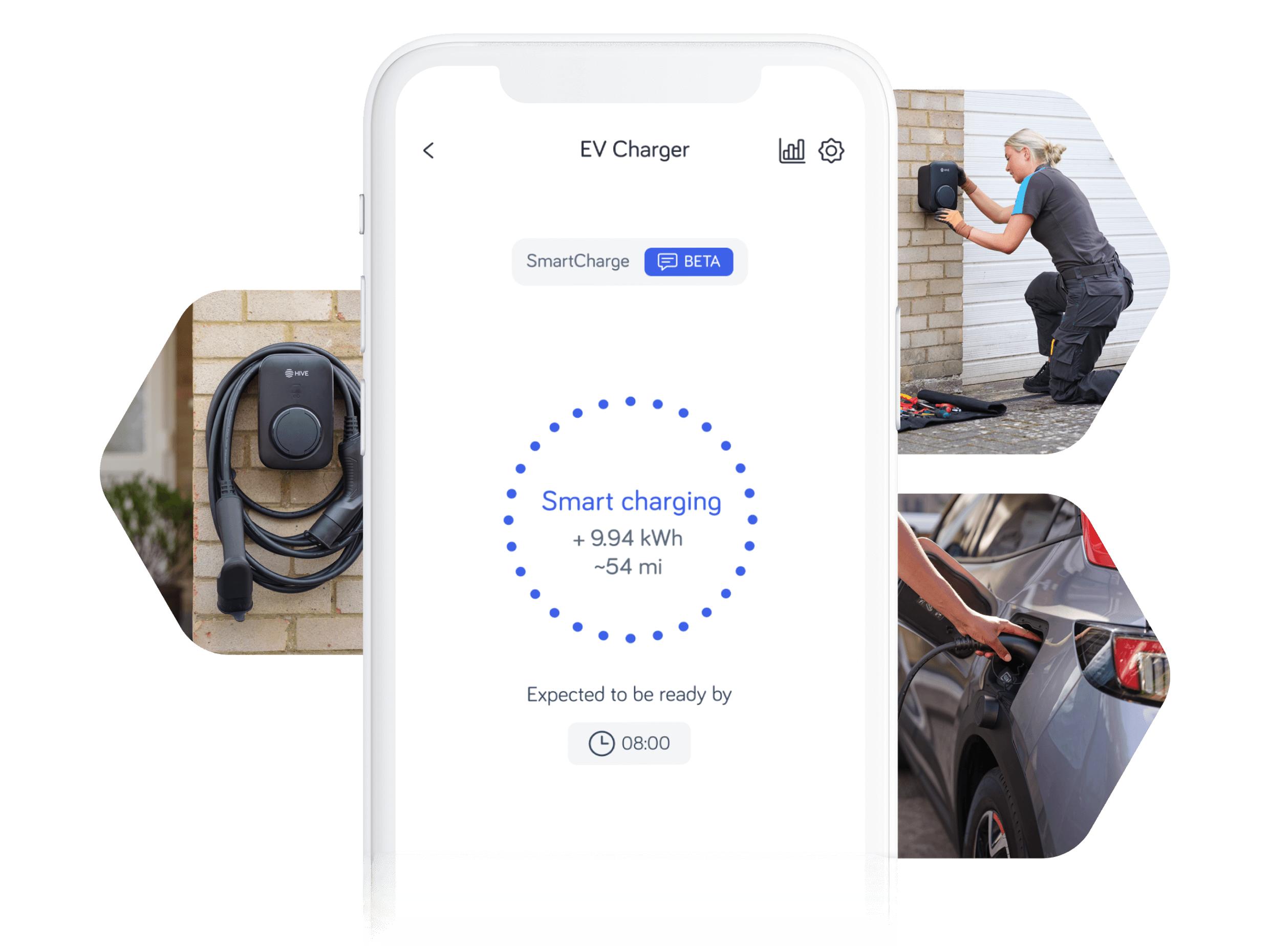
British Gas has responded to growing EV demand through dedicated charging products and EV-focused tariffs. The supplier combines overnight rates with smart charging technology through its Hive ecosystem.
Strengths
- Familiar national brand
- Integrated Hive products
- Smart charging options
- Strong support infrastructure
For households already using Hive smart thermostats and smart home products, the ecosystem can provide a convenient all-in-one solution.
OVO Energy — Best For Flexible Charging
OVO has developed products aimed at customers wanting more flexibility around charging schedules.
Rather than simply offering fixed overnight windows, some OVO solutions focus on charging when electricity is cheapest across the wider network.
This approach may suit drivers:
- Working shifts
- Charging at unusual times
- Combining EV ownership with solar generation
Industry comparisons frequently include OVO among the strongest alternatives to Octopus and E.ON.
EDF Energy — Best For Simplicity
Some EV tariffs become surprisingly complicated.
EDF has focused on making EV charging easier to understand. Its GoElectric products combine straightforward overnight rates with optional smart charging features.
This may appeal to drivers who simply want:
- Cheap overnight charging
- Predictable bills
- Less reliance on apps and automation
Not every EV owner wants to become a part-time electricity trader. Some simply want the car charged by breakfast.
Recommended energy saving products
Independently chosen kit that helps UK households cut energy use.
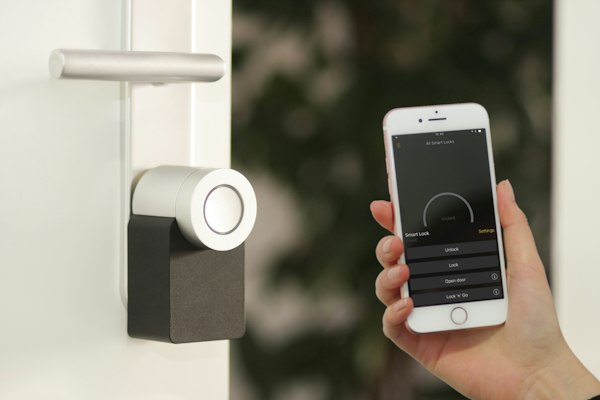
Tapo P110 Smart Plug (Energy Monitoring)
See exactly which appliances are quietly inflating your bill — track real-time watts, kWh and runtime from your phone.
- Real-time energy monitoring
- Cuts standby/vampire power
- Schedule appliances off-peak
Estimated benefit: ~£40/yr standby savings
Shop on Amazon
Home Energy Monitor (Whole-House)
Track your whole-home electricity use live and find where the kWh are going before the bill lands.
- Whole-house live usage
- Spot expensive habits fast
- App history & alerts
Estimated benefit: Awareness cuts ~5-10% use
Shop on Amazon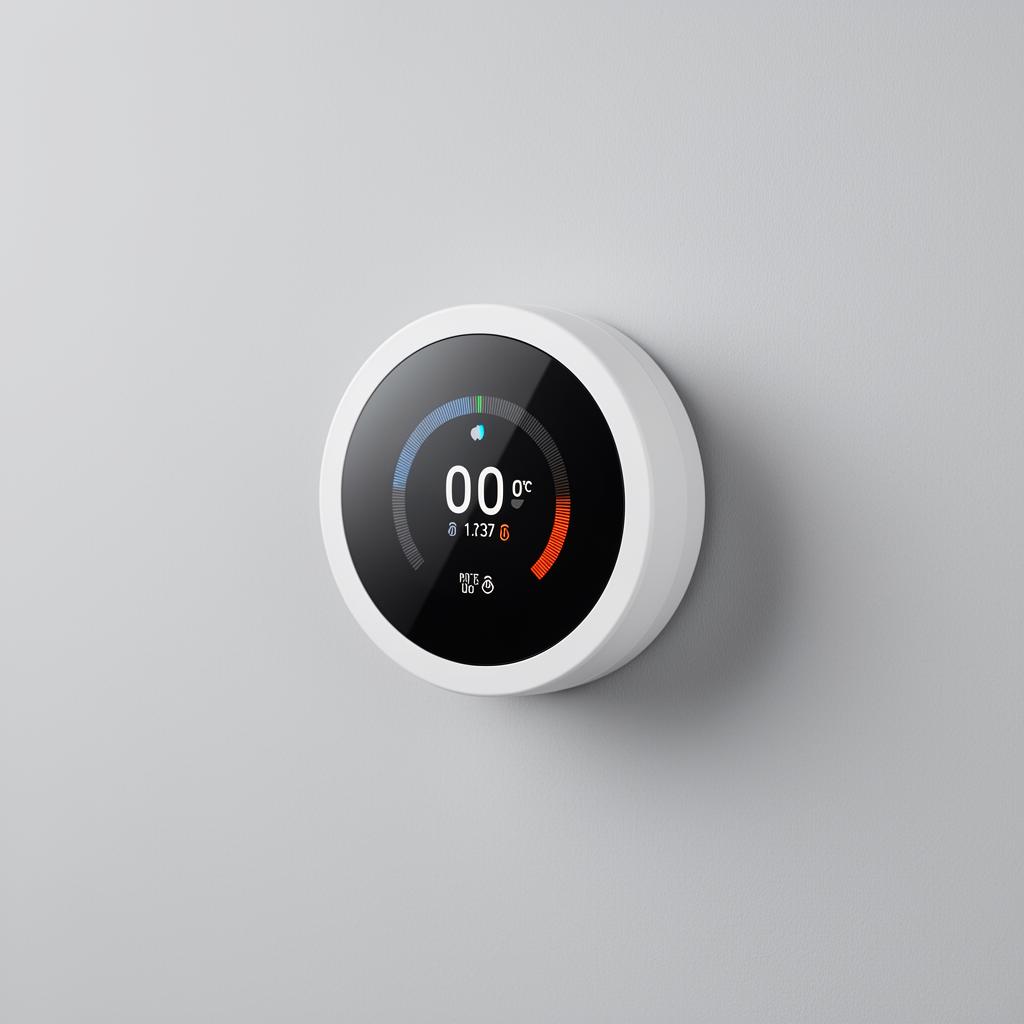
tado Smart Thermostat Starter Kit
Schedule, zone and remote-control your heating — independently shown to cut heating bills meaningfully.
- Heat only when needed
- Geofencing & schedules
- Room-by-room control
Estimated benefit: Up to ~£140/yr
Shop on AmazonAffiliate links — we may earn a small commission at no extra cost to you. This keeps PowerGuardian free and independent.
Scottish Power — Best For Existing Scottish Power Customers
Scottish Power's EV tariffs remain competitive and are often included among the UK's lowest-cost charging options.
Advantages
- Competitive overnight pricing
- Existing customer discounts
- National coverage
- Established supplier infrastructure
For households already satisfied with Scottish Power's service, switching to its EV tariff may be simpler than changing supplier entirely.
Which Supplier Is Cheapest?
This is where many comparison articles become misleading.
The cheapest supplier depends on:
- Annual mileage
- Home electricity usage
- Charger compatibility
- Smart meter availability
- Charging habits
A driver travelling 20,000 miles annually will benefit far more from an ultra-cheap overnight rate than a retiree driving 4,000 miles each year.
Similarly, households using large amounts of daytime electricity need to consider daytime rates as well as overnight pricing. A tariff with an incredibly cheap overnight rate may have a higher daytime unit rate that offsets some savings.
Not sure whether a switch is worth it? Our Should I Switch Supplier Calculator can help you weigh it up.
Smart Charging Is Becoming More Important
The future is moving beyond simple night rates.
Suppliers increasingly use smart charging systems that automatically:
- Monitor electricity prices
- Track renewable generation
- Shift charging times
- Reduce pressure on the grid
This helps suppliers lower costs while helping drivers save money. It is one of the reasons why suppliers such as Octopus have gained significant market share among EV owners.
What About Public Charging?
Home charging remains dramatically cheaper than public charging.
Public rapid chargers frequently charge between 50p and 85p per kWh, while many EV tariffs offer overnight electricity below 10p per kWh.
That means charging at home can cost less than £10 for 250 miles of driving, while the same energy from a rapid charger may cost several times more.
For most drivers, the real savings come from charging at home on the correct tariff.
How To Choose The Right Supplier
Before switching, consider these questions:
- Do you have a smart meter?
- Is your charger compatible?
- How many miles do you drive annually?
- Can most charging happen overnight?
- Do you have solar panels or batteries?
- Do you use lots of electricity during the day?
A dedicated EV tariff is not automatically the best option for every household. The cheapest tariff on paper is not always the cheapest tariff in reality.
Final Verdict
For most UK EV owners, Octopus Energy currently offers the strongest overall package due to its Intelligent Octopus Go tariff, smart charging capabilities and strong customer satisfaction.
E.ON Next is arguably the strongest challenger, particularly for drivers wanting a longer overnight charging window and highly competitive rates.
British Gas, EDF, OVO and Scottish Power all offer credible alternatives depending on your circumstances.
The key lesson is simple: buying an EV is only half the equation. Choosing the right electricity supplier can save hundreds of pounds every year — which is considerably more exciting than handing that money to an energy company simply because comparing tariffs sounded like too much effort.
Related PowerGuardian Tools
- EV Charging Cost Calculator
- Should I Switch Supplier Calculator
- Energy Bill Calculator
- Home Energy Efficiency Score
- Appliance Running Cost Calculator
References
- Octopus Energy EV Tariffs
- Intelligent Octopus Go
- E.ON Next Drive Tariff
- Electrifying EV Tariff Guide
- The Guardian Home EV Charging Guide
Recommended kit
Type 2 EV Charging Cable 7m 32A
Reliable 7m Mode 3 Type 2 to Type 2 cable for public chargepoints — supports up to 7.4kW single-phase charging.
Shop on Amazon