The average UK household now uses far more energy than many people realise. Most homeowners see a monthly bill total, panic briefly, blame the kettle, then continue living inside what is effectively a small electrically powered climate-controlled entertainment pod. Modern British life is remarkably energy-hungry.
Understanding average kWh usage matters because it helps households compare their energy consumption properly, spot waste, estimate future bills and decide whether upgrades such as insulation, solar panels, heat pumps or smart controls are actually worthwhile.
Average UK Household Electricity Usage
According to recent UK government and industry estimates, the average household electricity usage in Britain is approximately:
- 2,700 to 3,100 kWh per year for electricity
- Around 7 to 9 kWh per day
This varies massively depending on:
- Property size
- Number of occupants
- Electric heating usage
- EV charging
- Working from home
- Appliance efficiency
- Insulation quality
- Smart home technology
- Lifestyle habits
A single pensioner in a small flat may use under 1,800 kWh annually, while a busy family home with electric heating and two people working remotely could exceed 6,000 kWh per year without trying very hard at all. We invented streaming, gaming PCs, air fryers, tumble dryers and electric SUVs, then collectively acted surprised when the meter started spinning like a fruit machine.

Current Supplier Watch
Average UK Gas Usage
For homes using gas central heating, average annual gas consumption is usually:
- 10,000 to 12,500 kWh per year
- Roughly 30 to 35 kWh per day averaged across the year
Gas usage rises dramatically during winter. A typical UK household may use:
- Under 10 kWh daily in summer
- Over 100 kWh daily during cold winter periods
That huge seasonal difference is why energy bills often feel manageable in July and catastrophic by January.
Average Energy Usage By Property Size
Small Flat or Apartment
Typical annual usage:
- Electricity: 1,800 to 2,400 kWh
- Gas: 7,000 to 8,000 kWh
Usually occupied by one or two people, with lower heating demand and fewer appliances. Smaller homes are generally cheaper to heat, although poorly insulated flats can still become expensive.
Medium Semi-Detached House
Typical annual usage:
- Electricity: 2,700 to 3,500 kWh
- Gas: 10,000 to 13,000 kWh
This represents the "average" UK family home category. A typical semi-detached property with 3 bedrooms, a gas combi boiler, 3 to 4 occupants and standard appliances will usually fall somewhere in this range.
Large Detached Property
Typical annual usage:
- Electricity: 4,000 to 7,000+ kWh
- Gas: 17,000 to 25,000+ kWh
Large homes consume significantly more because more rooms require heating, bigger boilers work harder, larger families use more hot water, and more appliances and devices are running simultaneously. Swimming pools, EV chargers and home offices can push consumption dramatically higher.

How Much Electricity Do Common Appliances Use?
Kettle
Around 2 to 3 kWh per week in many households. Kettles use huge power briefly. Boiling excess water repeatedly wastes noticeable energy over time.
Tumble Dryer
Around 2 to 5 kWh per cycle — one of the most expensive household appliances to run regularly. Families with children often underestimate how much tumble drying contributes to winter energy bills.
Electric Oven
Roughly 2 kWh per use. Long cooking sessions increase costs quickly, especially during winter evenings when heating is also running.
Gaming PC
200 to 600 watts per hour depending on setup. Heavy gaming users can consume substantial electricity annually without realising it. A high-end gaming PC setup may cost hundreds of pounds per year to operate.
EV Charging
Electric vehicle charging completely changes household energy usage. Typical EV annual electricity consumption is 2,000 to 3,500 kWh. For some homes, EV charging alone now equals the entire historic household electricity consumption from a decade ago.
Why UK Energy Usage Is Increasing
Several major trends are pushing average electricity usage higher across Britain.
More People Working From Home
Home offices increase heating usage, laptop usage, lighting, internet equipment and daytime appliance use. The traditional pattern of empty homes during weekdays has changed significantly.
Take a look at practical, affordable kit that helps you reduce energy bills — from smart thermostats and energy monitors to smart plugs and heating controls. Every pick includes the typical benefit for a UK household. See more...
Growth Of Smart Technology
Modern homes contain smart TVs, Alexa devices, smart speakers, CCTV systems, Wi-Fi boosters, smart heating controls and video doorbells. Many run continuously 24 hours a day.
Individually they seem harmless. Collectively they behave like a tiny permanent electricity leak, willingly installed in every room because apparently shouting at a light bulb became essential civilisation infrastructure.
EV Adoption
Electric vehicles are one of the largest new household electricity demands in modern Britain. Charging overnight is cheaper, but total home electricity usage still rises substantially.
Heat Pumps
Heat pumps are efficient, but they increase electricity consumption compared to gas-heated homes. A household moving from gas to an air source heat pump may see electricity usage double or triple depending on the property.

How Much Does Average Energy Usage Cost?
Using current typical UK prices in 2026:
Electricity
At approximately 24p to 30p per kWh, average annual electricity costs may range £650 to £950+.
Gas
At approximately 6p to 8p per kWh, average annual gas costs may range £700 to £1,100+.
Standing charges add hundreds of pounds annually before energy usage is even considered. This is one of the biggest frustrations for UK households because low-usage homes still face substantial fixed costs.
Why Some Homes Use Far More Energy Than Others
Poor Insulation
Bad insulation is one of the biggest causes of excessive gas usage. Heat escapes rapidly through loft spaces, old windows, solid walls and uninsulated floors. Many Victorian and older UK properties remain expensive to heat despite modern boilers.
Old Appliances
Older fridges, freezers and washing machines often consume significantly more electricity. Replacing outdated appliances can reduce annual usage noticeably.
Recommended energy saving products
Independently chosen kit that helps UK households cut energy use.
Tapo P110 Smart Plug (Energy Monitoring)
See exactly which appliances are quietly inflating your bill — track real-time watts, kWh and runtime from your phone.
- Real-time energy monitoring
- Cuts standby/vampire power
- Schedule appliances off-peak
Estimated benefit: ~£40/yr standby savings
Shop on AmazonHome Energy Monitor (Whole-House)
Track your whole-home electricity use live and find where the kWh are going before the bill lands.
- Whole-house live usage
- Spot expensive habits fast
- App history & alerts
Estimated benefit: Awareness cuts ~5-10% use
Shop on Amazon
tado Smart Thermostat Starter Kit
Schedule, zone and remote-control your heating — independently shown to cut heating bills meaningfully.
- Heat only when needed
- Geofencing & schedules
- Room-by-room control
Estimated benefit: Up to ~£140/yr
Shop on AmazonAffiliate links — we may earn a small commission at no extra cost to you. This keeps Power Guardian free and independent.
Electric Heating
Electric resistance heaters are expensive to run. Portable heaters may seem cheap initially but can generate surprisingly high bills during winter.
Lifestyle Habits
Long showers, multiple TVs, constant tumble drying and leaving devices on standby all increase energy consumption. Small habits repeated daily create meaningful annual costs.
How To Reduce Household kWh Usage
Improve Insulation
Loft insulation remains one of the best value energy improvements in Britain. Proper insulation can significantly reduce heating demand.
Use Smart Heating Controls
Smart thermostats help reduce wasted heating hours. Many homes heat empty rooms unnecessarily.
Run Appliances Off-Peak
Time-of-use tariffs can reduce electricity costs substantially. This especially benefits EV owners, battery storage users and heavy overnight electricity users.
Replace Old Lighting
LED bulbs use dramatically less electricity than older halogen lighting.
Monitor Smart Meter Data
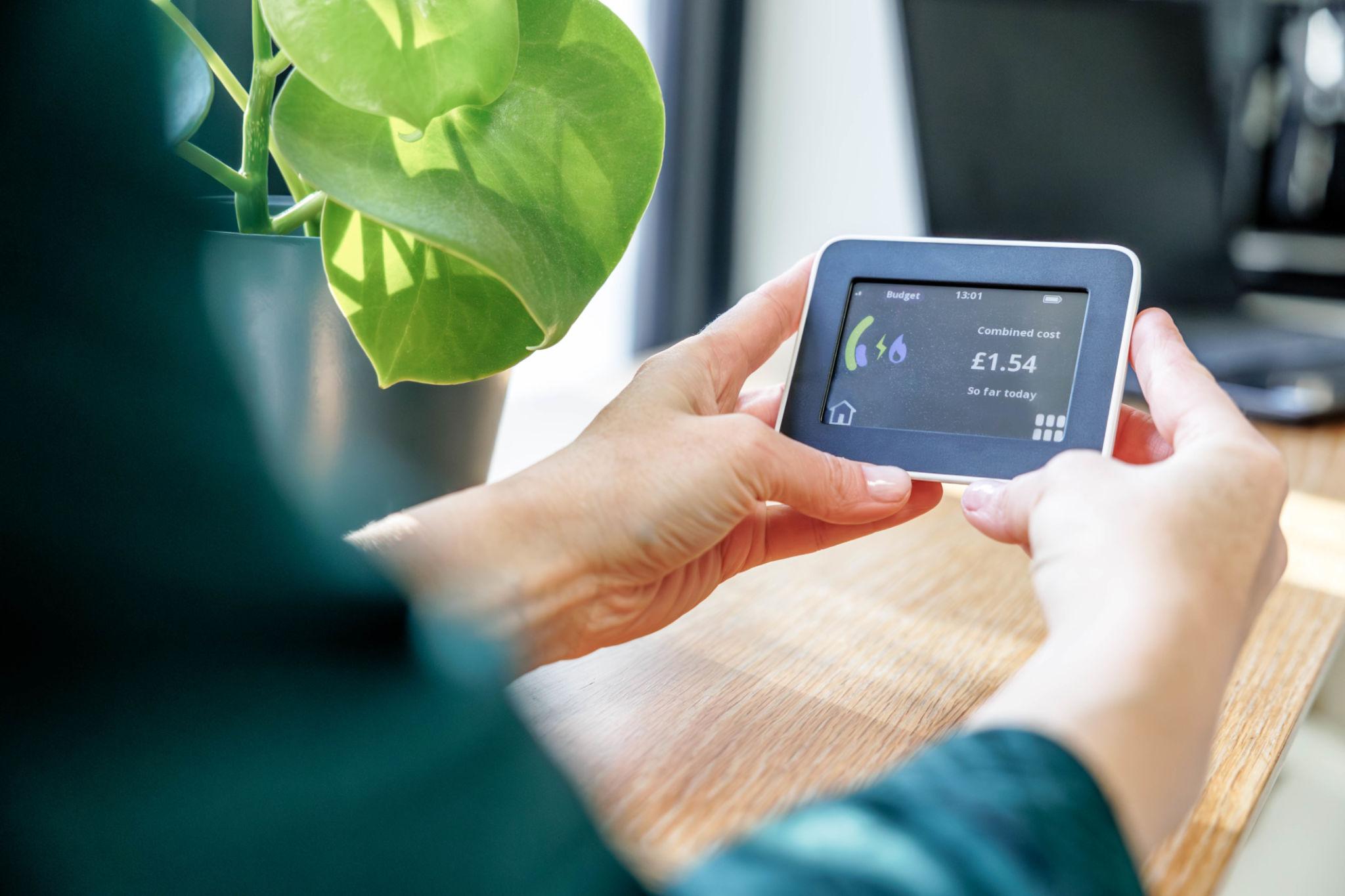
Smart meters allow households to identify peak usage periods, high-consumption appliances and seasonal trends. Awareness alone often reduces waste.

Is The "Average" UK Household Changing?
Yes, rapidly.
Historically gas dominated heating, electricity usage was relatively stable, and homes contained fewer always-on devices.
Modern Britain is shifting towards electrification, EV charging, smart homes, heat pumps, remote work and battery systems. This means household electricity usage is likely to continue increasing over the next decade, even if appliances become more efficient.
The irony is extraordinary. Society spends billions making devices more energy efficient, then immediately fills homes with three times more devices. People treat efficiency gains the same way they treat larger suitcases before holidays. You simply find more things to cram inside.
Final Thoughts
The average UK household uses roughly:
- 2,700 to 3,100 kWh of electricity annually
- 10,000 to 12,500 kWh of gas annually
However, averages are becoming less useful because British homes now vary enormously in technology usage, heating systems, EV ownership, working patterns and property efficiency.
Understanding your own kWh usage is far more valuable than simply comparing bills with neighbours. Two homes paying identical monthly amounts may have completely different energy habits, tariff structures and future risks. One household may be highly efficient but trapped on expensive standing charges, while another could simply be heating the garden through uninsulated walls while charging an SUV overnight. Modern Britain manages to do both simultaneously.
Recommended kit
Type 2 EV Charging Cable 7m 32A
Reliable 7m Mode 3 Type 2 to Type 2 cable for public chargepoints — supports up to 7.4kW single-phase charging.
Shop on Amazon