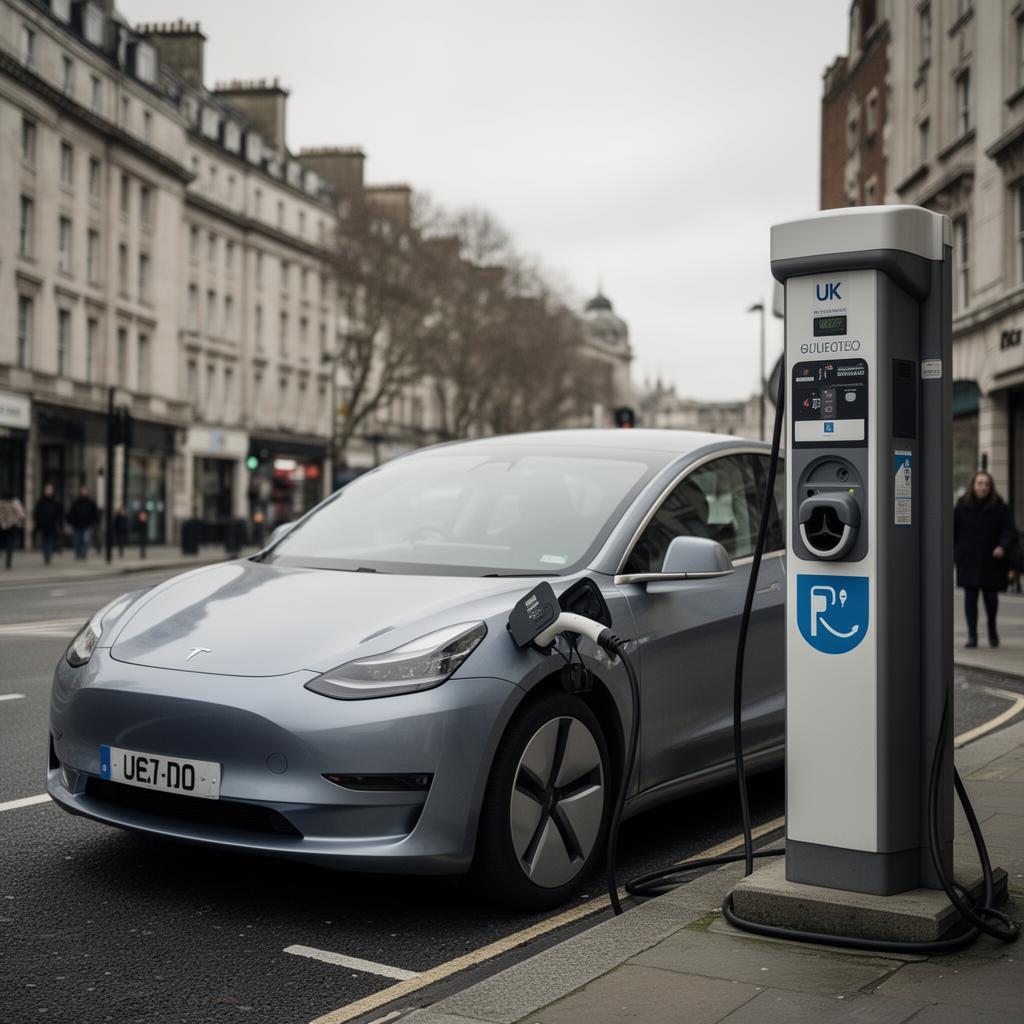
You want the truth, the spin, and enough context to keep the average attention span from wandering off. Fine. Let's dismantle the hype and rebuild something resembling reality.
The big picture: EV growth is real (but not quite the fairytale)
Electric vehicles (EVs) in the UK are not some fringe experiment anymore. They're genuinely growing.
- In 2025, 473,348 electric cars were registered, making up 23.4% of all new car sales
- That's roughly 1 in 4 new cars — not exactly a niche hobby anymore
- Used EV sales jumped 45.7%, showing real market penetration beyond early adopters
Even the sceptics have to admit: this isn't just marketing fluff. Something real is happening.
But… there's always a "but" with anything governments get involved in.
Current Supplier Watch
The narrative problem: targets, pressure, and selective storytelling
The UK government has set aggressive targets:
- 28% EV sales by 2025
- 80% by 2030
- 100% by 2035 (effectively banning new petrol/diesel cars)
Sounds bold. Also sounds slightly… optimistic.
Here's the uncomfortable bit:
- EV growth is strong, but still lagging behind targets
- A large portion of EV sales comes from company fleets, not everyday buyers
That last point matters more than people realise. Fleet buyers are driven by tax incentives and compliance rules. Private buyers? They're still hesitating.
So when headlines scream "record EV sales", they're technically correct. They're just not telling you who is actually buying them.
Cost reality: cheap to run… sometimes
You've probably heard this line: "Electric cars are cheaper to run." That's… selectively true.
Best case (home charging):
- As low as 2–3.5p per kWh overnight
- Roughly £1–£2 per 100 miles
Worst case (public charging):
- Prices have risen 38% since 2021
- Infrastructure costs have exploded, with some sites seeing massive grid charges
So if you have a driveway, EV ownership feels clever. If you don't, you're paying more and queueing. Not exactly the "equal transition" everyone pretends it is.
EV charging cost calculator
Estimate your cost per 100 miles — home vs public charging
Most EVs manage 3–4 miles per kWh.
Off-peak EV tariffs can be as low as 2–8p overnight.
Public rapid chargers typically run 50–80p/kWh.
Estimates only. Actual costs vary with driving style, weather, charger speed and tariff. Excludes any standing or connection fees.
Infrastructure: improving… but still playing catch-up
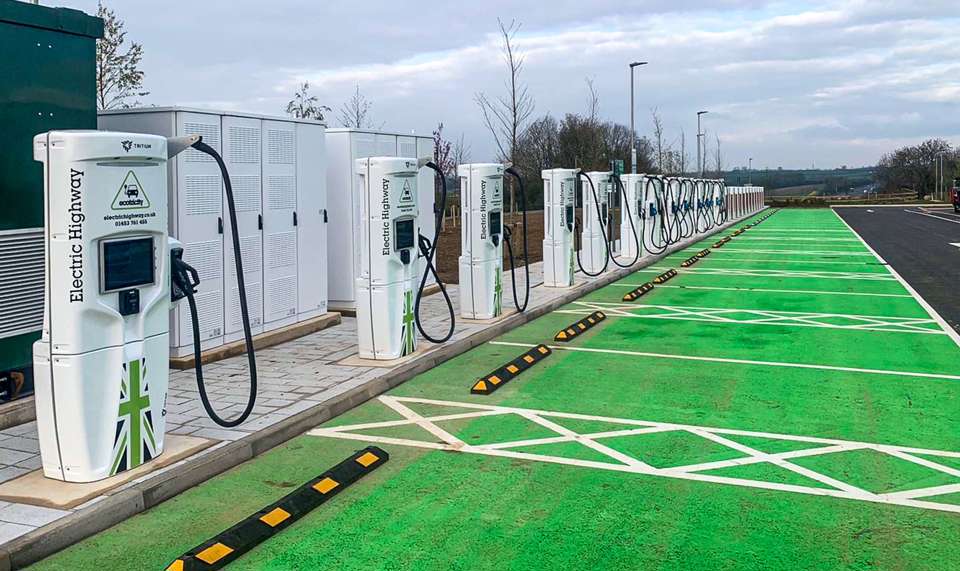
The UK currently has:
- Around 90,000 public chargers
- But needs ~300,000 by 2030
That's not a small gap. That's a logistical headache.
To be fair, progress is happening — new policies now allow cross-pavement charging for people without driveways, and grants and local authority support are expanding.
Still, there's a clear divide: urban areas (especially London) are well served, while rural and suburban areas are left wanting.
Consumer sentiment: interest rising… but so is doubt
There's a strange split in public opinion.
Positive drivers:
- Rising fuel costs pushing people toward EVs
- Better availability in the used market
- Improved range and performance
Ongoing concerns:
- Upfront cost
- Charging inconvenience
- Long-term battery anxiety
Even experts admit adoption depends heavily on confidence in infrastructure and policy stability. Translation: people will buy EVs… once they stop feeling like guinea pigs.
The economics: incentives vs reality
The government is heavily involved:
- Grants up to £3,750 for certain EVs
- Tax incentives for company cars
- Policy pressure on manufacturers
But here's the catch: incentives are "unlikely to deliver mass-market adoption" on their own. Why? Because EVs are still expensive upfront, many incentives benefit business users more than households, and the transition relies on forcing the market rather than organic demand.
That's where the "managed narrative" argument starts creeping in.
Expert views: optimism… with caveats
Some industry voices are bullish — EV demand is being driven by real cost savings and consumer behaviour shifts, and the UK is one of Europe's largest EV markets.
Others are more cautious — infrastructure costs risk pushing prices higher, and policy uncertainty could stall investment entirely.
In other words: the future is electric, but the path to get there is messy.
So… brilliant future or carefully managed narrative?
Both. Obviously.
The "brilliant future" side: rapid growth, falling running costs (for some), strong policy backing, environmental necessity.
The "managed narrative" side: targets driving headlines more than reality, heavy reliance on incentives and fleet buyers, infrastructure still behind, costs not equally distributed.
Final thought (brace yourself for mild cynicism)
Electric cars in the UK are not a scam, and they're not a miracle either. They're a transition technology being pushed faster than the real world comfortably allows.
The government wants a green success story. Manufacturers want to sell cars. Consumers just want something that works without hassle. Right now, those three things only occasionally overlap.
Sources and further reading
- UK EV registrations and charging infrastructure (Carwow)
- Electric car statistics UK 2026 (Heycar)
- UK EV used car market growth data
- UK Parliament evidence on EV incentives
- EV demand slowdown analysis (Auto Express)
- UK EV charging cost and infrastructure issues (TechRadar)
- Fuel prices driving EV demand (The Times)
- UK EV infrastructure and policy outlook (ChargeUK / The Times)
If you were hoping for a simple answer like "EVs are amazing" or "EVs are a con", that would be convenient. Reality refuses to cooperate, as usual.
Recommended kit
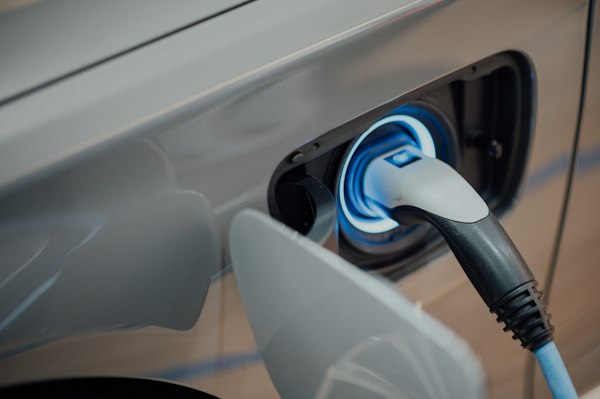
Type 2 EV Charging Cable 7m 32A
Reliable 7m Mode 3 Type 2 to Type 2 cable for public chargepoints — supports up to 7.4kW single-phase charging.
Shop on Amazon