Boiler Running Costs
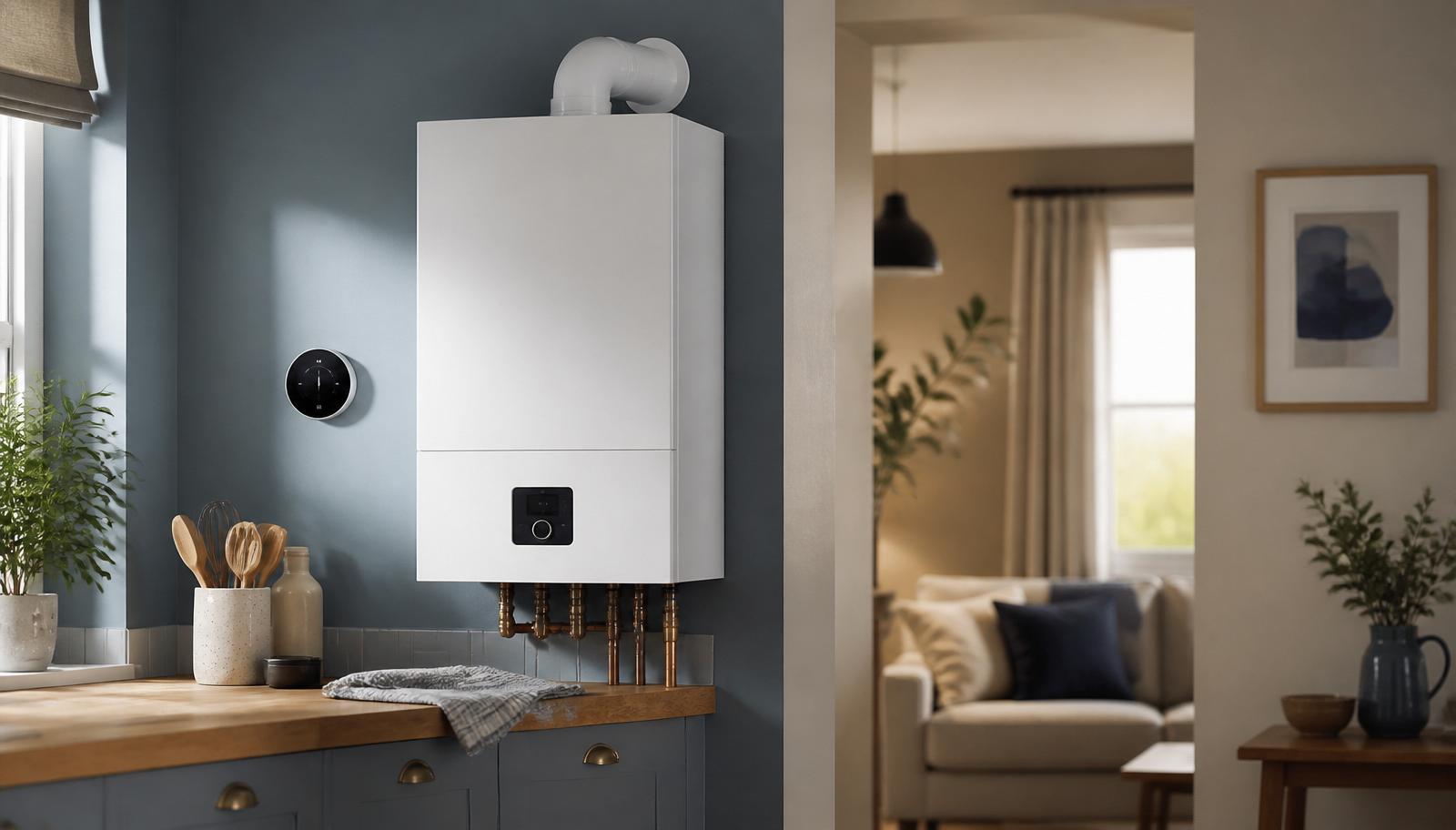
Boilers account for the largest share of household energy use in most UK homes. What yours costs to run depends on the boiler type, its efficiency, your home's insulation, your heating controls and the energy prices you pay. Understanding these costs is the first step to cutting your bills without sacrificing comfort.
For most households, heating and hot water are by far the biggest lines on the energy bill — often more than everything else combined. A gas boiler in a typical three-bedroom UK home costs roughly £790–£1,020 a year to run, but that headline hides a huge range: an efficient, well-insulated home can pay far less, while a draughty house with an ageing boiler pays far more.
This guide explains what drives those costs, shows typical figures by home size, and gives you a practical set of actions to bring your bills down. When you're ready to put numbers to your own home, use our Energy Bill Calculator or the Appliance Running Cost Calculator.
What Affects Boiler Running Costs?
No two homes cost the same to heat. These are the factors that make the biggest difference to what you pay each year:
Boiler efficiency rating
High impactA modern A-rated condensing boiler runs at 90%+ efficiency, turning almost all the gas it burns into heat. An old non-condensing boiler can waste 20–30% of the gas it uses, quietly inflating every bill.
Boiler age
High impactEfficiency drifts down as boilers age, seals wear and components degrade. A 15-year-old boiler will typically cost noticeably more to run than a like-for-like new one, even before breakdown risk.
Home size
High impactMore rooms and larger volumes of air need more heat. A four-bedroom detached house can use two to three times the gas of a small flat for the same comfort level.
Insulation levels
High impactLoft, cavity wall and floor insulation slow the rate your home loses heat. Poor insulation means the boiler fires more often and for longer, so heat literally leaks out through the walls and roof.
Thermostat settings
Medium impactEvery degree on the room thermostat changes demand. Turning the thermostat down by just 1°C typically trims heating costs by around £80–£150 a year for a mid-sized home.
Outside temperature
Medium impactThe colder it is outside, the harder the boiler works to hold your target temperature. This is why costs spike in December–February and drop to near zero in summer.
Number of occupants
Medium impactMore people means more hot water for showers, baths and washing up, plus more hours where rooms need heating. Occupancy patterns drive a big share of hot-water demand.
Hot water demand
Medium impactFrequent baths, power showers and running the tap hot all add gas usage on top of space heating. Hot water can account for a large chunk of a combi boiler's yearly gas use.
Heating schedule
Medium impactHeating only when you need it — rather than around the clock — reduces total run time. Good timer and thermostat control is one of the cheapest ways to cut costs.
Energy tariff
High impactThe unit rate you pay per kWh of gas, plus the daily standing charge, directly set the cost of every hour the boiler runs. The same usage can cost quite different amounts on different tariffs.
Typical UK Boiler Running Costs
The table below shows illustrative annual and monthly gas heating costs by home size, based on typical usage and recent UK gas prices. "Peak month" shows how much a cold winter month can cost.
| Home type | Annual gas use | Annual cost | Avg / month | Peak month |
|---|---|---|---|---|
| Small flat (1 bed) | ~5,000–7,000 kWh | £350–£520 | £29–£43 | £60–£90 |
| Two-bedroom house | ~8,000–11,000 kWh | £560–£800 | £47–£67 | £90–£140 |
| Three-bedroom semi-detached | ~11,000–14,000 kWh | £790–£1,020 | £66–£85 | £130–£190 |
| Four-bedroom detached | ~15,000–20,000 kWh | £1,050–£1,450 | £88–£121 | £180–£280 |
Note: actual costs vary considerably with your usage, insulation, boiler efficiency and regional energy prices. Use the Energy Bill Calculator for a figure based on your own home.
Gas Boiler vs Electric Heating
On the mains gas network, a gas boiler is usually the cheapest way to heat a whole home because gas costs roughly a quarter of the price of electricity per unit. Here's how the two compare:
| Factor | Gas boiler | Electric heating |
|---|---|---|
| Running cost per kWh | Cheaper fuel — gas is roughly a quarter of the price of electricity per unit. | More expensive per unit, but panel and storage heaters are ~100% efficient at point of use. |
| Typical annual heating cost | Usually the cheapest way to heat a whole home on mains gas. | Often higher for whole-home heating, unless paired with Economy 7 or a heat pump. |
| Installation cost | New combi boiler typically £1,800–£3,500 fitted. | Electric heaters are cheap to fit; wet electric or heat pump systems cost more. |
| Efficiency | Modern condensing boilers 90%+; older units far less. | Direct electric ~100% at point of use; heat pumps deliver 300%+ via a COP of ~3. |
| Maintenance | Annual gas safety service recommended (~£70–£120). | Direct electric heaters need little servicing; heat pumps need periodic checks. |
| Carbon emissions | Burns fossil gas on site, producing CO₂. | Lower and falling as the grid decarbonises; near-zero with renewables. |
| Best suited for | Homes on the mains gas network wanting the lowest running cost today. | Off-grid homes, flats, secondary heating, or homes moving to heat pumps. |
Thinking about low-carbon heating? Compare a heat pump against your boiler with the Heat Pump Running Cost Calculator.
Boiler Efficiency Explained
Efficiency is the share of the gas your boiler burns that actually becomes useful heat. The higher it is, the less gas you buy for the same warmth. This is why an old boiler can quietly cost hundreds of pounds more a year than a modern one.
Older non-condensing boilers
~70–80%Pre-2005 designs that let hot flue gases escape without recovering their heat. They waste a fifth or more of the gas they burn, making them the most expensive type to run.
Condensing boilers
~90%+The standard since 2005. They recover heat from flue gases before it escapes, so far more of the gas becomes useful heat. All modern gas boilers are condensing.
Combi boilers
~90–94%Heat water on demand with no separate tank, saving space and standing heat losses. Ideal for smaller homes with one bathroom and lower simultaneous hot-water demand.
System boilers
~90–93%Work with a hot-water cylinder to serve homes with several bathrooms. Slightly higher standing losses from the stored water, but better for high simultaneous demand.
Regular (heat-only) boilers
~89–92%Traditional setups with a cylinder and a cold-water tank, common in older properties. Reliable for large homes but the stored water adds some heat loss.
Not sure which meter or tariff you're on? Learn how to read your energy bill to find your gas usage and unit rate.
How Much Gas Does a Boiler Use?
Measured in kWh. Gas usage is billed in kilowatt-hours. A typical UK home uses around 8,000–14,000 kWh of gas a year for heating and hot water combined, rising to 15,000–20,000 kWh for a large detached house.
Typical hourly usage. A combi boiler is usually rated at 24–35 kW, but it rarely runs flat out — it fires in bursts, so real-world hourly usage is much lower than the headline output suggests.
Heating vs hot water. Space heating dominates in winter, while hot water is a steadier year-round demand. Hot water alone can account for a significant share of annual gas use, especially in busy households.
Seasonal differences. Usage is heavily weighted to December–February and close to zero in summer, which is why bills swing so much across the year.
Why thermostat settings matter. Every degree on the room thermostat changes how often the boiler fires. Turning it down by just 1°C typically saves around £80–£150 a year.
Ways to Reduce Boiler Running Costs
You don't have to be cold to cut your heating bills. These practical actions range from free five-minute jobs to bigger investments that pay back over time.
Lower your boiler flow temperature
EasySetting the radiator (flow) temperature to around 55–60°C lets a condensing boiler run in its most efficient mode. Rooms still reach temperature — they just warm up a little more gently.
- Benefit
- More efficient condensing, lower gas use
- Est. savings
- £60–£120 / year
- Best for
- Any combi boiler home
Bleed your radiators
EasyTrapped air stops radiators heating fully, so the boiler runs longer to compensate. Bleeding them restores full output and shortens run times.
- Benefit
- Radiators heat evenly and faster
- Est. savings
- £20–£50 / year
- Best for
- Rads cold at the top
Service your boiler annually
ProfessionalA yearly service by a Gas Safe engineer keeps the boiler burning cleanly and catches small faults before they waste gas or cause a breakdown.
- Benefit
- Keeps efficiency and safety high
- Est. savings
- £30–£80 / year
- Best for
- Every gas boiler
Fit a smart thermostat
ModerateSmart thermostats learn your routine, avoid heating an empty home and let you control heating from your phone — trimming waste without sacrificing comfort.
- Benefit
- Heats only when and where needed
- Est. savings
- £80–£150 / year
- Best for
- Irregular schedules
Install thermostatic radiator valves (TRVs)
ModerateTRVs let you turn down radiators in rooms you rarely use, so you stop paying to heat empty space while keeping living areas cosy.
- Benefit
- Room-by-room temperature control
- Est. savings
- £40–£90 / year
- Best for
- Homes with spare rooms
Optimise your heating schedule
EasySet the timer so heating comes on shortly before you wake and get home, and off when you're out or asleep. Heating an empty house is money burned.
- Benefit
- Less run time, same comfort
- Est. savings
- £50–£120 / year
- Best for
- Out during the day
Top up loft insulation
ModerateAround a quarter of a home's heat can escape through an uninsulated roof. Topping loft insulation up to 270mm is one of the highest-value improvements you can make.
- Benefit
- Cuts heat lost through the roof
- Est. savings
- £150–£300 / year
- Best for
- Homes with < 270mm loft
Cavity wall insulation
ProfessionalWalls are the biggest single route for heat loss in many homes. Filling an empty cavity keeps warmth in and can dramatically cut how hard the boiler works.
- Benefit
- Reduces heat loss through walls
- Est. savings
- £200–£400 / year
- Best for
- Homes with unfilled cavities
Draught-proof doors and windows
EasyCheap strips and brushes around doors, windows and letterboxes stop cold air getting in and warm air escaping, so rooms hold heat for longer.
- Benefit
- Stops warm air leaking out
- Est. savings
- £40–£80 / year
- Best for
- Older, draughty homes
Zone your heating
ProfessionalSplitting the home into heating zones (e.g. upstairs and downstairs) means you never heat the whole house when only part of it is occupied.
- Benefit
- Heat only the areas in use
- Est. savings
- £60–£130 / year
- Best for
- Larger homes
Want more room-by-room ideas? See our full Energy Saving Tips and the best energy-saving devices.
Should You Replace an Old Boiler?
Signs replacement may be worthwhile
- Your boiler is 12–15+ years old and no longer A-rated for efficiency.
- Repairs are becoming frequent, or a single repair costs a large share of a new boiler.
- It's a non-condensing model, so it's wasting 20%+ of the gas it burns.
- Radiators are slow to heat or the boiler frequently loses pressure or locks out.
- Bills have crept up despite similar usage and the same tariff.
- Parts are becoming hard to source for an older or discontinued model.
Repair vs replace & payback
- A new A-rated condensing boiler can cut heating gas use by up to 20–30% versus an old non-condensing unit.
- Replacement typically costs £1,800–£3,500 fitted, so payback depends on how much you'll save each year.
- For a high-usage home, efficiency savings can pay back the boiler within several years; for a low-usage flat it takes longer.
- Weigh the reliability and warranty of a new boiler against the risk of another expensive repair on an old one.
- Government support such as the Boiler Upgrade Scheme focuses on heat pumps rather than replacement gas boilers — worth checking if you're considering low-carbon heating.
Boiler Running Cost Calculator
To estimate what your boiler costs to run, start with your home's total energy use in our Energy Bill Calculator, then cost individual electric heaters and appliances with the Appliance Running Cost Calculator. Together they give you a clear picture of your heating spend and where to trim it.
Related PowerGuardian Tools
Put real numbers to your heating costs.
Energy Bill Calculator
Turn your home's usage into an accurate annual heating cost.
Estimate my costsAppliance Running Cost Calculator
Cost electric heaters and other appliances per hour.
Open calculatorHome Energy Efficiency Score
Score your home and target the biggest heat loss.
Score my homeStanding Charge Calculator
See how daily charges add to your gas bill.
Open calculatorShould I Switch Supplier?
Check if a cheaper tariff could lower your heating bills.
Check nowRelated Home Heating Guides
Keep exploring the Home Heating Hub.
Home Heating Hub
Every home heating guide and tool in one place.
Open hubHeat Pump Running Costs
Compare a heat pump against your gas boiler.
Compare costsBest Energy-Saving Devices
Smart thermostats and gadgets that cut heating bills.
See devicesEnergy Saving Tips
Room-by-room ways to cut your energy use.
Read tipsEconomy 7 Explained
When off-peak overnight rates make heating cheaper.
Read guideHow to Read Your Energy Bill
Decode the gas usage and charges on your bill.
Read guideUseful external sources
- Ofgem — energy price cap — The regulator's guide to the unit rates and standing charges behind your bill.
- Energy Saving Trust — home heating — Independent advice on cutting heating costs and improving efficiency.
- GOV.UK — Boiler Upgrade Scheme — Grants towards low-carbon heating such as heat pumps in England and Wales.
Explore the Knowledge Centre
Find related calculators, guides and reports in our Home Heating hub — part of the PowerGuardian Knowledge Centre.
Frequently Asked Questions
See your personalised recommendations in My PowerGuardian
Save your heating type to your personalised energy hub for tailored savings, supplier picks and the guides most useful for your home.
Explore this topic
Home heating and efficiency
This page belongs to our UK home heating costs and energy-efficiency guide, which compares heating systems on the same heat demand and fuel assumptions.
Related guides
- Electric heating costsPanel, oil-filled, fan and storage heating compared.
PowerGuardian research
- Heat Pump Report 2026PowerGuardian research on heat pump running costs.
Continue Saving Money
Free calculators picked for this topic.
Heat Pump Running Cost Calculator
What an air source heat pump costs to run against your current gas or electric heating.
Open CalculatorHome Energy Efficiency Score
Score your home's efficiency and see which improvements cut the most off your bills.
Open CalculatorUK Smart Meter Savings
Estimate your potential smart meter savings range from your habits.
Open CalculatorCompare Energy Suppliers
Independent PowerGuardian scores out of 100 for relevant suppliers, as at 28 September 2026.
Octopus Energy
92/100Octopus continues to lead the UK market on customer service and complaint handling, backed by genuinely competitive smart tariffs and strong financial backing. The clear front-runner on our intelligence dashboard.
Compare SupplierEDF Energy
74/100EDF is a steady, financially robust supplier with mid-table service and fair fixed-tariff renewals. Few surprises in either direction.
Compare SupplierBritish Gas
55/100The UK's largest supplier remains financially rock-solid but service and complaint metrics continue to lag the market, with smart-meter billing delays a recurring theme.
Compare SupplierFrequently Asked Questions
Quick answers to the questions people ask most about this topic.
Free PowerGuardian Report
Heat Pump Report 2026
A practical guide to UK heat pumps in 2026 — costs, savings, installation and whether switching from a gas boiler makes financial sense.
Save This Advice
Create your free personalised dashboard to keep track of useful guides, calculators and savings opportunities.