What does your appliance cost to run?
Wondering what your tumble dryer costs? Choose your appliance and we’ll help you estimate it.
You can change any of the details. A preset is a starting estimate, not a measurement of your appliance.
Figures reviewed June 2026 and updated monthly where appropriate. All results are estimates.
Choosing a preset fills in a typical wattage — you can edit it below.
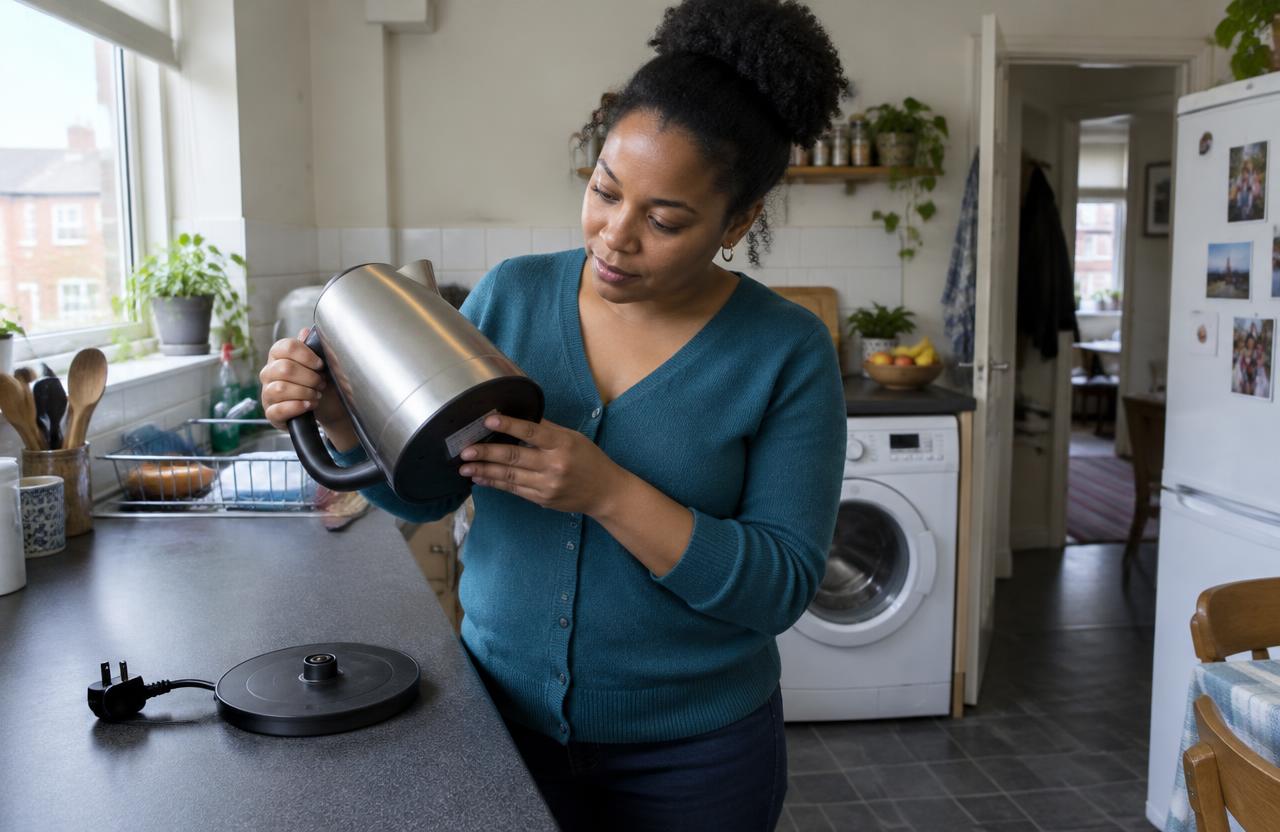
Watts (W). Look on the appliance label or in its manual; the preset is only a typical estimate.
Half an hour is 0.5; an hour and a half is 1.5. Use a usual day, up to 24 hours.
Look for “electricity unit rate” on your bill. Enter pence per kWh, not pounds.
Enter the unit rate in pence per kWh (for example 24.5), not pounds. This tool provides an estimate, not a guaranteed bill amount.
Your estimate will appear here once those details are filled in. If you’re unsure of the wattage, start with an appliance preset.
How we work it out and why costs vary
How the Appliance Running Cost Calculator Works
The calculator uses an appliance's wattage, how many hours you use it each day and your electricity unit rate to estimate running costs. It converts wattage into kWh used per day, multiplies that by your unit rate in pence, and then converts the result into pounds for daily, monthly and annual figures.
How Much Does a Tumble Dryer Cost to Run?
Tumble dryers are usually among the more expensive household appliances to run because they combine a high wattage with longer running times. A single drying cycle can use a meaningful amount of energy, so costs add up quickly if you dry several loads each week.
How Much Does an Air Fryer Cost to Run?
Air fryers often use less energy than a full-sized oven when cooking smaller meals, because they heat a smaller space and tend to cook faster. The actual cost still depends on the appliance's wattage and how long you cook for, so larger portions and longer cooking times will cost more.
How Much Does an Electric Heater Cost to Run?
Electric heaters can be costly to run because many use around 1,000W to 2,500W and are often left on for long periods. The higher the wattage and the longer it runs, the more it costs, so heating a room for several hours a day can have a noticeable impact on your bill.
Why Appliance Running Costs Vary
Running costs vary because of an appliance's wattage, how long it's used, your tariff's unit rate, the appliance's efficiency rating, the age and condition of the appliance, and everyday household habits. Two homes with the same appliance can pay very different amounts depending on these factors.