The Electric Divide: Unpacking EV vs. Petrol Running Costs in the UK for 2026
The rumble of change in the UK automotive landscape is undeniable. With ambitious net-zero targets and a looming 2035 ban on new petrol and diesel car sales, electric vehicles (EVs) are no longer a niche choice but a mainstream consideration for millions of Britons. For many, however, the perceived cost of ownership remains a significant hurdle. Here at Power Guardian UK, we've delved deep into the numbers for 2026, comparing the true running costs of EVs against their internal combustion engine (ICE) counterparts, and the results are stark. The headline figure is compelling: an EV charging on an optimised off-peak tariff can cost as little as 2p per mile, a fraction of the 16p per mile for a petrol car. But let's unpick the layers to understand the full picture.
Recommended Backup Power Station
Portable backup power for home working, emergency charging and energy resilience during outages.
View on Amazon UKThe Core Calculation: Fuel vs. Electricity per Mile
Our analysis for 2026, building on current trends and anticipated market conditions, clearly demonstrates the significant cost advantage of charging an EV, especially at home.
| Vehicle Type | Energy/Fuel Source | Unit Cost (Anticipated 2026) | Efficiency Assumption | Cost Per Mile (Pence) | Notes |
|---|---|---|---|---|---|
| EV (Optimised Home Charging) | Electricity (Off-peak, e.g., Octopus Go) | 7p/kWh | 4 miles/kWh | 1.75p | Assumes dedicated EV tariff with cheap overnight rates. |
| EV (Standard Home Charging) | Electricity (Standard tariff) | 24p/kWh | 4 miles/kWh | 6p | Aligned with anticipated Ofgem price cap levels. |
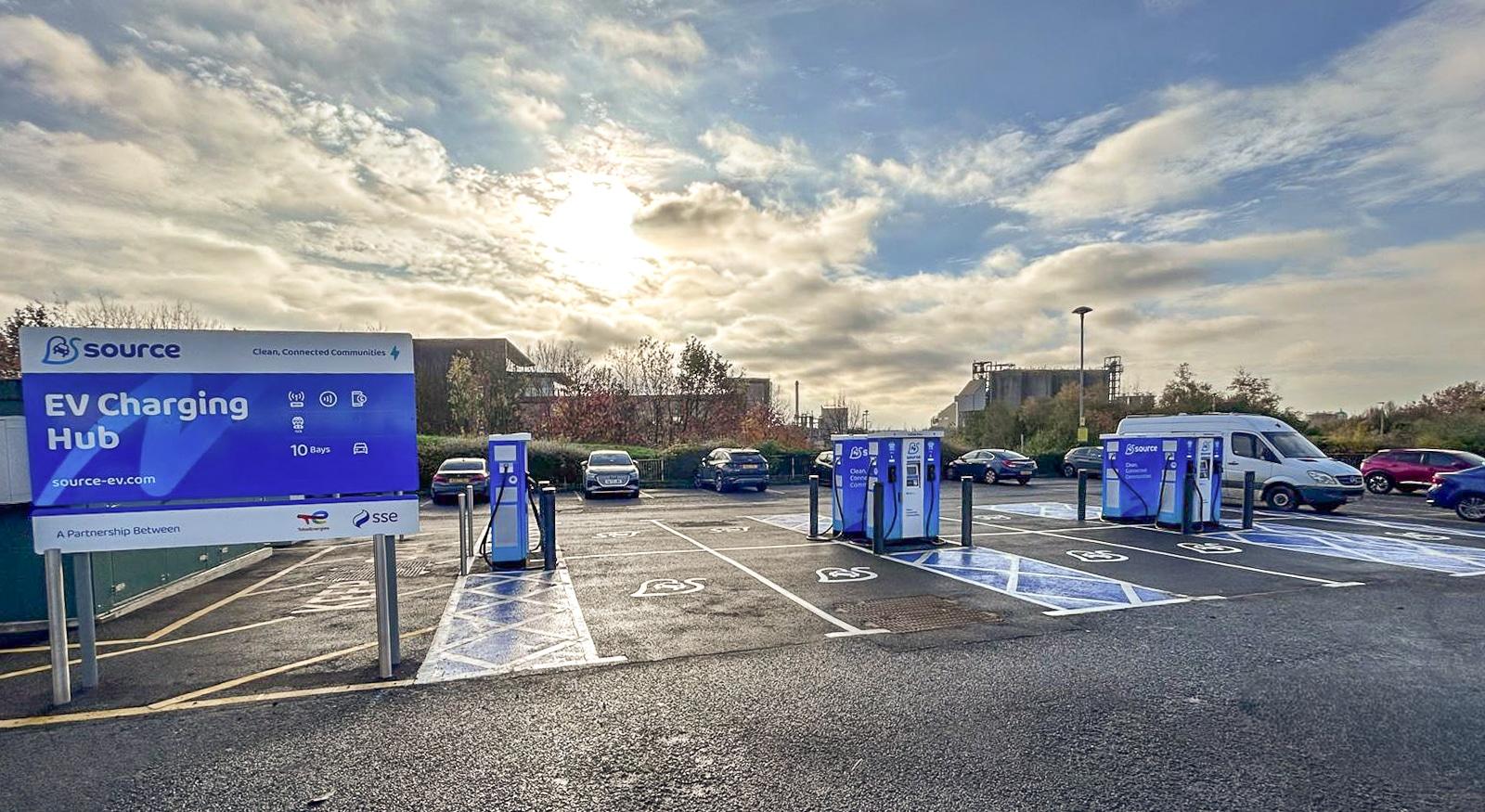
| EV (Public Rapid Charger) | Electricity (Public network) | 75p/kWh | 4 miles/kWh | 18.75p | Reflects premium for speed and convenience; often variable. |
| Petrol Car | Unleaded Petrol | £1.40/litre | 45 miles/gallon (10.9 miles/litre) | 12.84p | Assumes average UK petrol price and combined urban/motorway driving. |
| Diesel Car | Diesel | £1.45/litre | 55 miles/gallon (13.2 miles/litre) | 11.00p | Assumes average UK diesel price and combined urban/motorway driving. |
← Swipe to see more →
Disclaimer: These figures are projections for 2026 and are subject to market fluctuations, Ofgem price cap adjustments, and individual driving styles/vehicle models.
Let's break down the assumptions:
- EV Efficiency (4 miles/kWh): This is a realistic average for many popular EV models (e.g., Tesla Model 3, Hyundai IONIQ 5, VW ID.3) under mixed driving conditions. Factors like extreme weather, aggressive driving, and heavy loads can decrease efficiency. Some smaller, more aerodynamic EVs might achieve 5-6 miles/kWh, further lowering costs.
- Ofgem Price Cap & Tariffs:
- 7p/kWh (Off-peak): This reflects the highly competitive rates offered by dedicated EV tariffs like Octopus Go, Intelligent Octopus Go, and British Gas's Peak & Off-Peak tariffs. These tariffs typically offer significantly cheaper electricity for a few hours overnight (e.g., 12:30 am to 4:30 am), ideal for home charging. While the main unit rate for these tariffs might be higher outside of these hours, intelligent charging systems ensure most EV charging happens during the low-cost window. In 2024, some of these tariffs offer rates as low as 7.5p/kWh, so 7p/kWh for 2026, assuming continued innovation and competition, is a reasonable projection.
- 24p/kWh (Standard Tariff): This is an estimated unit rate reflecting the Ofgem price cap for a typical variable tariff in 2026. While the price cap fluctuates quarterly, this figure represents a medium-term average that consumers without a specific EV tariff might pay. It's crucial to note that regional variations exist; for instance, customers in the North West or London might pay slightly more or less than those in Yorkshire or Scotland due to differing distribution network charges.
- 75p/kWh (Public Rapid): This is a conservative average for rapid DC charging networks (e.g., GRIDSERVE, Instavolt, Osprey, IONITY) that can charge an EV from 10% to 80% in 20-40 minutes. These services command a premium for speed and the extensive infrastructure required. Costs can vary from 60p/kWh to over £1/kWh depending on the network, speed, and time of day.
- Fuel Prices:
- £1.40/litre for Petrol, £1.45/litre for Diesel: These figures are based on long-term trends and current market forecasts, factoring in potential geopolitical instability and global oil demand. UK fuel prices are subject to significant taxes (fuel duty and VAT), which largely dictate the pump price.
- ICE Efficiency:
- 45 mpg (Petrol): Represents a fairly efficient modern petrol car, often achieved in a mix of driving conditions. Smaller city cars or hybrid models might do better, while larger SUVs or older vehicles will do worse.
- 55 mpg (Diesel): Reflects the generally superior fuel economy of diesel engines, particularly on longer motorway journeys. However, sales of new diesel vehicles are plummeting due to environmental concerns and impending bans.
The Long-Term View: 5-Year Ownership Costs (10,000 miles/year)
Extending our per-mile analysis to a typical five-year ownership period, assuming an average annual mileage of 10,000 miles (a common figure for UK drivers), reveals a dramatic financial disparity.
| Scenario | Total Fuel/Energy Cost (5 Years) | Savings vs. Petrol (5 Years) |
|---|---|---|
| EV (Optimised Home Charging) | £875 | £5,545 |
| EV (Standard Home Charging) | £3,000 | £3,420 |
| EV (Mixed Charging - 80% home/20% rapid) | £1,925 | £4,495 |
| Petrol Car | £6,420 | - |
| Diesel Car | £5,500 | - |
← Swipe to see more →
(Note: The 'Mixed Charging' EV scenario assumes 8,000 miles via optimised home charging and 2,000 miles via public rapid charging.)
These are not insignificant sums. The potential savings from optimised EV charging, reaching over £5,500 over five years compared to a petrol car, could comfortably cover other ownership costs like insurance or even contribute significantly to the vehicle's initial purchase price. Even on a standard tariff, an EV still provides substantial savings.
Beyond the Fuel: Other Critical Ownership Costs
While energy/fuel is the most significant variable cost, other factors contribute to the overall financial picture of owning a vehicle in the UK.
#### 1. Servicing & Maintenance
EVs are the clear winner here. With far fewer moving parts (no engine oil changes, spark plugs, fuel filters, timing belts, exhaust systems, etc.), EVs typically require significantly less maintenance.
- EVs: Approximately 40% cheaper. Expect routine checks, cabin filter replacements, tyre rotations, and brake fluid changes. Regenerative braking dramatically reduces wear on friction brakes. A basic EV service might cost £100-£200 annually.
- Petrol/Diesel: More complex and expensive. Regular oil changes, filter replacements, spark plugs, cam belts, clutch replacements, and potential DPF (Diesel Particulate Filter) issues all add up. A typical petrol/diesel service can range from £200-£400 annually, with major services or unforeseen repairs often costing much more.
#### 2. Road Tax (Vehicle Excise Duty - VED)
The playing field is levelling from April 2025.
- Prior to April 2025: EVs registered before this date are exempt from VED, offering a small but consistent saving of £180-£190 annually (based on current standard rates).
- From April 2025: New EVs (registered from April 1, 2025, onwards) will pay the lowest first-year VED rate (£10) and then the standard annual rate (currently £190 for most vehicles). This brings them into line with petrol and diesel cars. Cars costing over £40,000 will also be subject to the 'premium' rate surcharge for years 2-6 of registration (currently £410 on top of the standard rate), regardless of powertrain. This change removes a historic financial incentive for EV adoption, making cost savings even more reliant on cheap charging.
#### 3. Insurance
EVs are generally pricier, but the gap is closing.
- EVs: 5-15% pricier on average. This is due to several factors:
- Higher initial purchase price: EVs often cost more to buy, meaning higher claims values for total write-offs.
- Specialised parts and repair: Advanced battery technology and integrated electronics require specialist tools and trained technicians, potentially increasing repair costs.
- Limited claims data (historically): As EVs become more common, insurers gain more data, which should lead to more competitive pricing over time.
- Performance: Many EVs offer rapid acceleration, sometimes leading to higher-risk profiles.
- Petrol/Diesel: Varies widely. Insurance costs for ICE vehicles depend heavily on model, engine size, driver age, location, and claims history.
Practical Tip: Always get multiple insurance quotes when considering an EV. Some insurers are becoming more EV-friendly, offering specific policies or discounts. Installation of a home charger with smart features can sometimes also be seen favourably by insurers.
Regional Nuances and Practical Guidance for UK Drivers
The UK is not monolithic, and regional factors can subtly influence these costs.
- Electricity Prices: While the Ofgem price cap applies nationally, regional Distribution Network Operators (DNOs) have varying charges, leading to slight differences in unit rates across the country. Check your postcode with energy providers.
- Charging Infrastructure: While urban centres like London, Manchester, and Birmingham have denser public charging networks, rural areas may have fewer options, making home charging a necessity. Scotland has a significant public charging network via ChargePlace Scotland.
- ULEZ/CAZ: Drivers of older petrol or diesel vehicles face charges in London's ULEZ, Birmingham's Clean Air Zone, and similar zones emerging in cities like Sheffield, Newcastle, and Glasgow. EVs are exempt from these charges, providing significant daily savings for commuters in these areas. For example, the London ULEZ charge is £12.50 per day.
#### Step-by-Step Guide to Maximising EV Savings:
- Assess Your Driving Habits: Do you predominantly drive locally or undertake long motorway journeys? How often can you reliably charge at home?
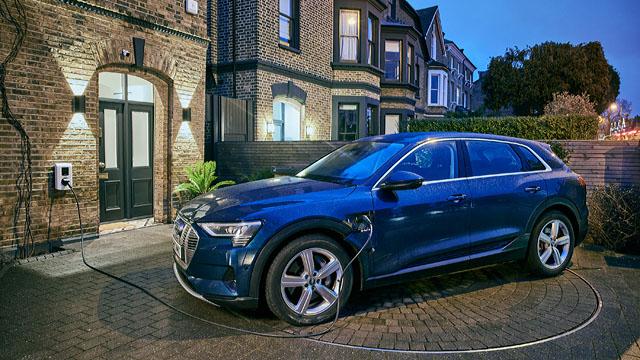
- Install a Home Charger: This is generally non-negotiable for significant savings. The government's EV chargepoint grant for flats and rental properties can provide up to £350 towards installation. For homeowners, consider a smart charger that can schedule charging for off-peak hours.
- Switch to an EV Tariff: This is the single biggest factor in reducing your per-mile cost. Research providers like Octopus Energy, British Gas, EDF, and E.ON for their dedicated EV tariffs.
- Understand Public Charging:
- Drive Efficiently: Smooth acceleration, anticipating braking (to maximise regenerative braking), maintaining correct tyre pressures, and avoiding excessive speeds will all improve your EV's range and efficiency.
### FAQ: Your EV Cost Questions Answered
#### Q1: Are these figures for new or used cars? A1: These running cost calculations apply to both new and used EVs, as they focus on the operational expenses (fuel/electricity, servicing). The initial purchase price is a separate consideration, and the used EV market is growing rapidly, offering more affordable entry points.
#### Q2: What about the cost of installing a home charging point? A2: A standard 7kW home charger typically costs between £800 and £1,200 to supply and install. For homeowners, there are currently no government grants available. However, if you rent a flat or live in a rented property, or own a flat, you may be eligible for the OZEV EV chargepoint grant, which provides up to £350 towards the cost.
#### Q3: Does charging an EV impact my home electricity bill significantly? A3: Yes, it will increase your overall electricity consumption. However, by using a dedicated EV tariff with off-peak rates, the marginal cost for charging the car can be very low. For example, if you drive 10,000 miles a year at 4 miles/kWh and 7p/kWh, your annual charging cost would be just £175. This is far less than an equivalent petrol bill.
#### Q4: How long does it take to charge an EV at home? A4: A 7kW home charger will typically add about 25-30 miles of range per hour. For a complete charge (e.g., from 10% to 80% on a 60kWh battery), it could take 6-8 hours, making overnight charging ideal. Slower 3kW charging (from a standard 3-pin plug) is much slower, adding only 8-10 miles per hour, and generally not recommended for primary charging.
#### Q5: Will public charging costs come down in the future? A5: While it's difficult to predict definitively, several factors suggest downward pressure on public charging costs. Increased competition among network providers, greater scale, and potential government intervention or incentives could lead to more affordable public charging options. However, the premium for rapid charging convenience is likely to remain.
#### Q6: What's the main takeaway for someone considering an EV in 2026? A6: The financial benefits of an EV, primarily driven by significantly lower "fuel" costs when utilising home charging and specialist tariffs, are substantial. While the levelling of road tax removes one small incentive, the operational savings remain compelling. Coupled with environmental benefits and the improved driving experience, an EV in 2026 makes strong financial and practical sense for most UK drivers, provided they can regularly charge at home.
Conclusion
The data for 2026 paints a clear picture: electric vehicles, particularly when charged smartly at home, offer a compelling financial advantage over petrol and diesel cars in the UK. The headline figure of a 2p per mile cost for an EV versus 16p for petrol is not mere hyperbole; it's a reflection of the profound shift in energy economics. While initial purchase prices and insurance premiums for EVs are still factors to consider, the dramatic savings on fuel, coupled with lower servicing costs, make the long-term running costs significantly cheaper.
As a senior energy journalist examining these trends, it's evident that for UK motorists capable of installing a home charging point and switching to a dedicated EV tariff, the transition to electric is not just environmentally responsible but financially astute. The journey to mass EV adoption is accelerating, and shrewd drivers will be those who harness the energy savings available today and into 2026.
How much does it cost to charge an electric car per mile in the UK in 2026?
An EV on an optimised off-peak home tariff could cost as little as 1.75p per mile. A standard home charging tariff would be around 6p per mile, while public rapid chargers are estimated at 18.75p per mile.
How does the cost per mile of an EV compare to a petrol car in 2026?
An EV charging at home on an off-peak tariff costs approximately 1.75p per mile. In contrast, a petrol car is projected to cost 12.84p per mile, making petrol significantly more expensive.
Are the electricity and fuel prices for 2026 in the article guaranteed?
No, these figures are projections for 2026 based on current trends and anticipated market conditions. They are subject to market fluctuations, Ofgem price cap adjustments, and individual driving styles.
What is an "optimised home charging" tariff and how does it save money?
An optimised home charging tariff, like Octopus Go, offers significantly cheaper electricity rates for a few hours overnight (around 7p/kWh). EVs charged during these off-peak times greatly reduce running costs compared to standard tariffs.
What are the estimated 5-year fuel/energy cost savings for an EV compared to a petrol car?
Over five years and 50,000 miles, an EV using optimised home charging could save approximately £5,545 compared to a petrol car. Even standard home charging offers savings of around £3,420.
Current Supplier Watch
Recommended kit
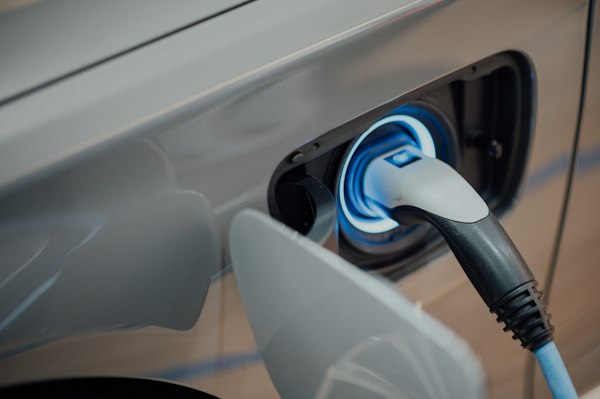
Type 2 EV Charging Cable 7m 32A
Reliable 7m Mode 3 Type 2 to Type 2 cable for public chargepoints — supports up to 7.4kW single-phase charging.
Shop on Amazon