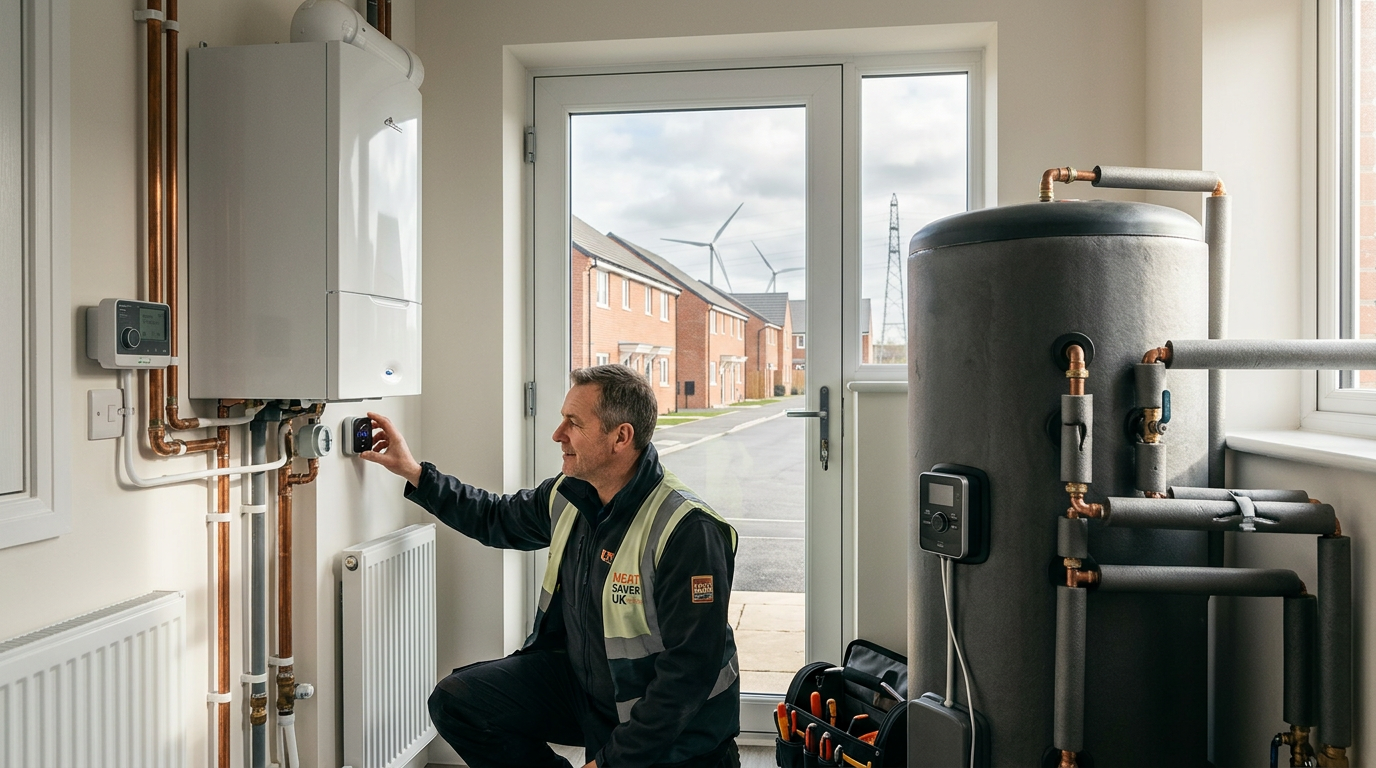
The Basics: A Deeper Dive into Heating Architectures
Navigating the world of home heating can feel like a labyrinth, especially with evolving regulations and technologies. At its core, the choice between a combi boiler and a hot water cylinder depends on how you generate and store your domestic hot water (DHW).
- Combi Boiler (Combination Boiler): This ingenious device heats water instantly as it's needed, directly from the mains supply. It's a single unit that performs both central heating and hot water functions, negating the need for a separate hot water storage tank or a cold water storage tank in the loft. Think of it as a super-efficient kettle connected to your tap. The moment you turn on a hot tap, cold water flows into the combi, is rapidly heated by a gas burner (or electric element), and delivered immediately.
- Cylinder (System Boiler or Regular/Conventional Boiler with Hot Water Cylinder): This setup involves a hot water cylinder – an insulated tank – which stores a volume of hot water, heated either directly by an immersion heater or indirectly by a separate boiler (a 'system' or 'regular' boiler) or a renewable heat source like an air source heat pump (ASHP) or solar thermal panels.
- System boiler: Similar to a combi in that many of its components (like the pump and expansion vessel) are built-in, but it specifically works in conjunction with a hot water cylinder. It provides heat for both central heating and heats the water in the cylinder.
- Regular/Conventional boiler: This is the traditional setup, requiring both a hot water cylinder and often a cold water storage tank in the loft, along with separate pumps and expansion vessels. While still common, system boilers are now generally preferred for their more integrated design.
Current Supplier Watch
2026 Running Costs: A Detailed UK Perspective (Typical 3-Bedroom Home)
Understanding running costs in 2026 requires factoring in the current energy landscape, primarily dominated by the Ofgem price cap and the prevailing unit rates. As of [Insert Latest Ofgem Price Cap Date, e.g., April 2024 – June 2024, if available – otherwise state "recent Ofgem Price Cap period"], the typical unit rates for electricity in Great Britain are around 24.5p/kWh and for gas are about 6.04p/kWh, with daily standing charges for electricity at roughly 60p and for gas at 31p. These figures are crucial for our calculations. All costs below include assumed gas usage for heating and hot water for gas systems, and electricity for heat pumps.
Let's break down the annual energy costs for a typical 3-bedroom, semi-detached home in the UK, consuming approximately 12,000 kWh of gas and 2,900 kWh of electricity annually (average UK figures, though actual consumption varies wildly by insulation, occupancy, and behaviour).
| Setup | Annual Energy Cost (Estimate) | Standing Losses (Calculated) | Key Usage Notes & Implications |
|---|---|---|---|
| Modern A-rated Combi (Gas) | ~£820 (£760 gas, £60 electr.) | Minimal (£5-£15/year) | Optimal for 1-2 bathrooms. Quick, on-demand hot water. No cylinder means less space required. |
| Modern Cylinder + System Boiler (Gas) | ~£890 (£820 gas, £70 electr.) | £40–£70/year | Excellent for homes with multiple bathrooms and higher hot water demand. Gas boiler heats the cylinder. |
| Cylinder + Air Source Heat Pump (ASHP) | ~£640 (£580 electr., £60 gas for backup, or full electr. if hybrid) | £30–£40/year | Significant running cost reduction. Requires a cylinder, often larger radiators, and good insulation. Lower flow temperatures mean cylinders need to be heat-pump-compatible. |
| Cylinder + Solar PV Diverter | ~£580 (£550 electr., £30 gas for backup *) | £30–£40/year | "Free" hot water for much of summer, significantly offsetting electricity use. Requires a hot water cylinder with an immersion heater and solar PV installation. |
← Swipe to see more →
Notes on calculation basis:
- Gas boiler efficiency: 90% (modern condensing boiler). ASHP COP: ~3.0 (seasonal average).
- Standing losses are for cylinder only, assuming good insulation (e.g., a modern unvented cylinder). Older, poorly insulated cylinders can incur losses upwards of £100-£150 annually.
- "Gas for backup" for heat pump/solar diverter scenarios accounts for supplementary heating on very cold days or when solar generation is insufficient, using a small amount of gas or, more likely, additional electricity from the grid for the immersion heater.
Regional Variations: It's important to note that energy prices can vary slightly across Ofgem's 14 electricity regions and Gas Load Areas in the UK due to network charges. However, the differences are usually marginal (a few pounds per month) and do not fundamentally alter the comparative costs or conclusions drawn here. For example, customers in north-west England might see slightly higher electricity standing charges than those in East Midlands, while Scotland generally has higher electricity unit rates. Always check your specific region's unit rates.
When a Combi Boiler Clearly Wins: Practical Scenarios
A combi boiler is often the undisputed champion in specific domestic circumstances due to its efficiency and compact nature:
- Small to Medium-Sized Homes (typically 1-3 bedrooms) with 1-2 Bathrooms: If you have one main bathroom and perhaps an en-suite, a combi can comfortably meet your hot water needs without issue. The flow rate is generally sufficient for one or two showers running simultaneously, depending on the boiler's output. For example, a typical 30kW combi can deliver around 12-14 litres of hot water per minute, which is adequate for most needs.
- Limited Cupboard or Loft Space: In many UK homes, especially terraces or flats, space is at a premium. A combi boiler requires no separate hot water cylinder or cold water tanks, freeing up valuable storage space – often installed in a kitchen cupboard or utility room. This is a significant advantage in urban environments like London or Manchester where property footprints are smaller.
- You Want Low Standby Losses: Because a combi boiler only heats water when you turn on a hot tap, there are virtually no "standing losses" – energy wasted by keeping a tank of water hot when it's not being used. This is a key efficiency benefit.
- Lower Initial Installation Cost: Generally, the overall cost of supplying and installing a new combi boiler is lower than a system or regular boiler plus a hot water cylinder. Expect to pay in the region of £2,200–£3,200 for a standard combi installation, including boiler, labour, and basic flue installation. This compares favourably to the more complex cylinder setups.
Practical Steps for Combi Installation:
- Assess Hot Water Demand: Calculate how many hot water outlets are usually in use simultaneously.
- Check Mains Water Pressure: Combi boilers need good mains pressure and flow rate to perform well. An installer will test this.
- Choose Output Size: A 24-30kW combi is typical for a 2-3 bed house; larger homes or higher demand might need 35-40kW.
- Flue Location: Decide on the best external wall for the flue, adhering to building regulations.
- Professional Installation: Always use a Gas Safe registered engineer for gas combi boilers.
When a Hot Water Cylinder Triumphs: Capacity and Future-Proofing
While combis offer convenience, the hot water cylinder is making a resurgence, particularly with the UK's drive towards decarbonisation.
- Homes with 2+ Bathrooms or High Simultaneous Demand: If you have a larger family, multiple showers running concurrently, or a desire for bath fills that don't go cold, a cylinder provides a robust supply. Its stored volume means constant hot water until the tank is depleted, unlike a combi's flow rate limitations. This is particularly relevant for large detached homes or those in rural areas of Scotland or Wales with larger families.
- You Have or Plan a Heat Pump (Air Source or Ground Source): This is the most significant driver for the cylinder's return. Heat pumps work most efficiently by heating water to a lower temperature over a longer period. This process is perfectly suited to heating a hot water cylinder, gradually bringing the entire tank up to temperature. A combi boiler cannot integrate with a heat pump for DHW in the same way. The Future Homes Standard (2025) mandates heat pump readiness, making the cylinder a critical component in future-proofed homes.
- You Have or Plan Solar PV with a Diverter: A solar PV diverter intelligently sends excess electricity generated by your solar panels (electricity not being used by appliances) directly to an immersion heater in your hot water cylinder. This effectively provides "free" hot water, significantly reducing your reliance on expensive grid electricity or gas, especially during sunny summer months. This passive use of self-generated electricity is a powerful cost-saver.
- You're on an Economy 7 Tariff with an Immersion Heater: For some households, particularly those on older night-rate electricity tariffs, heating a cylinder using an immersion heater during the cheaper Economy 7 hours can still be cost-effective. The hot water then stores ready for use throughout the day. While less popular than in the past, it remains a viable option for some.
Practical Steps for Cylinder & Boiler/Heat Pump Installation:
- Assess Hot Water Demand: Determine the cylinder size needed (e.g., 150-210 litres for a typical 3-4 bed home).
- Choose Cylinder Type: Unvented cylinders (connected directly to mains pressure) are standard for modern installations, offering good flow rates. Vented cylinders are older and rely on gravity from a cold water tank in the loft.
- Boiler/Heat Pump Sizing: A heating engineer will correctly size the boiler or heat pump to adequately heat the cylinder and central heating system.
- Radiator Assessment for Heat Pumps: A crucial step for heat pump integration is assessing existing radiators. Heat pumps operate at lower flow temperatures (typically 45-55°C vs. 70-80°C for gas boilers), meaning radiators often need to be larger to emit the same heat.
- Space for Components: Ensure sufficient space for the cylinder (usually in an airing cupboard), the boiler/heat pump unit, and pipework.
- Professional Installation: Always use a Gas Safe engineer for gas boilers and an MCS-certified installer for heat pumps to qualify for grants like the Boiler Upgrade Scheme (BUS).
The 2026 Trend: Future-Proofing Your Home Energy
The trajectory of UK residential heating is unmistakably towards decarbonisation. Under the Future Homes Standard, which comes into full effect in 2025/2026, new builds will be mandated to produce 75-80% less carbon emissions than current standards. This effectively bans traditional gas boilers in new homes, pushing towards electricity-based heating solutions, predominantly heat pumps.
This means that new builds will overwhelmingly feature hot water cylinders paired with heat pumps. If you're a homeowner renovating or considering a new boiler, this trend has significant implications for resale value and future adaptability.
- Heat-Pump-Ready Homes: A home designed with a hot water cylinder, adequately sized radiators, and good insulation is "heat-pump-ready." Such homes are already gaining a premium in the market, particularly in environmentally conscious areas or where buyers are looking to avoid future retrofitting costs. Estate agents across the UK are beginning to highlight properties with energy-efficient features.
- Grants and Incentives: The UK government's Boiler Upgrade Scheme (BUS) offers grants of up to £7,500 towards the cost of air source or ground source heat pump installation (as of early 2024, subject to change). This makes the capital cost of a heat pump more palatable, further swaying the economics towards cylinder-based systems.
Making an informed decision in 2026 isn't just about immediate savings, but also about future-proofing your property and aligning with the UK's broader energy transition goals.
### FAQ with 4-6 Q&As
Q1: Can I convert my combi boiler system to a heat pump? A1: Yes, it's possible, but it's a more involved project than simply swapping like-for-like. A key step will be installing a hot water cylinder, as heat pumps require one. You'll also need to assess your existing radiators, as they may need to be upsized to work effectively with a heat pump's lower flow temperatures. Insulation upgrades might also be recommended.
Q2: Are modern hot water cylinders truly efficient, or do they still lose lots of heat? A2: Modern unvented hot water cylinders are exceptionally well insulated. They typically come with thick layers of foam insulation, significantly reducing standing heat losses compared to older, poorly insulated tanks. A well-insulated 200-litre unvented cylinder might lose only 1-2 kWh of heat over 24 hours, which translates to the £30-£70 annual loss noted in our table.
Q3: My home has very low mains water pressure. Which system is better? A3: Low mains water pressure is a challenge for combi boilers, as they rely on it for their flow rates. In such a scenario, a system with a hot water cylinder (especially an unvented one with an expansion vessel) fed by a strong mains supply, potentially coupled with an accumulator if flow rates are critical, often provides a superior hot water experience. A regular boiler system with a cold water tank in the loft also works well with low pressure, using gravity, but an unvented cylinder is usually preferred for modern homes.
Q4: What's the main benefit of "free" hot water from a solar PV diverter? A4: The primary benefit is significant cost savings on your hot water bill. Instead of exporting surplus electricity generated by your solar panels back to the grid for a relatively low feed-in tariff (or none), a diverter directs that electricity to heat your water cylinder. This means you're using your self-generated power effectively, directly displacing grid electricity purchases at unit rates of 24.5p/kWh or gas at 6.04p/kWh, offering a much better return on your solar investment during daylight hours.
Q5: What’s an unvented cylinder, and why is it often recommended over a vented one? A5: An unvented cylinder is directly connected to the mains water supply, meaning the hot water is delivered at mains pressure. This results in much stronger shower and tap flow rates. A vented cylinder stores hot water, relying on gravity from a cold water tank in the loft for pressure, leading to significantly weaker flow. Unvented cylinders are also sealed systems, eliminating the need for a cold water tank in the loft, freeing up space and reducing frost risk. They do require specific safety components and installation by a qualified professional.
Q6: How much more space does a cylinder system need compared to a combi? A6: A combi boiler might take up about 0.5 cubic meters (e.g., inside a standard kitchen cupboard). A hot water cylinder, depending on its volume (e.g., 150-210 litres for a typical family), would require roughly 1 to 1.5 cubic meters, typically in an airing cupboard. If you opt for a regular boiler system, you'd also need space for a cold water storage tank in the loft (another 0.5-1.0 cubic meters). So, a cylinder system generally needs significantly more dedicated space.
Conclusion: Weighing Immediate Needs Against Future Imperatives
The choice between a combi boiler and a hot water cylinder in 2026 is no longer a simple discussion of gas efficiency versus storage capacity. While immediate financial savings and household dynamics remain paramount, the regulatory landscape and the drive towards a net-zero future significantly tilt the scales.
For many existing homes in the UK, especially smaller properties with limited hot water demands, a modern A-rated combi boiler remains a highly cost-effective and space-efficient solution, offering competitive running costs and lower upfront installation fees. Its instantaneous hot water delivery is unmatched for convenience.
However, for those planning renovations, building new homes, or looking to future-proof their property, the hot water cylinder, particularly when paired with a heat pump or solar PV with a diverter, presents a compelling and increasingly essential option. Not only does it offer superior performance for multi-bathroom homes, but it acts as a gateway to lower carbon heating, aligning with national targets and potentially increasing your home's appeal in a rapidly evolving property market. The government's continued support for heat pump installation through schemes like the BUS underscores this strategic shift.
As a senior energy journalist for Power Guardian UK, my advice is clear: look beyond just the initial purchase price and consider the entire lifecycle cost, your household's unique hot water needs, any plans for renewable energy integration, and critically, the long-term implications of the UK's decarbonisation agenda. What might seem like a slightly higher initial investment for a cylinder-based renewable system today could well be the smartest, most economical, and most sustainable choice for your household tomorrow.
Is a combi boiler always the cheapest option for running costs in 2026?
No, not always. While a modern A-rated combi boiler is efficient, a system with an Air Source Heat Pump or Solar PV diverter can offer significantly lower annual running costs, potentially saving hundreds of pounds. This is due to their reliance on cheaper electricity or renewable generation.
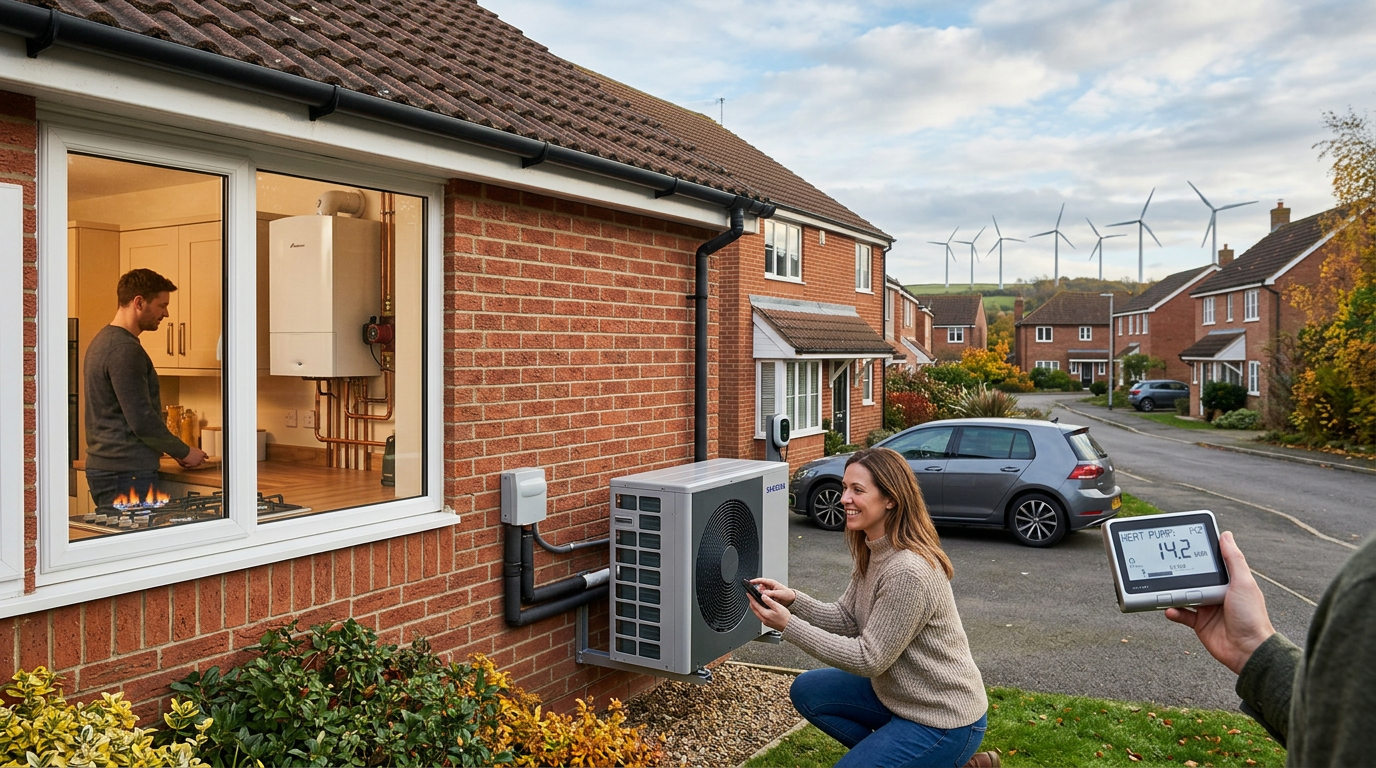
Why do heat pump systems typically require a hot water cylinder?
Air Source Heat Pumps (ASHPs) heat water to a lower temperature than gas boilers. To ensure sufficient hot water is available, especially at peak times, they need a cylinder to store a larger volume of pre-heated water. This also allows the ASHP to operate at its most efficient.
What are "standing losses" and how much do they cost per year?
Standing losses refer to the heat energy that escapes from a hot water cylinder, even when no hot water is being used. For a modern, well-insulated cylinder, these losses are estimated to be around £30-£70 per year. Older or poorly insulated cylinders can incur much higher losses, up to £150 annually.
Are energy prices consistent across all regions of the UK?
No, energy prices can vary slightly across Ofgem's 14 electricity regions and Gas Load Areas due to differing network charges. While the differences are usually marginal (£5-£10 a month), some regions like Scotland may have higher electricity unit rates compared to others.
Can a combi boiler provide enough hot water for a home with multiple bathrooms?
A combi boiler is generally optimal for homes with 1-2 bathrooms, where the flow rate of around 12-14 litres per minute is sufficient. For homes with multiple bathrooms and higher simultaneous hot water demand, a hot water cylinder paired with a system boiler is often a better choice.
Recommended kit
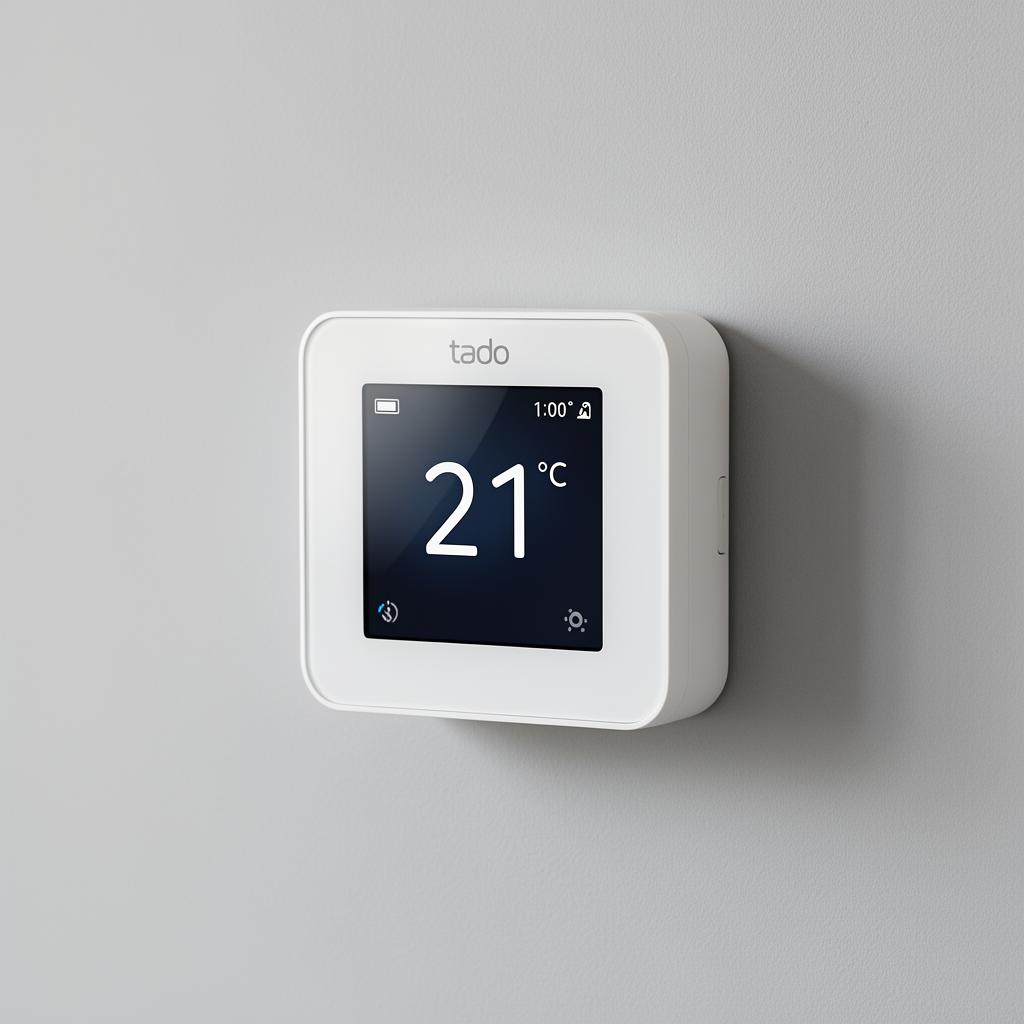
tado Smart Thermostat X
Schedule, zone and remote-control your heating — independently shown to cut heating bills by up to 28%.
Shop on Amazon