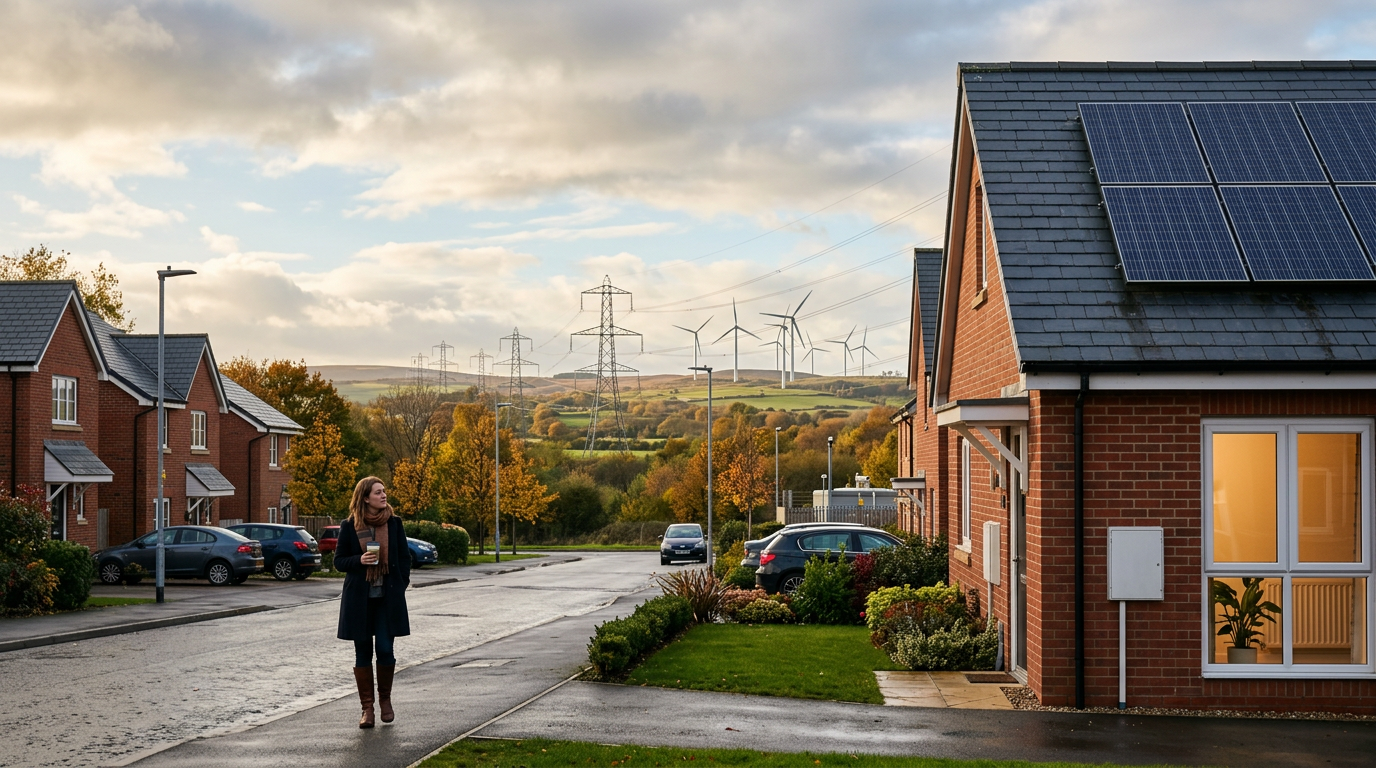
UK Energy Forecast: Autumn & Winter 2026
Welcome back to Power Guardian UK, your trusted source for independent analysis of the UK energy market. As we approach autumn, the crucial period for domestic energy consumption, our latest 6-month outlook dives deep into the confluence of factors shaping your gas and electricity bills from October 2026 through to March 2027. Our predictions are built on robust modelling of wholesale futures, domestic and European storage levels, sophisticated weather patterns, and an acute understanding of the geopolitical landscape.
Current Supplier Watch
Headline forecast: Sharper Peaks Expected
Our core forecast indicates a significant upward shift in the Ofgem price cap for the upcoming colder months, reflecting a return to seasonal cost pressures and some underlying market volatility. Based on current wholesale futures and our comprehensive analysis:
- October 2026 cap (Q4 2026): We anticipate a rise of +5% to +7% compared to the Q3 2026 cap, taking the typical annual dual-fuel bill for a direct debit customer to approximately £1,690 to £1,725. This increase represents a jump of around £80-£115 on the quarterly cap value. Considering the current Q3 2026 cap is around £1,600, this is a noticeable uptick.
- January 2027 cap (Q1 2027): We project a further, albeit smaller, increase of +2% to +4% from the October 2026 level. This could push the average annual bill into the £1,750-£1,800 range. The Q1 cap typically reflects the highest wholesale prices due to peak winter demand and potential for supply disruptions.
- Wholesale Gas (TTF): The benchmark Title Transfer Facility (TTF) front-month futures price is currently projected to hover between €38–€45/MWh throughout the winter months. This is materially higher than the Q3 2026 average of around €28-€32/MWh, driving the anticipated cap increases. For context, pre-2021 historical averages were often below €20/MWh.
- Best Fixed Deals: We expect fixed-rate tariffs to remain competitive against the anticipated cap, offering 5–8% savings until mid-September. However, as winter approaches and wholesale uncertainty mounts, this differential is likely to narrow significantly, potentially to just 1-3% or even disappearing by late October.
Understanding Your Unit Rates
To put these cap forecasts into perspective, here’s an illustrative breakdown of potential unit rates under the projected October 2026 cap, based on a typical regional average (South East):
| Expense Category | Current Q3 2026 Cap (avg) | Projected October 2026 Cap (avg) |
|---|---|---|
| Electricity Unit Rate | 22.36p/kWh | 23.48p/kWh – 23.95p/kWh |
| Electricity Standing Charge | 60.10p/day | 60.10p/day (likely stable) |
| Gas Unit Rate | 5.48p/kWh | 5.75p/kWh – 5.90p/kWh |
| Gas Standing Charge | 31.43p/day | 31.43p/day (likely stable) |
← Swipe to see more →
Note: These are illustrative averages. Actual rates vary slightly by region due to distribution network costs. The standing charge component is generally less volatile than unit rates.
What We're Tracking: The Drivers Behind the Forecast
Our models continually monitor a range of critical indicators. Changes in any of these can swiftly alter our forecast.
1. EU Gas Storage Levels: The Winter Buffer
Current Status: EU gas storage facilities are reported at a robust 78% full, significantly above the 5-year average of 71% for this time of year. This represents a healthy buffer going into the high-demand season. Implication: This is a bullish signal for price stability, reducing the immediate need for frantic spot market purchases and providing a degree of security against minor supply shocks. However, this cushion is not limitless. Caveat: A protracted spell of exceptionally cold weather across Northern Europe, particularly an extended "Beast from the East" type event, could deplete these reserves rapidly. For example, the severe cold snap of February-March 2018 saw UK gas demand spike by 30-40% above normal, demonstrating how quickly conditions can change. Furthermore, if key industrial sectors rebound more strongly than anticipated, pushing industrial demand, this buffer could erode.
2. UK Wind Output: Renewable Relief
Current Status: The third quarter of 2026 has seen UK wind generation run 8% above seasonal norms. This consistent high output has been instrumental in displacing gas-fired power generation, directly lowering wholesale electricity prices. The met Office's long-range forecasts suggest strong Atlantic patterns, particularly favourable for offshore wind, are expected to continue into October. Implication: This is a firming factor for controlling electricity prices. High wind output reduces reliance on more expensive gas plants, directly impacting the generation cost component of your electricity bill. Regional Impact: Regions with high concentrations of wind farms, particularly Scotland and the North East, benefit from reduced transmission losses under high local generation, although the price cap mechanics average this out nationally.
3. Liquefied Natural Gas (LNG) Flows: Global Dynamics
Current Status: We are observing a noticeable softening in Asian LNG demand. This is partly attributed to milder Asian weather forecasts and a slight slowdown in industrial activity in some key economies. Implication: With less competition from Asia, a greater number of LNG cargoes are being diverted towards North-West Europe. This increased supply directly contributes to downward pressure on TTF wholesale gas prices, mitigating some of the other inflationary pressures. The global flexibility of LNG provides a vital alternative to pipeline gas. UK Specifics: The UK's extensive LNG import terminals (e.g., Grain, Milford Haven) are crucial here. High availability of global LNG translates quickly into better supply security and price competitiveness for the UK market, which has very limited domestic gas storage capacity relative to its European neighbours.
4. Geopolitics: The Unpredictable Wild Card
Current Status: The geopolitical landscape remains inherently fragile, particularly concerning relations in Eastern Europe and the Middle East. Implication: Any significant escalation that impacts Norwegian pipeline gas flows (a primary supplier to the UK) or disrupts Middle Eastern LNG shipping routes through key chokepoints like the Suez Canal or Strait of Hormuz could trigger an immediate and substantial spike in wholesale prices. Scenario: A moderate supply disruption, such as a major outage on a key Norwegian pipeline lasting several weeks or increased Houthi activity in the Red Sea disrupting a significant portion of LNG traffic, could realistically add £200+ to the winter price cap overnight. This unpredictability is precisely why energy firms maintain a risk premium in their forward pricing. We saw a similar, albeit more extreme, reaction during the post-Ukraine invasion period. While we assign a lower probability to such extreme events compared to 2022, the impact remains severe if they materialise.
Should You Fix Your Energy Tariff Now? A Step-by-Step Guide
Deciding whether to lock into a fixed-rate energy deal is a strategic financial decision that requires careful consideration of your personal circumstances and risk tolerance.
Step-by-Step Guide:
- Understand Your Current Usage and Costs:
- Evaluate Our Forecast:
- Check Available Fixed Deals:
- Crunch the Numbers Safely (The £1,580 Rule):
Practical Considerations:
- Exit Fees: Always check for exit fees on fixed tariffs. If your circumstances change, or a much better deal emerges, these can negate savings.
- Supplier Reputation: Don't just chase the cheapest deal. Consider customer service ratings.
- Payment Method: Direct Debit usually offers lower unit rates than payment-on-receipt-of-bill.
Our Confidence Level
Our forecasting utilises sophisticated algorithms combining extensive data feeds.
- Medium-High for Q4 2026 (October-December): The factors influencing the October cap are relatively mature. Wholesale futures for this period are well-established, EU storage levels are known, and short-to-medium-range weather models provide good visibility. While unexpected events can always occur, the core drivers are reasonably stable.
- Medium for Q1 2027 (January-March): Our confidence level moderates slightly for the January cap. While wholesale futures for this period exist, they are inherently more volatile. The key unknown is the severity of late winter weather and the geopolitical situation, which has a higher capacity to shift rapidly over a longer timeframe. We will be updating this forecast weekly on the Forecast page as new information becomes available.
Recommended energy saving products
Independently chosen kit that helps UK households cut energy use.

Tapo P110 Smart Plug (Energy Monitoring)
See exactly which appliances are quietly inflating your bill — track real-time watts, kWh and runtime from your phone.
- Real-time energy monitoring
- Cuts standby/vampire power
- Schedule appliances off-peak
Estimated benefit: ~£40/yr standby savings
Shop on AmazonAd – affiliate link. PowerGuardian may earn a commission from Amazon or another approved affiliate partner at no extra cost to you.

Home Energy Monitor (Whole-House)
Track your whole-home electricity use live and find where the kWh are going before the bill lands.
- Whole-house live usage
- Spot expensive habits fast
- App history & alerts
Estimated benefit: Awareness cuts ~5-10% use
Shop on AmazonAd – affiliate link. PowerGuardian may earn a commission from Amazon or another approved affiliate partner at no extra cost to you.
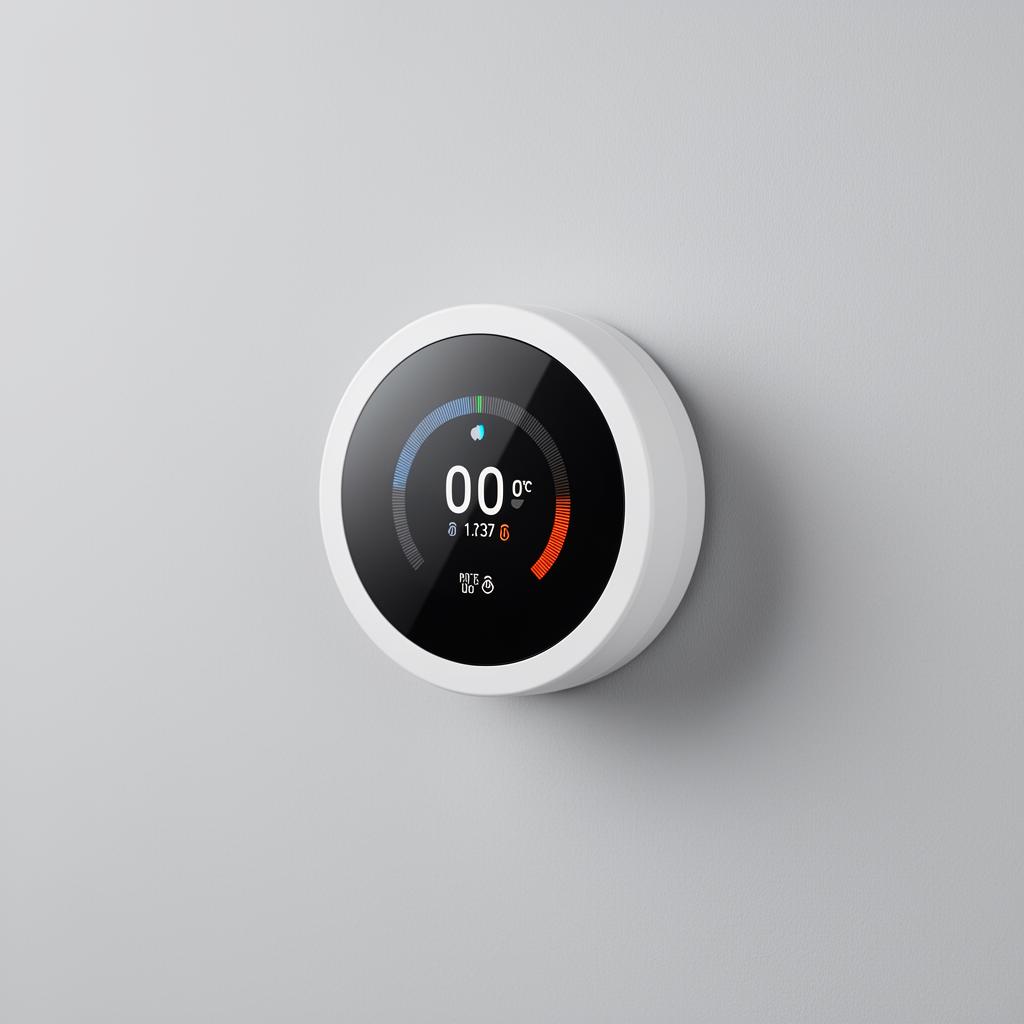
tado Smart Thermostat Starter Kit
Schedule, zone and remote-control your heating — independently shown to cut heating bills meaningfully.
- Heat only when needed
- Geofencing & schedules
- Room-by-room control
Estimated benefit: Up to ~£140/yr
Shop on AmazonAd – affiliate link. PowerGuardian may earn a commission from Amazon or another approved affiliate partner at no extra cost to you.
Affiliate links — we may earn a small commission at no extra cost to you. This keeps PowerGuardian free and independent.
FAQ: Navigating Your Energy Bills
Q1: What is the Ofgem Price Cap and how does it affect me?
A1: The Ofgem Price Cap is a maximum unit rate and standing charge that energy suppliers can charge for gas and electricity in England, Wales, and Scotland for default tariffs (e.g., standard variable tariffs). It's reviewed quarterly by the energy regulator Ofgem. It directly affects around 85% of households and serves as a benchmark for fixed deals, meaning if you're not on a fixed deal, your bill will change with the cap.
Q2: Why are standing charges rising, and why are they unavoidable?
A2: Standing charges are daily fixed fees that cover the fixed costs of providing your energy supply, such as maintaining the pipes and wires, customer service, and smart meter rollout. Ofgem has allowed them to rise due to increased network costs, investment in infrastructure, and a deliberate policy to shift some costs from unit rates to standing charges to somewhat level the playing field for lower-income, lower-usage households. They are unavoidable regardless of how much energy you use.
Q3: How can I reduce my energy consumption effectively this winter?
A3: Beyond switching tariffs, practical steps include: * Insulation: Loft insulation, cavity wall insulation, and draught proofing can offer significant savings (up to £250 annually for a typical semi-detached home). * Heating Controls: Use thermostats, timers, and thermostatic radiator valves (TRVs) to heat only the rooms you need, when you need them. Turning down your thermostat by just 1°C can save around 10% on heating bills. * Appliance Use: Use energy-efficient appliances, wash clothes at 30°C, and avoid overfilling kettles. Unplug 'vampire' appliances on standby. * Smart Meter: Get a smart meter to track your usage in real-time, helping you identify energy-inefficient habits.
Q4: Are there government grants or support schemes available?
A4: Yes, the UK government often has schemes. Look out for the Winter Fuel Payment for pensioners, the Cold Weather Payment (triggered by prolonged severe cold spells), and potentially new iterations of the Energy Bills Support Scheme or programmes like the Great British Insulation Scheme which offers free or subsidised insulation to eligible low-income households. Check the government's Simple Energy Advice website or Citizens Advice for the latest information.
Q5: What if I can't afford my energy bills?
A5: Contact your energy supplier immediately. They are legally obliged to offer support, which can include payment plans, access to hardship funds, or help with debt advice. Also, reach out to organisations like National Debtline or Citizens Advice for free, impartial guidance. Do not let arrears build up without seeking help.
Conclusion
The UK energy market continues to navigate complex global and domestic pressures. While healthy European gas storage and robust UK wind output offer some comfort, the persistent threat of geopolitical instability and the inherent volatility of winter demand mean we must prepare for elevated energy costs. Our forecast suggests a challenging winter for household budgets. Proactive engagement with your energy supplier, judicious use of comparison sites, and a commitment to energy efficiency will be paramount in mitigating the impact of these rising costs. Stay vigilant, stay informed, and trust Power Guardian UK to bring you the most accurate and up-to-date analysis to help you navigate the season ahead.
Recommended kit
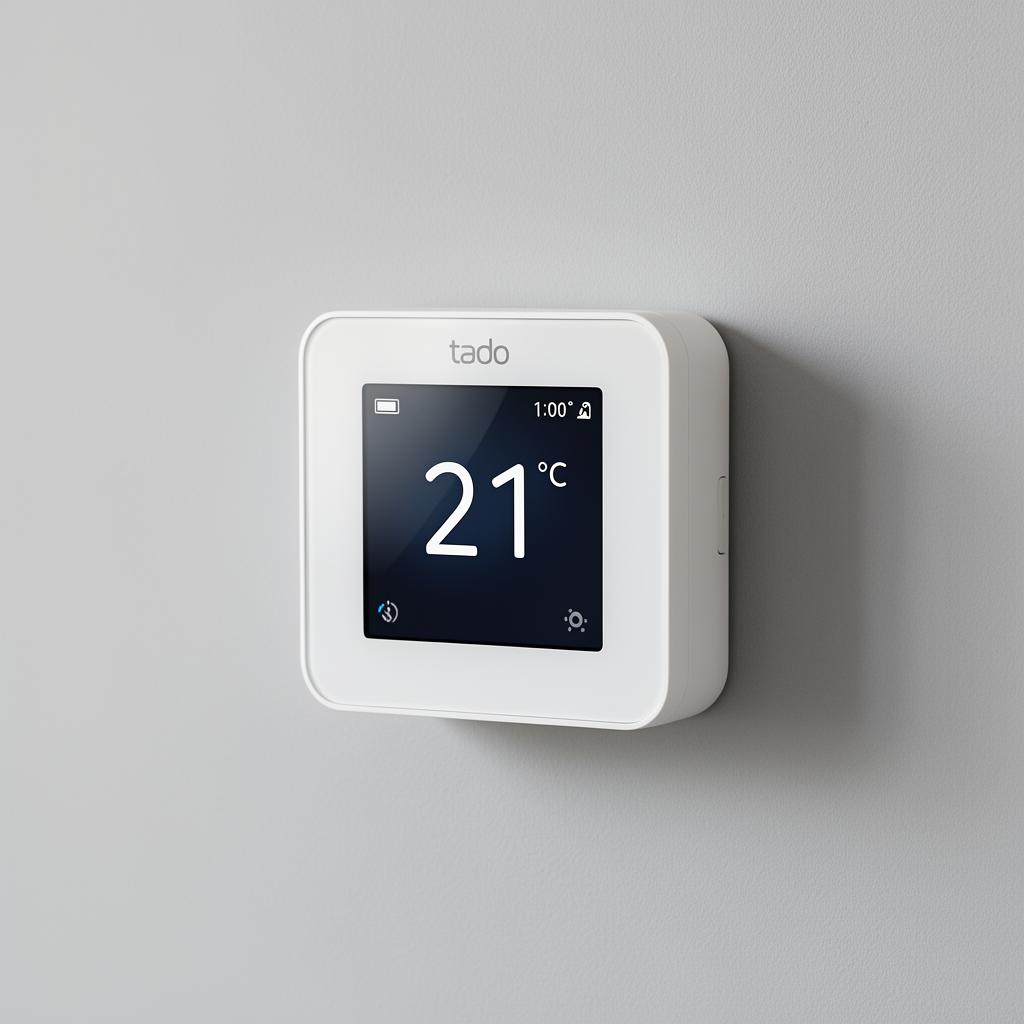
tado Smart Thermostat X
Schedule, zone and remote-control your heating — independently shown to cut heating bills by up to 28%.
Shop on Amazon