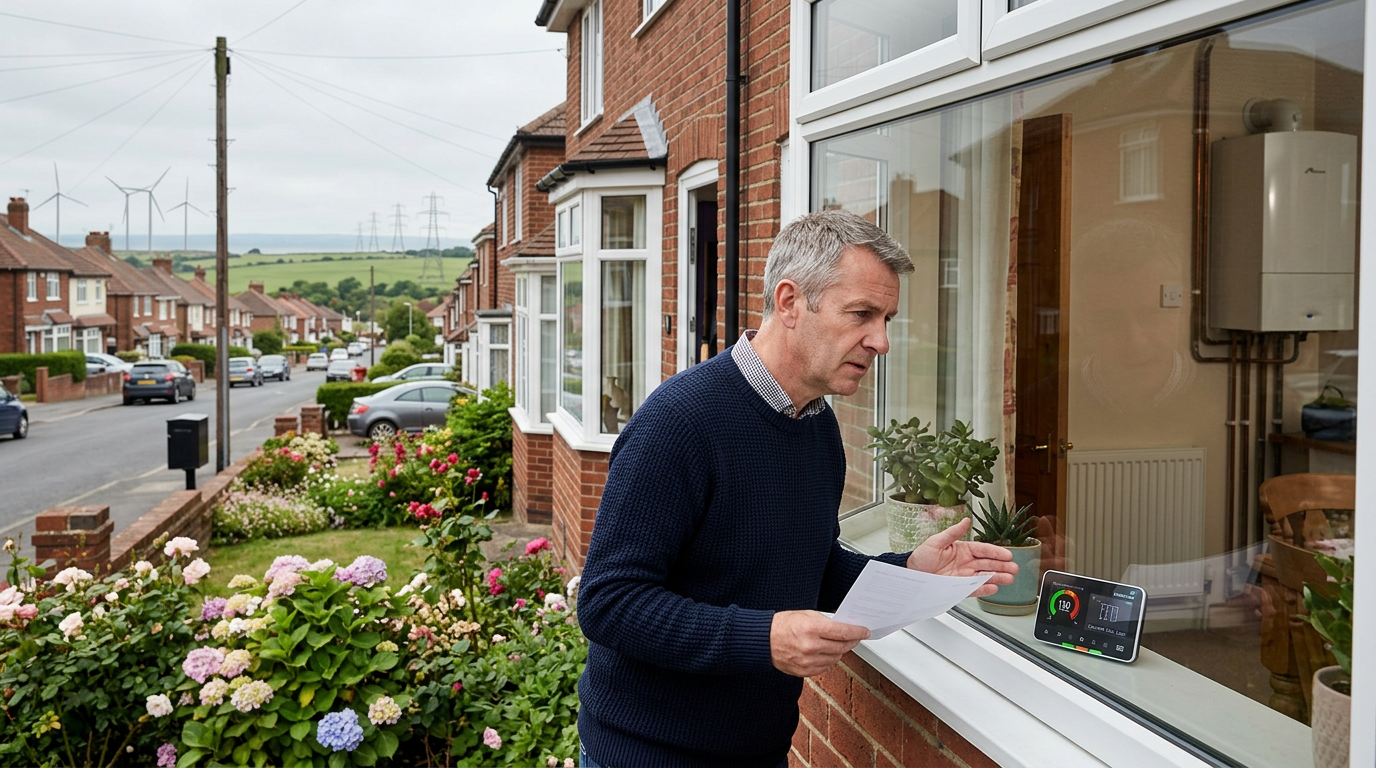
Summer 2026 cap (July–September) Deep Dive: What the Figures Really Mean for Your Wallet
Ofgem's Q3 2026 price cap, effective from July 1st to September 30th, has been set at approximately £1,612 per year for a typical dual-fuel household paying by direct debit. This represents a welcome 3.4% reduction compared to the Q2 cap. While any decrease is positive, let's dissect these figures to understand the nuances and what they mean for the 29 million households currently on standard variable tariffs (SVTs) across Great Britain.
The "typical" household in Ofgem's calculations consumes 2,900 kWh of electricity and 12,000 kWh of gas annually. It's crucial to remember that this is an average. Your actual bill will directly reflect your consumption patterns and, to a lesser extent, your regional standing charges.
Unit rates and Standing Charges (England, Wales & Scotland average)
For the next three months, here's how the key components of your energy bill break down, with comparisons to the preceding Q2 period:
- Electricity Unit Rate: 23.9p/kWh (down from 24.7p/kWh). This 0.8p/kWh reduction, though seemingly small, can add up significantly over a quarter. For the typical household, this translates to an annual saving of around £23.20 on electricity consumption alone, before considering standing charges.
- Gas Unit Rate: 5.9p/kWh (down from 6.1p/kWh). A 0.2p/kWh decrease here means a typical household could save approximately £24 across the year on gas usage.
- Electricity Standing Charge: 60.1p/day (remains largely stable). This daily fixed charge, regardless of energy consumption, adds around £219 a year to your electricity bill. It's a contentious element, often highlighted as a regressive charge impacting low users disproportionately.
- Gas Standing Charge: 31.4p/day (remains largely stable). Equivalent to about £114.61 per year, this fixed daily charge for gas also continues to generate debate.
Regional Variations in Standing Charges
It's important to stress that while unit rates are largely uniform across Great Britain, standing charges do vary by region. For instance, customers in the North West might see slightly higher electricity standing charges than those in the East Midlands. These variations are due to the differing costs of maintaining and upgrading regional distribution networks. While the average is 60.1p for electricity and 31.4p for gas, your specific region's charge could be a few pence higher or lower. Always check your personal bill for the exact figures.
Why Prices Fell: A deeper analysis of market dynamics
The 3.4% reduction in the price cap is a direct consequence of several interconnected factors in the global and domestic energy markets.
- Lower Wholesale Gas Prices: The primary driver remains the European wholesale gas market. Specifically, the Title Transfer Facility (TTF) front-month futures contract, a key benchmark for gas prices in Europe, has seen a substantial drop of roughly 12% since March. This decline is attributable to a confluence of factors:
Recommended Smart Heating Product
Control heating remotely and reduce wasted energy with one of the UK’s most popular smart thermostats.
View on Amazon UK- Stable Network Costs: A significant chunk of your energy bill comprises network costs – the charges for maintaining and upgrading the electricity grids and gas pipelines. Ofgem's latest RIIO-3 (Revenue = Incentives + Innovation + Outputs) framework, which dictates how much network operators can charge, has largely absorbed planned increases without passing on additional substantial hikes to consumers for this period. This regulatory stability has prevented an upward push on the cap from this quarter's calculation. This is a testament to Ofgem's long-term planning in setting price controls for these monopolistic industries.
- Weaker Demand Overall: Beyond just the milder spring reducing heating needs, a broader picture of slightly weaker overall energy demand across the UK has contributed. This is a complex interplay of increased energy efficiency measures, ongoing economic pressures potentially curbing discretionary energy use, and the aforementioned mild weather. When demand slackens, it typically leads to a softer pricing environment for suppliers.
Should You Fix Your Energy Tariff? A Step-by-Step Guide
The current market presents a compelling argument for considering a fixed-rate energy tariff. For the first time since early 2023, competitive fixed deals from major suppliers like Octopus Energy, OVO Energy, and EDF Energy are appearing on the market at rates 5% to 8% below the Q3 price cap for 12-month terms. This is a significant discount and offers consumers the precious commodity of price certainty.
Analysis: Fixed vs. Variable
Let's do a quick comparison using the typical direct debit annual bill for Q3 2026:
| Tariff Type | Q3 2026 Annual Bill (Approx.) | Q3 2026 Unit Elec | Q3 2026 Unit Gas | Standing Charges | Price Certainty | Risk of Increase |
|---|---|---|---|---|---|---|
| Ofgem Price Cap (SVT) | £1,612 | 23.9p/kWh | 5.9p/kWh | Yes | Quarterly | High |
| Best Fixed Deals | £1,483 - £1,531 | ~22.0p/kWh | ~5.4p/kWh | Yes | 12-24 months | Low |
← Swipe to see more →
Note: Fixed deal figures are estimates based on reported market offers. Actual fixed rates will vary by provider and exact terms.
Step-by-Step Guide to Evaluating Fixed Deals:
- Understand Your Usage: Before comparing, dig out your last few energy bills. Note down your annual (or monthly average) electricity and gas consumption in kWh. This is crucial for accurate comparisons as "typical usage" might not reflect your household.
- Use Reputable Comparison Sites: Utilise Ofgem-accredited price comparison websites (e.g., Uswitch, MoneySuperMarket, Compare the Market, Confused.com) to get up-to-the-minute quotes tailored to your postcode and usage.
- Look for "Below Cap" Deals: Specifically search for tariffs that state they are below the current Ofgem price cap. The 5-8% below mark is a good benchmark.
- Check the End Date: Ensure the fixed deal covers your intended period, typically 12 or 24 months.
- Factor in Exit Fees: Some fixed tariffs have exit fees if you leave early. While many competitive deals currently have no exit fees, always double-check. If you anticipate moving house or wanting to switch again sooner, a fee-free tariff is preferable.
- Read the Fine Print: Understand if the unit rates and standing charges vary by payment method (e.g., direct debit vs. credit). Some deals are exclusive to direct debit customers.
- Consider Supplier Reputation: While price is key, do a quick check of the supplier's customer service ratings (e.g., using Ofgem's annual supplier performance report) if you're considering a new provider.
- Project Future Cap Movement: Our forecast suggests an October rise. If this materialises, a fixed deal might save you even more over the winter months. Locking in now offers protection against potential Q4 and Q1 increases.
When a Fixed Deal Might NOT be Right:
If you believe wholesale prices will fall significantly further (e.g., another 10%+) and stay low, then a fixed deal may not be the optimal choice. However, geopolitical instability and the inherent volatility of energy markets make such a sustained and significant downward trend less certain for the next 12-18 months.
Our Forecast for Q4 2026 and Beyond
Here at Power Guardian UK, our sophisticated modelling, which incorporates wholesale futures pricing and market intelligence, suggests that the reprieve offered by the Q3 cap will likely be temporary. We anticipate the October–December (Q4 2026) price cap to rise by 4% to 7%.
This projected increase is directly linked to:
- Winter Hedging: Energy suppliers purchase a significant portion of the energy they expect to sell during the colder, higher-demand winter months well in advance. These "hedging" contracts for winter 2026/27 have been trading at higher prices than the immediate forward months, reflecting the increased risk and demand associated with winter.
- Seasonal Demand Increase: As temperatures drop across autumn and winter, energy demand naturally climbs, pushing up wholesale prices.
- Reduced Renewable Output: Winter often brings shorter daylight hours and sometimes less wind, which can reduce the output from intermittent renewable sources, increasing reliance on gas-fired generation.
Our detailed energy price forecast, available on our dedicated page, delves deeper into the probabilistic outcomes and key variables influencing these predictions. We advise consumers to factor in this likely Q4 increase when making tariff decisions, as locking in a lower rate now could provide substantial savings over the coming winter.
Current Supplier Watch
FAQ: Navigating the UK Energy Price Cap
Q1: What exactly is the Ofgem price cap?
A1: The Ofgem price cap is a maximum amount that energy suppliers in Great Britain can charge per unit of energy (gas and electricity) and for the standing charge for households on standard variable tariffs (SVTs). It's designed to protect consumers from being overcharged and is reviewed and updated quarterly by the energy regulator, Ofgem.
Q2: Does the price cap apply to everyone?
A2: No, the price cap primarily applies to households on standard variable tariffs (SVTs) and those on prepayment meters. If you are on a fixed-rate energy deal, the price cap does not directly affect you (unless your fixed deal ends and you revert to an SVT). It also doesn't apply to businesses.
Q3: How is my personal bill affected by the cap?
A3: The cap sets the maximum unit rates and standing charges. Your actual bill depends entirely on how much energy you consume. So, while the cap might be £1,612 per year for a "typical" household, your bill could be higher or lower based on your family size, home insulation, appliance usage, and personal habits.
Q4: Why do standing charges vary by region?
A4: Standing charges vary regionally because they cover the fixed costs of maintaining and upgrading the local energy networks (pipes and wires) that deliver gas and electricity to your home. These costs differ slightly across various distribution network regions due to factors like population density, infrastructure age, and maintenance requirements.
Q5: If I sign up for a fixed deal below the cap, what happens if the cap falls further?
A5: If you fix your tariff, your unit rates and standing charges are locked in for the duration of your contract, regardless of whether the Ofgem price cap rises or falls. If the cap falls below your fixed rate, you might end up paying more than someone on an SVT at that specific time. However, fixed deals offer protection if the cap rises, which our forecasts suggest is likely for Q4 2026. Always check for exit fees if you think you might want to switch out of a fixed deal early.
Q6: When is the next price cap announcement?
A6: Ofgem typically announces the next price cap update approximately one month before it comes into effect. So, the Q4 2026 cap (for October–December) is usually announced in late August, and the Q1 2027 cap (for January–March) in late November.
Recommended energy saving products
Independently chosen kit that helps UK households cut energy use.
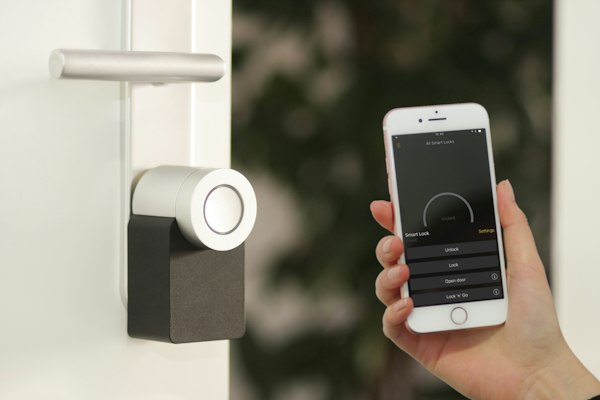
Tapo P110 Smart Plug (Energy Monitoring)
See exactly which appliances are quietly inflating your bill — track real-time watts, kWh and runtime from your phone.
- Real-time energy monitoring
- Cuts standby/vampire power
- Schedule appliances off-peak
Estimated benefit: ~£40/yr standby savings
Shop on AmazonAd – affiliate link. PowerGuardian may earn a commission from Amazon or another approved affiliate partner at no extra cost to you.

Home Energy Monitor (Whole-House)
Track your whole-home electricity use live and find where the kWh are going before the bill lands.
- Whole-house live usage
- Spot expensive habits fast
- App history & alerts
Estimated benefit: Awareness cuts ~5-10% use
Shop on AmazonAd – affiliate link. PowerGuardian may earn a commission from Amazon or another approved affiliate partner at no extra cost to you.
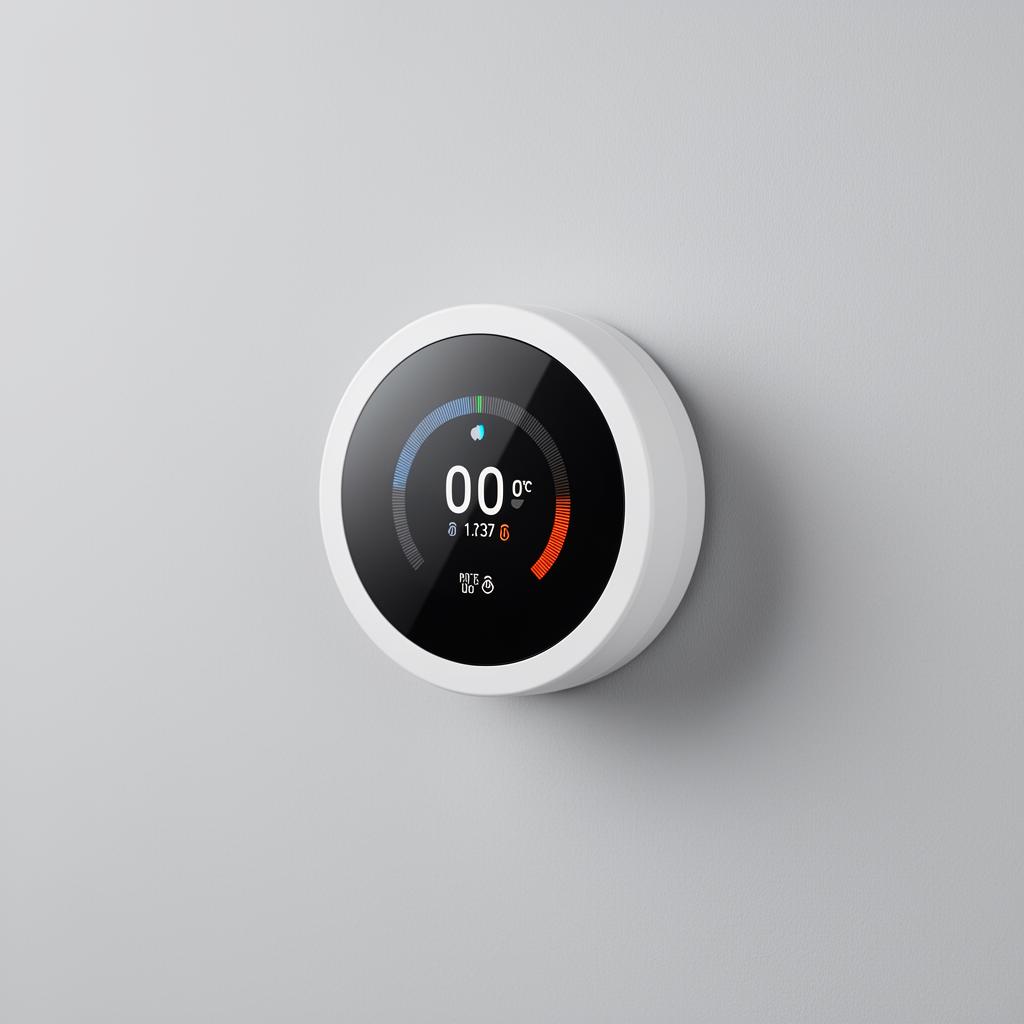
tado Smart Thermostat Starter Kit
Schedule, zone and remote-control your heating — independently shown to cut heating bills meaningfully.
- Heat only when needed
- Geofencing & schedules
- Room-by-room control
Estimated benefit: Up to ~£140/yr
Shop on AmazonAd – affiliate link. PowerGuardian may earn a commission from Amazon or another approved affiliate partner at no extra cost to you.
Affiliate links — we may earn a small commission at no extra cost to you. This keeps PowerGuardian free and independent.
Conclusion: A Brief Reprieve, But Vigilance Remains Key
The Q3 2026 price cap brings a much-needed, albeit modest, reduction for millions of UK households. The respite from the relentless upward pressure of energy costs is certainly welcomed, driven by a combination of favourable wholesale gas markets and regulatory stability. However, as independent energy journalists, we urge consumers not to become complacent.
Our forecast for a likely price cap increase in Q4 2026, driven by inevitable winter demand and hedging costs, underscores the volatile nature of the energy market. For households seeking budget certainty and protection against future price hikes, the current crop of fixed-rate deals, offered significantly below the Q3 cap, presents a compelling opportunity.
Now is the time for proactive engagement with your energy bills. Understand your usage, compare tariffs diligently, and consider securing a fixed deal to navigate the potentially choppier waters of the upcoming winter months. Power Guardian UK remains committed to providing you with the timely, in-depth analysis you need to make informed energy decisions. Stay empowered, stay informed.
What will be the typical annual cost for energy under the new price cap?
For a typical dual-fuel household paying by direct debit, the annual energy bill is approximately £1,612 from July 1st to September 30th, 2026. This reflects a 3.4% reduction from the previous quarter's cap. Your actual bill will depend on your specific energy consumption and regional standing charges.
How much have unit rates for electricity and gas changed this quarter?
The electricity unit rate has decreased by 0.8p/kWh to 23.9p/kWh. The gas unit rate has fallen by 0.2p/kWh to 5.9p/kWh. These reductions can lead to annual savings of approximately £23.20 on electricity and £24 on gas for a typical household, excluding standing charges.
Do standing charges vary across different regions of the UK?
Yes, standing charges do vary by region, even though unit rates are largely uniform across Great Britain. These variations reflect the differing costs of maintaining and upgrading local distribution networks. Always check your personal bill for the exact figures for your specific area.
What are the main reasons for the decrease in the energy price cap?
The reduction is primarily due to lower wholesale gas prices, driven by persistent mild weather reducing demand and robust LNG supplies. Additionally, stable network costs and weaker overall energy demand across the UK have contributed to the decrease.
Is it a good idea to consider a fixed-rate energy tariff right now?
Yes, competitive fixed-rate tariffs are currently available at 5% to 8% below the Q3 price cap for 12-month terms. These deals offer significant discounts and price certainty, which may be beneficial if you wish to lock in your energy costs.
Recommended kit
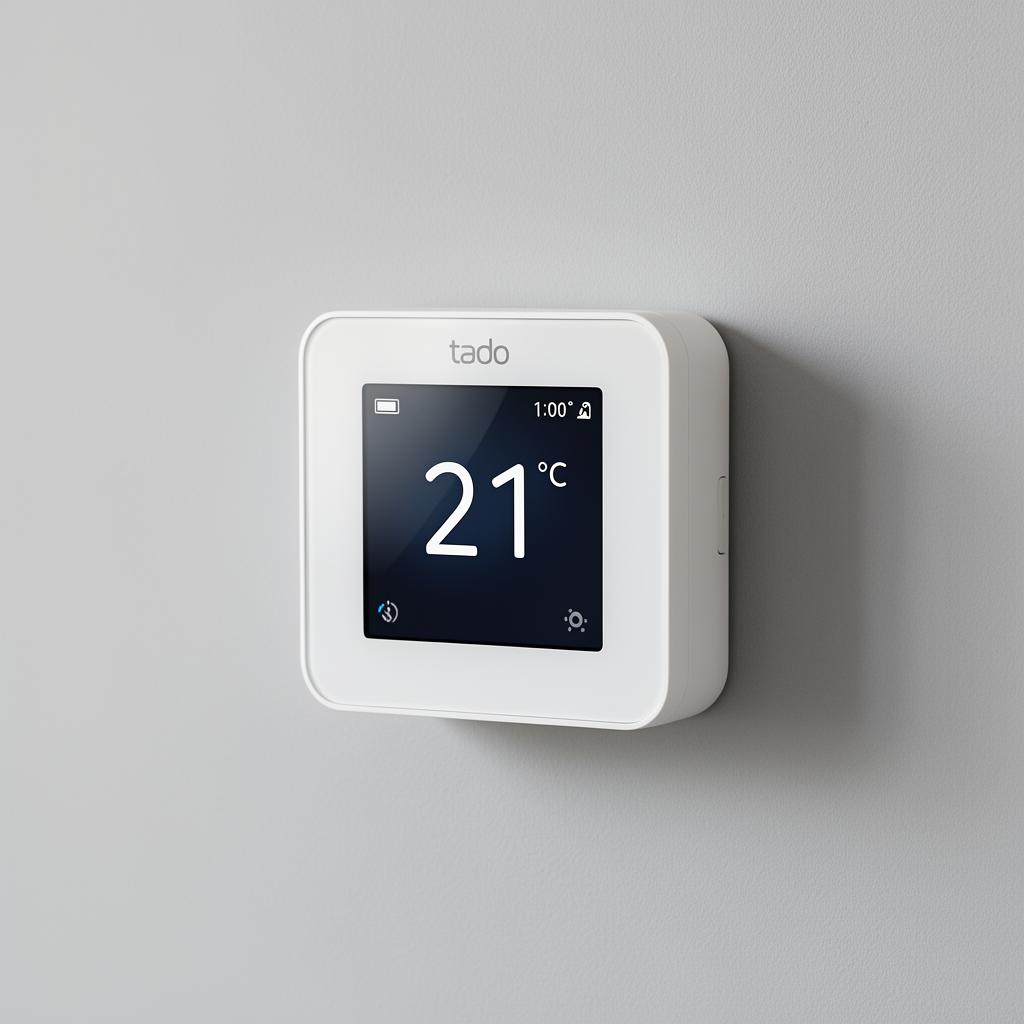
tado Smart Thermostat X
Schedule, zone and remote-control your heating — independently shown to cut heating bills by up to 28%.
Shop on Amazon