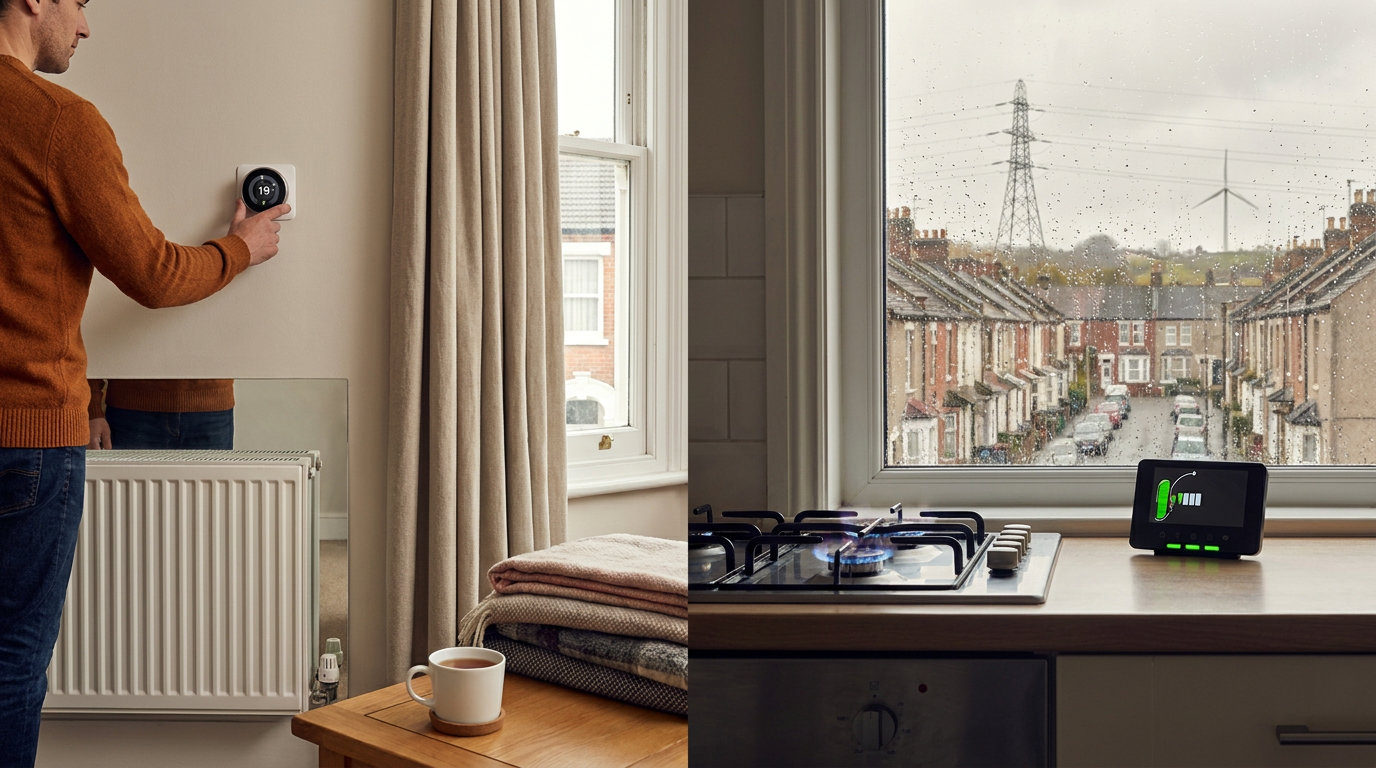
How to Cut Your Winter Energy Bills in the UK (Without Freezing): An In-Depth Power Guardian UK Guide
As a senior energy journalist for Power Guardian UK, I've spent years analysing the intricacies of the UK energy market. Few topics generate as much concern, or as many myths, as winter heating bills. With gas and electricity prices remaining stubbornly high, understanding how to efficiently heat your home is not just about comfort; it's about financial resilience. Heating accounts for a staggering 60% of a typical UK household's annual energy use, with the bulk of this consumption occurring between November and March. This guide is designed to empower you with practical, evidence-based strategies to significantly reduce your winter energy expenditure without resorting to an uncomfortably cold home.
The Current Landscape: Ofgem Price Cap and Unit Rates
Before we dive into tactics, it's crucial to understand the current cost environment. Ofgem, the UK's energy regulator, sets the energy price cap, which limits the standing charge and unit rates for electricity and gas for standard variable and default tariffs. For the period October 1st to December 31st, 2023, the Ofgem price cap dictates average unit rates (these vary slightly by region but are indicative):
- Electricity: Approximately 27.35p per kWh (kilowatt-hour)
- Gas: Approximately 6.89p per kWh
- Electricity Standing Charge: Around 53.35p per day
- Gas Standing Charge: Around 29.60p per day
Note: These figures are averages and can fluctuate. Always check with your specific supplier and region for precise rates.
These unit rates highlight a critical fact: electricity is roughly four times more expensive per kWh than gas. This fundamental difference underpins many of the "cheapest heating" debates we encounter.
Current Supplier Watch
The 4 Highest-£-per-Hour Wins: Maximum Impact, Minimum Effort
These are the strategies that offer the most significant financial return for a relatively small time investment. Think of these as your priority actions.
- Turn the Thermostat Down 1°C: The Unsung Hero of Savings
- Draught-Proof Doors, Windows, and Other Gaps: Sealing in the Savings
- Bleed Your Radiators: Maximising Heating Efficiency for Free
- Set Heating to a Schedule, Not "On All Day": Smart Heating for Modern Lives
What About the Small Stuff? Discerning the Draught from the Drip
While every little helps, it's crucial to prioritise. Unplugging the toaster when not in use is laudable, but it won't transform your energy bill in the way adjusting your heating will. The vast majority of domestic energy consumption boils down to three categories:
- Heating: The undisputed champion of energy consumption (around 60%).
- Hot Water: Heating water for showers, baths, and taps (around 15-20%).
- Appliances: Tumble dryers, dishwashers, ovens, fridges/freezers (the remaining 20-25%).
Focus your efforts on the top two before meticulously hunting for standby power in minor appliances. That said, avoiding "phantom load" or "vampire drain" from electronics collectively can still save a noticeable amount.
Common Energy-Saving Myths & Misconceptions: Power Guardian UK Sets the Record Straight
Should I leave the heating on low all day in winter?
No. As detailed above, for almost every UK home, a well-set timer that heats your home only when you need it is more economical than leaving the boiler on low all day. The only 'edge cases' are extremely poorly insulated homes with very old, inefficient boilers or properties with health-related requirements for constant warmth – and even then, smart controls can often provide better solutions.
Is it cheaper to have a bath or a shower?
Generally, a short shower is cheaper. * A typical 5-minute shower with a standard mixer tap uses approximately 35-45 litres of hot water. * A typical bath uses around 80 litres or more to fill.
Considering gas at 6.89p/kWh for hot water: * Heating 40 litres for a shower might cost around 20-30p (depending on temperature lift). * Heating 80 litres for a bath might cost around 40-50p.
However, there are caveats: * Power Showers: These can use significantly more water, potentially exceeding a bath's consumption if you linger. * Electric Showers: While they don't use your central heating and only heat water on demand, they use electricity (27.35p/kWh), making them expensive to run if used for extended periods. A 10-minute electric shower can cost over 50p. * Shower Heads: Consider a water-efficient shower head. For around £20-£30, these can reduce water flow (and thus heating demand) by up to 50% without compromising pressure significantly, potentially saving £40-£70 a year on your hot water bill.
What temperature should I set my thermostat to in winter?
The NHS recommends a minimum of 18°C for living areas to maintain a healthy environment, especially for older people or those with underlying health conditions. For bedrooms, slightly cooler temperatures (e.g., 16-18°C) are often more conducive to sleep.
Above 20°C, you are entering territory where the financial cost dramatically outweighs the marginal gain in comfort. Every degree higher represents increased energy consumption. Aim for 18-19°C in main living areas and supplement with layers of clothing if you feel a chill.
Are oil-filled radiators cheaper than central heating?
No, almost never if you have gas central heating. This is a common misconception. As established by the Ofgem price cap, electricity costs roughly 3-4 times more per kWh than gas.
- Heating a single room with an electric heater (like an oil-filled radiator): If that room is the _only_ room you are heating, and you have gas central heating for the rest of the house, it can seem cheaper. However, you're paying with expensive electricity.
- Cost Comparison Table (example based on Ofgem rates):
| Heating Method | Energy Source | Unit Cost (approx.) | Heat Output (example) | Cost per hour (approx.) | Notes |
|---|---|---|---|---|---|
| Standard Gas Central Heating | Gas | 6.89p/kWh | 10 kWh/hour | 68.9p | Heats multiple rooms, boiler efficiency considered. |
| Electric Heater (e.g., 2kW) | Electricity | 27.35p/kWh | 2 kWh/hour | 54.7p | Only heats one room, but electricity is expensive. |
← Swipe to see more →
While the electric heater might appear cheaper per hour for a single room, if you were to heat an entire house using electric heaters, your bill would be astronomical compared to gas central heating. The efficiency of a gas system distributing heat to multiple "zones" (rooms) is generally superior for whole-house heating.
Use electric spot heaters only as a last resort or for very occasional, short-term supplementary heat in a specific, small area. Your gas central heating, properly controlled, is the most cost-effective option for whole-home comfort.
The Big-Ticket Upgrades: Investing in Long-Term Savings
While the immediate, low-effort wins are crucial, for homeowners, bigger investments can yield truly transformative savings and enhance property value.
- Boiler Replacement:
- Loft Insulation Top-Ups:
- Cavity Wall Insulation:
- Government Support - ECO4 Scheme:
### FAQ: Your Winter Energy Bill Questions Answered
Q1: How much money can I realistically save by following these tips?
Individually, savings vary, but cumulatively, a typical household diligently applying the "4 highest-£-per-hour wins" could realistically save £200-£400+ per year. If you incorporate big-ticket upgrades like a new boiler or insulation, annual savings could easily exceed £500-£1000+.
Q2: Should I turn off radiators in rooms I'm not using?
Yes, absolutely. If a room is consistently unused (e.g., a spare bedroom), turning off its radiator (using the thermostatic radiator valve, or TRV, if present) is an excellent way to prevent unnecessary heating. TRVs allow you to control individual room temperatures, or even switch off radiators entirely, independent of the main thermostat. Just be mindful of keeping the house above freezing (a low setting on the TRV can provide frost protection).
Q3: Are smart thermostats worth the investment?
For most households, yes. Smart thermostats like Nest, Hive, or Tado learn your routines, can be controlled remotely, offer zone control, and provide detailed energy usage data. This empowers you to fine-tune your heating much more effectively than a basic timer. They typically cost £150-£300 but can pay for themselves in 1-3 years through optimised heating.
Q4: My property has solid walls, what are my insulation options?
Solid walls cannot have cavity wall insulation. Your options are internal wall insulation (IWI), which involves fitting insulation boards to the inside of external walls, or external wall insulation (EWI), where insulation is fixed to the outside of the property and rendered. Both are more expensive and disruptive than cavity wall insulation but offer significant savings for suitable properties. They can save £300-£600+ annually. Funding schemes, such as ECO4, may be available.
Q5: What's a good way to monitor my energy usage?
Your smart meter's in-home display is your first line of defence, showing real-time electricity and gas consumption in kWh and estimated cost. Many energy suppliers also offer apps that provide detailed breakdowns of your usage over time. Regular checks help you understand how different activities or changes in habit impact your bill.
Q6: I rent my home, what can I do?
While big-ticket upgrades are usually the landlord's responsibility, you can still implement many of the "highest-£-per-hour wins." Thermostat: Adjust it down 1°C. Draught-proofing: Use removable self-adhesive strips. Bleeding radiators: Ask your landlord for permission (it's often a tenant's responsibility anyway). Scheduling: Use the existing programmer. Shower duration: Take shorter showers. Lighting: Switch to LED bulbs. * Report issues: If your heating system is faulty or insulation is poor, report it to your landlord. They have a responsibility to keep the property warm and safe.
Conclusion: Take Control of Your Winter Bills
Navigating winter energy bills in the UK doesn't have to be a source of dread. By understanding the core drivers of energy consumption and applying practical, evidence-based strategies, you can take significant control. Start with the "highest-£-per-hour wins" – turning down your thermostat, draught-proofing, bleeding radiators, and optimising your heating schedule. These immediate actions offer excellent returns for minimal effort. As a homeowner, explore the longer-term benefits of boiler replacement and insulation upgrades, leveraging government support where available. With the current Ofgem price cap, every kWh saved translates directly into pounds in your pocket. Winter comfort doesn't have to break the bank; it just requires smart, informed choices.
Recommended kit
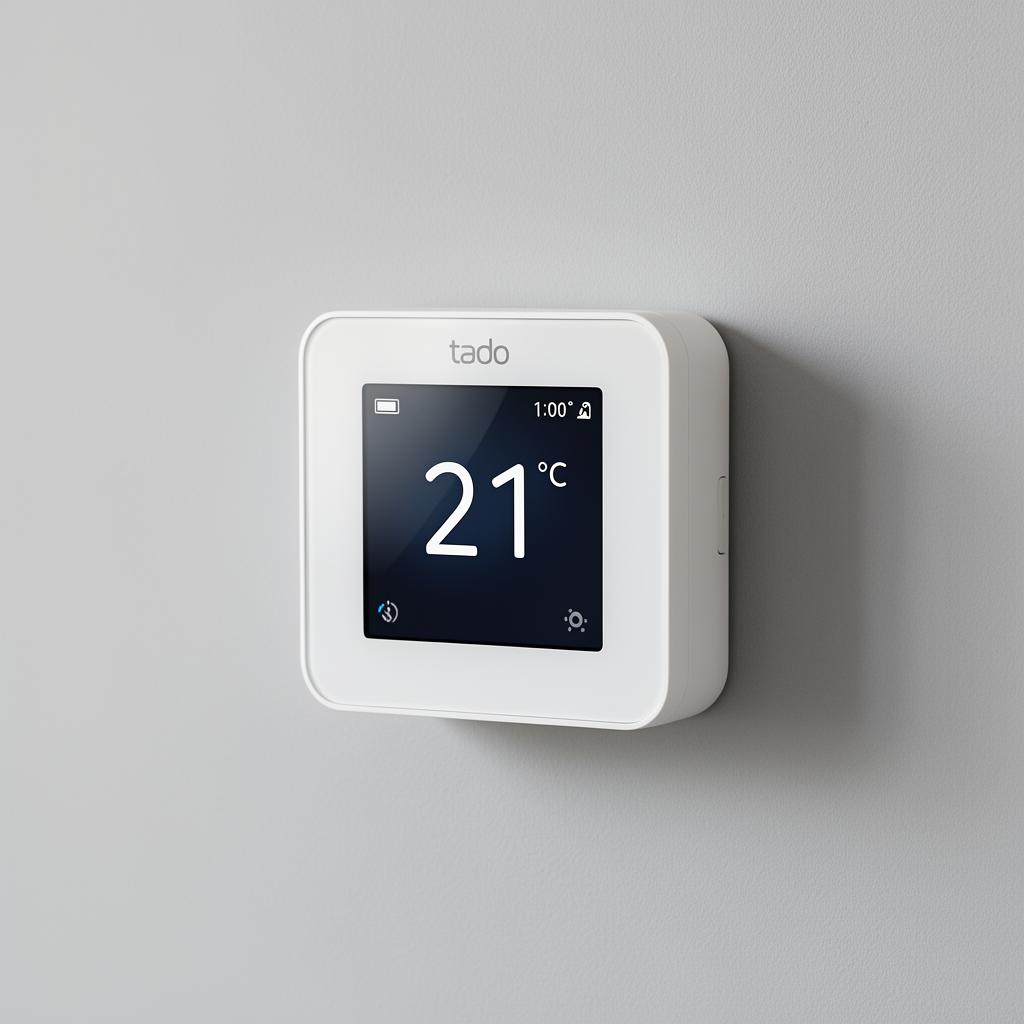
tado Smart Thermostat X
Schedule, zone and remote-control your heating — independently shown to cut heating bills by up to 28%.
Shop on Amazon