10 UK Energy Saving Myths Busted (2026): The Deep Dive
In the ever-evolving landscape of UK energy, where bills fluctuate and the push for sustainability grows, it's easy to fall prey to common misconceptions about how we use and save power. As a senior energy journalist for Power Guardian UK, I've seen countless well-intentioned but often misinformed attempts to cut costs. With the Ofgem price cap shifting and unit rates remaining a significant concern for households across the nation, getting the facts straight is more crucial than ever. This in-depth analysis will meticulously unpick 10 prevalent energy myths, providing granular detail, UK-specific data, and actionable advice to empower you to truly save.
The 10 Myths: Unpacking the Truth
Let's delve into each myth, separating fact from fiction with precise, UK-centric insights.
1. 'Leaving heating on low all day saves money' — False. Off when not needed beats constant low.
This is a classic. The belief is that maintaining a constant, low temperature prevents your boiler from working harder to reheat a cold house. While there's a kernel of truth in the principle of thermal mass, for most modern UK homes, particularly those with decent insulation, it's largely incorrect.
The Reality: Your boiler efficiency drops when it's constantly ticking over to maintain a low temperature in fluctuating ambient conditions. It's almost always more efficient to heat your home only when you need it and to a comfortable temperature, then turn it off or significantly reduce it. The energy required to keep a house 'ticking over' for 16-20 hours a day significantly outweighs the energy boost needed for a morning and evening warm-up.
UK Data & Example: Consider a typical semi-detached home in the Midlands. Myth Scenario:* Heating set to 18°C constantly from 6 AM to 10 PM. This runs the boiler for many hours, overcoming heat loss through walls, windows, and the roof. Smart Scenario:* Heating set to 21°C from 6 AM-9 AM and 5 PM-9 PM, off/low (e.g., 10°C frost protection) otherwise. Annual Savings:* Energy Savings Trust data confirms that reducing heating by just 1°C can save around 10% on heating bills. Completely switching off when out for extended periods or overnight can result in savings upwards of £90 per year for a typical gas-heated home, based on current April 2024 Ofgem price cap gas unit rates (approx. 6.04p/kWh).
Practical Guidance: Program your thermostat:* Use the timer function to heat your home only when occupied. Thermostatic Radiator Valves (TRVs):* Install and use these to control heat in individual rooms. Don't heat spare rooms unnecessarily. Smart Thermostats:* Devices like Hive or Nest learn your habits and can be controlled remotely, optimising heating schedules.
2. 'Standby uses no power' — False. Known as 'Vampire Drain,' it costs ~£70/yr per UK household.
This myth is particularly insidious because the energy drain is silent and invisible. Many believe that if a device is 'off' but still plugged in, it's not consuming electricity.
The Reality: Most electronic devices, when switched off with a remote or a soft-touch button, enter a standby mode. This allows them to power up quickly, display clocks, or maintain network connections (e.g., Wi-Fi routers). While individual standby consumption is low, cumulatively across a household and 24/7, it quickly adds up. Appliances with clocks, external power bricks (like laptop chargers), and devices that stay warm (like satellite TV boxes) are prime culprits.
UK Data & Example: Energy Saving Trust estimates that the average UK household spends around £70 per year on standby power. Considering electricity unit rates under the April 2024 Ofgem price cap are approximately 24.50p/kWh, this means roughly 285 kWh of electricity is wasted annually per household. For a large family home with multiple TVs, game consoles, and chargers, this figure can easily exceed £100.
Practical Guidance (Step-by-Step): 1. Identify Vampire Devices: Walk around your home and identify anything with an illuminated display (even a tiny LED), external power brick that's warm, or something that turns on instantly with a remote. Common examples: TVs, Sky/Virgin boxes, game consoles, computer monitors, phone chargers (even if nothing's charging), microwaves (for the clock), audio systems. 2. Unplug or Switch Off at the Wall: For non-essential devices not being used for extended periods (e.g., overnight, or when you're out), get into the habit of switching them off at the plug socket. 3. Smart Plugs/Power Strips: Invest in smart plugs that can be controlled via an app or smart home system, allowing you to easily cut power to groups of devices. Or, use power strips with individual switches. 4. Consider 'Always-On' Essentials: Some devices (e.g., fridges, freezers, Wi-Fi routers) need to stay on. Focus on the low-hanging fruit.
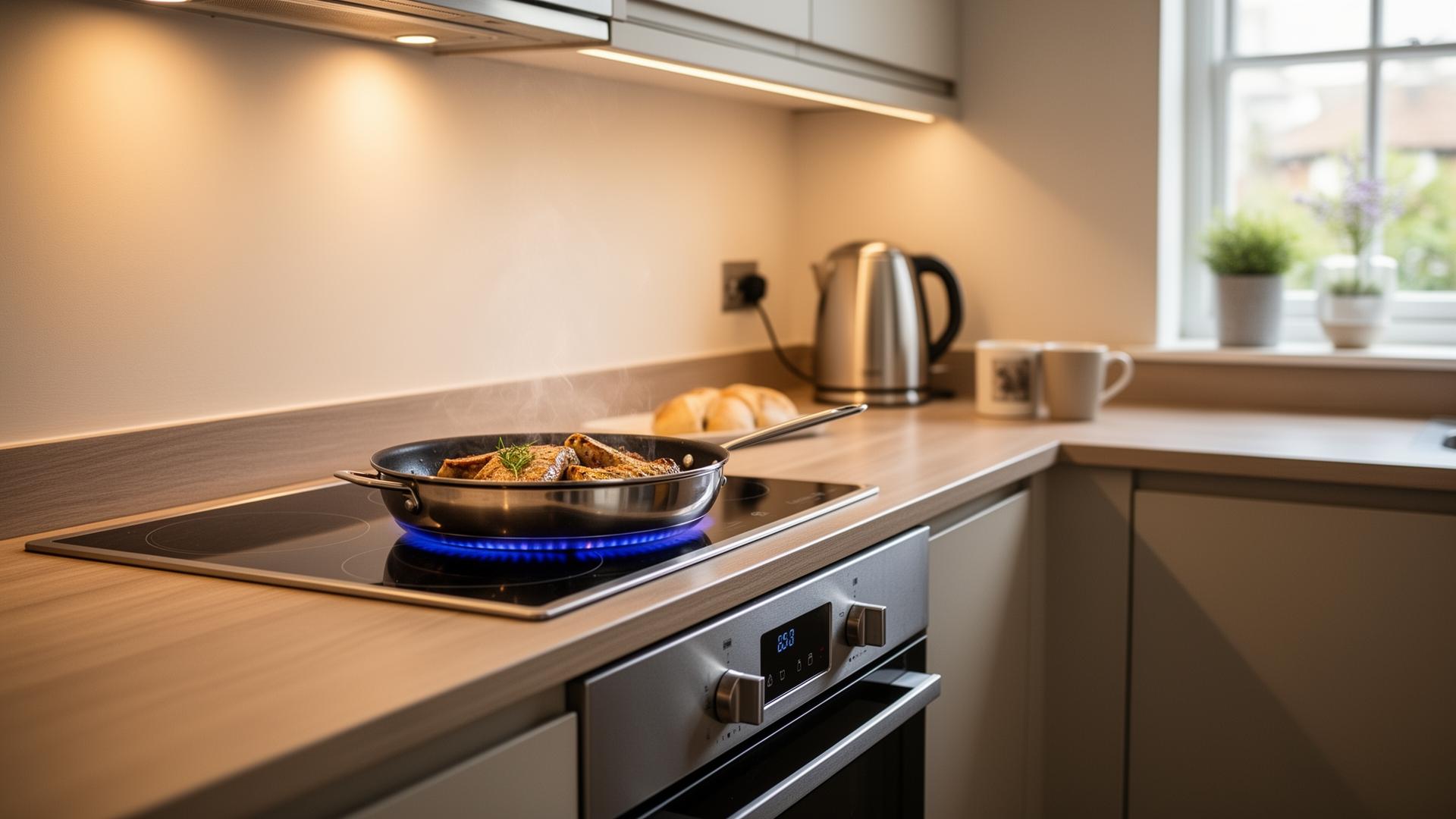
3. 'Boiling a full kettle is more efficient' — False. Boil only what you need. Saves £15/yr.
This myth stems from a misunderstanding of energy transfer and thermal mass. The idea is that an overloaded element is less efficient.
The Reality: Kettles are incredibly efficient at heating water. The energy used is directly proportional to the volume of water heated. Heating more water than you need simply wastes energy when that excess water cools.
UK Data & Example: The Energy Saving Trust suggests boiling only the water you need can save around £15 a year. With an average kettle drawing 2.5-3kW, boiling 1.5 litres daily instead of 0.5 litres (for one cup) consumes an extra 0.05 kWh per boil. Over a year, this accumulates to 18 kWh of wasted electricity. At 24.50p/kWh, that's over £4.40 per person in a household if they each waste this much. For a family making multiple hot drinks, this quickly adds up to the £15 figure and beyond.
Practical Guidance: Measure first:* Use your mug to measure the exact amount of water needed before adding it to the kettle. Consider a hot water dispenser:* For frequent single cups, these can be more efficient than a full kettle, instantly heating only the required amount.
Recommended Smart Heating Product
Control heating remotely and reduce wasted energy with one of the UK’s most popular smart thermostats.
View on Amazon UK4. 'Closing radiator valves in unused rooms wastes more' — False. Close them, but leave the door shut.
This myth often arises from the idea that the boiler works harder if some radiators are off, or that cold air migrates.
The Reality: If a room isn't being used, there's no logical reason to heat it. Closing the Thermostatic Radiator Valve (TRV) prevents hot water from flowing through that radiator, thus reducing the overall heat demand on your boiler. Sealing off the unused room by keeping the door shut prevents this cold air from cooling down the heated areas, making the strategy even more effective.
UK Data & Example: While difficult to put an exact monetary figure on, actively heating an unused bedroom could add roughly 5-10% to your heating bill. For a typical gas bill of £1,000-£1,500 per year, that's £50-£150 unnecessarily spent. In regional areas where homes might be larger or less well-insulated (e.g., older stone properties in rural Scotland or Cornwall), the potential for heat loss to unused zones is even greater.
Practical Guidance: Identify unused rooms:* Close TRVs in spare bedrooms, storage rooms, or any room not actively used. Keep doors shut:* This is crucial. It creates thermal zones and prevents cold air from infiltrating heated areas, which could cause your thermostat in the main living space to call for more heat. Frost protection:* For very cold unused rooms, set the TRV to the frost protection setting (often an asterisk or lowest number) to prevent pipes from freezing in winter.
5. 'Tumble dryers all cost the same' — False. Heat pump models cost ⅓ of vented.
This is a critical distinction that many consumers overlook when purchasing appliances, often swayed solely by upfront cost.
The Reality: There are three main types of tumble dryers: vented, condenser, and heat pump. Vented dryers:* Expel warm, damp air outside. Cheapest to buy but most expensive to run. Condenser dryers:* Collect water in a reservoir. More expensive than vented, but still energy-intensive. Heat pump dryers:* Recirculate air using a heat pump to extract moisture. Most expensive to buy, but incredibly energy efficient due to closed-loop heating.
Comparison Table: Tumble Dryer Annual Running Costs (Approximate)
| Dryer Type | Average Purchase Price (UK) | Estimated Energy Consumption (per cycle) | Annual Running Cost (4 loads/week, 24.5p/kWh electricity) |
|---|---|---|---|
| Vented | £200 - £350 | ~4-5 kWh | £200 - £260 |
| Condenser | £300 - £500 | ~3-4 kWh | £150 - £200 |
| Heat Pump | £500 - £1200+ | ~1-1.5 kWh | £50 - £80 |
← Swipe to see more →
Figures are estimates and can vary based on model, load size, and efficiency rating.
UK Data & Example: According to Which? and manufacturer data, a heat pump tumble dryer can use up to 70% less energy than a traditional vented or condenser dryer. For an average UK family doing 4 loads of laundry per week, that's a saving of over £150 per year on electricity. Over the lifespan of the appliance (typically 10 years), the initial higher investment in a heat pump model pays for itself multiple times over.
Practical Guidance: Check energy labels:* When buying, prioritise models with A+++ ratings. Optimise use:* Always run full loads. Use the lowest appropriate heat setting. Alternative:* When weather permits, air dry laundry outdoors or on an indoor clothes horse – it's free!
6. 'Solar doesn't work in winter' — False. Generates ~20% of summer output.
This widespread myth often deters potential solar panel installers in the UK. While winter generation is indeed lower, it's far from zero.
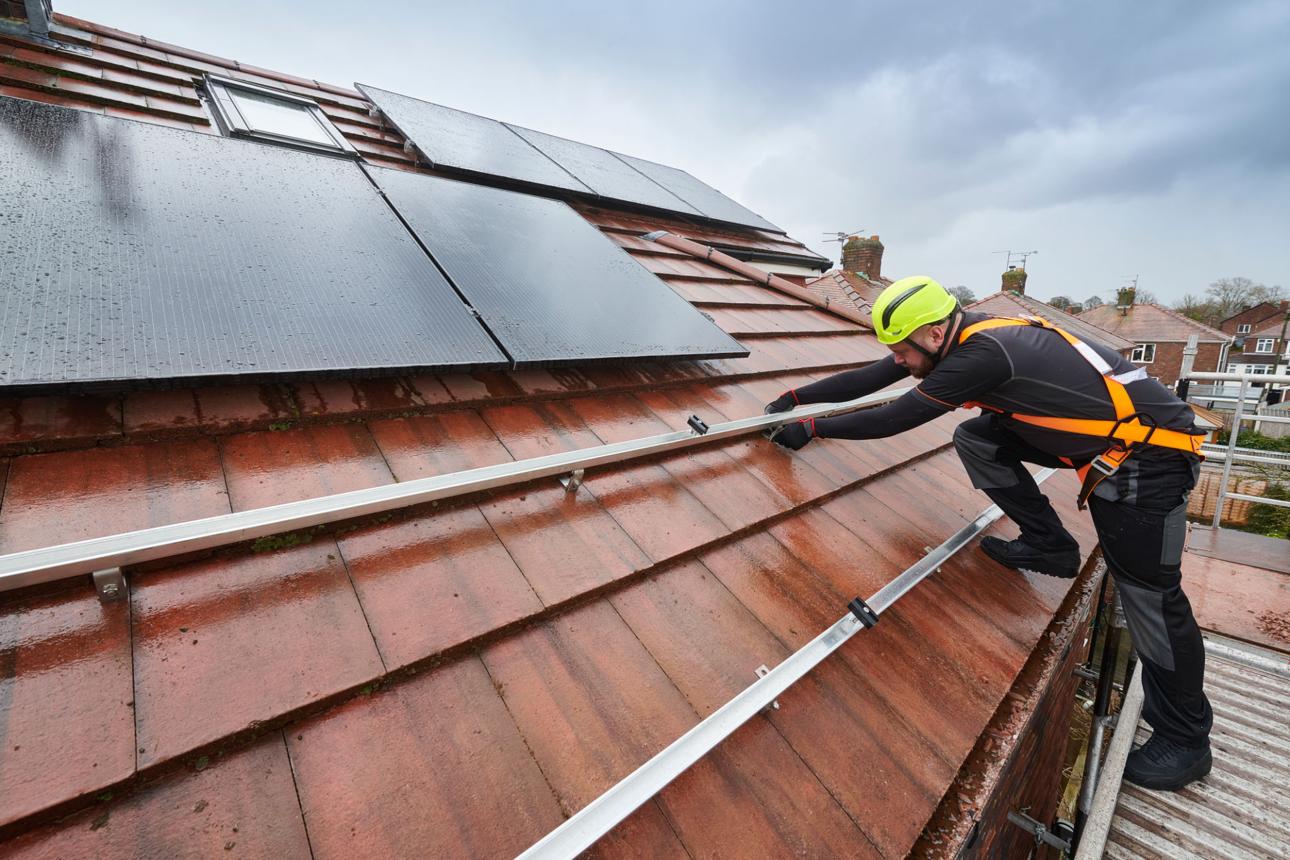
The Reality: Solar panels convert daylight into electricity, not just direct sunlight. Even on cloudy UK winter days, they will produce power. The efficiency is reduced due to lower sun angles, shorter daylight hours, and more cloud cover, but the system is still functional.
UK Data & Example: A typical 4kWp (kilowatt peak) solar system in the UK can generate around 3,500-4,000 kWh per year. Summer (e.g., July):* £100-£150+ in electricity generation (based on export tariffs and self-consumption offsetting 24.5p/kWh import). Winter (e.g., December):* £20-£30+. This represents roughly 15-20% of summer output but is still valuable, especially for offsetting baseline household electricity consumption. The Smart Export Guarantee (SEG) means any excess electricity (not used by your home) is sold back to the grid, typically at 4p-15p/kWh depending on your supplier.
Practical Guidance: Consider battery storage:* This can significantly improve winter solar ROI by storing generated power for evening use, rather than importing from the grid. Understand year-round performance:* Don't focus solely on peak summer generation; understand the annual benefit.
7. 'Closing curtains traps cold air' — False. Heavy curtains cut window heat loss 15%.
This is a curious misunderstanding. Some believe closing curtains creates a cold air pocket between the glass and the fabric.
The Reality: Good quality, heavy curtains (especially thermal-lined ones) act as an insulating layer. Windows are a major source of heat loss in properties, especially single or older double glazing. Curtains reduce convective currents and radiant heat loss.
UK Data & Example: The Energy Saving Trust estimates that correctly used curtains can reduce heat loss through windows by up to 15-17%. For a home with significant window area, this translates to tangible savings, potentially reducing a heating bill by £50-£100 over the winter months. For residents in older, draughty Victorian or Edwardian properties common in many UK cities, this is a particularly effective and low-cost intervention.
Practical Guidance: Close at dusk:* Draw curtains as soon as it gets dark, before the ambient outside temperature drops significantly. Open in daylight:* Open them fully during the day to maximise natural light and passive solar gain (especially on south-facing windows). Check for draughts:* Ensure curtains fully cover the window and ideally touch the windowsill or floor to prevent warm air from escaping and cold air from entering at the bottom. Thermal lining:* Consider adding thermal lining to existing curtains for enhanced insulation.
8. 'Bigger TVs always use more' — False. Modern OLED/QLED very efficient.
While historically true, advancements in display technology have changed this dynamic.
The Reality: The energy consumption of a TV is not solely determined by its screen size but rather by the display technology (LCD, LED, OLED, QLED), panel backlighting, and its energy efficiency rating. Modern OLED and QLED TVs, despite their larger sizes, are often incredibly efficient. They use sophisticated dimming techniques or self-illuminating pixels to display true blacks, which consume less power than constantly lit LCD panels trying to block light.
UK Data & Example: * An older 40-inch LCD TV might consume 100-150 watts. * A modern 55-inch OLED TV could consume 70-120 watts (depending on content and brightness settings). This means a brand new, larger TV could potentially use less energy than an older, smaller model. Comparing Energy Class labels is crucial. An older A-rated TV in 2010 might be equivalent to a modern F-rated TV due to updated EU/UK energy labelling.
Practical Guidance: Check the energy label:* When buying a new TV, always consult the energy efficiency label, focusing on the annual kWh consumption figure. Optimise settings:* Reduce brightness if not needed, use eco-modes, and ensure the TV is indeed switching off (not just to standby) when not in use.
9. 'Smart meters lower bills automatically' — False. Only IF you use the data.
This is a common misinterpretation propagated by marketing campaigns. Smart meters themselves are merely tools.
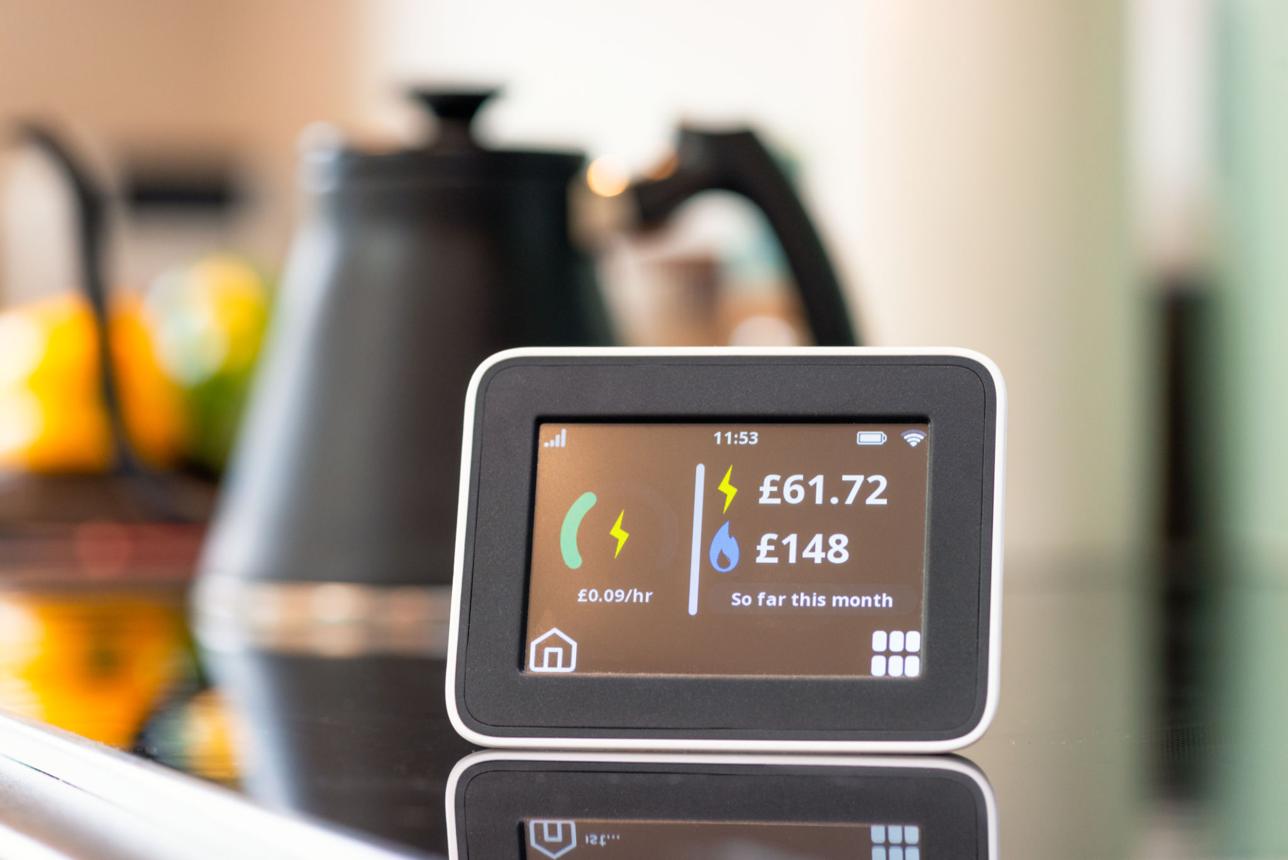
The Reality: A smart meter's primary function is to accurately measure your energy consumption and send readings directly to your supplier. It removes estimated bills and provides real-time data through an In-Home Display (IHD). The savings come from you actively engaging with that data to understand your energy usage patterns and make changes.
UK Data & Example: While the government aims for every home to have a smart meter, a 2018 BEIS study found that households with smart meters who actively engaged with their IHD and data saw average electricity savings of 3% and gas savings of 2%. For an average dual fuel bill of £1,800/yr (April 2024 price cap estimates), this could translate to savings of £36-£54 per year. Without engagement, smart meters offer no inherent savings.
Practical Guidance: Engage with your IHD:* Place your In-Home Display somewhere visible. Use it to check your real-time consumption when you switch on appliances. Monitor your usage:* Check your daily/weekly/monthly energy usage patterns. Can you identify peaks? What causes them? Download your supplier's app:* Most energy suppliers offer apps that provide detailed usage breakdowns, allowing you to track and interpret your data more effectively.
10. 'Hot taps cost more than cold' — True, but only marginally if your boiler stays on standby.
This statement is deceptively simple and requires nuance.
The Reality: Yes, hot water costs more because energy is needed to heat it. However, the 'cost' of a brief hot tap run vs. a boiler constantly heating a cylinder or being on standby for intermittent hot water calls is the pertinent point. If your boiler is already 'on' for heating or maintaining a hot water cylinder, running a small amount of hot water for, say, washing hands, only adds the marginal cost of pumping water and briefly calling for heat. The significant energy cost is for the continuous maintenance of hot water or heating up from cold. If you primarily use an electric immersion heater, then yes, any hot water use is directly incurring costs.
UK Data & Example: To heat 1 litre of water by 40°C (from 10°C to 50°C) requires approximately 0.046 kWh of energy. At a gas unit rate of 6.04p/kWh, that's just under 0.3p. Even with the boiler less efficient on short bursts, the cost of a quick hand wash is negligible compared to the larger energy uses in a household. The bigger financial drain comes from: Leaving hot water taps running unnecessarily.* Overheating your hot water cylinder.* Inefficient boilers constantly cycling to keep water hot.* Using an electric immersion heater for all hot water needs.*
Practical Guidance: Optimise boiler settings:* Set your boiler's hot water temperature to 50-55°C (to kill legionella but not waste energy). Use a timer for hot water:* If you have a hot water cylinder, only heat it for the periods you need hot water. Fix leaks:* A dripping hot tap isn't just annoying; it's literally dripping money.
Current Supplier Watch
FAQs
Q1: How does the Ofgem price cap affect these energy-saving tips?
The Ofgem price cap sets a maximum unit rate for electricity and gas. While it doesn't cap your total bill, it means that every kWh you save directly reduces your bill by the current cap's unit rate (e.g., 24.50p/kWh for electricity and 6.04p/kWh for gas as of April 2024). These saving tips become even more critical when unit rates are high, as the monetary value of each saved kWh is greater.
Q2: I'm renting; what energy-saving measures can I take?
Many of these tips are perfect for renters! You can: Program your thermostat (if accessible). Switch off appliances at the wall/unplug. Boil only what you need. Utilise thick curtains. Engage with your smart meter. Address draughts with temporary fixes (draught excluders, foam strips). Always check your tenancy agreement before making any permanent changes.
Q3: Is it cheaper to use electricity or gas for heating in the UK?
Generally, gas central heating is significantly cheaper than electric heating in the UK, primarily due to the lower unit cost of gas. As of April 2024, gas is around 6.04p/kWh, while electricity is 24.50p/kWh. This means electricity is roughly four times more expensive per unit of heat. However, specific scenarios (e.g., highly efficient heat pumps, tiny areas only needing occasional heat) can make electric options viable.
Q4: My energy bills are still high despite following these tips. What else can I do?
If you've implemented these tips and bills remain high, consider: Insulation: Loft and cavity wall insulation are highly effective but have upfront costs. Check for government grants. Draught-proofing: Seal gaps around windows, doors, and skirting boards. Appliance efficiency: Are your fridge/freezer or washing machine very old? Upgrading to A-rated appliances can yield savings. Boiler service: An inefficient boiler can waste significant energy. Get it serviced annually. * Check for errors: Ensure your smart meter is sending accurate readings and your supplier isn't overcharging you.
Q5: What's the "phantom load" and how much does it truly cost?
Phantom load is another term for standby power or vampire drain. It refers to the electricity consumed by appliances when they are plugged in but not actively in use (e.g., off but still drawing power for clocks, remote sensors, or quick start-up). As detailed in Myth 2, this costs the average UK household around £70 per year, but can be significantly more for gadget-heavy homes.
Recommended energy saving products
Independently chosen kit that helps UK households cut energy use.
Tapo P110 Smart Plug (Energy Monitoring)
See exactly which appliances are quietly inflating your bill — track real-time watts, kWh and runtime from your phone.
- Real-time energy monitoring
- Cuts standby/vampire power
- Schedule appliances off-peak
Estimated benefit: ~£40/yr standby savings
Shop on AmazonAd – affiliate link. PowerGuardian may earn a commission from Amazon or another approved affiliate partner at no extra cost to you.

Home Energy Monitor (Whole-House)
Track your whole-home electricity use live and find where the kWh are going before the bill lands.
- Whole-house live usage
- Spot expensive habits fast
- App history & alerts
Estimated benefit: Awareness cuts ~5-10% use
Shop on AmazonAd – affiliate link. PowerGuardian may earn a commission from Amazon or another approved affiliate partner at no extra cost to you.
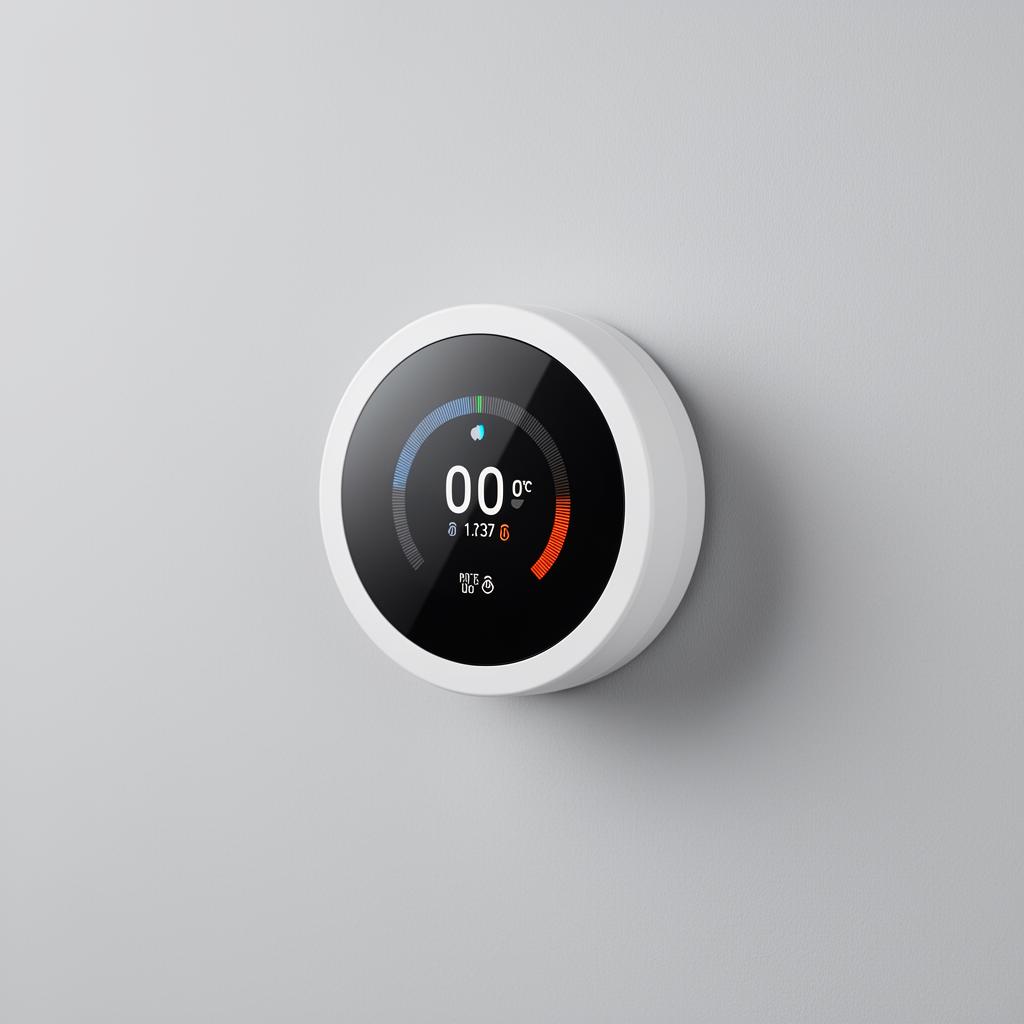
tado Smart Thermostat Starter Kit
Schedule, zone and remote-control your heating — independently shown to cut heating bills meaningfully.
- Heat only when needed
- Geofencing & schedules
- Room-by-room control
Estimated benefit: Up to ~£140/yr
Shop on AmazonAd – affiliate link. PowerGuardian may earn a commission from Amazon or another approved affiliate partner at no extra cost to you.
Affiliate links — we may earn a small commission at no extra cost to you. This keeps PowerGuardian free and independent.
Conclusion
Navigating the complexities of household energy consumption involves more than just a quick glance at the meter. By dismantling these 10 common UK energy myths with detailed analysis, UK-specific data, and actionable steps, Power Guardian UK aims to empower you to make truly informed decisions. From understanding the nuances of your heating system against the backdrop of the Ofgem price cap, to making smarter choices about appliance purchases and daily habits, every kilowatt-hour saved contributes not only to a lighter wallet but also to a more sustainable future. Don't fall for the folklore; arm yourself with facts and take control of your energy bill today.
Is it cheaper to leave my heating on low all day than to turn it off?
No, for most UK homes with decent insulation, it is more efficient to heat your home only when needed and then turn it off or significantly reduce it. Constantly running your boiler at a low temperature to maintain warmth in fluctuating conditions uses more energy than heating for specific periods. This can save you upwards of £90 per year.
How much money typically is wasted on "vampire drain" from devices on standby in the UK?
The average UK household wastes around £70 per year on standby power, known as 'vampire drain.' This equates to roughly 285 kWh of electricity annually at current unit rates (24.50p/kWh). For homes with many devices, this figure can easily exceed £100.
What are some examples of devices that commonly contribute to standby power drain?
Devices with illuminated displays, external power bricks that feel warm, or those that turn on instantly with a remote are prime culprits. Common examples include TVs, Sky/Virgin boxes, game consoles, computer monitors, phone chargers, microwaves (for their clocks), and audio systems.
Does boiling a full kettle save energy if its element is working harder?
No, boiling a full kettle does not save energy. Kettles are efficient, and the energy used is directly proportional to the water volume. Heating more water than needed wastes energy as the excess cools.
How much can I save by only boiling the water I need in my kettle?
By only boiling the water you need, you can save around £15 a year on your electricity bill. Wasting even a small amount daily, like boiling 1.5 litres instead of 0.5 litres, accumulates to significant wasted kWh and costs over a year.
Recommended kit
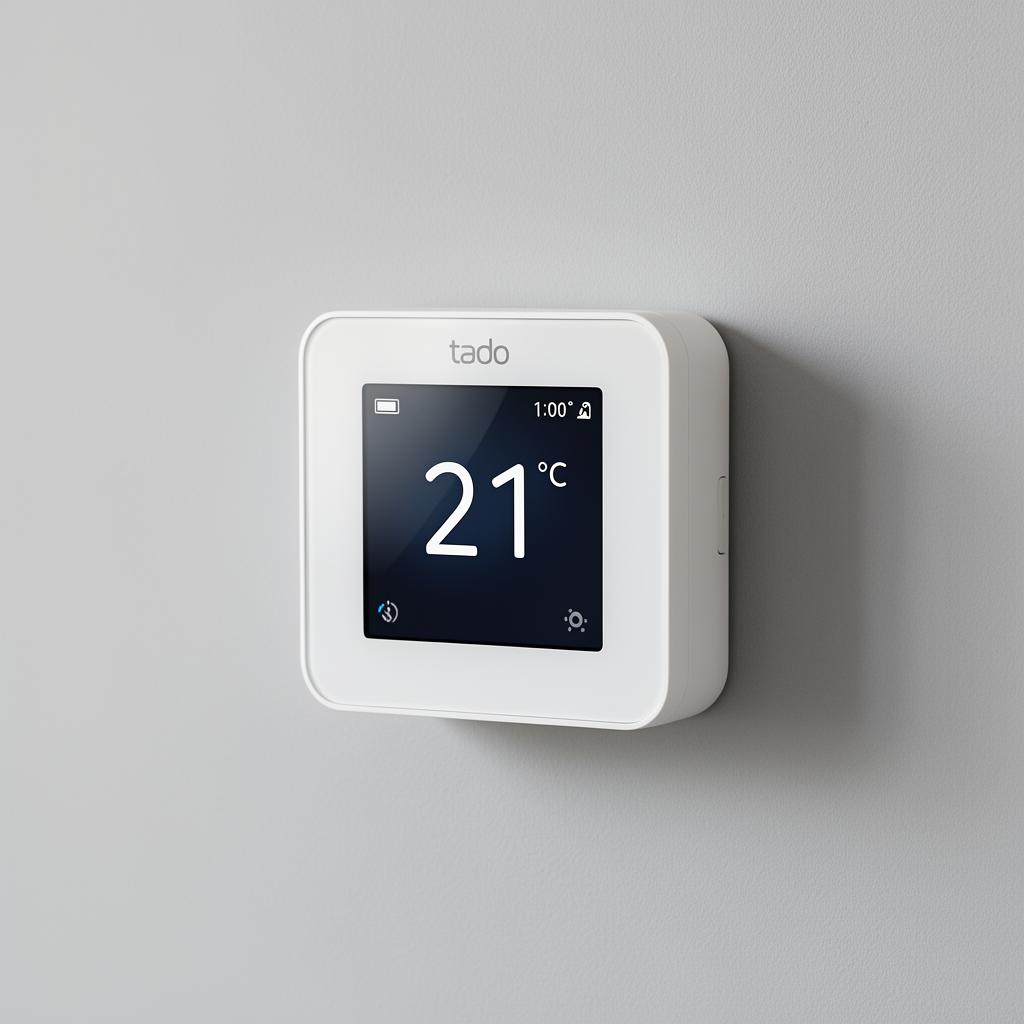
tado Smart Thermostat X
Schedule, zone and remote-control your heating — independently shown to cut heating bills by up to 28%.
Shop on Amazon