Energy prices in Sussex broadly follow the national domestic energy market rather than being set specifically for the county. Whether you live in Brighton, Chichester, Crawley, Eastbourne, Worthing, Hastings or a rural village in the South Downs, your electricity and gas prices are usually determined by your supplier, tariff and the national energy price framework.
That said, the amount households actually pay varies considerably because of differences in property size, heating systems, insulation, household usage and whether the home uses gas, electricity, oil or renewable energy.
This guide explains how energy pricing works across Sussex, what typical households are paying, and the practical steps residents can take to reduce their bills.
How Energy Prices Work in Sussex
There Is No Separate Sussex Energy Tariff
Unlike council tax or water charges, electricity and gas prices are not set by county councils.
Instead, bills are influenced by:
- Your energy supplier
- Whether you have a fixed or variable tariff
- Your annual energy usage
- Your property's heating system
- Regional network costs
- Daily standing charges
Every household pays for:
- Electricity used (per kWh)
- Gas used (per kWh)
- Daily standing charges for each fuel
The exact rates change over time as wholesale energy prices and the national energy market move.
Current Supplier Watch
Why Bills Differ Across Sussex
Coastal Properties
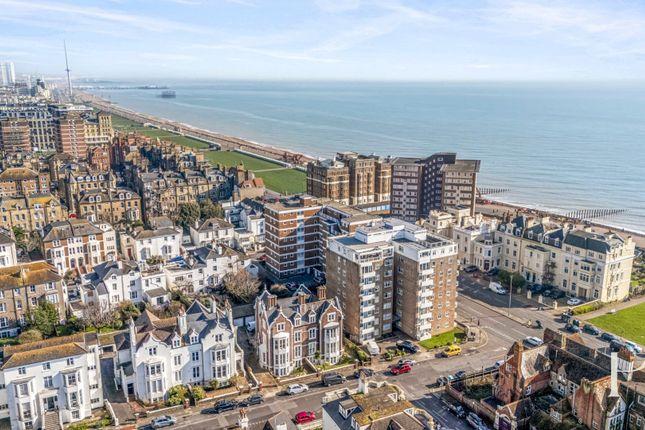
Many coastal homes in places such as Brighton, Eastbourne and Worthing are older Victorian or Edwardian properties.
These often have:
- Solid walls
- Higher ceilings
- Older windows
- Greater heat loss
Although the energy unit price is similar to elsewhere, these homes often consume more energy during winter.
Rural Sussex
Many villages across West Sussex and parts of East Sussex are not connected to the gas network.
Instead, homes may use:
- Heating oil
- LPG
- Electric heating
- Heat pumps
Oil and LPG prices are not covered by domestic electricity and gas pricing rules, making rural heating costs more volatile.
What Are the Energy Prices in Sussex?
Energy prices in Sussex broadly follow the national domestic energy market rather than being set specifically for the county. Whether you live in Brighton, Chichester, Crawley, Eastbourne, Worthing, Hastings or a rural village in the South Downs, your electricity and gas prices are usually determined by your supplier, tariff and the national energy price framework.
That said, the amount households actually pay varies considerably because of differences in property size, heating systems, insulation, household usage and whether the home uses gas, electricity, oil or renewable energy.
This guide explains how energy pricing works across Sussex, what typical households are paying, and the practical steps residents can take to reduce their bills.
How Energy Prices Work in Sussex
There Is No Separate Sussex Energy Tariff
Unlike council tax or water charges, electricity and gas prices are not set by county councils.
Instead, bills are influenced by:
- Your energy supplier
- Whether you have a fixed or variable tariff
- Your annual energy usage
- Your property's heating system
- Regional network costs
- Daily standing charges
Every household pays for:
- Electricity used (per kWh)
- Gas used (per kWh)
- Daily standing charges for each fuel
The exact rates change over time as wholesale energy prices and the national energy market move.
Why Bills Differ Across Sussex
Coastal Properties
Many coastal homes in places such as Brighton, Eastbourne and Worthing are older Victorian or Edwardian properties.
These often have:
- Solid walls
- Higher ceilings
- Older windows
- Greater heat loss
Although the energy unit price is similar to elsewhere, these homes often consume more energy during winter.
Rural Sussex
Many villages across West Sussex and parts of East Sussex are not connected to the gas network.
Instead, homes may use:
- Heating oil
- LPG
- Electric heating
- Heat pumps
Oil and LPG prices are not covered by domestic electricity and gas pricing rules, making rural heating costs more volatile.
New Developments
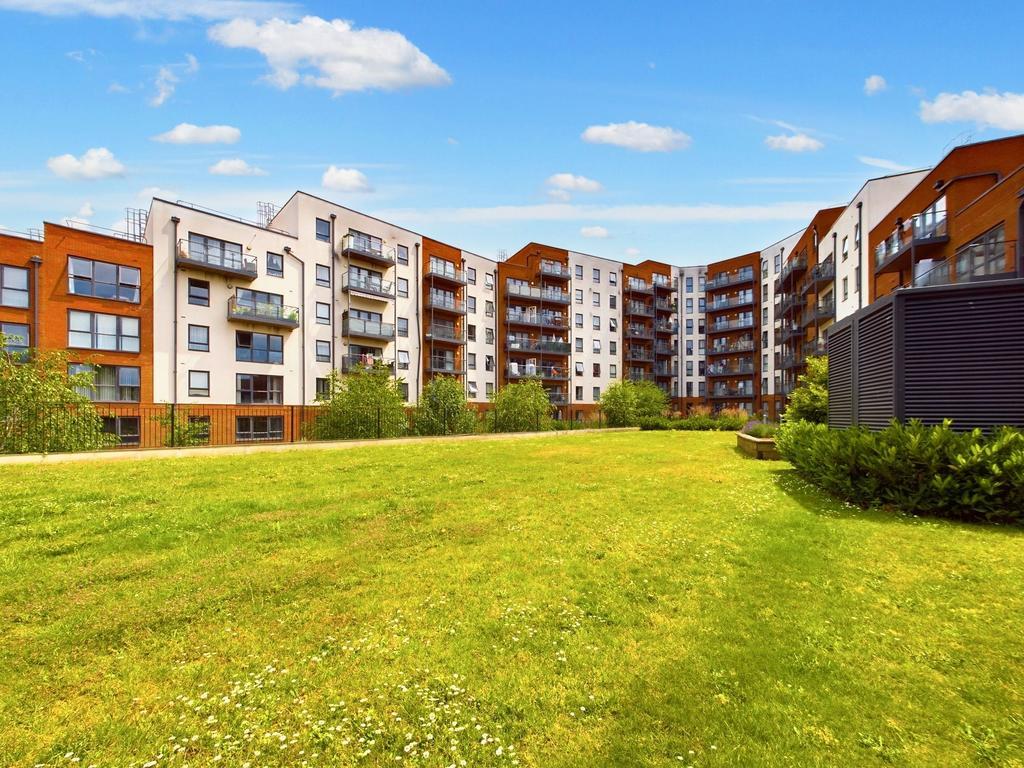
Modern developments in Crawley, Burgess Hill and parts of Horsham often achieve far better energy efficiency thanks to:
- Improved insulation
- Double or triple glazing
- Efficient boilers
- Better ventilation
- Higher EPC ratings
Two homes paying identical electricity prices can have dramatically different annual bills because one simply wastes far less energy.
Typical Annual Energy Costs
Small Flat
Typical characteristics:
- One or two occupants
- Gas central heating
- Average insulation
Annual energy costs are generally lower because heating demand is modest.
Semi-Detached Family Home
Typical characteristics:
- Three bedrooms
- Four occupants
- Gas heating
Heating usually represents the largest proportion of annual energy spending.
Large Detached Property
Typical characteristics:
- Four or five bedrooms
- Larger floor area
- Higher hot water demand
Even with efficient heating, larger homes naturally consume more electricity and gas.
Electricity Prices
What You Pay For
Electricity powers:
- Lighting
- Kitchen appliances
- Computers
- Televisions
- Washing machines
- Tumble dryers
- Electric vehicle charging
- Heat pumps
Electricity remains significantly more expensive per unit than mains gas, making electric heating more costly in many older homes unless combined with excellent insulation or modern heat pump technology.
Gas Prices
Natural Gas Still Heats Most Sussex Homes
Gas remains the primary heating fuel across much of Sussex.
Gas is commonly used for:
- Central heating
- Hot water
- Cooking
Because gas costs less per unit than electricity, homes using efficient gas boilers generally spend less on winter heating than properties relying on direct electric heaters.
Standing Charges
The Fixed Daily Cost
Standing charges apply every day, even if no energy is used.
These charges help fund:
- Local electricity networks
- Gas distribution
- Meter maintenance
- National infrastructure
- Supplier operating costs
Many households focus only on unit rates, but standing charges can make a noticeable contribution to annual bills.
Sussex Homes Most Likely to Have Higher Bills
Older Coastal Housing
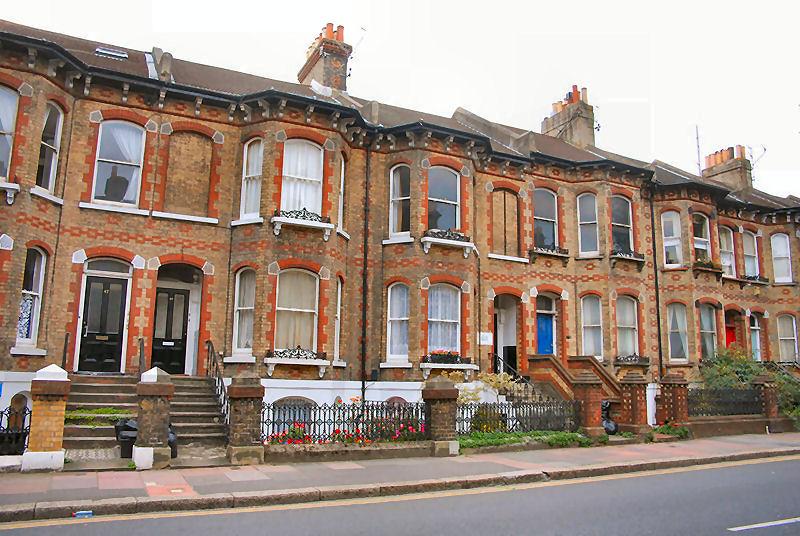
Many older homes around Brighton and Hastings require more heating because they lose heat more quickly.
Electric Heating
Homes without gas often experience higher winter costs when using storage heaters or panel heaters.
Poor Insulation
Loft insulation, cavity wall insulation and draught-proofing continue to offer some of the strongest returns on investment.
Large Family Homes
More occupants mean:
- More hot water
- More laundry
- More cooking
- Greater appliance use
All of these increase annual consumption.
Renewable Energy Across Sussex
Solar Panels
Sussex enjoys relatively good sunshine levels compared with many parts of the UK.
Many homeowners are installing rooftop solar panels to reduce daytime electricity purchases.
Benefits include:
- Lower electricity bills
- Reduced grid dependence
- Potential export payments for unused electricity
- Better long-term protection against rising prices
Battery systems allow households to store surplus solar electricity for evening use.
This can improve the value of a solar installation by reducing the need to buy electricity during peak periods.
Electric Vehicle Charging Costs
Home Charging
Charging an electric vehicle overnight on an appropriate tariff is usually much cheaper than using rapid public chargers.
Households with off-peak tariffs can often reduce charging costs significantly by scheduling charging overnight.
Ways Sussex Residents Can Reduce Their Bills
Install a Smart Meter
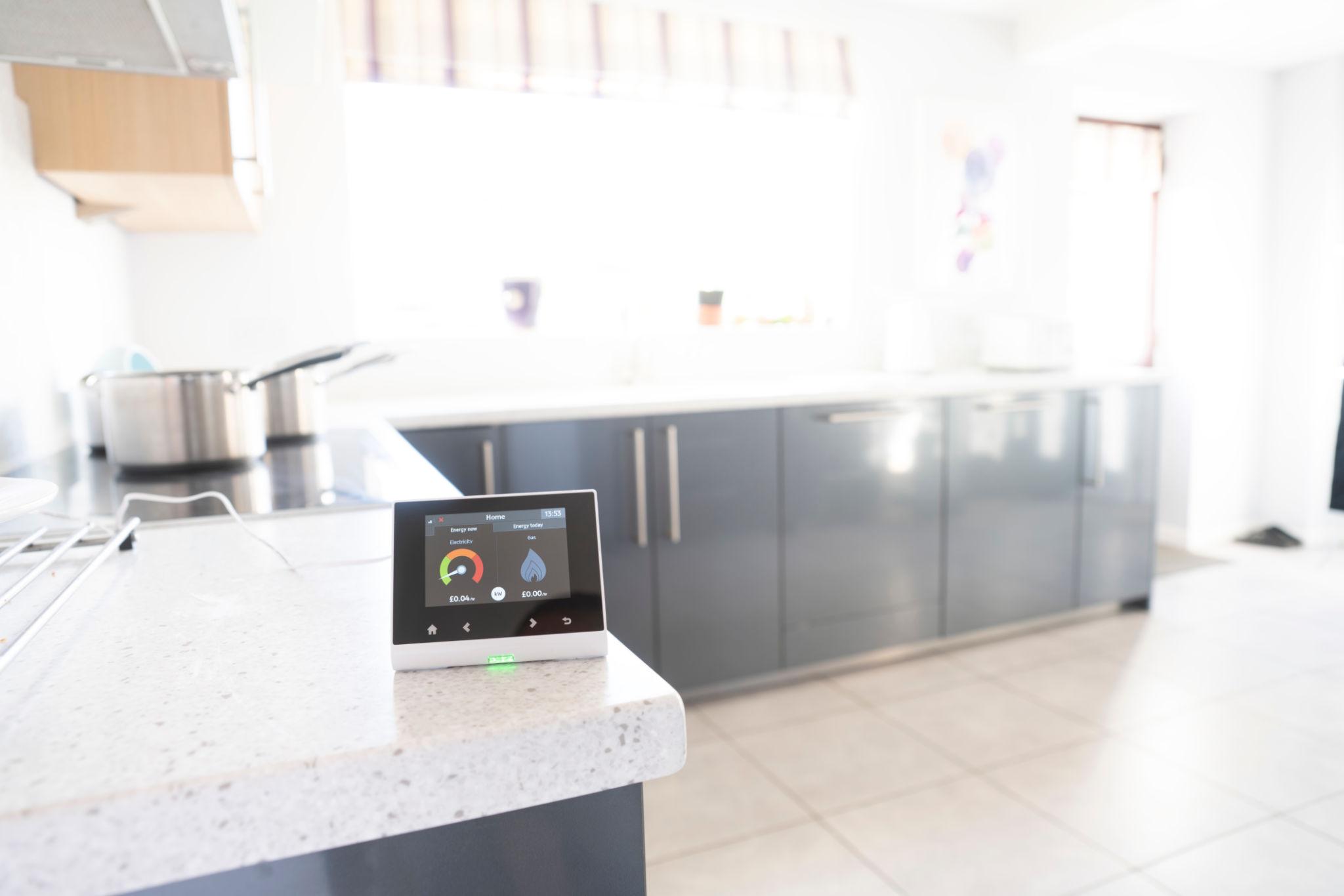
A smart meter provides near real-time information about energy consumption, helping households identify waste and adjust their habits.
Improve Insulation
Well-insulated homes require less heating throughout the year.
Priority improvements include:
- Loft insulation
- Cavity wall insulation
- Floor insulation
- Draught-proofing
Replace Older Appliances
Modern appliances often use considerably less electricity than models manufactured fifteen or twenty years ago.
Compare Tariffs Regularly
Many households remain on tariffs that are no longer competitive.
Checking available fixed and variable tariffs periodically can produce worthwhile savings.
Monitor High-Consumption Appliances
The biggest users often include:
- Tumble dryers
- Electric showers
- Electric ovens
- Immersion heaters
- Portable electric heaters
Understanding when and how these appliances are used can have a meaningful impact on annual costs.
The Outlook for Sussex Energy Prices
Wholesale Markets Continue to Influence Bills
Although domestic prices have stabilised compared with the sharp increases seen during the energy crisis, bills remain influenced by:
- International gas markets
- Electricity generation costs
- Network investment
- Seasonal demand
- Government policy
Future prices will continue to fluctuate, making energy efficiency one of the most reliable ways for Sussex households to reduce long-term costs.
Final Thoughts
Residents across Sussex do not pay a unique county-specific energy tariff, but the amount each household spends varies widely depending on the property, heating system and energy usage. Older coastal homes, rural off-grid properties and electrically heated homes generally face higher running costs than modern, well-insulated properties connected to the gas network.
The most effective long-term strategy is usually a combination of improving insulation, choosing an appropriate tariff, monitoring energy use with a smart meter and considering technologies such as solar panels, battery storage or heat pumps where suitable. These measures help reduce bills regardless of future movements in wholesale energy prices.
Reference Material and Research
- Ofgem guidance on the domestic energy price cap and standing charges.
- Department for Energy Security and Net Zero publications on household energy efficiency and policy.
- Energy Saving Trust advice on insulation, heating systems and reducing household energy use.
- Office for National Statistics housing and household statistics.
- National Energy System Operator information on Britain's electricity system and demand.
New Developments
Modern developments in Crawley, Burgess Hill and parts of Horsham often achieve far better energy efficiency thanks to:
- Improved insulation
- Double or triple glazing
- Efficient boilers
- Better ventilation
- Higher EPC ratings
Two homes paying identical electricity prices can have dramatically different annual bills because one simply wastes far less energy.
Typical Annual Energy Costs
Small Flat
Typical characteristics:
- One or two occupants
- Gas central heating
- Average insulation
Annual energy costs are generally lower because heating demand is modest.
Semi-Detached Family Home
Typical characteristics:
- Three bedrooms
- Four occupants
- Gas heating
Heating usually represents the largest proportion of annual energy spending.
Large Detached Property
Typical characteristics:
- Four or five bedrooms
- Larger floor area
- Higher hot water demand
Even with efficient heating, larger homes naturally consume more electricity and gas.
Electricity Prices
What You Pay For
Electricity powers:
- Lighting
- Kitchen appliances
- Computers
- Televisions
- Washing machines
- Tumble dryers
- Electric vehicle charging
- Heat pumps
Electricity remains significantly more expensive per unit than mains gas, making electric heating more costly in many older homes unless combined with excellent insulation or modern heat pump technology.
Gas Prices
Natural Gas Still Heats Most Sussex Homes
Gas remains the primary heating fuel across much of Sussex.
Gas is commonly used for:
- Central heating
- Hot water
- Cooking
Because gas costs less per unit than electricity, homes using efficient gas boilers generally spend less on winter heating than properties relying on direct electric heaters.
Standing Charges
The Fixed Daily Cost
Standing charges apply every day, even if no energy is used.
These charges help fund:
- Local electricity networks
- Gas distribution
- Meter maintenance
- National infrastructure
- Supplier operating costs
Many households focus only on unit rates, but standing charges can make a noticeable contribution to annual bills.
Sussex Homes Most Likely to Have Higher Bills
Older Coastal Housing
Many older homes around Brighton and Hastings require more heating because they lose heat more quickly.
Electric Heating
Homes without gas often experience higher winter costs when using storage heaters or panel heaters.
Poor Insulation
Loft insulation, cavity wall insulation and draught-proofing continue to offer some of the strongest returns on investment.
Large Family Homes
More occupants mean:
- More hot water
- More laundry
- More cooking
- Greater appliance use
All of these increase annual consumption.
Renewable Energy Across Sussex
Solar Panels
Sussex enjoys relatively good sunshine levels compared with many parts of the UK.
Many homeowners are installing rooftop solar panels to reduce daytime electricity purchases.
Benefits include:
- Lower electricity bills
- Reduced grid dependence
- Potential export payments for unused electricity
- Better long-term protection against rising prices
Battery Storage
Battery systems allow households to store surplus solar electricity for evening use.
This can improve the value of a solar installation by reducing the need to buy electricity during peak periods.
Electric Vehicle Charging Costs
Home Charging
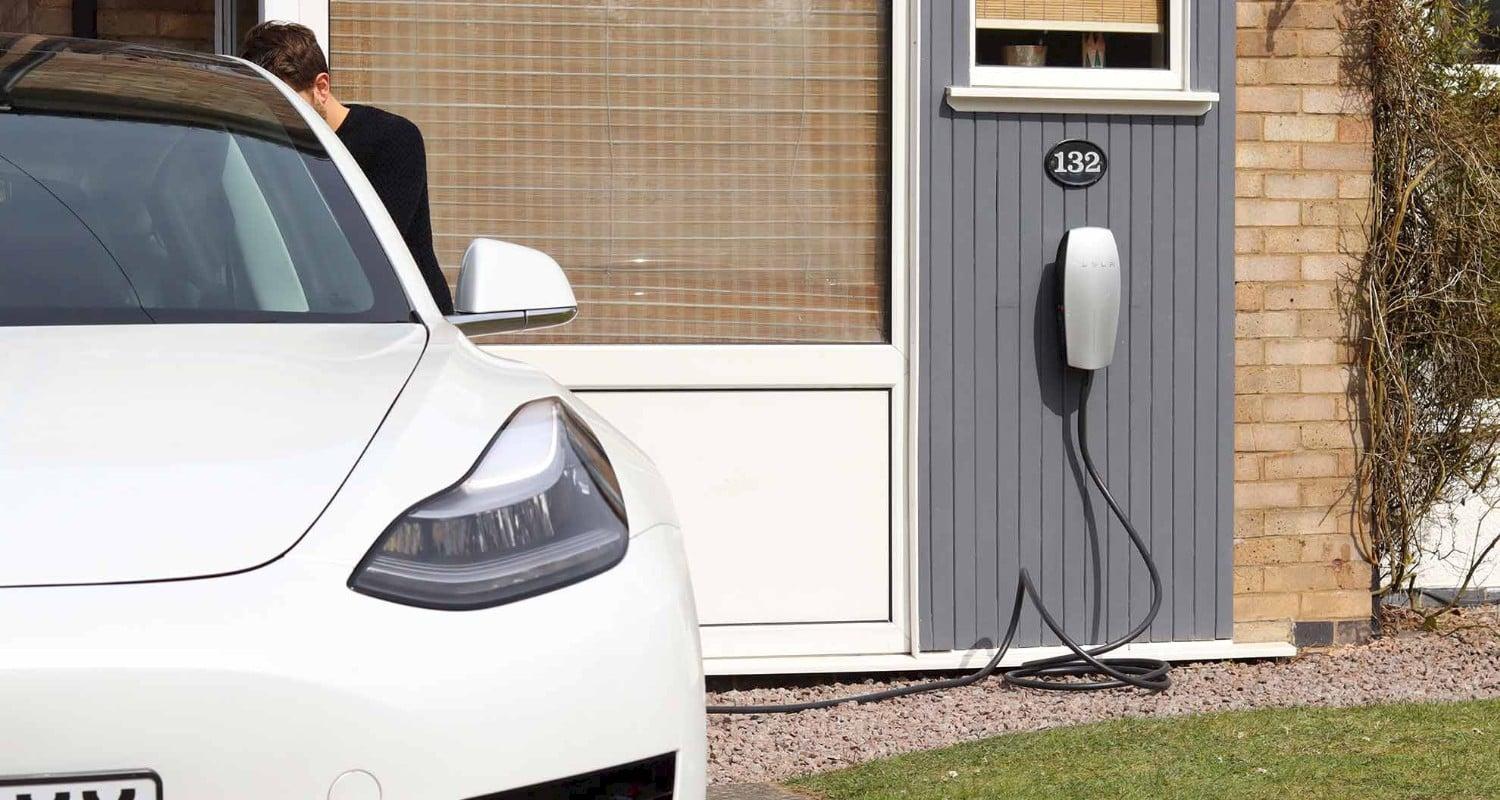
Charging an electric vehicle overnight on an appropriate tariff is usually much cheaper than using rapid public chargers.
Households with off-peak tariffs can often reduce charging costs significantly by scheduling charging overnight.
Ways Sussex Residents Can Reduce Their Bills
Install a Smart Meter
A smart meter provides near real-time information about energy consumption, helping households identify waste and adjust their habits.
Improve Insulation
Well-insulated homes require less heating throughout the year.
Priority improvements include:
- Loft insulation
- Cavity wall insulation
- Floor insulation
- Draught-proofing
Replace Older Appliances
Modern appliances often use considerably less electricity than models manufactured fifteen or twenty years ago.
Compare Tariffs Regularly
Many households remain on tariffs that are no longer competitive.
Checking available fixed and variable tariffs periodically can produce worthwhile savings.
Monitor High-Consumption Appliances
The biggest users often include:
- Tumble dryers
- Electric showers
- Electric ovens
- Immersion heaters
- Portable electric heaters
Understanding when and how these appliances are used can have a meaningful impact on annual costs.
The Outlook for Sussex Energy Prices
Wholesale Markets Continue to Influence Bills
Although domestic prices have stabilised compared with the sharp increases seen during the energy crisis, bills remain influenced by:
- International gas markets
- Electricity generation costs
- Network investment
- Seasonal demand
- Government policy
Future prices will continue to fluctuate, making energy efficiency one of the most reliable ways for Sussex households to reduce long-term costs.
Final Thoughts
Residents across Sussex do not pay a unique county-specific energy tariff, but the amount each household spends varies widely depending on the property, heating system and energy usage. Older coastal homes, rural off-grid properties and electrically heated homes generally face higher running costs than modern, well-insulated properties connected to the gas network.
The most effective long-term strategy is usually a combination of improving insulation, choosing an appropriate tariff, monitoring energy use with a smart meter and considering technologies such as solar panels, battery storage or heat pumps where suitable. These measures help reduce bills regardless of future movements in wholesale energy prices.
Reference Material and Research
- Ofgem guidance on the domestic energy price cap and standing charges.
- Department for Energy Security and Net Zero publications on household energy efficiency and policy.
- Energy Saving Trust advice on insulation, heating systems and reducing household energy use.
- Office for National Statistics housing and household statistics.
- National Energy System Operator information on Britain's electricity system and demand.
Recommended kit
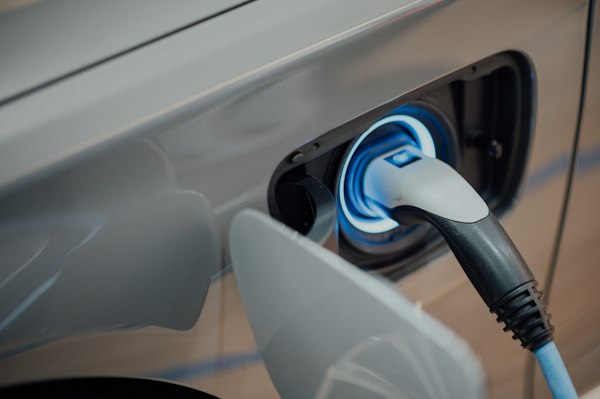
Type 2 EV Charging Cable 7m 32A
Reliable 7m Mode 3 Type 2 to Type 2 cable for public chargepoints — supports up to 7.4kW single-phase charging.
Shop on Amazon