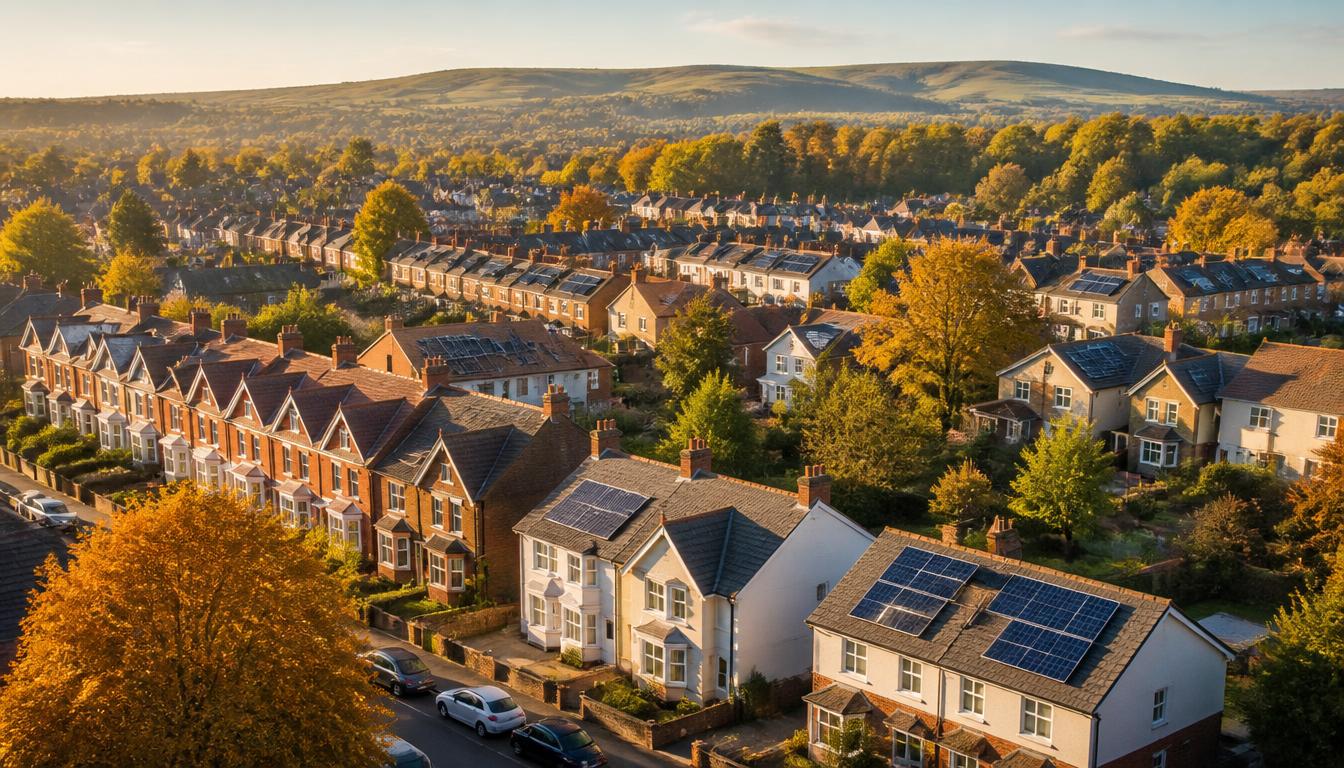
Hampshire is one of England''s largest counties, stretching from the New Forest and the South Coast to Winchester, Basingstoke and the edge of Greater London. Although energy unit rates are regulated nationally under the UK price cap, the total amount households pay varies considerably depending on property type, heating system, insulation levels and local housing stock.
From modern developments around Whiteley and Eastleigh to Victorian terraces in Portsmouth and rural oil-heated homes in the South Downs, Hampshire contains almost every type of property found in Britain. As a result, annual energy bills can vary by thousands of pounds.
This guide explains how energy prices work across Hampshire, what affects household bills, how much typical homes spend, and practical ways residents are reducing costs.
Understanding Energy Prices in Hampshire
Energy unit rates are set nationally
Households throughout Hampshire generally pay similar electricity and gas unit rates to the rest of England under the energy regulator''s price cap.
Typical capped tariffs during 2026 are approximately:
| Charge | Typical Price |
|---|---|
| Electricity | Around 25–30p per kWh |
| Gas | Around 6–8p per kWh |
| Electricity Standing Charge | Around 45–65p per day |
| Gas Standing Charge | Around 25–35p per day |
← Swipe to see more →
Actual prices depend on:
- Supplier
- Payment method
- Meter type
- Fixed or variable tariff
- Region
- Whether the customer has switched recently
Even a small difference of 2p per kWh can save well over £150 annually for an average Hampshire household.
Why Bills Differ Across Hampshire
Property age makes a major difference
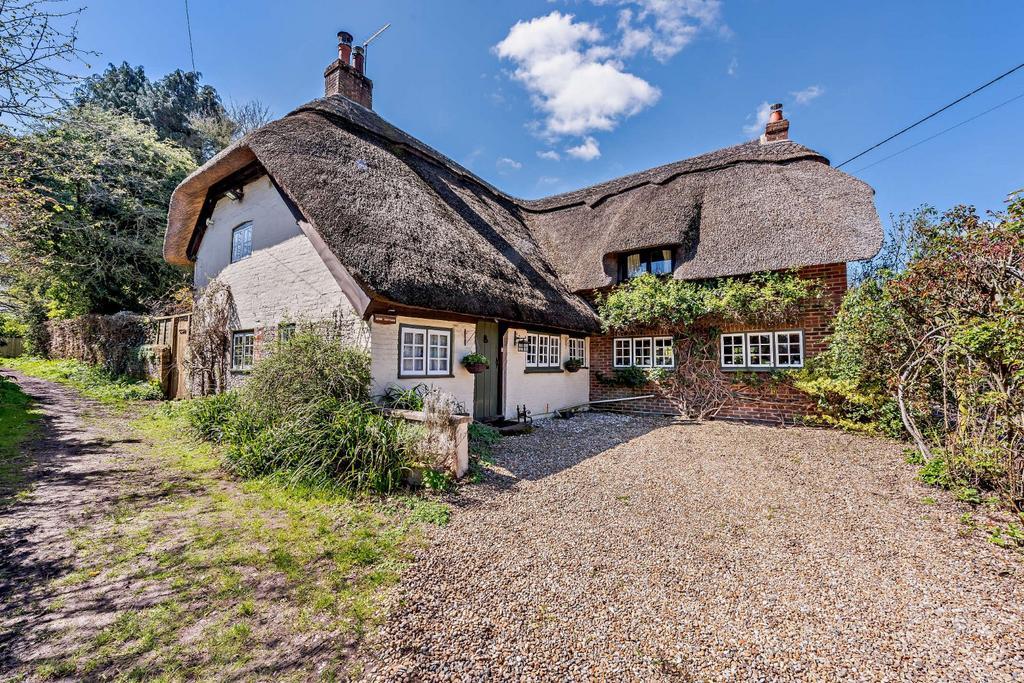
Hampshire contains housing dating from several centuries.
Examples include:
- Georgian properties in Winchester
- Victorian terraces in Southampton
- 1930s semi-detached homes around Fareham
- Modern estates in Whiteley
- Rural cottages throughout the New Forest
- Coastal homes around Hayling Island
Older homes usually have:
- Solid walls
- Larger rooms
- Higher ceilings
- Older glazing
- Less insulation
These characteristics increase heating demand during winter.
Modern developments generally require far less energy.
Rural households often face higher costs
Many villages across Hampshire remain off the gas grid.
Instead they may rely upon:
- Heating oil
- LPG
- Electric storage heaters
- Heat pumps
- Biomass
Oil prices fluctuate considerably throughout the year, making annual heating costs much less predictable than mains gas.
Current Supplier Watch
Typical Annual Energy Costs
Small flat
One-bedroom apartment
Typical usage:
- 1,800 kWh electricity
- 6,000 kWh gas
Estimated annual bill: £850–£1,200
Average family home
Three-bedroom semi-detached
Typical usage:
- 2,700 kWh electricity
- 11,500 kWh gas
Estimated annual bill: £1,500–£2,000
Large detached property
Four or five-bedroom home
Typical usage:
- 4,500+ kWh electricity
- 20,000+ kWh gas
Estimated annual bill: £2,500–£4,000+
Large rural homes with oil heating may spend considerably more during colder winters.
Hampshire''s Coastal Climate
Weather influences heating demand
Although Hampshire enjoys one of England''s milder climates, winter temperatures still create significant heating requirements.
Average winter conditions include:
- Regular overnight frosts
- Damp Atlantic air
- Coastal winds
- High humidity
Homes near:
- Portsmouth
- Gosport
- Southsea
- Hayling Island
can experience additional heat loss because of stronger coastal winds.
Meanwhile inland areas around Basingstoke often experience colder overnight temperatures.
Standing Charges Still Matter
Daily charges continue even when little energy is used
Standing charges apply regardless of consumption.
Typical annual costs:
- Electricity: Around £200 per year
- Gas: Around £100 per year
Combined standing charges can therefore exceed £300 annually before any energy is used.
For lower-usage households, these charges form a significant proportion of the total bill.
How Hampshire Residents Are Reducing Bills
Smart meters
Many households are using smart meters to:
- Track daily usage
- Identify expensive appliances
- Reduce estimated billing
- Monitor seasonal trends
Families often discover that small behavioural changes can noticeably reduce annual costs.
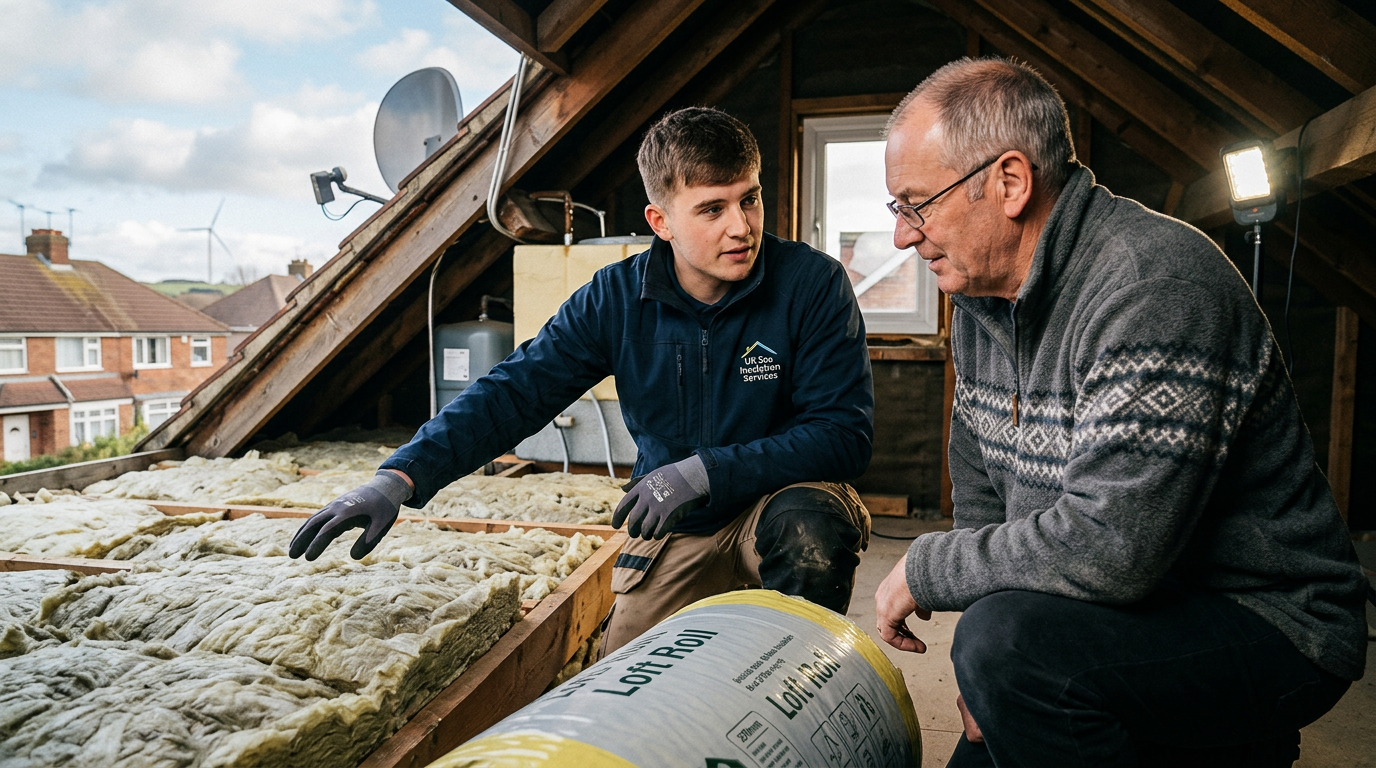
Better insulation
Popular improvements include:
- Loft insulation
- Cavity wall insulation
- Floor insulation
- Draught-proofing
- Double or triple glazing
These improvements often provide some of the fastest returns on investment.
Heat pumps
Installations continue to increase across Hampshire, particularly in:
- New developments
- Rural properties
- Homes replacing oil heating
Heat pumps can significantly reduce carbon emissions while lowering running costs when paired with good insulation.
Solar panels
Hampshire receives relatively good levels of sunshine compared with many parts of Britain.
Solar panels are increasingly common across:
- Winchester
- Fareham
- Eastleigh
- Basingstoke
- Andover
Households combining solar panels with battery storage can reduce reliance on grid electricity during daylight hours.
Hampshire Areas Seeing Strong Energy Improvements
Several districts have invested in improving housing efficiency through retrofit programmes and new-build standards.
Examples include:
- Southampton
- Portsmouth
- Eastleigh
- Winchester
- Basingstoke and Deane
- Test Valley
Many residents have benefitted from improved insulation, replacement heating systems and renewable energy installations.
What Uses the Most Energy?
Heating remains the biggest expense
For a typical Hampshire home:
| Energy Use | Approximate Share |
|---|---|
| Space heating | 50–60% |
| Hot water | 15–20% |
| Appliances | 15% |
| Lighting | 5% |
| Cooking | 3–5% |
← Swipe to see more →
Reducing heating demand generally delivers the largest savings.
Should Hampshire Residents Switch Supplier?
Regular comparisons remain worthwhile
Energy suppliers regularly introduce:
- New fixed tariffs
- Cashback offers
- Green energy options
- Smart tariff discounts
Even households that switched within the last year may find better deals become available.
Reviewing tariffs every 12 months remains good practice.
Support Available
Help with rising energy costs
Some Hampshire households may qualify for financial support depending on eligibility.
Potential assistance includes:
- Warm Home Discount
- Winter Fuel Payment
- Pension Credit
- Boiler Upgrade Scheme
- ECO home energy efficiency schemes
- Local authority support funds
Checking eligibility each year is worthwhile, as schemes and criteria can change.
Looking Ahead
Hampshire''s energy future
The county is expected to see continued investment in:
- Renewable electricity
- Smart grids
- Battery storage
- Electric vehicle charging
- Heat pump adoption
- Home insulation improvements
As more households generate and store their own electricity, traditional energy consumption patterns are likely to evolve, helping some residents reduce long-term energy costs while supporting the UK''s transition to a lower-carbon energy system.
References and Further Reading
For the latest official information and research, consult:
- Ofgem guidance on the energy price cap and consumer protections.
- Department for Energy Security and Net Zero publications on energy policy, grants and household support.
- Energy Saving Trust advice on improving home energy efficiency and reducing bills.
- Office for National Statistics housing and household energy data.
- Met Office climate data and regional weather statistics relevant to domestic heating demand.
Recommended kit
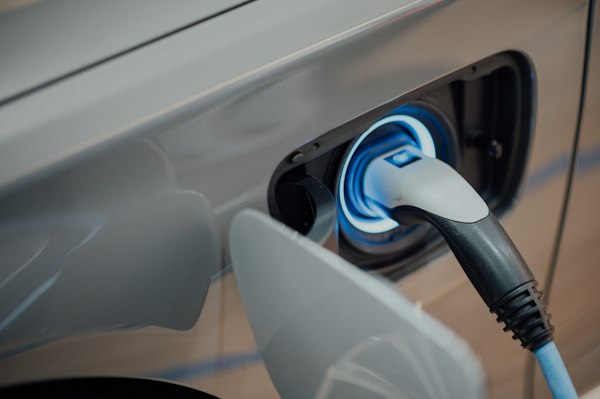
Type 2 EV Charging Cable 7m 32A
Reliable 7m Mode 3 Type 2 to Type 2 cable for public chargepoints — supports up to 7.4kW single-phase charging.
Shop on Amazon