Birmingham is one of the cheaper big UK cities for energy — but only if you know where to look. Households on default variable tariffs are still paying hundreds of pounds a year more than they need to. This guide breaks down what Birmingham residents are actually paying in 2026, how the Midlands region compares to the rest of the country, and which types of deals genuinely offer the best value right now.
What Birmingham households are paying in 2026
A typical dual-fuel Birmingham home (3-bed semi, 2–3 occupants, gas central heating) is paying around £138 a month by direct debit — slightly below the UK average of £141. Smaller flats in the city centre pay closer to £85–£100, while larger detached homes in the suburbs (Edgbaston, Sutton Coldfield, Solihull border) often exceed £180.
The reason Birmingham is a touch cheaper than the national average is its distribution network region: the West Midlands, served by National Grid Electricity Distribution (formerly Western Power Distribution). Standing charges and unit rates in this region are middle-of-the-pack — significantly lower than the South West or North Scotland, but a little higher than London.
- See exactly how the Midlands compares on the Regional Price Map.
Current Supplier Watch
Midlands standing charges and unit rates
Under the current price cap, a typical B-postcode household pays roughly:
- Electricity standing charge: ~58p per day
- Electricity unit rate: ~26p per kWh
- Gas standing charge: ~32p per day
- Gas unit rate: ~6.3p per kWh
That works out at about £325 a year in standing charges alone before you use any energy. This is the figure the cheapest tariffs target — anything that meaningfully lowers either the standing charge or the unit rate is worth a closer look.
What counts as a "good" deal in Birmingham right now
A genuinely competitive 2026 deal for a Birmingham household should hit at least one of these benchmarks:
- Annual cost 5%+ below the price cap for your usage. For a typical 3-bed semi, that means under £1,575/year dual fuel.
- Fixed for 12 months with no exit fees, so you are protected if winter wholesale prices spike.
- Standing charge under 50p/day for electricity, especially valuable for low-usage households.
Beware deals that look cheap on unit rate but bury costs in high standing charges or large exit fees.
The cheapest tariff types right now
Across the providers we monitor for Birmingham postcodes, three tariff structures are consistently the best value in 2026:
1. 12-month fixed (no exit fees)
The sweet spot for most households. Locks in your unit rate and standing charge for a year, with no penalty if a better deal comes along. Currently around 4–7% below the cap from challenger suppliers.
2. Tracker tariffs (wholesale-linked)
Your unit rate moves with the wholesale market, updated daily or monthly. When wholesale prices fall — as they typically do in spring and summer — you save immediately. Best suited to households who can tolerate some monthly variation.
3. Low-standing-charge tariffs
A small number of suppliers offer tariffs with standing charges under 30p/day, balanced by slightly higher unit rates. Ideal for flats, single occupants, second homes and holiday lets where total usage is low.
- Compare like-for-like annual costs using the Bill Calculator.
Birmingham-specific things to check
A few quirks that affect B-postcode households more than the national average:
- Older Victorian terraces in Moseley, Kings Heath, Selly Oak and Bournville often have solid walls and poor insulation. The "best deal" for these homes is usually the one bundled with a free smart meter and in-home display, because awareness of usage typically saves more than the tariff itself.
- New-build estates in places like Longbridge and Perry Barr often have heat pumps or all-electric heating. These households should specifically look at time-of-use tariffs (Economy 7 or smart half-hourly), not standard dual-fuel deals.
- Student-heavy areas (Selly Oak, Edgbaston) have high churn and many bills-included rentals. If you are renting bills-out, switching is usually worth it even for a short tenancy — most fixes have no exit fee.
How to actually find your best deal
Three steps, in order:
- Check what you are paying now vs the fair range for your home. The Overpayment Checker takes 30 seconds and tells you whether switching is worth the effort.
- Compare on annual cost, not headline unit rate. Use the Bill Calculator with your actual kWh usage from a recent bill.
- Read the small print on exit fees and standing charges. A "cheaper" deal with a £75 exit fee per fuel can wipe out the saving.
The bottom line for Birmingham
Birmingham households have one of the better deals geographically — the Midlands region keeps standing charges sensible, and there is healthy competition between suppliers in the B-postcode area. But the gap between the cheapest available tariff and the standard variable cap is still typically £150–£300 a year for an average home.
The savings are real and the switching process takes about 10 minutes. Start with the Overpayment Checker to see whether you are one of the households leaving money on the table — and use the Regional Price Map to see exactly how the Midlands compares to the rest of the UK.
Why is Birmingham's energy generally cheaper than the UK average?
Birmingham is located in the West Midlands distribution region, which is served by National Grid Electricity Distribution. Standing charges and unit rates in this specific region are lower than in areas like the South West or North Scotland, contributing to a slightly cheaper average.
What are typical standing charges and unit rates for Birmingham households under the current price cap?
Under the current price cap, a typical B-postcode household pays around 58p per day for electricity standing charge and 26p per kWh for electricity unit rate. For gas, the standing charge is approximately 32p per day and the unit rate is about 6.3p per kWh. This totals roughly £325 a year in standing charges alone.
What defines a "good" energy deal for a Birmingham household in 2026?
A good deal should aim for an annual cost at least 5% below the price cap for your usage or be fixed for 12 months with no exit fees. Additionally, tariffs with an electricity standing charge under 50p/day are particularly valuable for low-usage households.
Which types of tariffs offer the best value for Birmingham residents right now?
The article highlights 12-month fixed tariffs with no exit fees, tracker tariffs linked to wholesale prices, and low-standing-charge tariffs as offering the best value. Low-standing-charge tariffs are particularly beneficial for low-usage properties like flats or second homes.
How much can an average Birmingham household save by switching from a default tariff?
For an average home, the gap between the cheapest available tariff and the standard variable cap typically ranges from £150 to £300 a year. The article recommends using the Overpayment Checker to assess potential savings.
Recommended kit
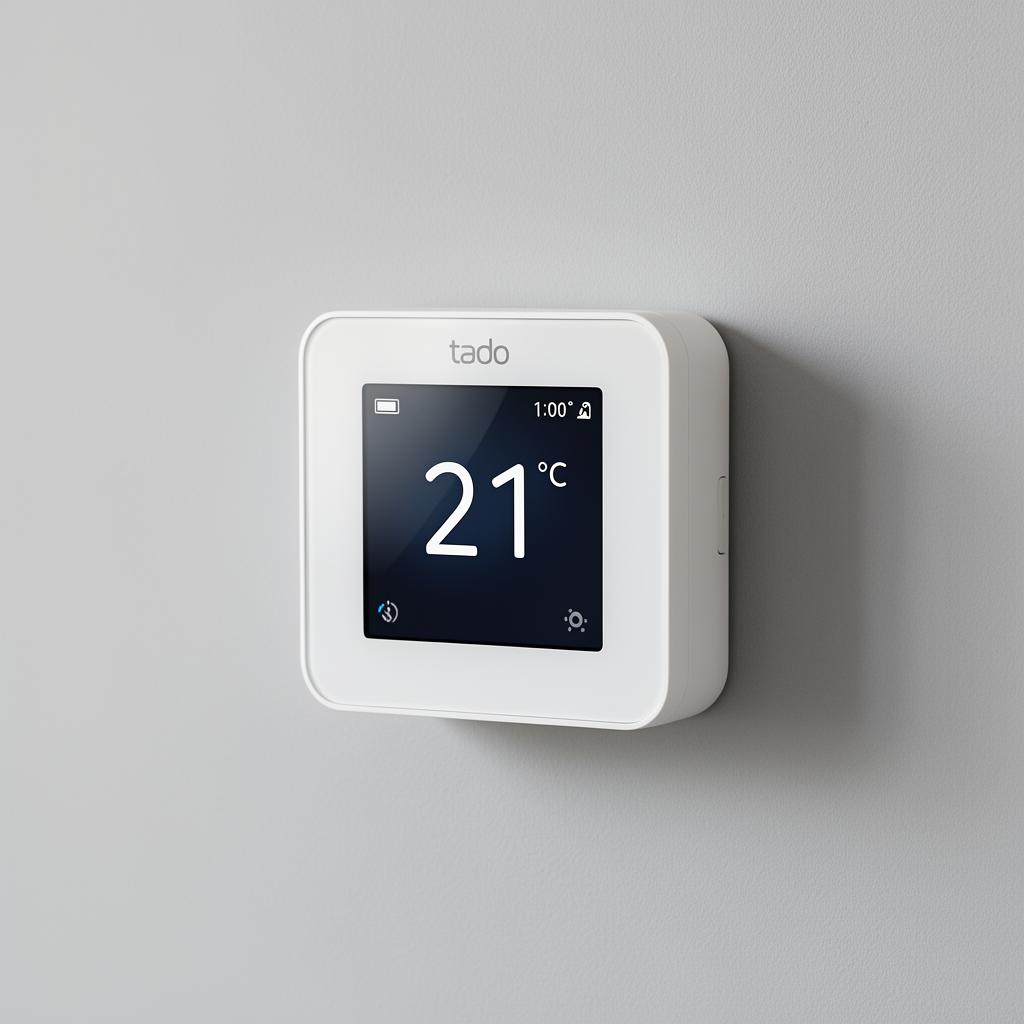
tado Smart Thermostat X
Schedule, zone and remote-control your heating — independently shown to cut heating bills by up to 28%.
Shop on Amazon