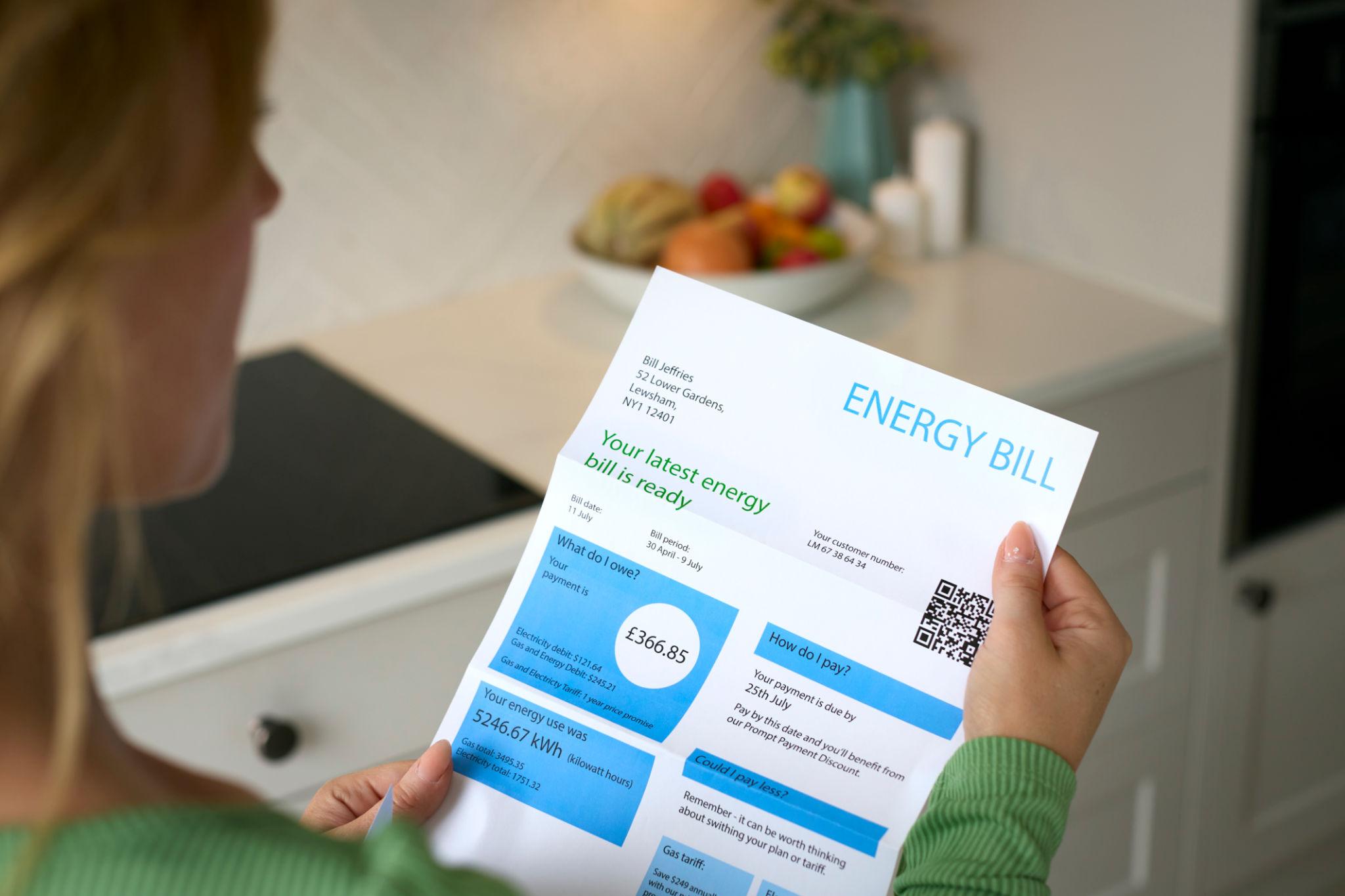
Birmingham households and businesses are still under pressure from energy costs in 2026, despite prices calming compared to the peak crisis years of 2022 and 2023. The headlines say things are "improving", but many residents across the West Midlands would probably like to meet the person writing those headlines. Standing charges remain stubbornly high, fixed deals are confusing, and electricity costs in the UK are still among the highest in Europe.
For Birmingham specifically, costs vary heavily depending on housing type, heating method, insulation quality, and postcode area. A poorly insulated terraced property in Erdington can easily cost twice as much to heat as a modern flat in the city centre.
Average Energy Bills in Birmingham
Typical Monthly Costs for Birmingham Homes
As of spring 2026, typical combined gas and electricity bills in Birmingham are approximately:
- Small flat: £85–£130/month (£1,020–£1,560/year)
- Medium semi-detached home: £150–£240/month (£1,800–£2,880/year)
- Large detached property: £280–£450+/month (£3,360–£5,400+/year)
These figures reflect realistic usage patterns under the current Ofgem energy price cap structure and average Midlands weather conditions. Households using electric-only heating or older storage heaters often face significantly higher bills, especially during winter.
Why Birmingham Energy Bills Vary So Much
Older Housing Stock Across the West Midlands
Large areas of Birmingham contain older brick housing built long before modern insulation standards existed. Areas including Erdington, Handsworth, Small Heath, Aston, Kings Heath and Selly Oak often contain homes with solid brick walls, poor loft insulation, older boilers, draught issues and inefficient windows. That means heating systems work harder for longer.
A modern new-build in Digbeth may require half the heating energy of a similar-sized Victorian terrace in Sparkbrook.
Electricity Costs Remain the Biggest Problem
UK electricity pricing is still disproportionately expensive because wholesale gas prices heavily influence electricity generation costs. Typical Birmingham electricity rates in 2026:
- Standard variable tariff: 24p–29p per kWh
- Fixed tariff: 22p–27p per kWh
- EV overnight tariffs: 7p–12p per kWh overnight
Gas prices remain lower per unit, usually around 5p–8p per kWh. This is why electric heating often becomes brutally expensive in winter.
Standing Charges Continue To Anger Consumers
Birmingham Residents Often Pay Even Before Using Energy
One of the most criticised aspects of UK energy pricing remains the standing charge. Typical daily standing charges in Birmingham in 2026:
- Electricity: 45p–70p per day
- Gas: 25p–40p per day
That means many households automatically pay £25–£35 per month before meaningful energy usage even begins. Low-income households and pensioners are particularly affected because reducing usage does not eliminate these charges.
Birmingham Business Energy Costs
Small Businesses Are Still Under Pressure
Typical monthly electricity costs for small businesses:
- Small café: £350–£900
- Hair salon: £250–£700
- Convenience shop: £400–£1,200
- Warehouse unit: £800–£4,000+
Industrial areas around Tyseley, Aston, Smethwick and Digbeth have seen some firms reduce operating hours purely to manage electricity usage.
Birmingham Hospitality Businesses Face Hidden Costs
Restaurants and takeaways often suffer from commercial standing charges, peak-time electricity rates, refrigeration costs, ventilation requirements, smart meter disputes and contract rollover pricing. Some businesses unknowingly roll onto expensive deemed tariffs after contracts expire — which can increase rates dramatically overnight.
Which Birmingham Households Pay The Most?
The highest bills in Birmingham are usually found in poorly insulated rented properties, electric-only flats, large family homes, houses with old boilers and homes with prepayment meters. Prepayment users still often face worse tariff structures despite regulatory pressure.
Research from charities and fuel poverty organisations regularly highlights areas including Ladywood, Lozells, Washwood Heath, Sparkhill and Nechells where households face severe pressure between heating and food costs.
Smart Meters In Birmingham: Helpful Or Frustrating?
Smart meter adoption across Birmingham has increased significantly, but complaints continue around inaccurate readings, connectivity problems, switching supplier issues, display failures and billing disputes. SMETS2 meters are generally more reliable than older SMETS1 models, but residents in tower blocks and older buildings still report communication failures.
Typical realistic behavioural savings sit around 3% to 8% annually — not the magical fantasy occasionally implied in supplier advertising.
EV Charging Costs In Birmingham
Birmingham EV drivers face major pricing inconsistencies:
- Slow charger: 35p–55p per kWh
- Fast charger: 55p–79p per kWh
- Rapid charger: 79p–£1+ per kWh
A Birmingham driver charging a 60kWh EV battery pays roughly £5–£8 on a home overnight tariff, £30–£45 on a standard public charger, and £50–£65 on a motorway rapid charger.
How Birmingham Residents Are Reducing Costs
- Loft insulation: reduces heating demand by 10%–25%
- Smart heating controls: realistically reduce waste by 5%–12%
- Air fryers and efficient cooking: measurable reductions vs traditional ovens
- Carefully switching fixed tariffs: £200–£500 annual savings for some households
Heat pump adoption is increasing but remains limited because installation costs are high, older Birmingham housing stock is harder to retrofit, and many homes still require radiator upgrades.
Birmingham Energy Costs Compared To Other UK Cities
Birmingham sits in the middle of the UK pricing range — broadly similar to Manchester, slightly below London, and with less extreme heating demand than Glasgow. Bristol typically sees slightly lower average usage. Birmingham's central location means weather extremes are generally less severe than northern Scotland, but housing efficiency problems remain substantial.
What Happens Next?
Several risks continue to affect Birmingham energy prices: international gas market instability, National Grid infrastructure strain, AI and data centre electricity demand growth, renewable transition costs, UK infrastructure upgrades and global geopolitical tensions. Consumers are increasingly demanding lower standing charges, simpler tariffs, transparent pricing, fairer EV charging and better customer service.
Recommended energy saving products
Independently chosen kit that helps UK households cut energy use.
Door Bottom Draught Excluder
Block cold draughts under exterior doors — one of the cheapest wins for cutting winter heat loss.
- Stops cold draughts
- Cheap, fast fit
- Keeps rooms warmer for longer
Estimated benefit: Fewer cold draughts at low cost
Shop on AmazonAd – affiliate link. PowerGuardian may earn a commission from Amazon or another approved affiliate partner at no extra cost to you.
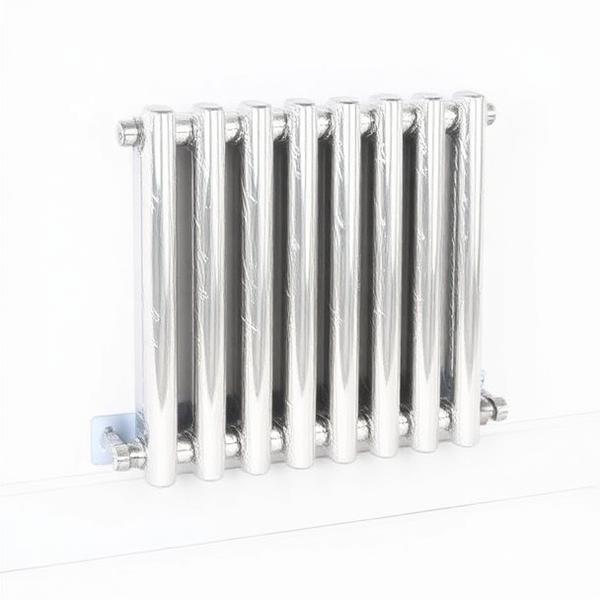
Radiator Reflector Foil Panels
Reflective foil panels fit behind radiators to bounce heat back into the room instead of losing it through external walls.
- Reflects heat back indoors
- Cuts wall heat loss
- Quick peel-and-stick fit
Estimated benefit: Small gain on uninsulated external walls
Shop on AmazonAd – affiliate link. PowerGuardian may earn a commission from Amazon or another approved affiliate partner at no extra cost to you.
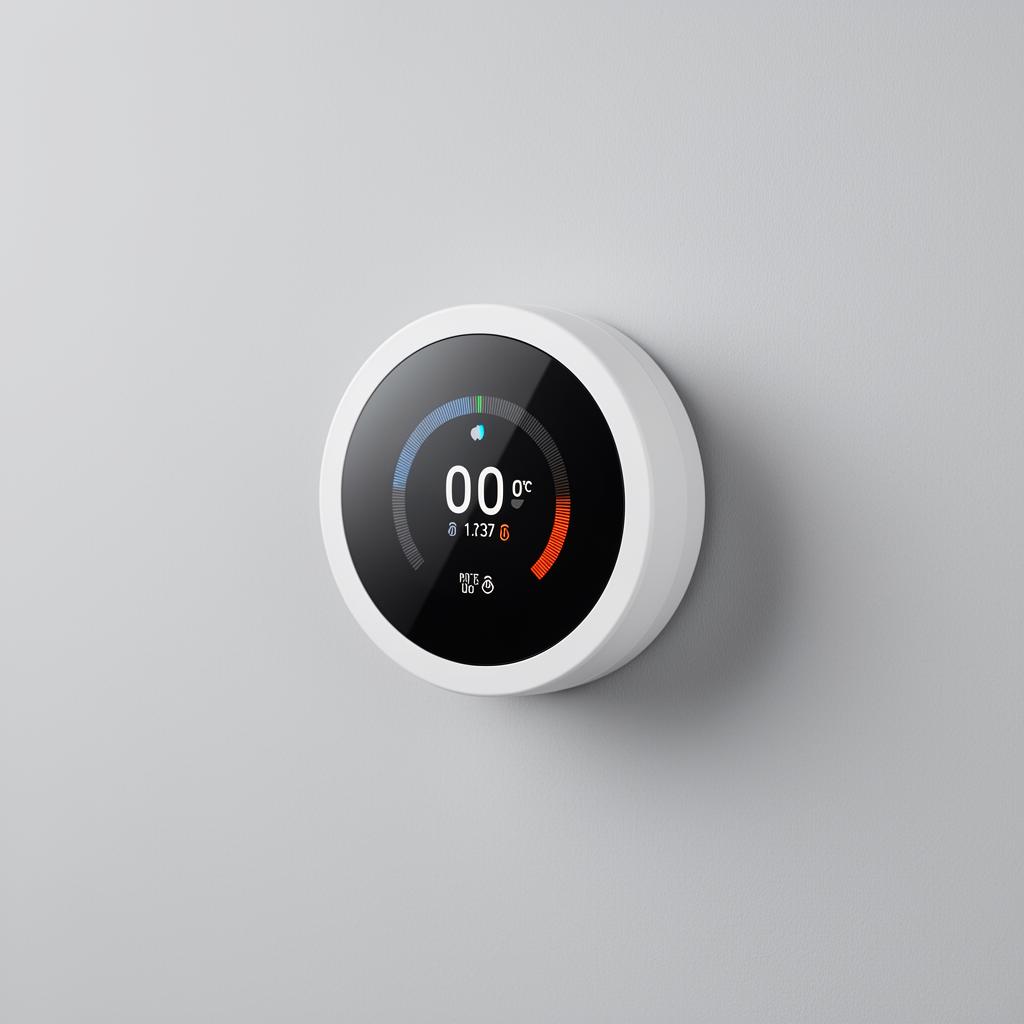
tado Smart Thermostat Starter Kit
Schedule, zone and remote-control your heating so it runs only when and where you need it.
- Heat only when needed
- Geofencing & schedules
- Room-by-room control
Estimated benefit: Less heating of empty rooms
Shop on AmazonAd – affiliate link. PowerGuardian may earn a commission from Amazon or another approved affiliate partner at no extra cost to you.
Affiliate links — we may earn a small commission at no extra cost to you. This keeps PowerGuardian free and independent.
Final Thoughts
Energy costs in Birmingham remain a major financial issue in 2026, particularly for households living in older housing or relying heavily on electricity for heating. While prices have eased compared to the worst of the energy crisis, the underlying structural problems remain: high standing charges, expensive electricity, complex tariffs, poor housing insulation, regional inequalities and confusing EV charging networks.
For homeowners and renters alike, reducing costs now depends less on supplier loyalty and more on understanding usage, improving efficiency, and avoiding expensive tariff traps.
What is the average monthly energy bill in Birmingham in 2026?
A medium semi-detached home in Birmingham typically pays £150–£240 per month for combined gas and electricity. Smaller flats average £85–£130, while large detached properties can exceed £450 per month in winter.
Why are standing charges so high in Birmingham?
Standing charges cover network maintenance, metering and supplier costs regardless of usage. In the Midlands region these typically total 70p–£1.10 per day across gas and electricity, adding around £25–£35 per month before you use any energy.
Are fixed energy tariffs worth it in Birmingham right now?
Fixed tariffs can save £200–£500 per year if wholesale prices rise, but can cost more if prices fall. Always compare the fixed unit rate against the current Ofgem cap and check exit fees before committing.
Which Birmingham areas have the highest energy bills?
Areas with older Victorian housing stock — Erdington, Handsworth, Sparkbrook, Small Heath and Aston — typically have the highest heating costs due to solid walls and poor insulation. Fuel poverty is particularly concentrated in Ladywood, Lozells and Nechells.
How can Birmingham households cut energy bills quickly?
The fastest wins are loft insulation top-ups (£25 annual saving per inch added), draught-proofing doors and windows (£40–£60/year), switching to LED bulbs, and using smart heating controls to avoid heating empty rooms.
Recommended kit
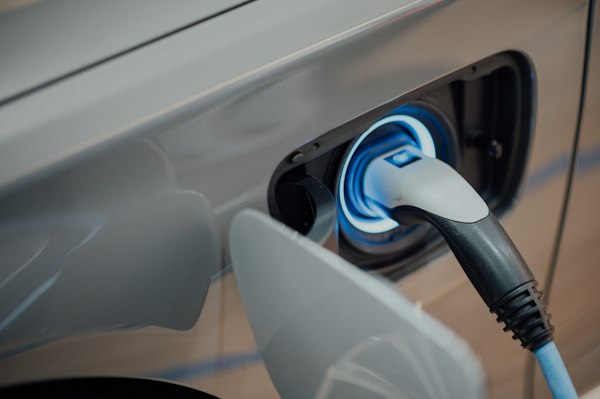
Type 2 EV Charging Cable 7m 32A
Reliable 7m Mode 3 Type 2 to Type 2 cable for public chargepoints — supports up to 7.4kW single-phase charging.
Shop on Amazon