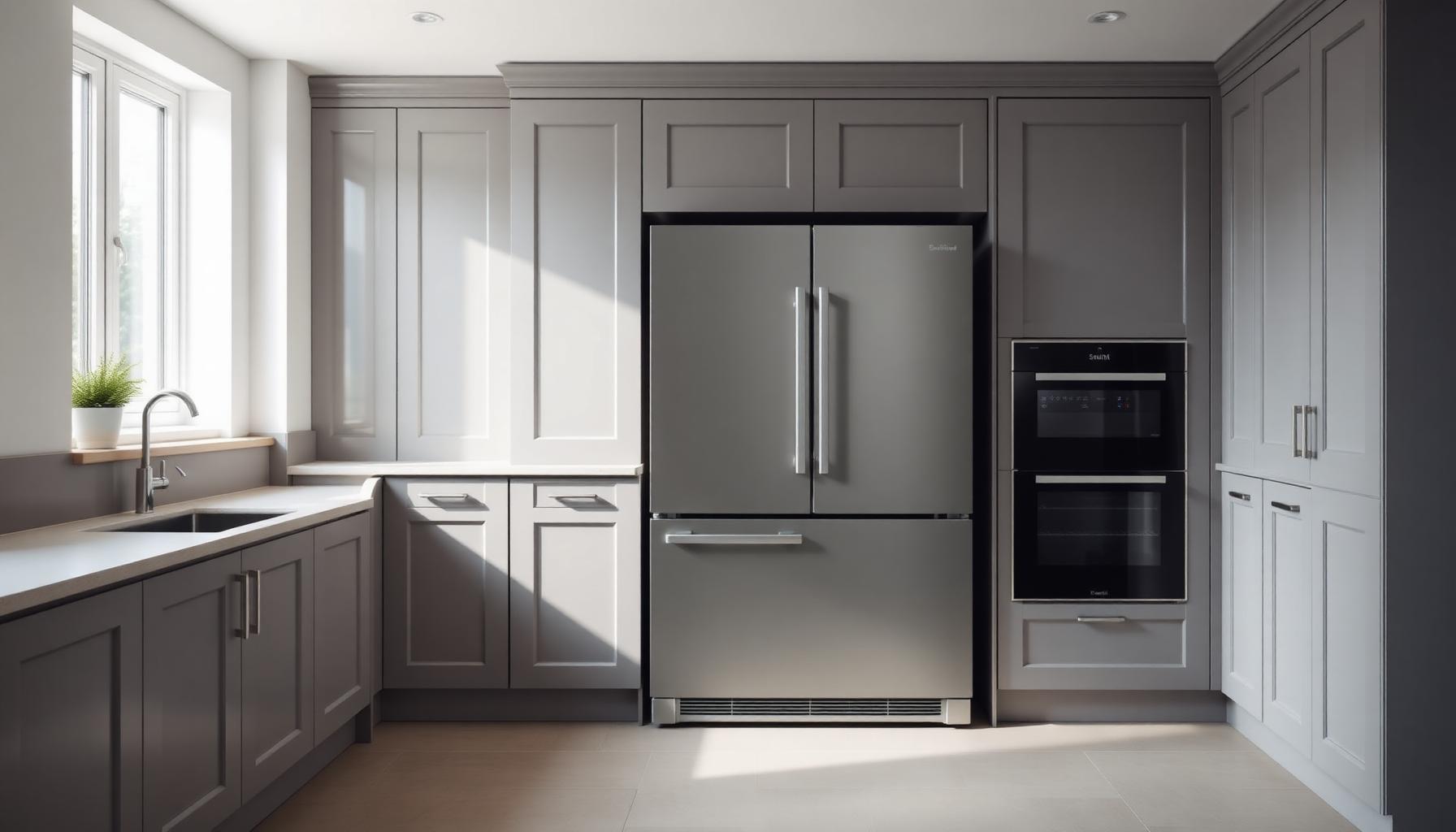
Fridge freezers are one of the few household appliances that never really stop working. They sit quietly in the kitchen humming away 24 hours a day, every day of the year, slowly converting electricity into cold air and leftover takeaway preservation.
For UK households, understanding how much electricity a fridge freezer uses matters more than ever because these appliances run continuously. Even small efficiency differences can noticeably affect annual electricity bills.
Typical Electricity Usage of a Fridge Freezer in the UK
An average modern UK fridge freezer typically uses:
- 200 to 450 kWh per year
- Roughly 0.5 to 1.2 kWh per day
- Around £60 to £135 per year at typical UK electricity prices
Using a rough UK electricity price of 30p per kWh:
| Appliance Type | Typical Annual Usage | Estimated Annual Running Cost |
|---|---|---|
| Small efficient fridge freezer | 200 kWh | £60 |
| Average household fridge freezer | 300 kWh | £90 |
| Large older fridge freezer | 450 kWh | £135 |
← Swipe to see more →
The exact figure depends heavily on:
- Age
- Energy rating
- Size
- Kitchen temperature
- Usage habits
- Frost build-up
- Door opening frequency
Why Fridge Freezers Run Constantly
Unlike kettles or ovens, a fridge freezer cycles on and off throughout the day to maintain temperature.
The compressor:
- switches on when temperatures rise,
- cools the appliance down,
- then switches off temporarily.
This means power usage varies hour by hour.
In a cool UK winter kitchen, the compressor may run far less often. In a hot summer kitchen, or if positioned next to an oven or radiator, electricity use can rise significantly.
Recommended energy saving products
Independently chosen kit that helps UK households cut energy use.

Door Bottom Draught Excluder
Block cold draughts under exterior doors — one of the cheapest wins for cutting winter heat loss.
- Stops cold draughts
- Cheap, fast fit
- Keeps rooms warmer for longer
Estimated benefit: Fewer cold draughts at low cost
Shop on AmazonAd – affiliate link. PowerGuardian may earn a commission from Amazon or another approved affiliate partner at no extra cost to you.
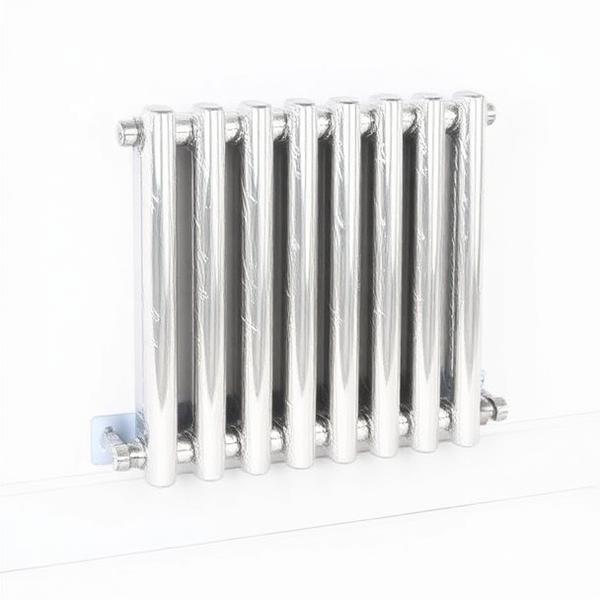
Radiator Reflector Foil Panels
Reflective foil panels fit behind radiators to bounce heat back into the room instead of losing it through external walls.
- Reflects heat back indoors
- Cuts wall heat loss
- Quick peel-and-stick fit
Estimated benefit: Small gain on uninsulated external walls
Shop on AmazonAd – affiliate link. PowerGuardian may earn a commission from Amazon or another approved affiliate partner at no extra cost to you.
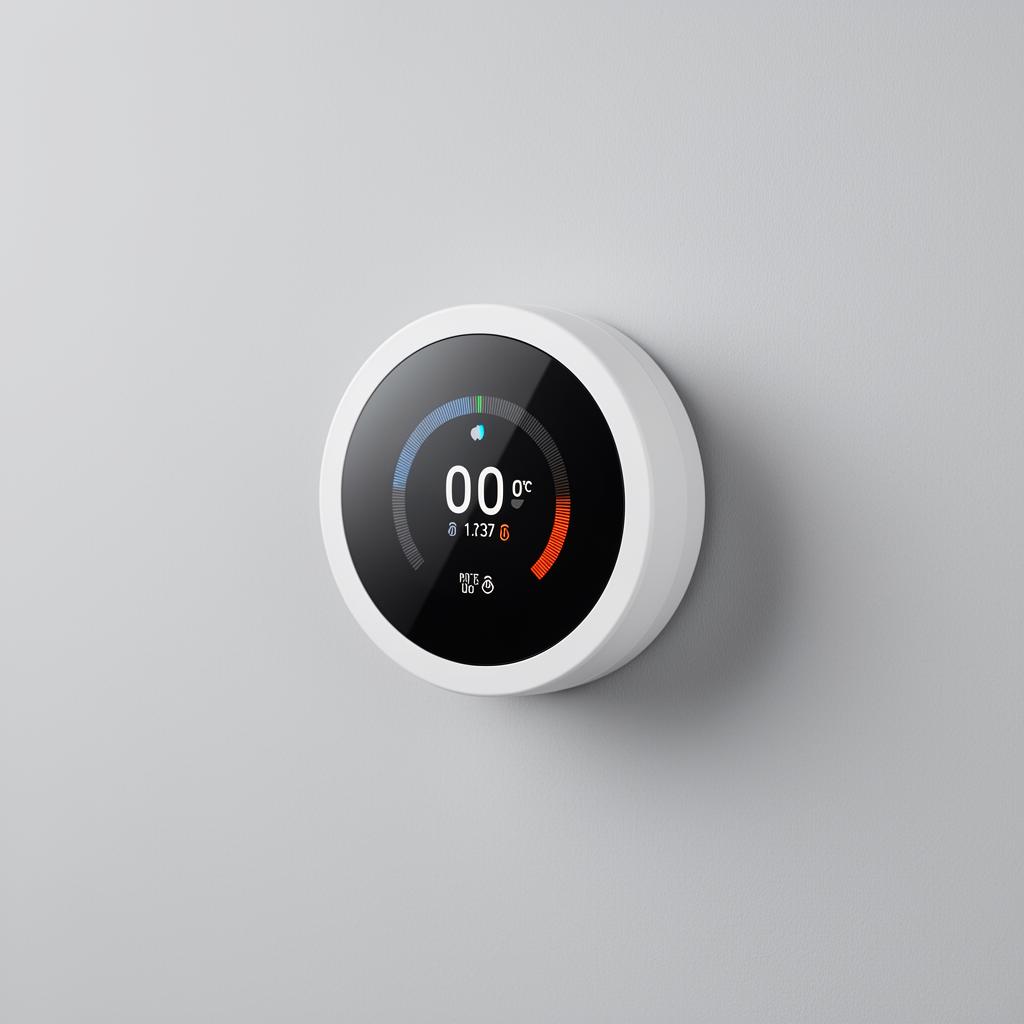
tado Smart Thermostat Starter Kit
Schedule, zone and remote-control your heating so it runs only when and where you need it.
- Heat only when needed
- Geofencing & schedules
- Room-by-room control
Estimated benefit: Less heating of empty rooms
Shop on AmazonAd – affiliate link. PowerGuardian may earn a commission from Amazon or another approved affiliate partner at no extra cost to you.
Affiliate links — we may earn a small commission at no extra cost to you. This keeps PowerGuardian free and independent.
Real-World Electricity Use Examples
Small Modern Fridge Freezer
A modern slimline fridge freezer with an efficient compressor might use:
- 220 kWh yearly
- Around 60p per day
- About £5 per month
Ideal for:
- Flats
- Small households
- Energy-conscious users
Average Family Fridge Freezer
A standard medium-sized family appliance may use:
- 300 to 350 kWh yearly
- Around £8 to £10 monthly
Typical for:
- 3 to 4 person households
- Standard UK kitchens
- Moderate daily use
Older Fridge Freezers
Older units can be surprisingly expensive to run.
A 15-year-old appliance may consume:
- 500 to 700 kWh yearly
- £150 to £210 annually
Older compressors are less efficient and insulation standards were worse compared to modern appliances.
Many households unknowingly waste substantial electricity simply by keeping an ageing second fridge in a garage.
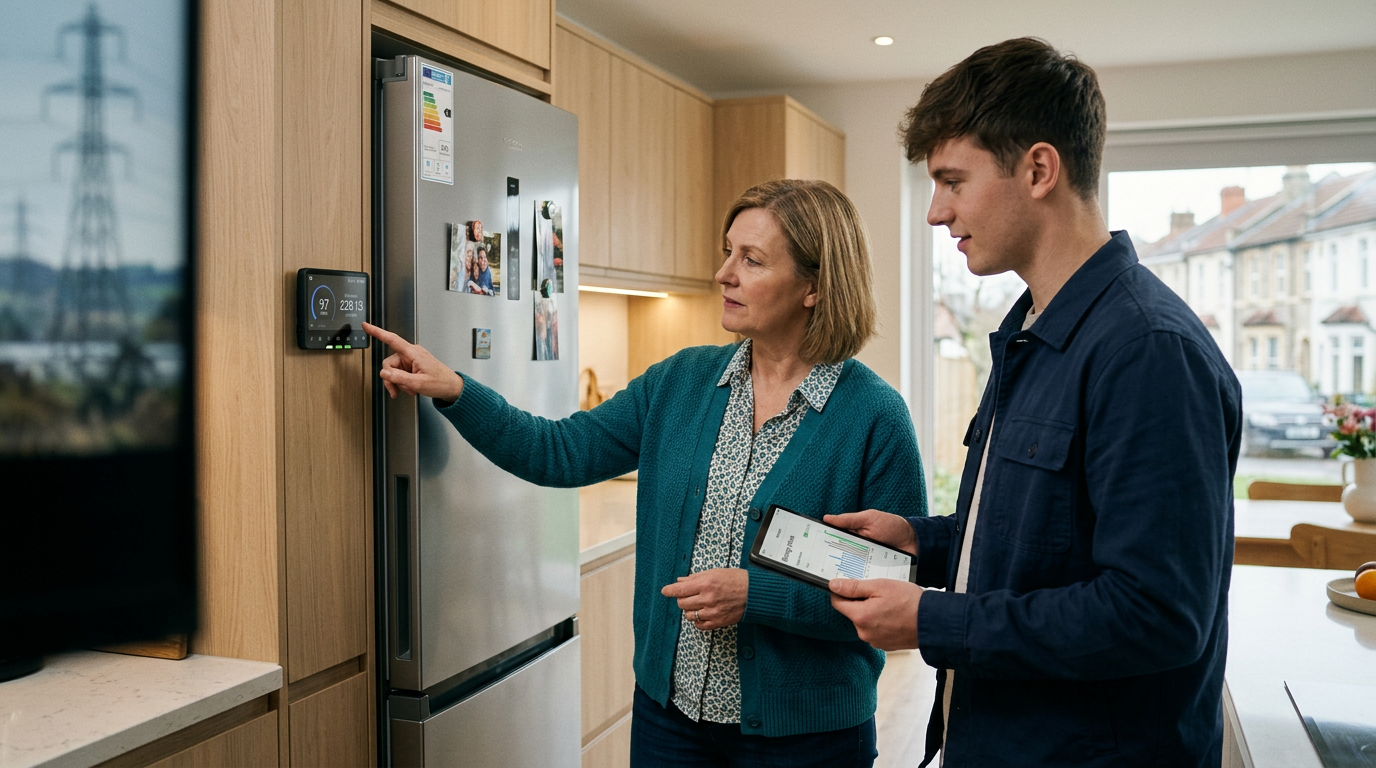
Energy Ratings Make a Huge Difference
Modern UK appliances now use updated energy labels ranging from:
- A (most efficient)
- to G (least efficient)
Most current fridge freezers fall into:
- C
- D
- or E ratings
A newer efficient model can use 40% to 60% less electricity than an older appliance.
Factors That Increase Electricity Usage
Warm Kitchen Temperatures
Fridge freezers work harder in hot kitchens, conservatories, or rooms with poor airflow. Placing one beside ovens, dishwashers or radiators can noticeably increase power consumption.
Recommended Smart Energy Plug
Monitor appliance electricity usage in real time and identify expensive devices around your home.
View on Amazon UKFrequent Door Opening
Every time the door opens:
- cold air escapes,
- warm air enters,
- compressor workload increases.
Large families naturally open the appliance more frequently.
Frost Build-Up
Older freezers without frost-free systems become less efficient when ice builds up. Heavy frost restricts airflow, reduces cooling efficiency and increases electricity use.
Poor Ventilation
Fridge freezers need airflow around the rear cooling coils. If pushed tightly into cabinets or against walls, heat cannot escape properly and compressor runtime increases.
How Much Does a Fridge Freezer Cost Per Month?
Typical UK monthly costs:
| Type | Monthly Cost |
|---|---|
| Efficient modern model | £5 to £7 |
| Average family appliance | £8 to £10 |
| Older inefficient model | £12 to £18 |
← Swipe to see more →
This may not sound huge individually, but because the appliance runs continuously, it becomes one of the largest constant electricity users in many homes.
Is It Worth Replacing an Old Fridge Freezer?
Often, yes.
If your appliance is:
- over 10 years old,
- noisy,
- running constantly,
- developing excess frost,
- or warm around the sides,
a replacement may significantly reduce electricity use.
Example:
- Old appliance: 650 kWh yearly = ~£195/year
- New efficient appliance: 250 kWh yearly = ~£75/year
Potential saving: roughly £120 per year. Over several years, this can offset much of the purchase cost.
Fridge vs Fridge Freezer Electricity Usage
Generally:
- standalone freezers use more electricity,
- mini fridges use less,
- American-style fridge freezers usually use significantly more.
Large American-style units often consume 450 to 800+ kWh yearly, especially models with ice dispensers and water chillers.
Ways to Reduce Fridge Freezer Electricity Use
Keep Temperatures Sensible
Recommended settings:
- Fridge: around 3°C to 5°C
- Freezer: around -18°C
Colder settings increase energy use unnecessarily.
Defrost Older Models
Manual defrosting can improve efficiency noticeably.
Avoid Overfilling
Air needs to circulate properly inside.
Check Door Seals
Damaged seals leak cold air constantly. A simple test: close paper in the door. If it pulls out easily, seals may be worn.
Leave Space Around the Appliance
Ventilation improves cooling efficiency.
If you want to find ways to lower your kWh usage and save money take a look at Amazon products for practical, affordable kit that helps you reduce your costs — from smart thermostats and energy monitors to smart plugs and heating controls. Find out more...
UK Electricity Context
According to UK government and energy industry data, refrigeration appliances account for a significant portion of household base-load electricity use, alongside lighting, routers, standby electronics and washing appliances.
Because fridge freezers run 24/7, efficiency improvements matter more than with many occasional-use appliances.
Final Thoughts
An average UK fridge freezer typically uses around 200 to 450 kWh per year, costing roughly £60 to £135 annually.
Modern efficient appliances are dramatically cheaper to run than older models, especially as UK electricity prices remain relatively high.
For many households, the fridge freezer quietly becomes one of the most important appliances to monitor when trying to reduce electricity bills. Not glamorous. Not exciting. Just a cold white box performing relentless energy economics in the corner of the kitchen while everyone ignores it until the milk goes warm.
Continue with related guides and tools
- How Much Electricity Does an Electric Cooker Use Per Month?
- Which UK Household Appliances Cost The Most To Run?
- Understand your energy bill
- Estimate appliance running costs
- Explore the Knowledge Centre
Relevant products to compare
These options help measure compatible plug-in appliances. Check rated loads and instructions; do not connect high-power or hard-wired cookers and showers through a smart plug or plug-in meter.
- Read about Energenie ENER007 Energy Saving Power Meter
- Read about Tapo P110 Smart Plug with Energy Monitoring
Affiliate links: As an Amazon Associate I earn from qualifying purchases. Check the current Amazon listing and suitability before buying.
Fridge freezer running-cost calculator
Estimate your fridge freezer's monthly and yearly cost from its energy use and your tariff.
Estimated annual use: 322 kWh/year
Estimates assume the fridge freezer runs continuously. Standing charge is only relevant if your appliance is on a dedicated meter — leave at 0 otherwise.