Summary
Air source heat pumps (ASHPs) represent a cornerstone of the UK's decarbonisation strategy, offering a compelling alternative to traditional fossil fuel heating systems. As of 2026, the installation cost for an ASHP in the UK typically ranges from £8,000 to £14,000 before grants. The highly impactful Boiler Upgrade Scheme (BUS) significantly reduces this outlay, currently offering a £7,500 grant for ASHP installations. This brings the net cost for many homes down to a more accessible £500 to £6,500 range.
While the upfront cost remains a consideration, the long-term operational economics are increasingly attractive. Running costs in 2026 for a well-insulated property are projected to be roughly on par with a modern gas boiler on a standard electricity tariff. However, for those savvy enough to switch to a dedicated heat pump tariff, annual heating expenses can be 20–30% cheaper than gas, delivering tangible savings and a reduced carbon footprint. This guide delves into the granular detail behind these figures, providing a comprehensive understanding for UK homeowners considering the transition.
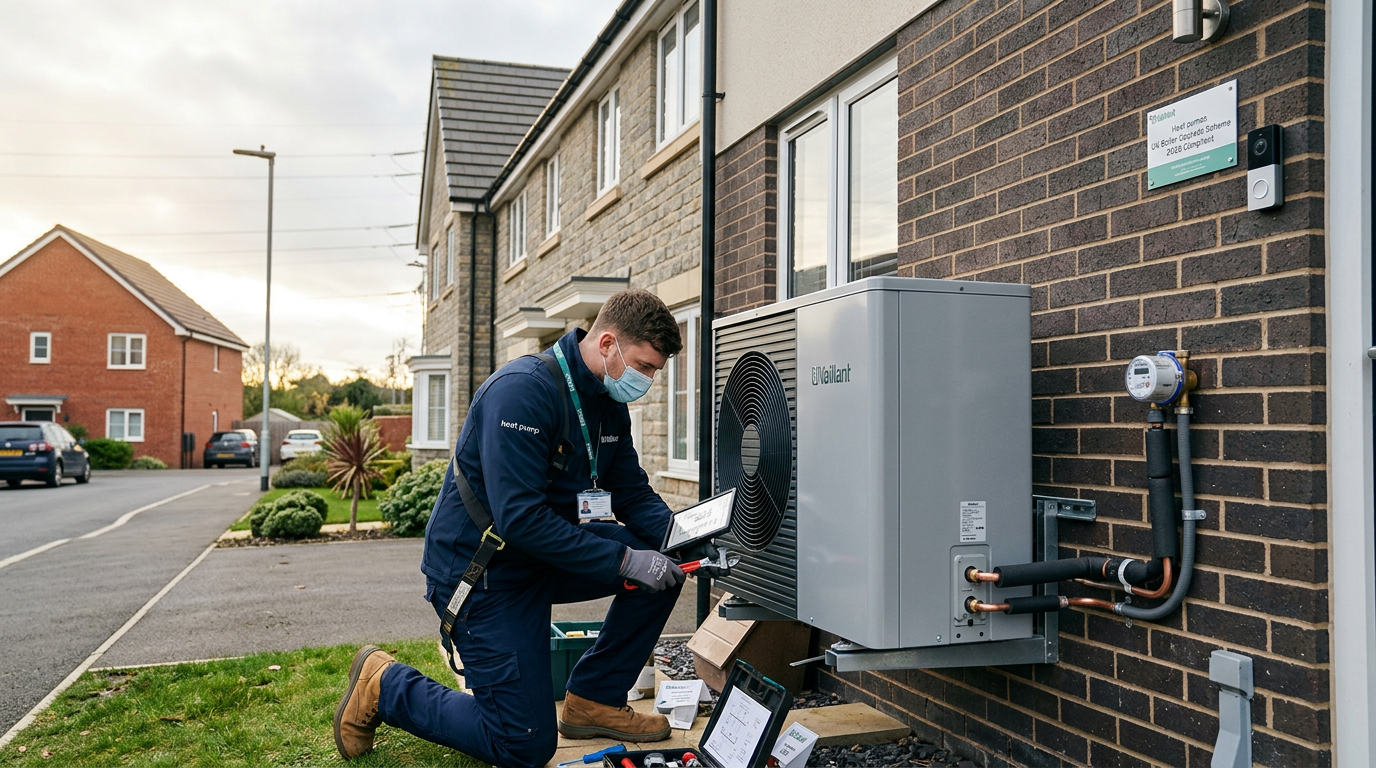
What this means in plain English: Unpacking the Technology An air source heat pump is an ingenious piece of technology that operates on a similar principle to a refrigerator, but in reverse. Instead of pushing heat out, it pulls warmth from the ambient air outside your home, even when temperatures are as low as -15°C. This extracted heat is then compressed to a higher temperature and transferred via a refrigerant circuit to your home's central heating system and hot water tank. The 'magic' lies in its efficiency: for every unit of electricity consumed, an ASHP can generate three to four units of heat, achieving a Coefficient of Performance (CoP) typically between 3 and 4. This means it uses approximately a quarter to a third of the energy a conventional electric resistance heater would for the same heat output.
However, the critical caveat in the UK market is the relative unit cost of electricity versus gas. While gas unit rates have historically been significantly lower, the gap has been narrowing due to global energy market fluctuations and the UK's rising carbon levies on gas. This is why, despite superior energy efficiency, running costs on a standard electricity tariff often end up similar to gas.
Let's break down the typical financial implications for a common UK dwelling:
- Typical 3-bedroom semi-detached home: We're generally looking at an installation cost in the £10,000–£12,000 bracket. After applying the £7,500 BUS grant, the net cost to the homeowner falls to a much more palatable £2,500–£4,500. This makes it competitive, and often cheaper, than a like-for-like oil boiler replacement once grants are factored in.
- Lifespan: A significant advantage of ASHPs is their durability. With proper maintenance, they typically last 15–20 years, often more. This significantly outperforms the 10–12 year average lifespan of a conventional gas boiler, meaning fewer replacement cycles and long-term value.
- Optimal Performance Conditions: Heat pumps are most effective in homes with good thermal efficiency. This primarily means excellent loft insulation (at least 270mm) and cavity wall insulation. For older properties, assessing and upgrading insulation is often the crucial first step.
- Heat Emitters: Unlike gas boilers that deliver very high flow temperatures (typically 70-80°C), heat pumps operate more efficiently at lower flow temperatures (typically 45-55°C). This means they often require slightly larger radiators (double-panel, double-convector) or, ideally, underfloor heating to effectively heat spaces. Existing radiators might be sufficient in modern, well-insulated homes, but a professional heat loss survey will determine this.
How this Affects Your Household Bill: A Deep Dive into Running Costs Understanding the financial impact requires a deeper look at kWh unit rates and typical consumption. As of early 2026, assuming the typical Ofgem price cap structure (which is reviewed quarterly), we can estimate unit rates:
- Electricity: Approximately 27-30 pence per kWh (p/kWh). This includes the standing charge which can be around 50-60p per day.
- Gas: Approximately 7-8 p/kWh. This also includes a standing charge of around 30-40p per day.
Let's consider a typical UK home consuming 12,000 kWh of gas per year for heating and hot water. Based on our estimated 2026 gas prices, this translates to an annual gas bill of approximately £840–£960 (excluding standing charges).
To heat the same home with a heat pump operating at an average CoP of 3.5, the electricity consumption would be around 3,430 kWh (12,000 kWh / 3.5).
- On a standard electricity tariff (27-30 p/kWh): The annual running cost for the heat pump would be approximately £926 – £1,029 (3,430 kWh x 27-30p).
- Conclusion: On a standard tariff, the running costs are indeed roughly comparable to, or slightly more than, gas for the same heat output. The higher unit cost of electricity largely offsets the efficiency gain.
- On a dedicated heat pump tariff: This is where the financial benefits truly emerge. Energy suppliers like Octopus Energy (e.g., Cosy Octopus, Cosy Plus) and OVO Energy (e.g., OVO Heat Pump Plus) offer tariffs specifically designed for heat pump users. These typically feature lower electricity unit rates during off-peak hours or for heat pump usage specifically.
- For example, some tariffs offer rates as low as 15-20 p/kWh for a significant portion of the day or for certain heating loads.
- Assuming an average blended rate of 18-22 p/kWh on such a tariff, the annual running cost would drop to approximately £617 – £755 (3,430 kWh x 18-22p).
- Conclusion: This represents a £100–£343 annual saving compared to gas (£960 - £617 = £343), and a significant saving compared to a standard electricity tariff. This saving projection assumes the homeowner optimises their heat pump to run primarily during the cheaper tariff periods where possible.
Where Heat Pumps Truly Excel and Struggle
Where Heat Pumps Really Win:
- Off-grid homes currently on Oil or LPG: This is arguably the most compelling case for heat pump installation. Oil and LPG are volatile, often more expensive, and far more polluting than gas. Typical annual savings for these households can be substantial, often in the range of £400–£800 per year, sometimes more depending on price fluctuations. The BUS grant also effectively makes the capital cost of switching from oil or LPG very competitive.
- Homes with Solar Panels and/or Battery Storage: The synergy here is powerful. Generating your own electricity from solar panels significantly reduces the amount you draw from the grid for your heat pump. If you have battery storage, you can store excess solar generation to power your heat pump even when the sun isn't shining. This can reduce annual heating costs by another £150–£300 per year, depending on system size and usage patterns.
- New-builds and Exceptionally Well-Insulated Properties: These homes are designed from the ground up for airtightness and thermal efficiency. They have inherently low heat loss, making them perfect candidates for lower-temperature heating systems like heat pumps, often integrated with underfloor heating for maximum comfort and efficiency.
- Homes in areas with no gas grid: Around 4 million homes in the UK are not connected to the gas grid. For these, a heat pump offers a cleaner, potentially cheaper, and more stable alternative to oil, LPG, or direct electric heating.
Where They Struggle (and what to do about it):
- Poorly Insulated Victorian Terraces with Single Glazing: These properties present the biggest challenge. Their high heat loss means a heat pump will have to work much harder, potentially leading to higher electricity consumption and lower efficiency (CoP). The key advice here is: fix the fabric first. Investing in comprehensive insulation (loft, cavity/external/internal wall, floor), double or triple glazing, and draught-proofing will drastically reduce heat demand, making a heat pump a viable and efficient option. Without these measures, a heat pump might struggle to heat effectively or become prohibitively expensive to run.
UK-Specific Data & Grant Details: The Boiler Upgrade Scheme (BUS)
The Boiler Upgrade Scheme (BUS) is a crucial component for homeowners considering a heat pump. Managed by Ofgem, the scheme aims to incentivise the take-up of low-carbon heating technologies.
- Grant Value: Currently, the BUS offers a £7,500 grant towards the purchase and installation of an air source heat pump or a ground source heat pump. An additional £5,000 is available for biomass boilers, but these are generally only eligible in rural properties not connected to the gas grid.
- Eligibility:
- You must own the property (including self-builds and custom-builds).
- The property must have a valid Energy Performance Certificate (EPC) with no outstanding recommendations for loft or cavity wall insulation (unless you have an insulation exemption).
- The heat pump must be replacing a fossil fuel heating system (e.g., gas, oil, LPG, electric storage heaters).
- The installation must be carried out by an MCS (Microgeneration Certification Scheme) certified installer.
- How it works: The grant is applied for by your MCS-certified installer, who will then deduct the grant amount from your invoice. You only pay the net cost. You do not apply for the grant directly.
Current Supplier Watch
Step-by-Step Guide to Getting a Heat Pump in the UK
Here's a practical, sequential guide for UK homeowners:
- Initial Research & Energy Audit:
- Fabric First - Insulation Upgrades:
- Find MCS-Certified Installers:
- Obtain Detailed Quotes & Heat Loss Surveys:
- Consider Radiator & Hot Water Needs:
- Installation & Commissioning:
- Explore Dedicated Heat Pump Tariffs:
Comparison Table: Running Costs (Based on 12,000 kWh Heat Demand)
| Heating System | Typical Annual Heat Demand (kWh) | Unit Cost (p/kWh) est. 2026 | Annual Fuel Cost (exc. standing charge) |
|---|---|---|---|
| New Gas Boiler | 12,000 | 7.5 (gas) | £900 |
| Air Source Heat Pump | 3,430 (electricity @ CoP 3.5) | 28 (standard electricity) | £960 |
| Air Source Heat Pump (Heat Pump Tariff) | 3,430 (electricity @ CoP 3.5) | 20 (optimised tariff) | £686 |
| LPG Boiler | 12,000 | 12 (LPG) | £1,440 |
| Oil Boiler | 12,000 | 10 (oil) | £1,200 |
| Direct Electric Heaters | 12,000 | 28 (standard electricity) | £3,360 |
← Swipe to see more →
Note: These figures are indicative and exclude daily standing charges which vary by supplier and region. CoP can fluctuate based on ambient temperature and system design.
FAQs
Q1: Will a heat pump work in a cold UK winter? A1: Yes. Modern air source heat pumps are designed to operate effectively in temperatures down to -15°C or even lower. As the temperature drops, their efficiency (CoP) might slightly decrease, but they will continue to provide heat. The key is ensuring your home is well-insulated to retain that warmth.
Q2: Do I need to replace all my radiators? A2: Not necessarily. A thorough heat loss survey by an MCS-certified installer will determine if your existing radiators are appropriately sized for the lower flow temperatures a heat pump operates at. In many cases, larger, modern radiators (often double-panel, double-convector) or a few strategic upgrades might be needed, especially in older homes. Underfloor heating is ideal but not always feasible.
Q3: Is the £7,500 Boiler Upgrade Scheme grant guaranteed? A3: The grant is subject to eligibility criteria (homeownership, valid EPC with no insulation recommendations, replacing fossil fuel system, MCS installer). If you meet these criteria, and your installer applies correctly, the grant is generally available. It’s important to note the scheme has a budget, but it has been consistently extended and topped up due to its popularity.
Recommended energy saving products
Independently chosen kit that helps UK households cut energy use.

Tapo P110 Smart Plug (Energy Monitoring)
See exactly which appliances are quietly inflating your bill — track real-time watts, kWh and runtime from your phone.
- Real-time energy monitoring
- Cuts standby/vampire power
- Schedule appliances off-peak
Estimated benefit: ~£40/yr standby savings
Shop on AmazonAd – affiliate link. PowerGuardian may earn a commission from Amazon or another approved affiliate partner at no extra cost to you.

Home Energy Monitor (Whole-House)
Track your whole-home electricity use live and find where the kWh are going before the bill lands.
- Whole-house live usage
- Spot expensive habits fast
- App history & alerts
Estimated benefit: Awareness cuts ~5-10% use
Shop on AmazonAd – affiliate link. PowerGuardian may earn a commission from Amazon or another approved affiliate partner at no extra cost to you.
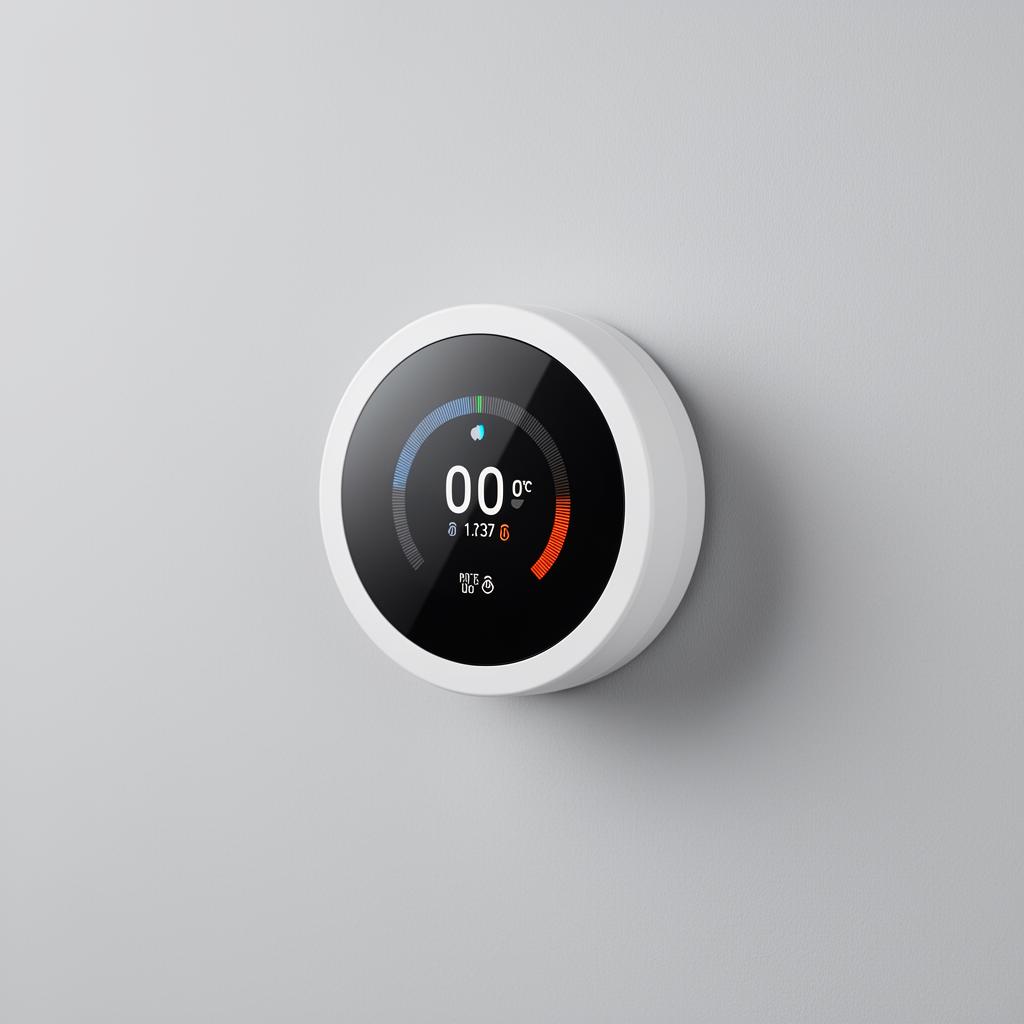
tado Smart Thermostat Starter Kit
Schedule, zone and remote-control your heating — independently shown to cut heating bills meaningfully.
- Heat only when needed
- Geofencing & schedules
- Room-by-room control
Estimated benefit: Up to ~£140/yr
Shop on AmazonAd – affiliate link. PowerGuardian may earn a commission from Amazon or another approved affiliate partner at no extra cost to you.
Affiliate links — we may earn a small commission at no extra cost to you. This keeps PowerGuardian free and independent.
Q4: How noisy is an outdoor heat pump unit? A4: Modern heat pumps are significantly quieter than older models. Most operate between 40-55 dB, which is comparable to a refrigerator or a quiet conversation. Installers must adhere to planning regulations (e.g., Permitted Development Rights) which include noise limits, especially concerning neighbouring properties. Positioning the unit correctly away from bedrooms and property boundaries is key.
Q5: Can I get a heat pump if I live in a flat? A5: It's more challenging but possible. Air source heat pumps require outdoor space for the unit and suitable pipework. This can be complex for flats, especially those without private outdoor space or easy access for pipe routing. Ground source heat pumps are generally not feasible for flats. A communal heat pump system for a block of flats is a more plausible solution, linking to a central plant room.
Q6: What's the carbon footprint of a heat pump vs. a gas boiler? A6: A heat pump produces significantly lower carbon emissions than a gas boiler. Even using grid electricity, which still includes some fossil fuels, a heat pump's efficiency means lower overall emissions. As the UK grid continues to decarbonise (more renewables like wind and solar), the carbon footprint of heat pumps will decrease further, making them an increasingly green heating solution. Estimates suggest an ASHP can reduce heating carbon emissions by 60-80% compared to a gas boiler.
Conclusion: The Future of UK Home Heating is Electric
The landscape for home heating in the UK is irrevocably shifting towards electrification, with air source heat pumps at the forefront. While the initial capital outlay remains a psychological barrier for some, the substantial £7,500 Boiler Upgrade Scheme grant has democratised access, bringing net installation costs down to levels comparable with, or even below, conventional boiler replacements, particularly for off-grid properties.
The critical factor for homeowners considering a heat pump in 2026 is understanding the long-term operational costs. On standard electricity tariffs, the financial savings over gas may appear marginal. However, the rapidly expanding market for dedicated heat pump tariffs is a game-changer, offering tangible and significant annual savings that are typically 20-30% lower than gas, and hundreds of pounds cheaper than oil or LPG. When combined with solar PV, these savings can be further amplified.
Crucially, the success and financial viability of a heat pump are intrinsically linked to the thermal efficiency of the home. For poorly insulated properties, the 'fabric first' approach remains paramount. Retrofitting insulation and addressing draughts are not just recommendations; they are investments that unlock the full potential of a heat pump, ensuring both comfort and cost-effectiveness.
As the UK pushes towards its Net Zero targets, the trajectory of energy pricing and policy will almost certainly favour electrified heating. Future levies are likely to weigh more heavily on fossil fuels, further widening the economic gap in favour of heat pumps. For Power Guardian UK readers, embracing this technology isn't just an environmentally responsible choice; it's an increasingly sound financial decision for future-proofing your home heating. The time to consider a heat pump is now.
Is a heat pump cheaper to run than a gas boiler in 2026?
On a standard electricity tariff, heat pump running costs are roughly comparable to or slightly more than a gas boiler. However, with a dedicated heat pump tariff, annual heating expenses can be 20-30% cheaper than gas, saving £100–£343 annually compared to gas.
What is the typical upfront cost of an ASHP after the grant?
The typical net cost for a homeowner to install an ASHP, after the £7,500 Boiler Upgrade Scheme grant, ranges from £500 to £6,500. For a 3-bedroom semi-detached home, this reduces the cost to £2,500–£4,500.
What insulation is needed for a heat pump to be effective?
Heat pumps are most effective in homes with good thermal efficiency, primarily requiring excellent loft insulation (at least 270mm) and cavity wall insulation. Upgrading insulation is a crucial first step for older properties.
<h3>Will I need new radiators if I install a heat pump?</h3> Heat pumps operate efficiently at lower flow temperatures (45-55°C) than gas boilers (70-80°C), so they often require slightly larger radiators or underfloor heating. A professional heat loss survey will determine if existing radiators are sufficient.
How long does a heat pump typically last compared to a gas boiler?
Heat pumps typically last 15-20 years or more with proper maintenance. This significantly outperforms the 10-12 year average lifespan of a conventional gas boiler, offering long-term value.
Recommended kit
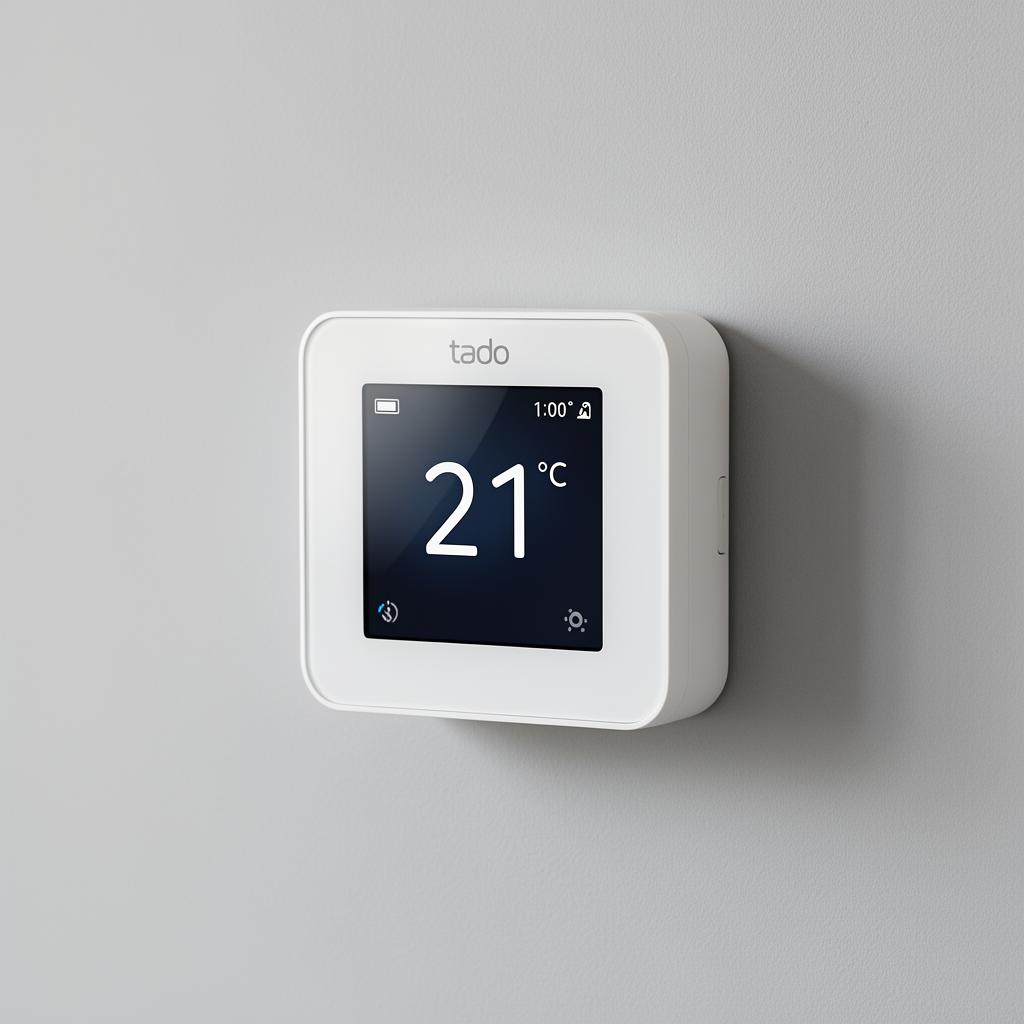
tado Smart Thermostat X
Schedule, zone and remote-control your heating — independently shown to cut heating bills by up to 28%.
Shop on Amazon