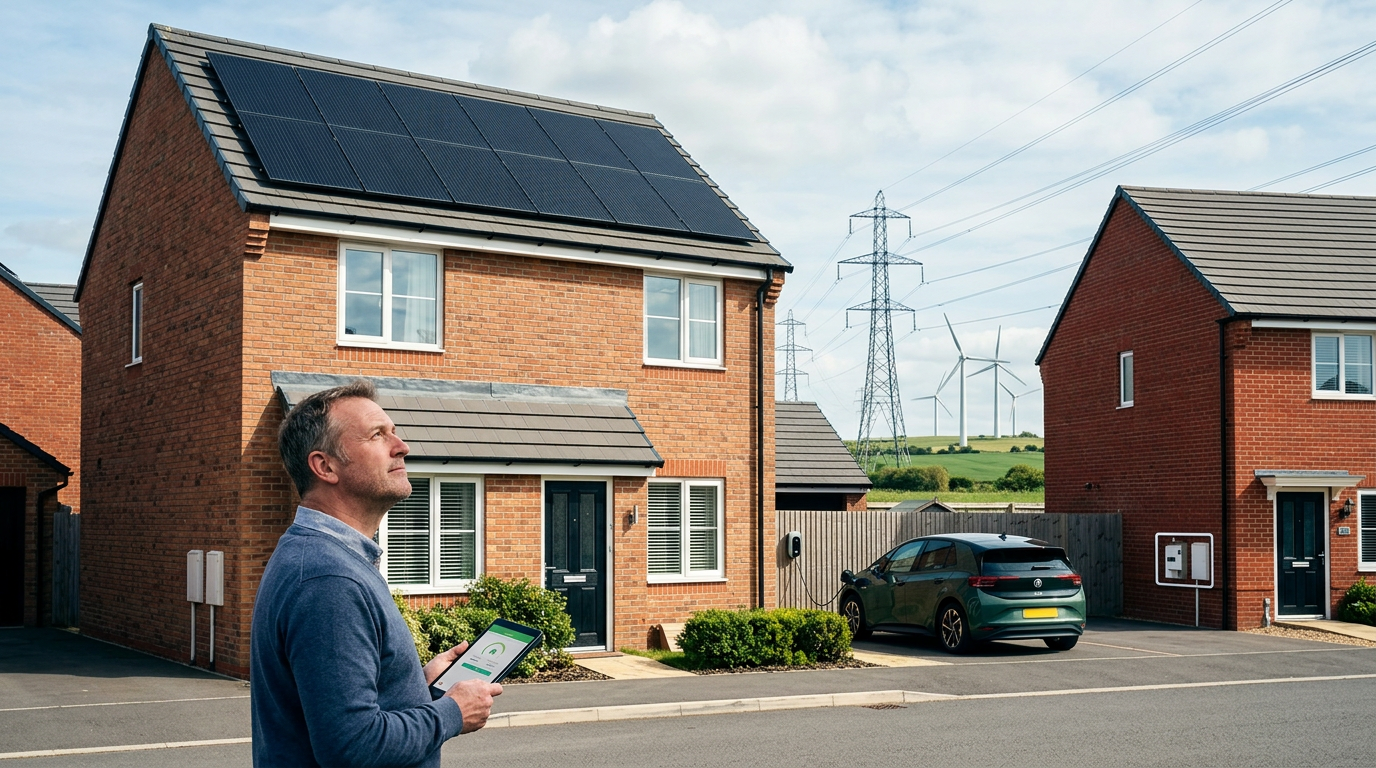
Is Solar Worth It Without a Battery in 2026? A Deep Dive for UK Households
The sun-drenched dreams of energy independence often come with a persistent question from UK homeowners: "Do I really need a battery to make solar panels worthwhile?" The industry's push for battery storage, while offering compelling benefits, can inflate the initial outlay and deter many. Here at Power Guardian UK, we've crunched the numbers for 2026, and our analysis firmly concludes: Absolutely, solar PV remains a financially sound investment without battery storage for the vast majority of UK households.
Let's dissect the economics, considering the nuanced landscape of UK energy prices, export tariffs, and typical household consumption patterns.
The Core Economic Argument: Self-Consumption and Smart Export Guarantee (SEG)
The financial viability of a solar PV system primarily hinges on two factors:
- Reduction in purchased electricity: This is your self-consumption. Every unit (kWh) of electricity your panels generate and you use directly displaces a unit you would have bought from the grid.
- Revenue from exported electricity: For any surplus energy your panels generate that you don't use, you can sell it back to the grid via the Smart Export Guarantee (SEG) scheme.
The narrative often pushed is that without a battery, you "waste" much of your generated solar power because you're not home to use it. While it's true that self-consumption without a battery is lower, the improving SEG rates make exporting increasingly lucrative, significantly narrowing the financial gap between systems with and without storage.
Breaking Down the Numbers for a Typical UK Installation in 2026
Let's work with the example of a common 4 kilowatt-peak (kWp) solar PV system, suitable for an average 3-4 bedroom detached or semi-detached UK home.
Assumptions for 2026:
- Average UK Household Electricity Consumption: Approximately 2,700 kWh per year (Ofgem data).
- Ofgem Energy Price Cap (Illustrative): While the cap fluctuates, for 2026, we'll assume an average unit rate of 28p/kWh for electricity, based on current trends and predictions. This is a crucial number, as it directly impacts your savings. Standing charges are also a factor, but for simplicity, we focus on unit rates for generation comparison. Regional variations apply, with higher rates observed in areas like Merseyside, North Wales, and Southwest England.
- Installation Cost (4 kWp): £5,800. This is an average, including panels, inverter, scaffolding, and installation labour. Prices can vary by region, installer, and specific panel technology.
- Annual Solar Generation (4 kWp): ~3,800 kWh. This is a realistic figure for a well-sited, south-facing system in the UK, accounting for typical weather patterns. East or west-facing systems would generate slightly less.
- Solar Panel Degradation: We assume a minimal degradation of around 0.5% per year, which is standard for modern PV panels. For simplicity, our annual generation figure averages this out.
Scenario 1: No Battery Storage
With no battery, maximising self-consumption usually involves shifting some electricity usage to daylight hours (e.g., running washing machine, dishwasher during the day).
- Self-Consumed Electricity (without battery): Approximately 35% of total generation.
- 35% of 3,800 kWh = 1,330 kWh
- Annual Savings from Self-Consumption:
- 1,330 kWh 28p/kWh = £372.40 (This is money you don't* spend buying from the grid.)
- Exported Electricity: The remaining 65% of generation is exported to the grid.
- 65% of 3,800 kWh = 2,470 kWh
- Smart Export Guarantee (SEG) Earnings: Based on competitive 2026 rates, we'll use an average of 15p/kWh (more on tariffs below).
- 2,470 kWh 15p/kWh = £370.50 (This is money you receive* from your energy supplier.)
Total Annual Benefit (Without Battery):
£372.40 (savings) + £370.50 (export earnings) = £742.90
Simple Payback Period:
£5,800 (installation cost) / £742.90 (annual benefit) = ~7.8 years
This payback period is significantly better than historical figures and demonstrates that without a battery, a solar PV system still offers a strong return on investment within a reasonable timeframe.
Comparison Table: Key Financials (No Battery vs. With Battery - Illustrative)
| Feature | No Battery Scenario (4kWp) | With Battery Scenario (4kWp + 5kWh Battery) |
|---|---|---|
| Capital Cost | £5,800 | £9,800 (Avg. £4,000 for 5kWh battery) |
| Annual Generation | 3,800 kWh | 3,800 kWh |
| Self-Consumption | ~35% (1,330 kWh) | ~70-80% (2,660 - 3,040 kWh) |
| Displaced Grid Elec. | 1,330 kWh | 2,800 kWh (average of 75%) |
| Value of Displaced Elec. | £372.40 (£0.28/kWh) | £784.00 (£0.28/kWh) |
| Exported Electricity | 2,470 kWh | 1,000 kWh (approx. post higher self-con) |
| SEG Earnings | £370.50 (£0.15/kWh) | £150.00 (£0.15/kWh) |
| Total Annual Benefit | £742.90 | £934.00 |
| Simple Payback | ~7.8 years | ~10.5 years |
← Swipe to see more →
Note: The "With Battery" scenario is illustrative. Battery effectiveness varies based on size, household consumption profile, and smart charging algorithms. While annual benefit is higher with a battery, the significantly higher upfront cost can extend the payback period.
Maximising Your Returns Without a Battery: Practical Step-by-Step Guidance
Even without battery storage, you can significantly boost your solar PV system's financial performance.
- Understand Your Energy Usage (Audit Your Habits):
- Shift High-Drain Appliance Usage:
- Invest in Smart Plugs & Timers:
- Embrace "Passive" Solar Gains:
- Choose the Best Smart Export Guarantee (SEG) Tariff:
Navigating SEG Tariffs in 2026: The Best of the Best
The Smart Export Guarantee (SEG) mandates that large energy suppliers offer a tariff for exported electricity. Critically, you do not have to export to your import supplier. You can shop around for the best SEG rate, regardless of who supplies your home electricity.
Here are some top contenders for 2026, based on current offerings and predicted trends, but always check the latest rates:
- OVO SEG: Often offers the most competitive rates, potentially up to 20p/kWh, but typically requires you to be an OVO customer for your import electricity and often to have a battery or other OVO-specific product (like their "Anytime Export" tariff for battery owners, or their "Solar Export" tariff). The 20p/kWh rate is usually conditional on their "bundle" which might include other services.
- E.ON Next Export: Consistently strong, offering rates around 16.5p/kWh for existing E.ON Next dual-fuel customers. Their standard rate for non-customers or electricity-only customers might be slightly lower.
- Octopus Energy (e.g., Outgoing Fixed): A reliable choice, with their "Outgoing Fixed" tariff offering 15p/kWh. They also have dynamic tariffs like "Octopus Agile Outgoing" which pays market-linked rates, potentially much higher at peak demand times, but also lower when supply is plentiful. This requires a smart meter capable of half-hourly readings and is best for those willing to actively manage exports.
- ScottishPower SmartGen: Typically offers competitive rates, often in the 12-14p/kWh range, sometimes rising for existing customers.
- British Gas Export Tariff: Generally lower, often around 6.5p/kWh, making it critical to switch if you're with them.
Action Point: After your solar PV system is installed and commissioned, actively compare SEG tariffs. It's an easy win to boost your annual income. Ensure you have a smart meter that sends half-hourly readings – this is often a requirement for the better SEG tariffs.
When Does a Battery Make Sense?
While our analysis shows solar without a battery is a strong proposition, there are scenarios where a battery significantly enhances the value:
- High Daily Electricity Demand During Non-Daylight Hours: If you have a family that uses a lot of power in the evenings, a battery reduces reliance on the grid.
- Electric Vehicle (EV) Ownership: This is often the killer app for home batteries. Charging an EV directly from solar (via battery storage) can save substantial amounts compared to peak-rate grid electricity. You can store your excess daytime solar to charge your EV overnight or during the evening.
- Time-of-Use (ToU) Tariffs: If you're on a tariff that has very cheap overnight rates and expensive peak evening rates (common with EV tariffs like Octopus Go), a battery can charge cheaply overnight and discharge during expensive peak times, further enhancing savings.
- Desire for Energy Independence/Blackout Protection: Though less common in the UK, some batteries offer backup power during grid outages (check specific models).
- Future Grid Services: The ability to sell power back to the grid during peak demand via sophisticated algorithms could become a significant income stream, but this is still developing.
The Long-Term Perspective
Solar panels are built to last. Most come with 20-25 year performance warranties, and inverters typically have 10-12 year warranties (often extendable). This means your system will continue to generate clean electricity and savings long after the payback period. The environmental benefits, reducing your carbon footprint, are also a significant, often unquantifiable, bonus.
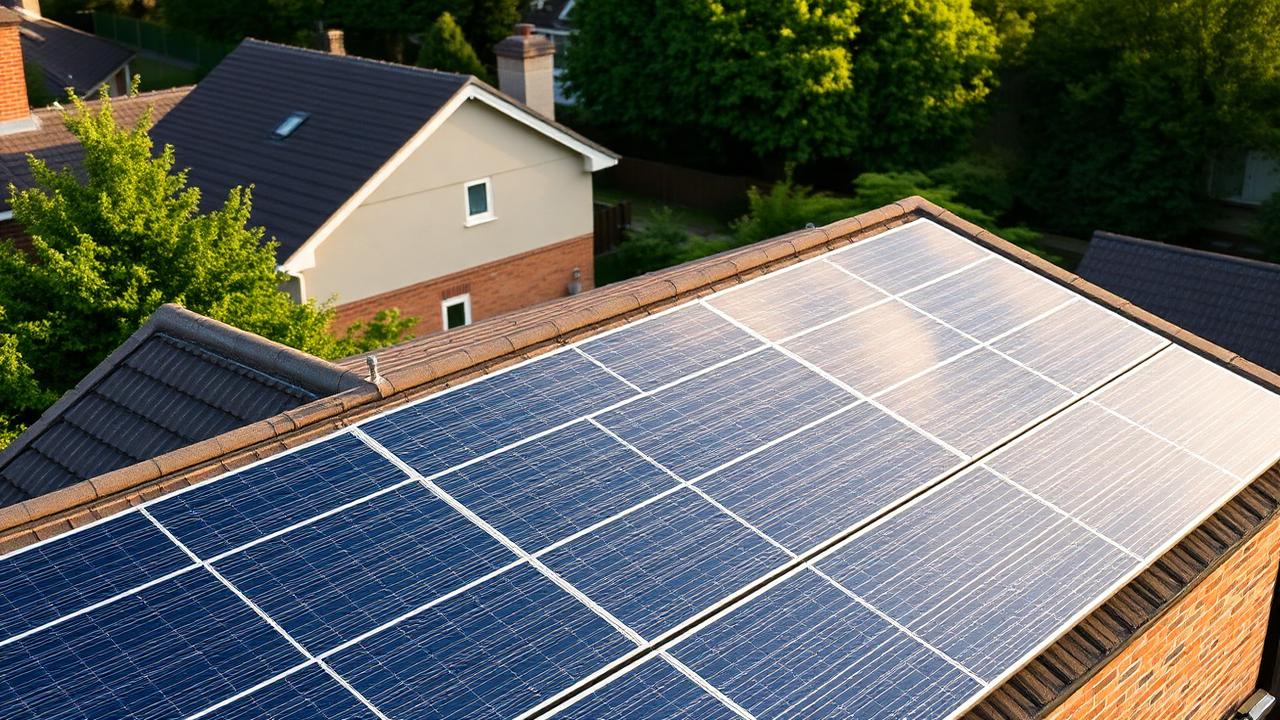
Conclusion: Solar Power Without a Battery is a Bright Idea for 2026
The data is clear: for UK homeowners in 2026, investing in a solar PV system without a battery offers a compelling financial return with a payback period of under 8 years. The combination of significant savings on purchased electricity and increasingly favorable Smart Export Guarantee rates makes solar an intelligent, sustainable, and profitable upgrade for your home. While batteries offer additional benefits, particularly for EV owners or those on specific time-of-use tariffs, they are by no means a prerequisite for making solar a worthwhile investment. The sun's energy is free, and with smart management and a good SEG tariff, your wallet can reap substantial rewards.
FAQ
#### Q1: What is the Smart Export Guarantee (SEG)? A1: The Smart Export Guarantee (SEG) is a government-backed initiative that requires larger electricity suppliers to offer a tariff to homes and businesses who export renewably-generated electricity to the National Grid. Essentially, they pay you for any surplus solar power you don't use yourself.
#### Q2: Do I have to export to my current electricity supplier? A2: No. This is a common misconception. You can choose any SEG licensee (an electricity supplier offering an SEG tariff) to pay you for your exports, regardless of who supplies your import electricity. Always shop around for the best SEG rate.
#### Q3: How much does a 4 kWp solar system typically generate in kWh per year in the UK? A3: A well-situated 4 kWp system in the UK can typically generate between 3,500 and 4,000 kWh per year. Factors like roof orientation (south-facing is ideal), pitch, shading, and local weather patterns will influence the exact output.
#### Q4: What is "self-consumption" and why is it important? A4: Self-consumption is the percentage of the electricity your solar panels generate that you use directly in your home, rather than exporting to the grid. It's important because every kWh you self-consume saves you the higher price of buying electricity from the grid (around 28p/kWh in our example) rather than the lower price you get for exporting (around 15p/kWh). Maximising self-consumption effectively doubles the value of that unit of electricity.
#### Q5: Will my electricity bill go to zero with solar panels? A5: It's unlikely your bill will go to zero entirely. You will still have a standing charge from your electricity supplier, and you will draw electricity from the grid when your panels aren't generating enough (e.g., at night, on very cloudy days, or if your usage exceeds generation). However, a well-sized solar system can significantly reduce the unit charges on your bill, often cutting them by 50-70% or more.
#### Q6: Are there any grants or financial incentives for solar panels in the UK for 2026? A6: Currently, for solar PV, the main financial incentive is the 0% VAT on installation costs, which was extended until 2027. There's no direct grant equivalent to the Boiler Upgrade Scheme for solar PV. However, substantial savings on electricity bills and SEG earnings make it a strong standalone investment.
Current Supplier Watch
Recommended kit
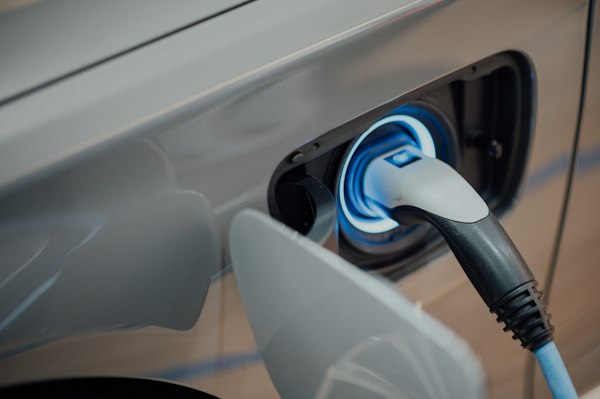
Type 2 EV Charging Cable 7m 32A
Reliable 7m Mode 3 Type 2 to Type 2 cable for public chargepoints — supports up to 7.4kW single-phase charging.
Shop on Amazon