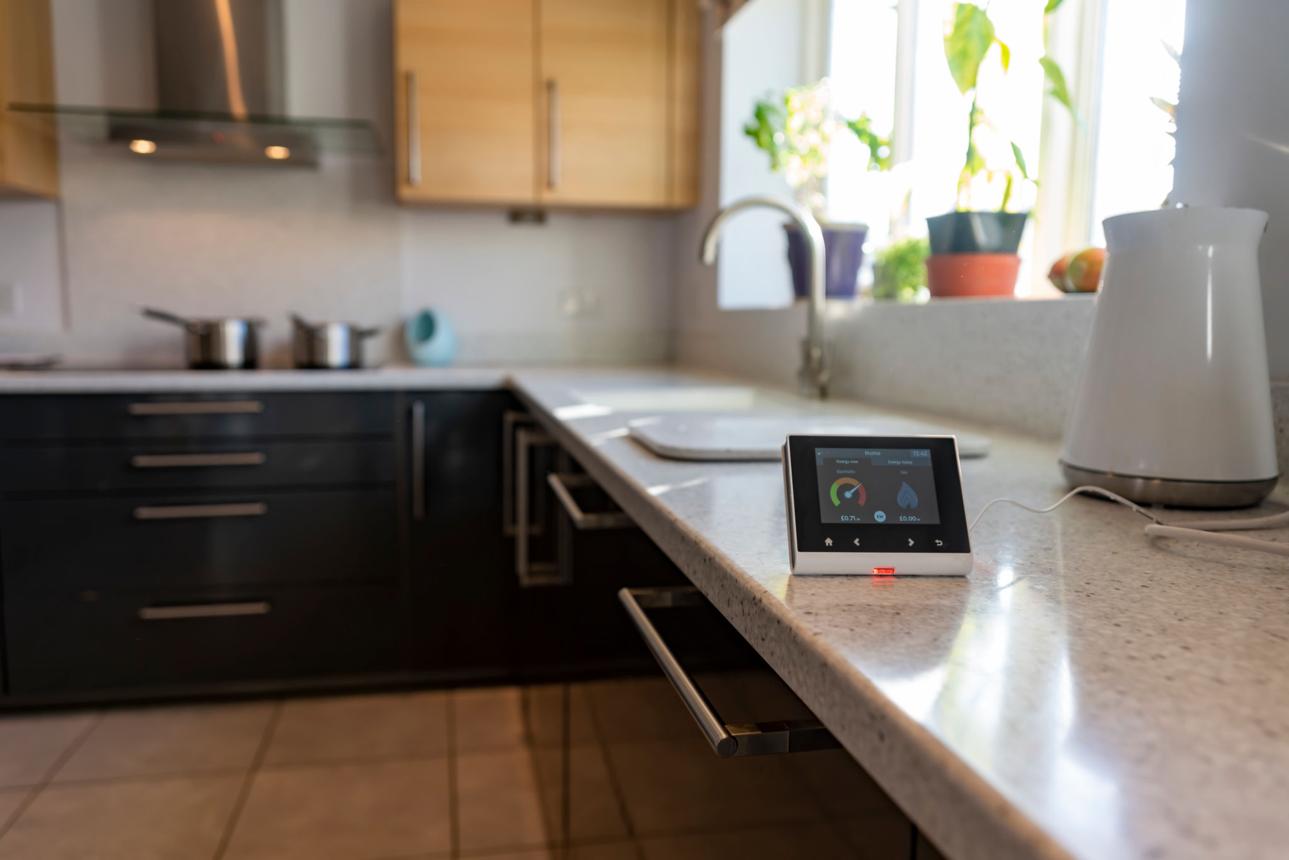
Londoners are still living through the strange British tradition of opening an energy bill like it is a threat letter from a medieval tax collector. The numbers move constantly, the terminology is deliberately confusing, and even when prices "fall", many households barely notice.
The good news is that average energy prices in London during 2026 are lower than the worst points of the energy crisis. The bad news is that bills are still historically high compared to pre-2021 levels, standing charges remain controversial, and many London households are paying wildly different amounts depending on property type, heating system, insulation, and tariff choice.
The Current London Energy Price Picture
From April to June 2026, the UK energy price cap for a typical dual-fuel household paying by Direct Debit is set at £1,641 per year.
That does not mean every London household pays £1,641. It means Ofgem limits the maximum unit rates and standing charges suppliers can charge customers on standard variable tariffs.
Average UK capped rates currently sit around:
- Electricity: 24.67p per kWh
- Electricity standing charge: 57.21p per day
- Gas: 5.74p per kWh
- Gas standing charge: 29.09p per day
In London, actual costs vary heavily because of:
- Property size
- Electric-only flats
- Heat networks
- Older Victorian housing stock
- Smart meter usage
- Time-of-use tariffs
- Regional network charges
Because apparently a one-bedroom flat in Hackney and a detached house in Bromley are treated as the same "average household". Splendid system.
Typical Monthly Energy Costs in London
Small London Flat
One-bedroom flat with efficient appliances. Typical monthly energy spend: £70 to £120 per month.
Usually includes:
- Electric heating or combi boiler
- Moderate appliance usage
- Smart meter
- Direct Debit tariff
Energy-efficient newer flats in places like Stratford, Wembley Park or Nine Elms often sit near the lower end.
Medium Family Home
Typical London semi-detached property. Average monthly cost: £140 to £240 per month.
This depends heavily on:
- Insulation
- Number of occupants
- Gas boiler efficiency
- EV charging
- Working from home
Older housing stock in areas like South London or North London can perform badly in winter. A poorly insulated Victorian terrace can consume dramatically more gas than a newer property of similar size.
Large London Homes
Detached or high-consumption households. Monthly bills commonly reach £300 to £500+, higher with EV charging or electric heating.
Homes with underfloor heating, air conditioning, large heat pumps, home offices, servers or AI hardware, hot tubs or pools can exceed £600 monthly during winter.
Humanity has now reached the point where people are running AI-generated shopping lists while simultaneously worrying whether boiling the kettle counts as luxury behaviour.
Why London Energy Bills Feel Higher
Standing Charges Keep Climbing
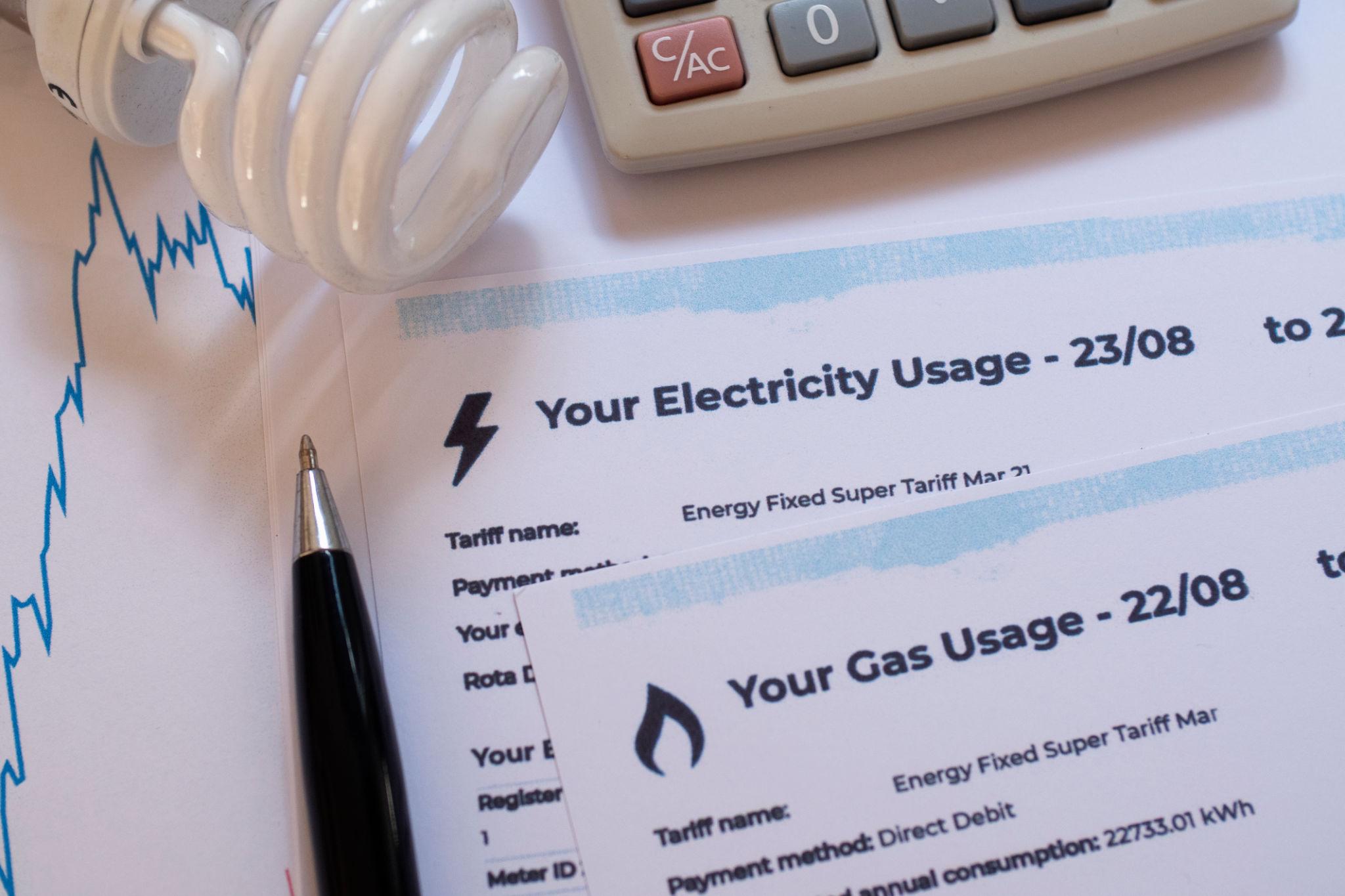
Standing charges are the daily fixed costs added even if you barely use energy. Electricity standing charges average over 57p daily in 2026.
That means some London households pay over:
- £17 monthly
- £200 yearly
…before switching on a single lightbulb.
The House of Commons Library reported standing charges now account for around 19% of a typical bill. Low-usage households are especially angry because they often feel punished for trying to save energy.
London's Housing Stock Is Expensive to Heat
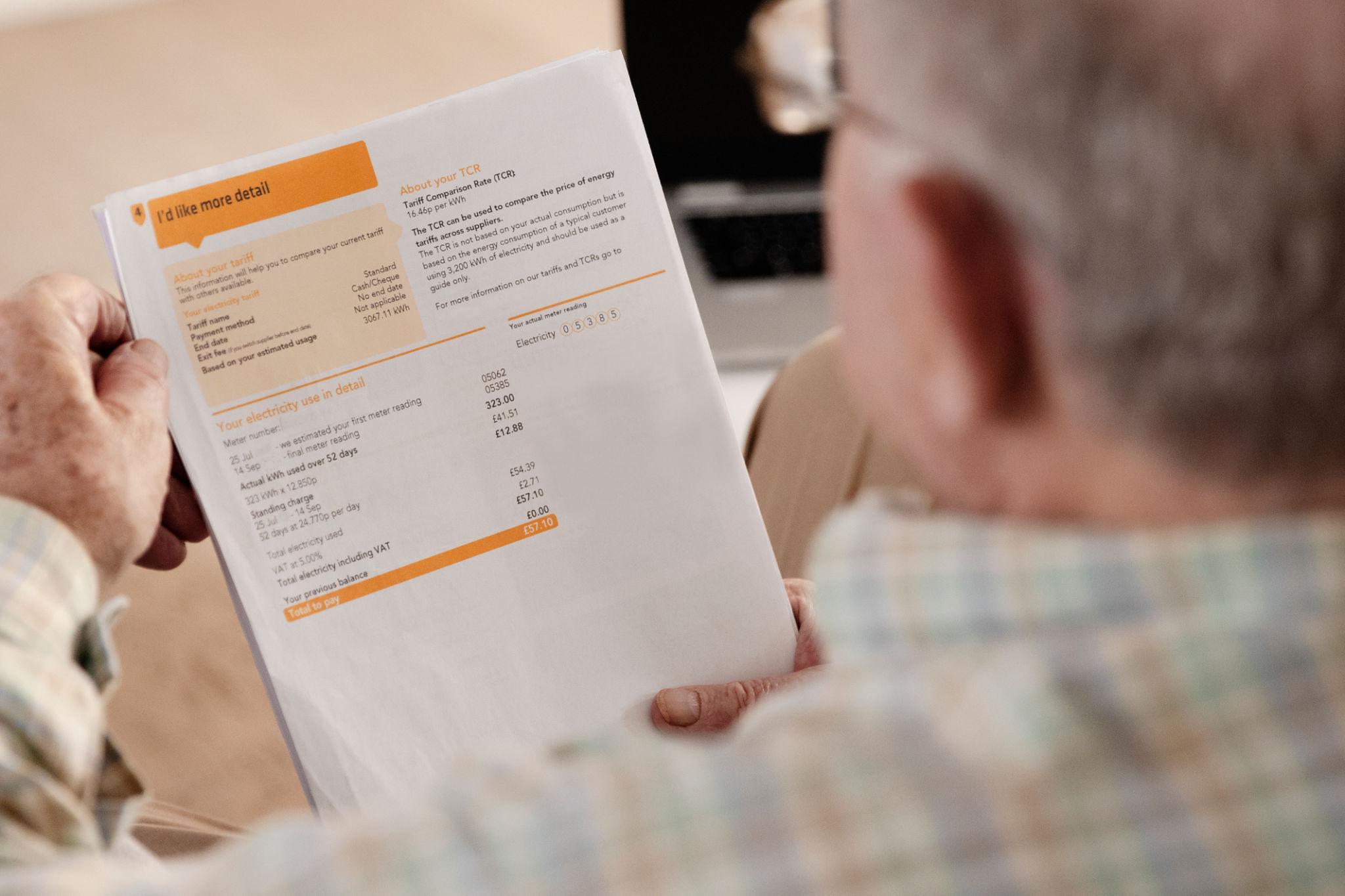
Many London properties were built long before modern insulation standards, double glazing, efficient boilers and heat pumps.
Common issues include:
- Solid brick walls
- Drafty sash windows
- Poor loft insulation
- Old storage heaters
This creates enormous variation between neighbouring homes. Two nearly identical London flats can differ by over £1,000 yearly in energy costs depending on upgrades.
Heat Networks Are Becoming a Major London Issue
Many modern apartment developments use communal heat networks. Residents often cannot switch suppliers.
Some London developments experienced dramatic bill rises during the energy crisis because heat networks were not protected by Ofgem's domestic price cap in the same way as normal household tariffs. One Greenwich development faced nearly £200,000 in disputed heating charges linked to communal heating systems.
This is becoming a serious London-specific consumer issue.
Cheapest Energy Tariffs in London
Fixed Tariffs Are Returning
By mid-2026, fixed deals are slowly returning after years of volatility. Many suppliers are now offering 12-month fixes, EV tariffs, smart tariffs and time-of-use pricing.
Popular suppliers attracting London switchers include:
- Octopus Energy
- OVO Energy
- British Gas
- E.ON Next
Smart tariffs can massively reduce costs for EV owners, overnight appliance users and heat pump users. But they can also punish households using heavy electricity during peak evening hours.
London EV Owners Face Another Pricing Problem
Public EV charging in London varies wildly. Rapid charging costs can range from 45p per kWh to over 90p per kWh depending on provider and location.
Drivers without home chargers often discover running an EV in London is nowhere near as cheap as promised in glossy adverts featuring smiling couples near wind turbines.
What Londoners Are Doing to Cut Costs
Smart Thermostats
Devices like Nest, Hive & Tado help reduce waste through scheduling and automation. Savings: often £100 to £300 yearly depending on household habits.
Heating One Room Instead of the Whole House
A major trend during the cost-of-living crisis. People increasingly heat one room, use electric blankets, use infrared heaters, and work from smaller spaces — especially among renters.
Solar Panels and Battery Storage
Still expensive upfront, but increasingly common in outer London boroughs. Typical setup: £5,000 to £12,000+. Potential savings: £400 to £900 yearly depending on usage patterns.
Air Fryers and Efficient Appliances
Energy-efficient cooking appliances became extremely popular after UK electricity prices surged. Air fryers typically use less energy and shorter cooking times than full electric ovens.
Entire Facebook groups now compare Yorkshire pudding performance by wattage. Civilisation marches proudly onward.
London Energy Price Forecast
Most analysts expect continued volatility through late 2026. The biggest factors remain:
- Global gas markets
- Middle East tensions
- European storage levels
- Renewable generation
- UK infrastructure investment
Some forecasts suggest prices could rise again later in 2026 if wholesale markets tighten. However, smart tariffs are expanding, solar adoption is rising, heat pumps are increasing, and more households are monitoring usage closely.
Consumers are becoming more energy-aware than at any point in decades. Mostly because the alternative is financial despair wrapped in standing charges.
If you want to save money in your home find practical, affordable kit — from smart thermostats and energy monitors to smart plugs and heating controls here...
London Energy Costs by Property Type
| Property Type | Typical Monthly Cost |
|---|---|
| Small flat | £70 to £120 |
| Medium flat | £100 to £180 |
| Terraced house | £140 to £240 |
| Semi-detached | £180 to £320 |
| Detached home | £300 to £500+ |
← Swipe to see more →
Approximate 2026 London averages based on current capped pricing and household usage patterns.
Key Facts About London Energy Prices
- UK price cap: £1,641 annually
- Electricity average unit rate: 24.67p/kWh
- Gas average unit rate: 5.74p/kWh
- Standing charges can exceed £300 yearly combined
- Standing charges now make up around 19% of some bills
- London heat network complaints are increasing
- Smart tariffs are growing rapidly in adoption
Sources
- Ofgem Energy Price Cap
- House of Commons Library Energy Charges Report
- MoneySavingExpert Energy Price Cap Guide
- Uswitch Regional Energy Prices Guide
- Energy UK Price Cap Explanation
Recommended kit
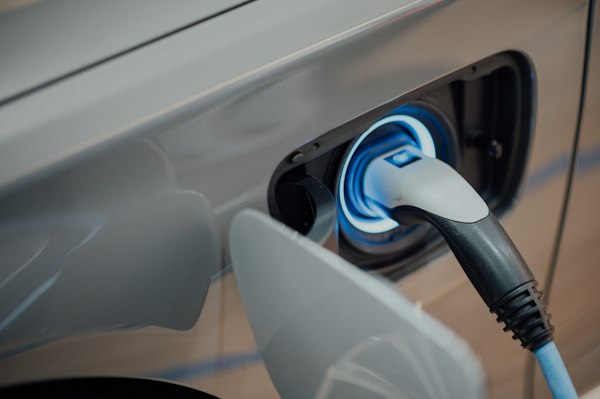
Type 2 EV Charging Cable 7m 32A
Reliable 7m Mode 3 Type 2 to Type 2 cable for public chargepoints — supports up to 7.4kW single-phase charging.
Shop on Amazon