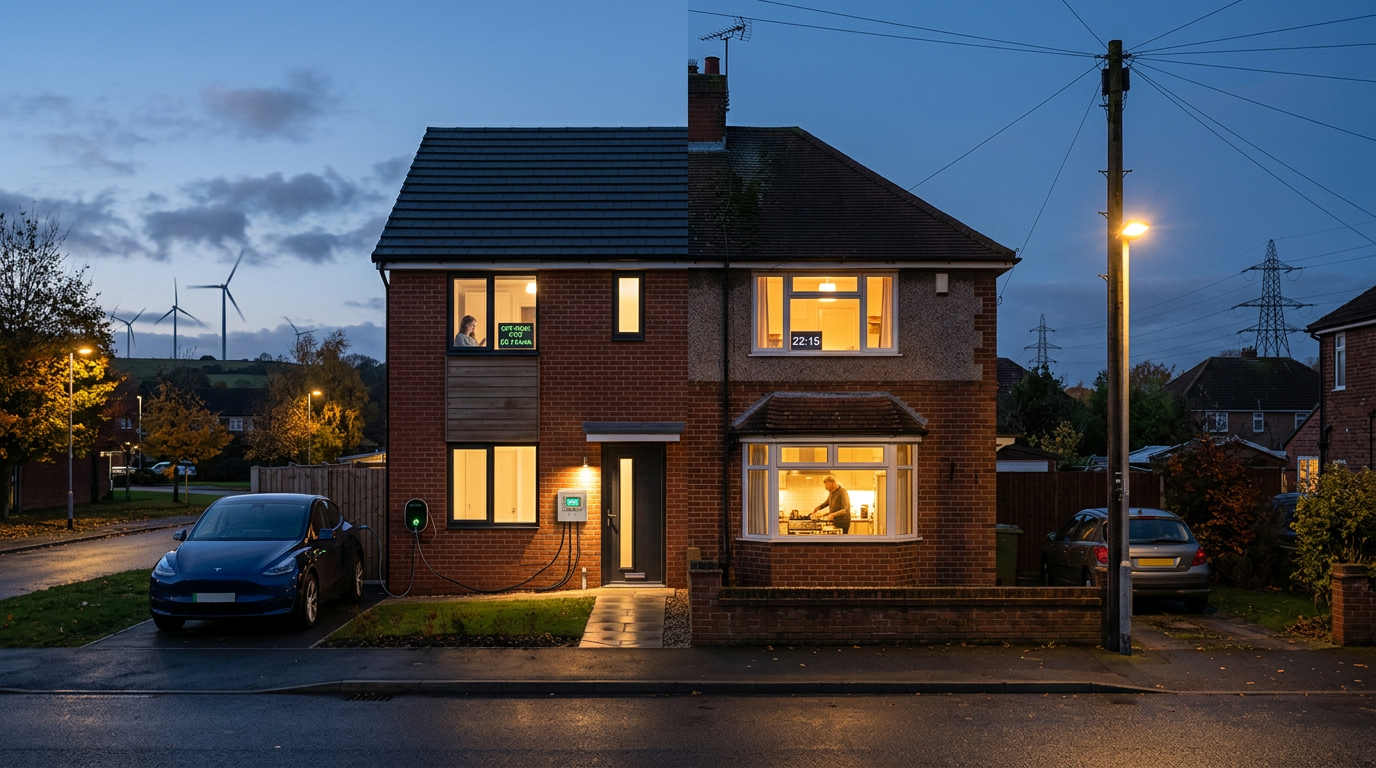
# Time-of-Use Tariffs in the UK 2026: Are They Worth It?
Updated: May 2026 — Power Guardian UK Editorial Team
Time-of-use (TOU) tariffs charge different prices depending on the hour of the day. Done right, they can knock £200–£600 a year off your bill. Done wrong, they cost you more.
How TOU tariffs work in 2026
You need a smart meter sending half-hourly readings. The supplier then bills you at different rates across the day:
| Tariff (typical 2026) | Cheap window | Cheap rate | Peak rate |
|---|---|---|---|
| Economy 7 | 00:30–07:30 | ~14p/kWh | ~30p/kWh |
| Octopus Go | 00:30–05:30 | ~7p/kWh | ~28p/kWh |
| Octopus Cosy | 04:00–07:00 + 13:00–16:00 | ~12p/kWh | ~31p/kWh peak (16:00–19:00) |
| Octopus Agile | Half-hourly, market-linked | -3p to 35p+ | varies |
← Swipe to see more →
(Rates illustrative — check your supplier for live numbers.)
Current Supplier Watch
Who actually saves money?
✅ Strong fit: - EV owners charging overnight — Octopus Go saves £400–£800/year vs flat tariff - Heat pump households — Cosy is designed around heating windows - Home battery owners — charge cheap, discharge at peak - Night-shift workers doing laundry/dishwasher overnight
❌ Bad fit: - Standard 9–5 households with peak-time evening use and no shiftable load - Anyone who can't or won't move usage out of the 16:00–19:00 peak - Homes with old storage heaters on a fixed schedule (Eco7 may still beat standard cap, but check)
The 30-second sanity check
Look at your smart meter app. If less than 40% of your daily kWh sits inside the cheap window — and you can't easily shift more — a flat-rate tariff is probably cheaper.
What to do before switching
- Get at least 4 weeks of half-hourly data from your supplier app
- Calculate what you'd have paid on the new tariff using that data
- Only switch if the saving is >£100/year — not worth the hassle for less
Check My Bill
Most UK homes are still on the price cap when a fixed or TOU tariff would save them hundreds.
Use our free Bill Checker to see in 30 seconds — most users find savings of £200–£500 per year.
What equipment do I need for a time-of-use tariff?
You need a smart meter that is capable of sending half-hourly readings to your energy supplier. Without this, your consumption can't be tracked accurately for different pricing periods.
Can I save money with a time-of-use tariff if I work standard 9-5 hours?
It's unlikely to be a good fit if you have typical peak-time evening usage and cannot shift significant electricity consumption. TOU tariffs are generally not beneficial for households that primarily use electricity between 4 PM and 7 PM.
How much can I realistically save by switching to a TOU tariff?
Done well, you could save between £200 and £600 a year on your energy bill. However, it's crucial to ensure you can shift enough of your electricity usage to off-peak slots.
Recommended Smart Energy Plug
Monitor appliance electricity usage in real time and identify expensive devices around your home.
View on Amazon UKIs Economy 7 still a good option in 2026?
Economy 7 can still offer cheaper rates (~14p/kWh) during off-peak hours compared to peak rates (~30p/kWh). For homes with older storage heaters, it might still beat the standard price cap, but it's important to compare specifically.
How can I tell if a time-of-use tariff is right for my household before switching?
Review at least 4 weeks of your half-hourly electricity data from your smart meter app. If less than 40% of your daily electricity use falls within the cheap window, and you can't easily shift more, a flat-rate tariff is likely more cost-effective for you.
Recommended kit
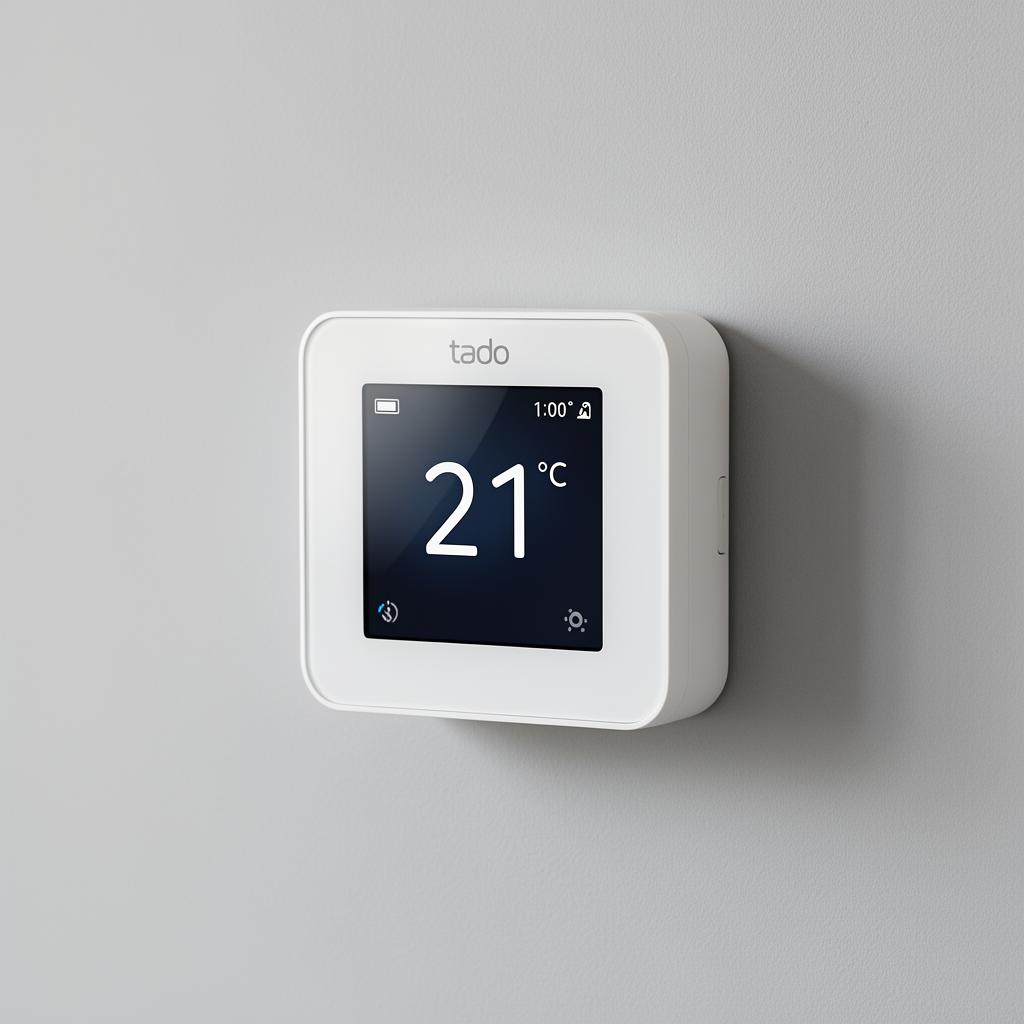
tado Smart Thermostat X
Schedule, zone and remote-control your heating — independently shown to cut heating bills by up to 28%.
Shop on Amazon