
What is a Time-of-Use (TOU) Tariff? Unpacking the Dynamics
At its core, a Time-of-Use (TOU) tariff is an electricity pricing structure that deviates from the traditional flat-rate model. Instead of paying a single price per kilowatt-hour (kWh) regardless of when you consume electricity, TOU tariffs introduce variable pricing based on the time of day, day of the week, and sometimes even the season. This means that electricity consumed during periods of high demand (peak times) is more expensive, while electricity consumed during periods of low demand (off-peak times) is significantly cheaper.
The rationale behind TOU tariffs is multi-faceted. From a grid operator's perspective, they aim to incentivise a shift in demand away from peak hours, thereby reducing strain on the national grid, minimising the need for expensive peaker power plants, and facilitating better integration of renewable energy sources which often have intermittent generation patterns. For consumers, the promise is lower electricity bills through smart consumption.
In the UK context, these tariffs typically define distinct periods: Off-peak:* Often spanning late night to early morning (e.g., 12 am – 5 am). This is where the cheapest rates are found. Shoulder:* Intermediate periods between off-peak and peak, sometimes offering moderately cheaper rates than peak. Peak:* Usually late afternoon to early evening (e.g., 4 pm – 7 pm), corresponding to national demand spikes when people return from work, cook dinner, and use high-draw appliances. This is the most expensive period.
How TOU Tariffs Compare to Standard Tariffs
To truly appreciate the potential impact, let's consider the current landscape. As of Q1 2024, the Ofgem Energy Price Cap for a typical direct debit customer in Great Britain is set at 26.11p/kWh. This represents the maximum unit rate suppliers can charge. Standard variable tariffs (SVTs) offered by suppliers will typically hover around this cap, or slightly below for competitively priced deals.
TOU tariffs, however, offer a much wider spread:
| Tariff Type | Off-peak Rate (p/kWh) | Peak Rate (p/kWh) | Standard Rate (p/kWh) | Notes |
|---|---|---|---|---|
| Standard Variable | N/A | N/A | ~26.11p | Ofgem Price Cap reference. No flexibility, but predictable. |
| Specific TOU | 7p - 10p | 24p - 32p | N/A | Rates vary significantly by provider and the specific TOU product. Requires active management. |
← Swipe to see more →
This table clearly illustrates the stark contrast. While a standard tariff offers predictability at a moderate cost, a TOU tariff promises potential huge savings off-peak but carries significant risk if peak usage isn't managed.
Current Supplier Watch
Examples in 2026: A Deeper Dive into UK Offerings
The UK energy market has seen a surge in innovative TOU tariffs, largely driven by the rollout of smart meters and the increasing adoption of electric vehicles (EVs) and heat pumps. Here’s a closer look at some prominent examples, including specific timings and target demographics, as we project them into 2026.
| Tariff Name | Off-peak Period (Example) | Off-peak Rate (p/kWh) | Peak Period (Example) | Peak Rate (p/kWh) | Typical Standing Charge (p/day) | Best Suited For | Distinctive Features |
|---|---|---|---|---|---|---|---|
| Octopus Go | 12:30 AM – 4:30 AM | ~7p | Other times | ~24p | ~50p | EV owners, those with smart appliances. | Fixed low-rate window, straightforward. Requires smart charger for optimal EV use. |
| Octopus Agile | Varies half-hourly | Can be <0p (rarely) | Varies half-hourly | Can be >70p (rarely) | ~50p | Tech-savvy, high-flexibility, battery storage owners. | Rates change every 30 minutes, published day-ahead. Best paired with automation. Historic data available online. |
| OVO Charge Anytime | Effectively any time at discounted rate for EV charging | ~7p | Other usage | ~26p | ~50p | Dedicated EV owners (primary focus). | Guarantees 7p/kWh for EV charging regardless of time, but overall home usage is higher. Requires OVO Anytime EV charger. |
| E.ON Next Drive | 12:00 AM – 7:00 AM | ~6.7p | Other times | ~28p | ~50p | High EV mileage, heat pump users. | Longer off-peak window than some competitors, beneficial for simultaneous EV/HP use. |
| British Gas EV Drive | 12:00 AM – 5:00 AM | ~9.5p | Other times | ~29p | ~50p | British Gas customers, Hive ecosystem users. | Integrated with Hive smart home ecosystem, allowing for automated scheduling. |
| EDF GoElectric 35 | 1AM – 6AM (5 hours) | ~8p | Other times | ~28p | ~50p | EV owners, limited flexibility with appliance scheduling. | Fixed off-peak window for EV charging. |
← Swipe to see more →
Note: All rates and standing charges are indicative for 2026, based on current trends and the Ofgem Price Cap. Actual rates will vary and are subject to market conditions.
Regional Variations: While unit rates are broadly similar across England, Scotland, and Wales under the Ofgem Price Cap, standing charges can differ subtly by region due to distribution network operator (DNO) costs. For example, North Scotland often has higher standing charges. Always check your specific postcode with the supplier.
Will a Time-of-Use Tariff Save You Money? The Critical Analysis
This is the million-dollar question, and the answer is rarely a simple "yes" or "no." The core determinant of savings is your ability to shift a significant proportion of your electricity consumption into the cheaper, off-peak windows.
The "Rule of Thumb": >30% Off-Peak Usage As a general guideline, if you can consistently move more than 30% of your total household electricity consumption into the defined off-peak periods, a TOU tariff is likely to be financially beneficial. Why 30%? This threshold accounts for:
- Lower Off-Peak Rates: These offer substantial savings per kWh.
- Higher Peak Rates: These are the primary risk; every kWh consumed during peak hours eats significantly into your savings.
- Standing Charge: All tariffs, including TOU, come with a daily standing charge (57.19p/day under the Q3 2026 price cap). Increased consumption during peak hours might negate off-peak savings if you're not careful.
The Reality for Most Households Without Specific Technology For an average UK household without an EV, solar panels, or battery storage, the natural consumption pattern is often heavily weighted towards peak hours. Statistics suggest that typical households might only use 10-15% of their electricity overnight, primarily for refrigeration, standby power, and perhaps a boiler boosting heating. This makes a TOU tariff a net loss for them. Consider a scenario:
- Average Annual Usage: 2,700 kWh
- Standard Tariff: 26.11p/kWh * 2,700 kWh = £704.97 (plus standing charge)
- TOU Tariff (e.g., 7p off-peak, 28p peak):
- Scenario 1: 15% off-peak usage:
- Off-peak: 0.15 * 2700 kWh = 405 kWh @ 7p = £28.35
- Peak: 0.85 * 2700 kWh = 2295 kWh @ 28p = £642.60
- Total: £670.95 (more expensive than standard!)
- Scenario 2: 35% off-peak usage:
- Off-peak: 0.35 * 2700 kWh = 945 kWh @ 7p = £66.15
- Peak: 0.65 * 2700 kWh = 1755 kWh @ 28p = £491.40
- Total: £557.55 (a saving of £104 vs standard!)
- Scenario 1: 15% off-peak usage:
This simplified example highlights why shifting usage is paramount. The standing charge (approx. £208.74/year at 57.19p/day) would be added to all these totals, but its impact is relatively fixed.
The Risk: When TOU Tariffs Backfire
The primary risk is straightforward: if you cannot or do not effectively shift a substantial portion of your electricity usage to off-peak hours, you will almost certainly pay more on a TOU tariff than on a standard variable or even a fixed-rate tariff.
Peak rates on TOU tariffs are consistently higher than the typical unit rate on a standard tariff. As the introductory table showed, peak rates can hit 28-32p/kWh, compared to the current Ofgem cap of 26.11p/kWh. This means every kWh you consume during typical evening hours will cost you more than it would on a flat rate. For families who are home during these hours, cooking, watching TV, running washing machines after work, the financial penalty can be significant.
This risk is particularly acute for: Households without smart home technology:* Without smart plugs that can be scheduled, EV chargers that automate charging, or smart thermostats for heat pumps, shifting usage requires manual effort and discipline. Families with young children:* The evening "rush hour" of dinner, baths, laundry, and entertainment is often fixed and difficult to reschedule. Those working from home with high daytime usage:* While not peak, their high base load outside the cheap window can diminish savings.
How to Make a Time-of-Use Tariff Work for You: A Step-by-Step Guide
Successfully leveraging a TOU tariff requires proactive management and, ideally, some smart home technology.
Step 1: Understand Your Current Usage Profile (The Quick Check)
Before even considering a switch, you must understand your current electricity consumption patterns.
- Log into your smart meter data portal/utility app: Most UK energy suppliers (Octopus, OVO, British Gas, E.ON, EDF, Shell Energy, etc.) provide granular half-hourly or hourly data for smart meter customers. This is gold.
- Analyse 7-14 days of data: Look at daily consumption graphs. Identify patterns.
- When are your largest spikes? Are they consistently between 4 pm and 7 pm?
- What's your baseline overnight usage (12 am – 5 am)? Is it just fridge/freezer, or are there other draws?
- Highlight key appliance usage: Can you see when your washing machine, dishwasher, or oven are typically used?
- Calculate estimated off-peak percentage: Roughly estimate what percentage of your daily kWh consumption falls into the potential off-peak window of a TOU tariff (e.g., 12 am – 5 am). If this number is consistently below 20%, proceed with caution.
Step 2: Identify High-Drain Appliances and Their Flexibility
Pinpoint the electricity guzzlers in your home that either can be shifted or need to be charged/run efficiently.
- Electric Vehicle (EV): The biggest game-changer. Most EVs have scheduling functions, and smart chargers (e.g., Ohme, Zappi, Wallbox) can automate charging during off-peak windows. This is often the primary driver for TOU tariff adoption.
- Action: Ensure your EV charger is "smart" and can be programmed. Set charging to commence at the beginning of your chosen tariff's off-peak slot.
- Example (Octopus Go): Set your car to charge only between 12:30 am and 4:30 am.
- Dishwasher/Washing Machine/Tumble Dryer: Many modern appliances have delay timers.
- Action: Load them up in the evening and set the timer to start operating during the off-peak hours.
- Example: Program your dishwasher to start at 1 am.
- Electric Showers/Immersion Heaters: These can draw significant power.
- Action: If you have an immersion heater, consider pre-heating your hot water during the off-peak period using a timer switch. For electric showers, avoid peak-time usage if possible.
- Heat Pumps: A growing number of UK homes are adopting air source or ground source heat pumps. These require a lot of electricity.
- Action: Schedule your heat pump to run more intensively during off-peak windows to "pre-heat" your home or hot water cylinder, then maintain temperature with less power during peak. Smart thermostats (e.g., Hive, Tado) can often integrate with heat pump scheduling.
- Example (E.ON Next Drive): Leverage the longer 12 am – 7 am off-peak window to run your heat pump for 5-6 hours.
- Battery Storage (Home Battery Systems): The ultimate flexibility tool.
- Action: Charge your home battery during the cheapest off-peak hours and then discharge it during the expensive peak hours, effectively running your home on stored cheap electricity. This is particularly powerful with tariffs like Octopus Agile, where you can charge when rates are ultra-low or even negative.
- Example: Tesla Powerwall, GivEnergy, Solax.
Step 3: Implement and Monitor
Once you've made the switch and adjusted your habits/tech:
- Regularly review your usage: Use your supplier's app or online portal. Are you hitting your target off-peak usage?
- Track your bills: Compare your new bills to what you would have paid on a standard tariff. Many suppliers offer comparisons within their apps.
- Be prepared to adjust: If family routines change, or you find certain shifts impractical, be ready to re-evaluate or even switch back if necessary. The energy market is dynamic.
FAQs
Q1: Do I need a smart meter to get a TOU tariff?
Yes, almost without exception. TOU tariffs require half-hourly consumption data to accurately bill you at different rates, which only a working smart meter (SMETS1 or SMETS2) can provide. If you don't have one, your chosen supplier will typically arrange for installation.
Q2: Are there any hidden fees with TOU tariffs?
Generally, no more than standard tariffs. You'll typically pay a daily standing charge and the unit rates. However, if you fail to shift your usage, the effective cost per kWh can be higher due to the elevated peak rates, leading to a higher overall bill. Always compare the standing charge across different tariffs.
Q3: What if I have solar panels? Do TOU tariffs still make sense?
Absolutely, even more so! If you have solar panels and battery storage, a TOU tariff can be incredibly beneficial. You can typically: Export excess solar generation during peak daytime hours when export rates might be better. Charge your battery from solar during the day. Charge your battery from the grid during cheap off-peak hours (especially on cloudy days). Discharge your battery to power your home during expensive peak grid hours.
Q4: How often do the off-peak windows or rates change?
For tariffs like Octopus Go or OVO Charge Anytime, the off-peak window and rates are generally fixed for a period (e.g., 12 months) or until widespread market changes. For "dynamic" tariffs like Octopus Agile, rates change every 30 minutes, published the day before, giving you predictability for tomorrow but requiring more active monitoring or automation. Always check the specific tariff's terms and conditions.
Q5: What if I decide a TOU tariff isn't right for me after switching?
You typically have a 14-day cooling-off period after signing up for any energy deal. Beyond that, most TOU tariffs in the UK are variable rate, meaning you can switch away to another supplier or tariff at any time without penalty, usually with 30 days' notice.
Recommended energy saving products
Independently chosen kit that helps UK households cut energy use.
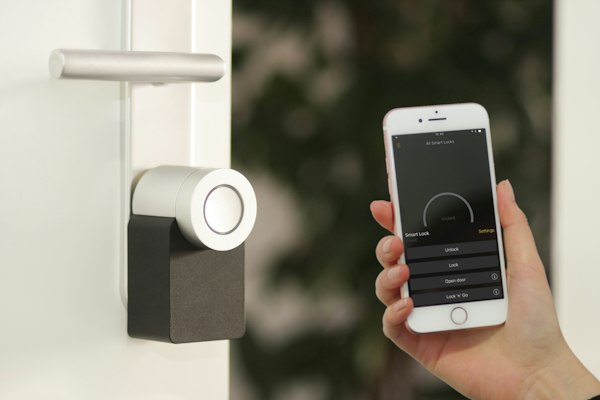
Tapo P110 Smart Plug (Energy Monitoring)
See exactly which appliances are quietly inflating your bill — track real-time watts, kWh and runtime from your phone.
- Real-time energy monitoring
- Cuts standby/vampire power
- Schedule appliances off-peak
Estimated benefit: ~£40/yr standby savings
Shop on AmazonAd – affiliate link. PowerGuardian may earn a commission from Amazon or another approved affiliate partner at no extra cost to you.

Home Energy Monitor (Whole-House)
Track your whole-home electricity use live and find where the kWh are going before the bill lands.
- Whole-house live usage
- Spot expensive habits fast
- App history & alerts
Estimated benefit: Awareness cuts ~5-10% use
Shop on AmazonAd – affiliate link. PowerGuardian may earn a commission from Amazon or another approved affiliate partner at no extra cost to you.
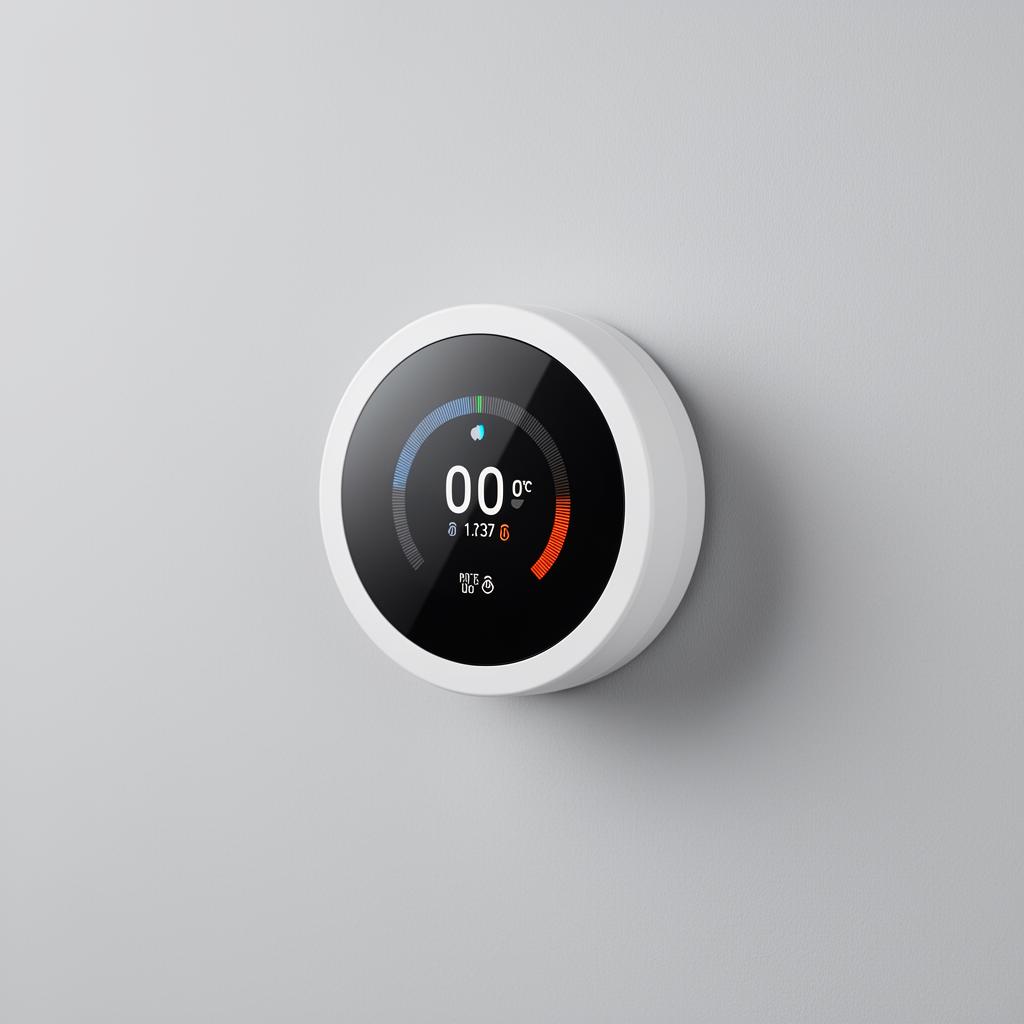
tado Smart Thermostat Starter Kit
Schedule, zone and remote-control your heating — independently shown to cut heating bills meaningfully.
- Heat only when needed
- Geofencing & schedules
- Room-by-room control
Estimated benefit: Up to ~£140/yr
Shop on AmazonAd – affiliate link. PowerGuardian may earn a commission from Amazon or another approved affiliate partner at no extra cost to you.
Affiliate links — we may earn a small commission at no extra cost to you. This keeps PowerGuardian free and independent.
Conclusion: Balancing Opportunity and Responsibility
Time-of-Use tariffs represent a significant shift in how we pay for and consume electricity in the UK. For the right household, particularly those with electric vehicles, smart home automation, heat pumps, or battery storage, they offer a genuine opportunity to reduce electricity bills by 10-20%, and sometimes even more. The savings are not theoretical; they are achieved through active management and leveraging technological advancements.
However, the cautionary tale remains strong: for households unable or unwilling to adapt their consumption patterns, the higher peak rates pose a very real risk of increased costs. The decision to switch should be informed, data-driven, and pragmatic, understanding that while the energy grid benefits from demand shifting, the individual consumer bears the responsibility of doing the shifting.
As we move towards 2026, with an increasing penetration of smart meters, EVs, and heat pumps, TOU tariffs will become ever more prevalent and sophisticated. For the savvy UK energy consumer, they are not just a billing mechanism, but an empowerment tool to take control of their energy costs and contribute to a more efficient, greener grid. The time to assess your suitability is now.
What exactly is a Time-of-Use (TOU) tariff?
A TOU tariff charges different prices for electricity depending on the time of day, day of the week, and sometimes the season. Electricity is more expensive during peak demand times and significantly cheaper during off-peak periods. This contrasts with traditional flat-rate tariffs where the price per kWh remains constant.
Why do energy companies offer TOU tariffs?
TOU tariffs encourage consumers to shift their electricity usage away from peak hours, which reduces strain on the national grid. This also minimises the need for expensive "peaker" power plants and aids in integrating renewable energy sources.
What are the typical time periods for TOU tariffs in the UK?
In the UK, TOU tariffs usually define off-peak (cheapest, e.g., 12 am – 5 am), shoulder (moderately priced), and peak periods (most expensive, e.g., 4 pm – 7 pm). These periods reflect when electricity demand is lowest, moderate, and highest, respectively.
How do TOU rates compare to the standard variable tariff?
While the standard variable tariff is typically around 26.11p/kWh (Q3 2026 price cap), TOU tariffs offer a much wider range. Off-peak rates can be as low as 7p-10p/kWh, but peak rates can go up to 24p-32p/kWh or even higher, showing both potential savings and risks.
What kind of UK household benefits most from a TOU tariff?
TOU tariffs are best suited for households with electric vehicles, heat pumps, or smart appliances that can be programmed to use electricity during off-peak hours. Tech-savvy consumers who actively manage their usage or have battery storage systems can also see significant savings.
Recommended kit
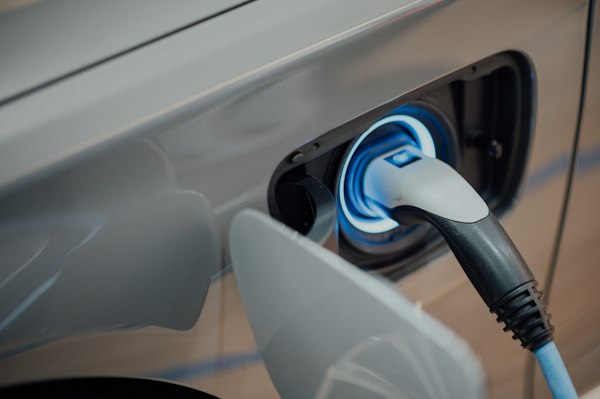
Type 2 EV Charging Cable 7m 32A
Reliable 7m Mode 3 Type 2 to Type 2 cable for public chargepoints — supports up to 7.4kW single-phase charging.
Shop on Amazon