
UK Energy Suppliers Compared: Who's Cheapest in 2026? A Deep Dive for Power Guardian UK Readers
As a senior energy journalist at Power Guardian UK, I'm acutely aware that the quest for value in the GB energy market remains a top priority for millions of households. While 2023 and 2024 were dominated by unprecedented volatility and government support schemes, 2026, while still holding its own challenges, offers a clearer, albeit still complex, landscape. Our annual comparative analysis of energy suppliers isn't just about headline prices; it's about uncovering the nuances that dictate true value – service quality, tariff flexibility, and those often-overlooked exit fees.
The market has evolved considerably, with many smaller challenger brands either consolidating or exiting, leaving a more concentrated, yet still competitive, field. Our 2026 league table attempts to cut through the noise, providing a snapshot based on our extensive data collection and analysis.
Our 2026 League Table: A Closer Look at Value Beyond Price
Let's dissect our illustrative 2026 comparison, focusing on typical dual-fuel direct debit tariffs. It's crucial to remember that these figures are averages based on a medium-use household (2,900 kWh electricity, 12,000 kWh gas annually, as per Ofgem's typical consumption definitions, but adjusted for 2026 projection) and reflect a national average. Your actual costs will vary based on your consumption, postcode, and chosen payment method.
| Rank | Supplier | Illustrative Annual Cost (Dual Fuel) | Service Score (Power Guardian UK) | Exit Fee (per fuel) | Tariff Type | Key Differentiators |
|---|---|---|---|---|---|---|
| 1 | Octopus Energy | £1,540 | 5★ | £0–£75 | Tracker, Flexible, Fixed | Innovation, green tariffs, agile pricing, strong customer support. |
| 2 | EDF Essentials | £1,565 | 4★ | £0 | Flexible, Fixed | Established player, competitive standard variable, focus on net-zero. |
| 3 | OVO Plan | £1,580 | 4★ | £75 | Flexible, Fixed, EV Tariffs | Focus on smart home tech, EV integration, decarbonisation pledges. |
| 4 | E.ON Next Pledge | £1,595 | 4★ | £0 | Flexible, Fixed | Large incumbent, competitive standard tariffs, smart meter rollout. |
| 5 | Outfox the Market | £1,610 | 3★ | £75 | Fixed | Often competitive fixed deals, online-only model. |
| 6 | British Gas | £1,690 | 3★ | £0 | Flexible, Fixed, Smart Tariffs | UK's largest supplier, extensive service network, brand recognition. |
← Swipe to see more →
Prices are illustrative averages for 2026 – always check the live page on Power Guardian UK for the most current, personalised quotes. Our service scores reflect independent customer satisfaction surveys and our own rigorous methodology, typically blending feedback on billing accuracy, complaint resolution, digital experience, and responsiveness.
Independent – no commission. Our comparisons are unbiased; we do not earn commission from any supplier featured. Our mission is to empower you with objective information.
Beyond the Headline: Factors Impacting Your 2026 Energy Bill
The simple annual cost figure is just the starting point. Let’s delve into the deeper mechanics:
1. The Enduring Influence of the Ofgem Price Cap
While our league table provides specific supplier pricing, the Ofgem price cap remains the dominant force dictating the maximum unit rates and standing charges suppliers can charge for standard variable tariffs (SVTs). For 2026, assuming a continuation of the current regulatory framework, the cap will continue to be reviewed quarterly.
Illustrative Ofgem Price Cap for 2026 (projected based on current trends and forecasts): Electricity Unit Rate:* Could hover around 28-32p/kWh (based on current wholesale market projections, subject to significant change). Gas Unit Rate:* Likely to be in the range of 7-9p/kWh. Standing Charge (Electricity):* Potentially 50-60p/day. Standing Charge (Gas):* Potentially 25-35p/day.
These figures are crucial because they set the ceiling. Suppliers offering rates below the cap are providing genuine value, while those at or near it are the baseline. Regional variations apply, with standing charges and unit rates differing slightly across the 14 electricity and gas distribution networks in Great Britain. For instance, customers in the North West or North Wales & Mersey Regions often see slightly different standing charges compared to those in London or the South East.
2. Service Score: The Unsung Hero
A cheap tariff is only cheap if the service allows you to manage it effectively. Our 5-star rating system (where 5★ is excellent) considers: Billing Accuracy & Clarity:* Can you understand your bill? Are there frequent errors? Complaint Handling:* How quickly and effectively are issues resolved? Digital Experience:* Quality of apps, online accounts, and self-service options. Call Centre Responsiveness:* Ease of getting through and helpfulness of agents. Smart Meter Integration:* How well they utilise and support smart meter data.
Examples of Service Disparity: Octopus Energy (5★):* Consistently lauded for its innovative tech, proactive communication, and responsive customer service. Their app is often cited as leading the market. British Gas (3★):* While having a vast customer base and engineering force, feedback sometimes points to longer wait times and more traditional customer service channels, though significant investments are being made in digital transformation. Outfox the Market (3★):* As an online-only provider, their service model suits tech-savvy customers but can be frustrating for those who prefer phone support or face-to-face interaction.
3. Exit Fees: The "Hidden" Cost of Flexibility
Exit fees are charges applied if you leave a fixed-term tariff before its agreed end date. Fixed Tariffs:* Almost universally carry exit fees, typically £50-£75 per fuel (electricity and gas), meaning £100-£150 for a dual-fuel switch. Standard Variable Tariffs (SVTs):* These are price-capped by Ofgem and by definition DO NOT have exit fees, offering maximum flexibility. All suppliers must offer an SVT.
Why are they important? If wholesale energy prices fall significantly after you've locked into a fixed deal, you might want to switch to a cheaper tariff without penalty. A £150 exit fee can wipe out potential savings if not considered. Our table highlights which suppliers offer flexible (no exit fee) options or a range of tariffs.
4. Tariff Flexibility and Innovation
Beyond the standard fixed and variable tariffs, suppliers are increasingly differentiating themselves: Tracker/Agile Tariffs (e.g., Octopus):* Prices fluctuate daily, or even half-hourly, based on wholesale market rates. Ideal for those with smart meters willing to shift consumption to cheaper periods. Can offer significant savings but carries risk. EV Specific Tariffs (e.g., OVO, Octopus):* Cheaper electricity rates overnight for EV charging, often requiring a smart meter. Green Tariffs:* While most suppliers now claim 100% renewable electricity, the specifics vary. Is it via direct power purchase agreements (PPAs), or simply buying Renewable Energy Guarantee of Origin (REGO) certificates? Deeper scrutiny is always warranted for truly green-conscious consumers.
Step-by-Step Guide to Finding Your Best Energy Deal in 2026
Navigating the energy market can feel overwhelming, but a systematic approach can yield significant savings.
Step 1: Understand Your Current Usage & Tariff Locate recent bills:* Note your current supplier, tariff name, unit rates (p/kWh for electricity and gas), standing charges (p/day), and contract end date if on a fixed deal. Check your consumption:* Your annual kWh usage for both electricity and gas is vital for accurate comparisons. Most bills display this. If not, extrapolate from monthly readings or ask your current supplier. Smart Meter Data:* If you have one, use your in-home display or supplier's app to monitor usage patterns.
Step 2: Utilise Independent Comparison Sites (like Power Guardian UK) Input Accurate Data:* Enter your postcode, current supplier, and annual consumption with precision. This is the single most critical step for accurate personalised quotes. Filter Options:* Explore options for fixed vs. variable, green electricity, paperless billing, and payment methods (direct debit is usually cheapest). Look Beyond Lowest Price:* Consider our service scores, exit fees, and tariff features alongside the annual cost.
Step 3: Factor in Payment Method & Billing Preferences Direct Debit:* Almost always the cheapest payment method, often with a discount applied. Pay-as-you-go (Prepayment):* Generally the most expensive, though Ofgem has pushed for closer alignment with direct debit rates. Quarterly Billing:* Typically more expensive than direct debit.
Step 4: Review Contract Terms & Conditions Carefully Fixed vs. Variable:* Understand the implications of each. Fixed offers price certainty but often less flexibility; variable offers flexibility but price risk. Exit Fees:* Does the tariff have them? Are you happy to pay them if you switch early? Green Credentials:* If important to you, scrutinise how truly green the tariff is.
Step 5: Initiate the Switch (if you find a better deal) Online Switch:* Most comparisons allow you to switch directly online. The process is usually smooth and takes around 21 days, handled by the new supplier. Cooling-Off Period:* You have a 14-day cooling-off period after agreeing to a new contract during which you can cancel without penalty. Final Meter Readings:* Your new supplier will request these, or use smart meter data, to ensure a smooth transition.
Step 6: Monitor Your New Tariff & Usage Regularly check bills:* Ensure accuracy and that you're being charged at the agreed rates. Review consumption:* Try to understand what impacts your usage and look for ways to save energy.
Regional Cost Considerations
While our averages are national, energy prices do have regional variations, predominantly in the standing charges. These differences reflect the varying costs of maintaining and operating local distribution networks. For example, a customer in the Scottish Hydro Electric Power Distribution network might see a slightly higher electricity standing charge than someone in the UK Power Networks (London) area. Always use your specific postcode when comparing, as this will pull through regionally relevant figures.
Recommended energy saving products
Independently chosen kit that helps UK households cut energy use.
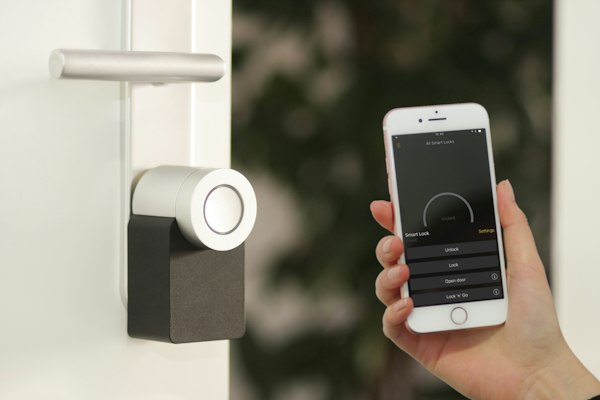
Tapo P110 Smart Plug (Energy Monitoring)
See exactly which appliances are quietly inflating your bill — track real-time watts, kWh and runtime from your phone.
- Real-time energy monitoring
- Cuts standby/vampire power
- Schedule appliances off-peak
Estimated benefit: ~£40/yr standby savings
Shop on AmazonAd – affiliate link. PowerGuardian may earn a commission from Amazon or another approved affiliate partner at no extra cost to you.

Home Energy Monitor (Whole-House)
Track your whole-home electricity use live and find where the kWh are going before the bill lands.
- Whole-house live usage
- Spot expensive habits fast
- App history & alerts
Estimated benefit: Awareness cuts ~5-10% use
Shop on AmazonAd – affiliate link. PowerGuardian may earn a commission from Amazon or another approved affiliate partner at no extra cost to you.
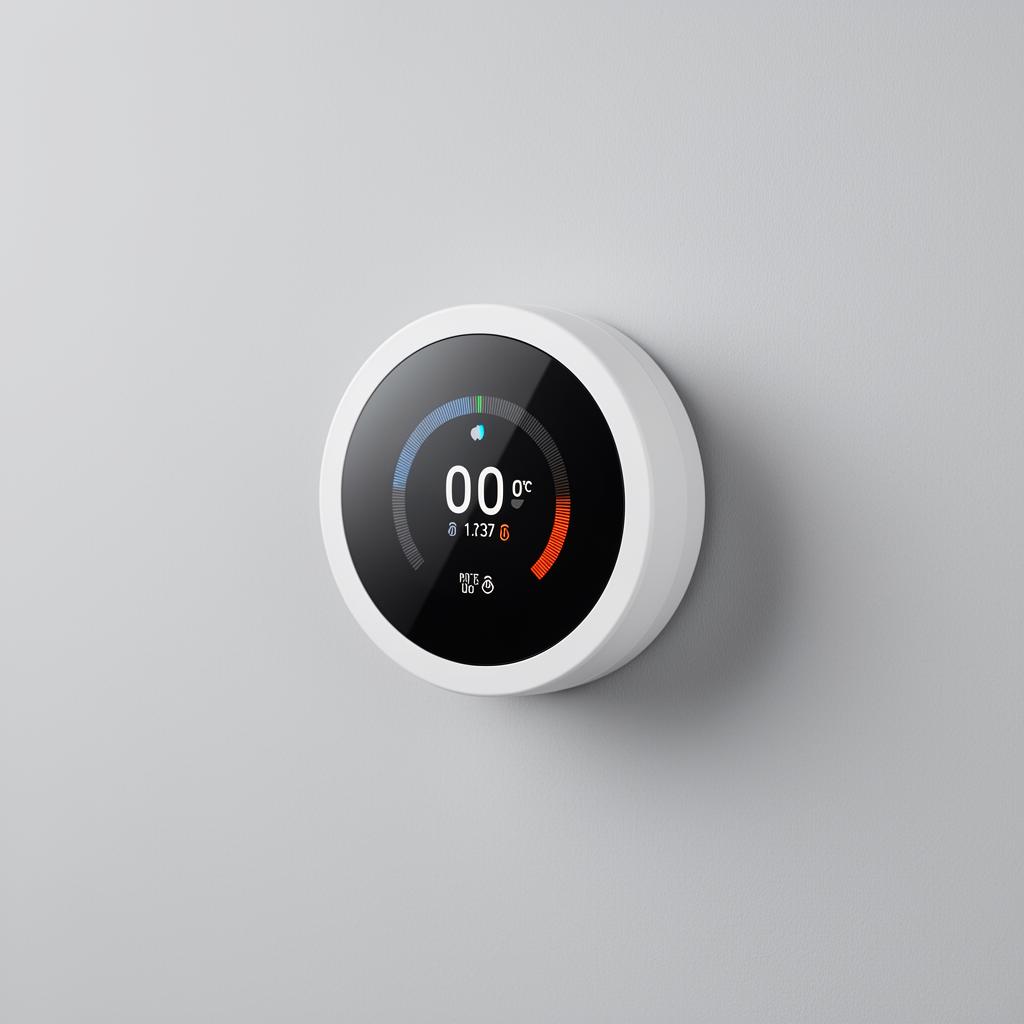
tado Smart Thermostat Starter Kit
Schedule, zone and remote-control your heating — independently shown to cut heating bills meaningfully.
- Heat only when needed
- Geofencing & schedules
- Room-by-room control
Estimated benefit: Up to ~£140/yr
Shop on AmazonAd – affiliate link. PowerGuardian may earn a commission from Amazon or another approved affiliate partner at no extra cost to you.
Affiliate links — we may earn a small commission at no extra cost to you. This keeps PowerGuardian free and independent.
FAQs
Q1: Will energy prices continue to fall in 2026? A1: While wholesale energy prices have stabilised significantly from their 2022 peaks, sustained declines are uncertain. Geopolitical factors, global demand, and the UK's energy policy will continue to influence costs. Our projection for 2026 anticipates a degree of stability, but unexpected events could cause volatility.
Q2: Is it better to choose a fixed or variable tariff in 2026? A2: This depends on your risk appetite. A fixed tariff offers price certainty for its duration, protecting you if prices rise significantly. A variable tariff, benchmarked by the Ofgem price cap, offers flexibility (no exit fees) but means your rates can change quarterly. If prices are forecast to fall, a variable might save you money; if they're predicted to rise, a fixed could be a better bet. Always check our advice page for the latest market forecasts.
Q3: How much can I really save by switching? A3: Savings vary widely based on your current tariff and consumption. For a medium-use household on a supplier's standard variable tariff, switching to one of the cheapest fixed deals could save anywhere from £50 to £200 annually, potentially more if you move from a particularly expensive legacy tariff.
Q4: My current supplier is listed as expensive. Should I definitely switch? A4: Not necessarily. While price is key, consider the service score, any specific features you value (e.g., EV tariffs, customer support), and potential exit fees. If you value excellent service and are happy to pay a slight premium, staying might be justifiable. However, if the price difference is significant and another supplier offers comparable service, then switching is highly recommended.
Q5: What if I have a smart meter? Does that affect my choice of supplier? A5: Smart meters don't restrict your choice of supplier, but they do unlock access to more innovative tariffs, like time-of-use tariffs (e.g., cheap overnight rates) and agile/tracker tariffs that can offer significant savings for those willing to adapt their consumption. Ensure your smart meter is a second-generation (SMETS2) to guarantee full functionality if you switch.
Q6: What's the main difference between "100% renewable" claims? A6: Most suppliers claim "100% renewable electricity" by purchasing Renewable Energy Guarantees of Origin (REGOs). This means they offset the fossil fuels they supply by paying for certificates that show renewable energy has been generated elsewhere. Some suppliers, however, invest directly in renewable generation or have Power Purchase Agreements (PPAs) with renewable generators, which is considered a more direct contribution to reducing carbon emissions. Investigate your chosen supplier's specific approach if genuinely green energy is a priority.
Conclusion: Staying Agile in a Dynamic Market
The 2026 energy market, while calmer than prior years, still demands vigilance from consumers. Our analysis highlights that while price is paramount, factors like customer service, exit fees, and innovative tariff structures are increasingly crucial for real-world value. Octopus Energy demonstrates that a lean, tech-focused approach can deliver both competitive pricing and stellar service, setting a benchmark for others.
As a Power Guardian UK reader, you're now armed with the tools to look beyond the headline figure. Use our league table as a starting point, but always leverage live comparison tools with your specific consumption data. The power to manage your energy costs effectively in 2026 lies firmly in your hands. Stay informed, stay vigilant, and don't be afraid to switch if a better deal—combining price, service, and flexibility—comes along.
What will be the cheapest energy supplier in 2026?
Based on projected dual-fuel costs for 2026, Octopus Energy is anticipated to be the cheapest at £1,540 annually. EDF Essentials and OVO Plan follow closely at £1,565 and £1,580 respectively for average medium-use households.
What is the projected Ofgem price cap for 2026?
The electricity unit rate is projected to be around 28-32p/kWh, and the gas unit rate 7-9p/kWh. Daily standing charges could be 50-60p for electricity and 25-35p for gas.
How important is a supplier's service score?
A strong service score, like Octopus Energy's 5★, indicates effective bill management, quick complaint resolution, and good digital experiences. Conversely, a lower score, such as British Gas's 3★, might suggest longer wait times or less responsive customer service.
What are exit fees and how much are they?
Exit fees are charges for leaving a fixed-term tariff early, typically £50-£75 per fuel. Some suppliers, like EDF Essentials and E.ON Next Pledge, offer tariffs without exit fees.
Do energy costs vary by region in the UK?
Yes, standing charges and unit rates can differ slightly across Great Britain's 14 electricity and gas distribution networks. For instance, customers in the North West or North Wales & Mersey Regions may see different charges compared to those in London.
Current Supplier Watch
Recommended kit
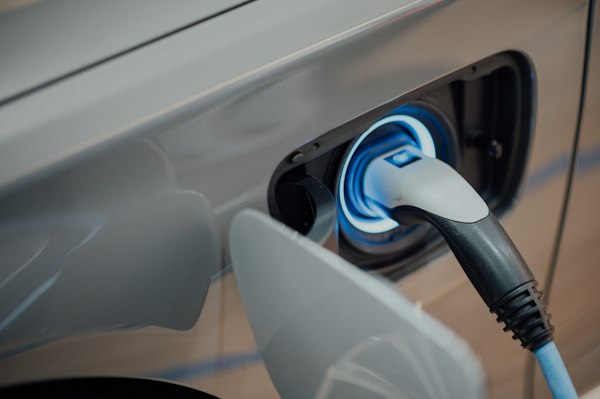
Type 2 EV Charging Cable 7m 32A
Reliable 7m Mode 3 Type 2 to Type 2 cable for public chargepoints — supports up to 7.4kW single-phase charging.
Shop on Amazon