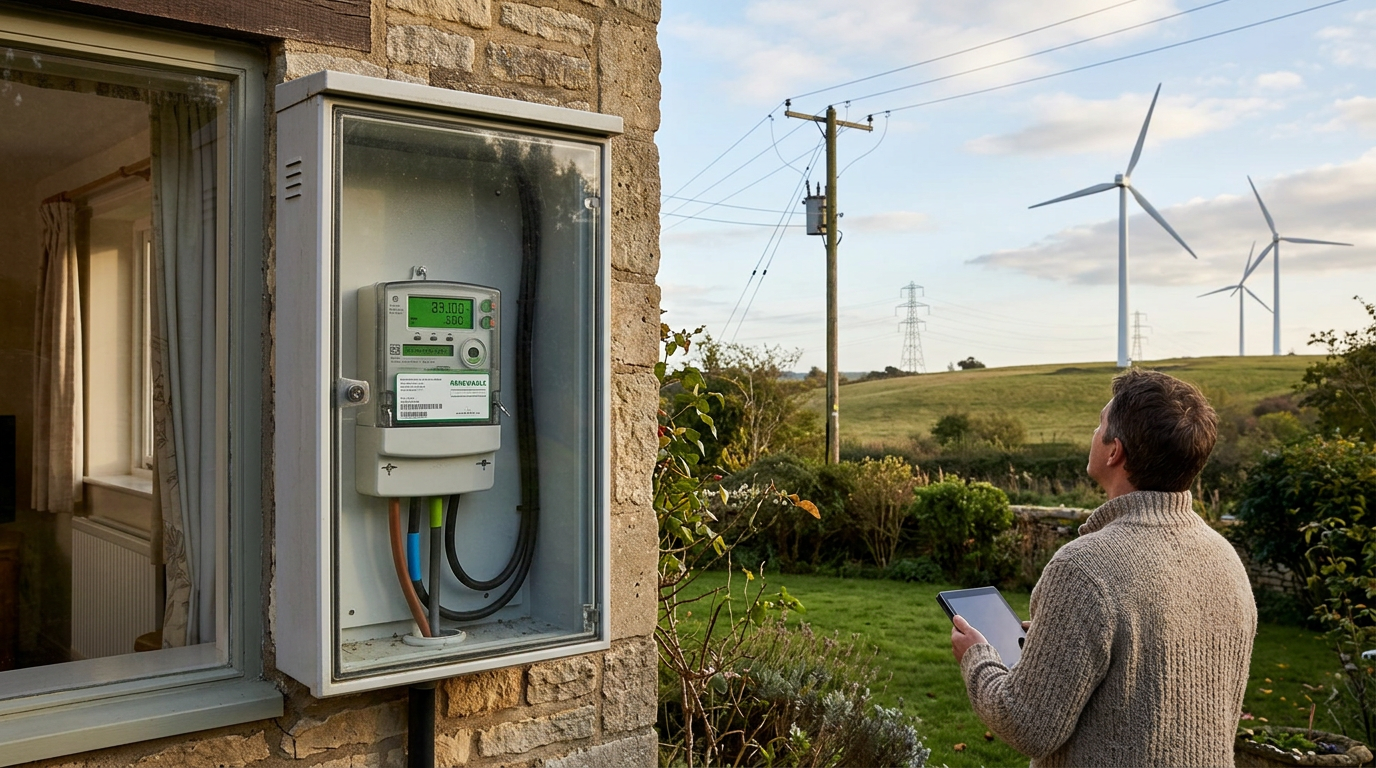
The REGO Loophole: Delving Deeper into Greenwash Claims
The UK energy market, lauded for its increasingly diverse generation mix, presents a perplexing challenge for environmentally conscious consumers: how to genuinely support renewable energy. The concept of a "100% renewable electricity tariff" sounds unequivocally positive, yet, as we at Power Guardian UK have extensively investigated, the reality is often far more nuanced. The core issue lies with Renewable Energy Guarantees of Origin (REGOs) – a system originally designed to track renewable energy but now, arguably, enabling a form of greenwashing.
A REGO certificate is a digital document that verifies 1 Megawatt-hour (MWh) of electricity has been generated from an eligible renewable source, such as wind, solar, or hydro. These certificates are issued to renewable generators by Ofgem, the UK's energy regulator. Crucially, REGOs can be bought and sold separately from the physical electricity itself. This creates a disconnect: an energy supplier can purchase electricity from the wholesale market (which includes fossil fuels and nuclear) and then buy enough REGOs for a paltry sum – sometimes as low as £0.50 per MWh – to badge their tariff as "100% renewable" or "green."
Practical Example: Imagine your home consumes 3,000 kWh (3 MWh) of electricity annually. A supplier offering a REGO-backed "100% green" tariff might buy 3 MWh of electricity from the national grid, which on a typical day might be 40% gas, 20% wind, 15% nuclear, 10% solar, etc. Simultaneously, they purchase 3 REGO certificates from a wind farm. While your bill says "100% renewable," the actual electrons flowing into your home are still a mix, and crucially, the supplier hasn't stimulated any additional renewable generation beyond what was already happening. The wind farm would have generated that electricity regardless. This mechanism, while complying with current regulations for green claims, offers minimal, if any, additional environmental benefit. It's essentially an accounting trick, allowing companies to appear green without changing their procurement practices in a way that truly drives the energy transition, akin to buying carbon offsets for a flight without reducing your travel.
Current Supplier Watch
The Geniunely Greener Suppliers: Driving Real Change
Identifying truly impactful renewable tariffs requires looking beyond the "100% renewable" label. The key distinction lies in whether the supplier is genuinely investing in, or directly procuring from, new or existing renewable generation. This usually involves Power Purchase Agreements (PPAs) or direct investment.
Understanding Power Purchase Agreements (PPAs)
A PPA is a long-term contract between an electricity generator (e.g., a wind farm) and an electricity buyer (e.g., an energy supplier or a large corporation). PPAs provide stable income for renewable project developers, making it easier for them to secure financing for new projects. When a supplier enters into a PPA, they are committing to buying a guaranteed amount of renewable energy directly from a specific project. This direct relationship means their customers' payments are more directly supporting renewable generation, and in many cases, facilitating new renewable capacity.
Leading Examples in the UK:
- Good Energy: A long-standing pioneer in the UK renewable market. Good Energy prides itself on its strong direct relationships with over 2,000 independent renewable generators across the UK. They primarily use PPAs, meaning they physically source a significant portion of their electricity directly from wind, solar, and hydro projects. Their commitment extends to advocating for policy changes that genuinely support renewable energy, rather than relying on loopholes.
- Ecotricity: Another established green energy provider, Ecotricity operates on a "bills into mills" principle. They are known for reinvesting a substantial portion of their profits into building new renewable energy projects in the UK, particularly wind farms and sun parks. This direct investment model means that customers' money is actively helping to expand the UK's renewable generation capacity. Their "Green Gas" tariff also uses biomethane sourced from anaerobic digestion plants, offering a more sustainable alternative to natural gas, though this is a separate consideration from electricity.
- Octopus Energy: While Octopus does utilise a mix of PPAs and REGOs, their approach is significantly more robust than many competitors. They have been active in securing large-scale PPAs, often with innovative financing structures, to support new renewable projects. Furthermore, Octopus is a leader in smart tariffs (like "Octopus Go" for EV charging or "Agile Octopus" for dynamic pricing), and their "Fan Club" tariff directly links customers to specific local wind turbines, offering discounts when those turbines are generating. They are also investing heavily in smart grid technologies and are one of the key players in the smart export guarantee (SEG) market, encouraging domestic solar generation.
Comparison of Supplier Approaches:
| Feature | "Mostly-REGO" Suppliers (e.g., some Big Six green tariffs) | Good Energy / Ecotricity | Octopus Energy (Green Tariffs) |
|---|---|---|---|
| Electricity Source | Wholesale market (mixed generation) + REGOs | Direct PPAs from UK generators / Own projects | PPAs, some REGOs, smart grid integration |
| Impact on New Gen | Very low / Indirect | High (direct support & investment) | High (PPAs, smart tech, market innovation) |
| Transparency | Limited; often just "100% renewable" | High; detailed info on generators / projects | Good; specific project links, dynamic pricing |
| Cost (Ofgem Rate) | Varies, often competitive with standard tariffs | Can be slightly higher (premium for real green) | Often competitive, innovative smart tariffs |
← Swipe to see more →
The Mostly-REGO Ones: The Illusion of Green
The vast majority of "green" tariffs offered by the UK's larger energy suppliers, including some of the 'big six' (now arguably big four or five), predominantly rely on the purchase of REGOs. While this technically allows them to market their tariffs as 100% renewable under current rules, it does little to genuinely advance the UK's renewable energy transition.
When you see a tariff advertised as "100% renewable" or "green" by a mainstream supplier without further explanation of their specific procurement methods, it's highly probable to be REGO-backed. While not explicitly "bad" – as it at least supports the auditing of renewable generation – it doesn't represent genuine additional investment or innovation.
UK Specific Context: Ofgem and Unit Rates
The Ofgem price cap, a crucial mechanism in the UK market, sets a maximum average unit rate and standing charge that suppliers can charge for gas and electricity. As of October 2023, the price cap per kWh is roughly £0.27 (electricity) and £0.07 (gas), with a daily standing charge of around £0.53 for electricity and £0.29 for gas (these figures fluctuated and are illustrative, always check current rates). It’s important to note that a truly greener tariff might sometimes come with a slightly higher unit rate or standing charge, reflecting the premium associated with direct procurement or investment. However, with increased competition and the rising cost of fossil fuels, many genuinely green tariffs are now competitive with, or even cheaper than, standard tariffs from legacy providers.
What Actually Moves the Needle: Steps to Genuine Green Impact
For individuals genuinely committed to reducing their carbon footprint and supporting the energy transition, here are concrete, impactful actions:
- Installing Solar Panels and Battery Storage at Home
- Switching to a PPA-Backed or Investing Supplier
- Reducing Consumption Full Stop
Recommended energy saving products
Independently chosen kit that helps UK households cut energy use.

Tapo P110 Smart Plug (Energy Monitoring)
See exactly which appliances are quietly inflating your bill — track real-time watts, kWh and runtime from your phone.
- Real-time energy monitoring
- Cuts standby/vampire power
- Schedule appliances off-peak
Estimated benefit: ~£40/yr standby savings
Shop on AmazonAd – affiliate link. PowerGuardian may earn a commission from Amazon or another approved affiliate partner at no extra cost to you.

Home Energy Monitor (Whole-House)
Track your whole-home electricity use live and find where the kWh are going before the bill lands.
- Whole-house live usage
- Spot expensive habits fast
- App history & alerts
Estimated benefit: Awareness cuts ~5-10% use
Shop on AmazonAd – affiliate link. PowerGuardian may earn a commission from Amazon or another approved affiliate partner at no extra cost to you.
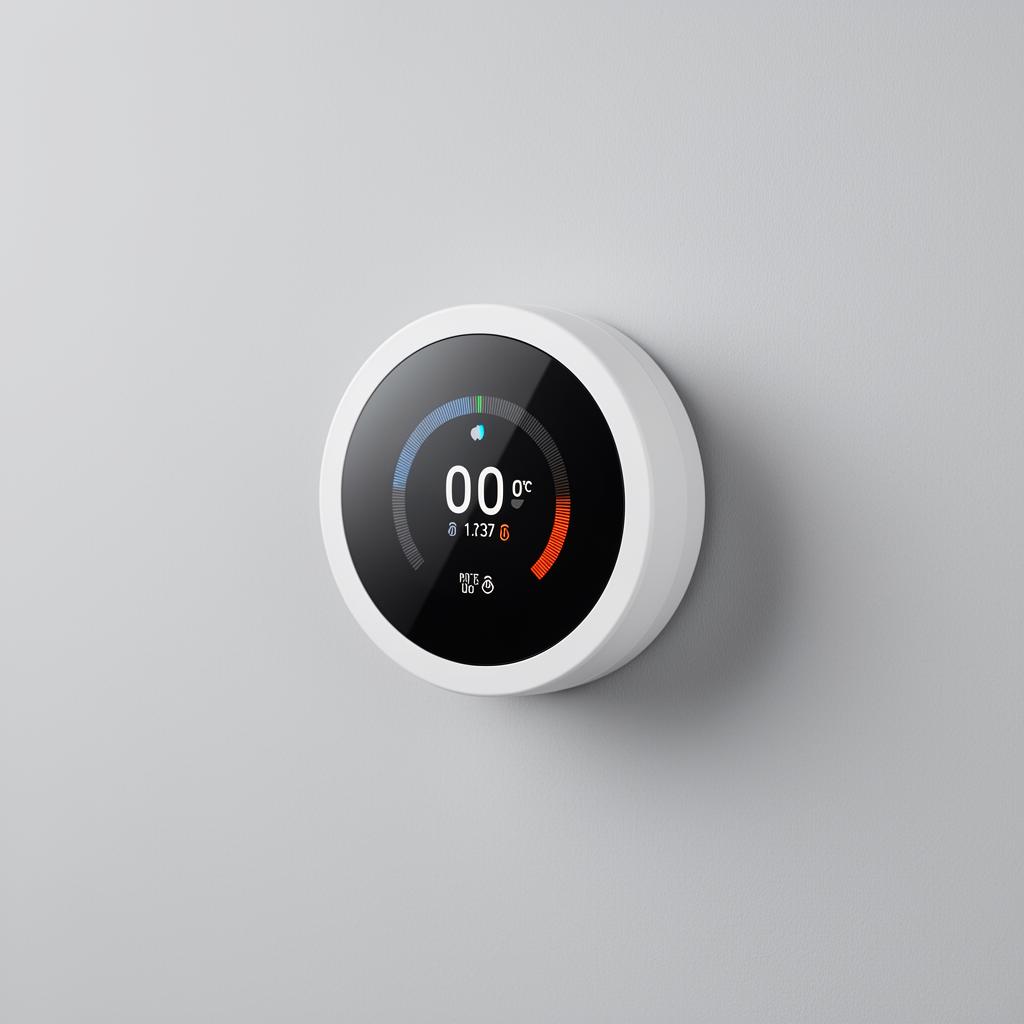
tado Smart Thermostat Starter Kit
Schedule, zone and remote-control your heating — independently shown to cut heating bills meaningfully.
- Heat only when needed
- Geofencing & schedules
- Room-by-room control
Estimated benefit: Up to ~£140/yr
Shop on AmazonAd – affiliate link. PowerGuardian may earn a commission from Amazon or another approved affiliate partner at no extra cost to you.
Affiliate links — we may earn a small commission at no extra cost to you. This keeps PowerGuardian free and independent.
FAQs
Q1: If I'm on a 100% renewable tariff, does that mean my home only receives renewable electricity?
No. All homes in the UK receive electricity from a single National Grid, which is a mix of all sources (fossil fuels, nuclear, renewables). A "100% renewable" tariff means your supplier has matched your consumption with renewable energy, either through PPAs or by purchasing REGO certificates.
Q2: Are truly green tariffs more expensive?
Not necessarily. While historically they might have been, increased competition and the rising wholesale cost of fossil fuels mean many genuinely ethical green tariffs are now competitive with, or even cheaper than, standard tariffs. It’s always best to compare.
Q3: What's the difference between a REGO and a PPA?
A REGO is a certificate verifying 1 MWh of renewable generation, which can be bought and sold independently of the electricity itself. A PPA (Power Purchase Agreement) is a direct, long-term contract between an energy supplier and a renewable generator to buy physical electricity, often supporting new projects. PPAs have a more direct impact on increasing renewable generation.
Recommended Smart Heating Product
Control heating remotely and reduce wasted energy with one of the UK’s most popular smart thermostats.
View on Amazon UKQ4: Should I still switch to a REGO-backed tariff if I can't afford a PPA-backed one?
While less impactful than a PPA-backed tariff, a REGO-backed tariff is arguably still marginally better than a standard fossil-fuel-heavy one, as it signals some demand for renewable attribution. However, it's crucial to understand its limitations. Prioritising reducing your overall consumption is typically more impactful than the subtle difference between various green tariffs.
Q5: What is the Smart Export Guarantee (SEG)?
The SEG is a UK government-backed scheme that requires larger licensed energy suppliers to pay small-scale low-carbon generators (like homes with solar panels) for the electricity they export back to the grid. This incentivises domestic renewable generation.
Q6: How can I find out if my current 'green' tariff is REGO-only or truly impactful?
Check your supplier's website, particularly their "fuel mix disclosure" or "about us" sections. Look for clear statements about PPAs, direct investment in renewable projects, or partnerships with specific UK generators. If they only mention "100% renewable" without detailing the procurement method, it's likely heavily reliant on REGOs.
Conclusion: Beyond the Green Slogans
The UK energy landscape is evolving rapidly, yet consumers must remain vigilant against greenwashing. While the intention behind "100% renewable" tariffs is commendable, the reality of REGOs means that not all green tariffs are created equal. As consumers, our power lies in informed choices. Supporting suppliers who actively procure renewable energy through PPAs or directly invest in generation infrastructure sends a strong market signal that truly accelerates the energy transition. Coupled with individual efforts to reduce consumption and, for those able, to generate their own clean energy, we can collectively move beyond mere claims towards a genuinely sustainable future for the UK's power grid. Choosing wisely means asking tough questions and demanding transparency from our energy providers – a responsibility Power Guardian UK will continue to champion.
What does "100% renewable" on an energy tariff really mean in the UK?
It often means the supplier has bought enough Renewable Energy Guarantees of Origin (REGOs) to match your electricity consumption. These REGOs are usually cheaper than the actual electricity, and don't necessarily mean your supplier is buying actual renewable power directly or driving new green generation.
How do REGOs allow energy suppliers to claim "100% green" without buying extra renewable energy?
REGOs are certificates sold separately from the physical electricity. A supplier can buy mixed grid electricity (which includes fossil fuels) and then purchase cheap REGOs to label their tariff 100% renewable, without stimulating any additional renewable generation.
How can I tell if a "100% renewable" tariff is genuinely supporting new clean energy projects?
Look for suppliers that use Power Purchase Agreements (PPAs) or directly invest in building new renewable generation. PPAs directly fund specific renewable projects, ensuring your payments contribute to new or directly sourced green power.
Which UK energy suppliers are genuinely greener than those relying solely on REGOs?
Good Energy and Ecotricity are cited as genuinely greener due to their direct PPAs with generators or investment in new renewable projects. Octopus Energy also stands out for its robust use of PPAs and investment in smart grid technology.
What is a Power Purchase Agreement (PPA) and why is it important for genuinely green tariffs?
A PPA is a long-term contract where an energy supplier buys electricity directly from a renewable generator. This provides stable income for renewable projects, helping them secure financing for new developments and ensuring customers' payments directly support renewable generation expansion.
Recommended kit
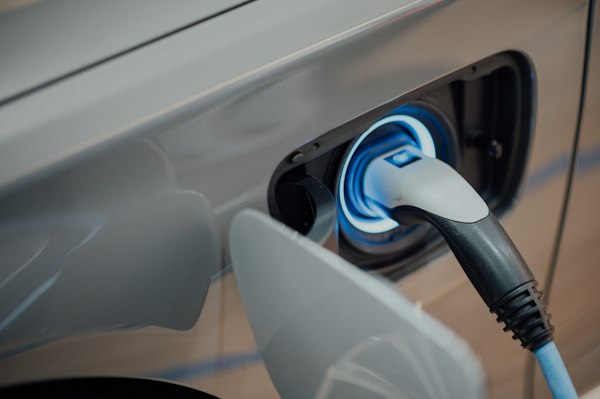
Type 2 EV Charging Cable 7m 32A
Reliable 7m Mode 3 Type 2 to Type 2 cable for public chargepoints — supports up to 7.4kW single-phase charging.
Shop on Amazon