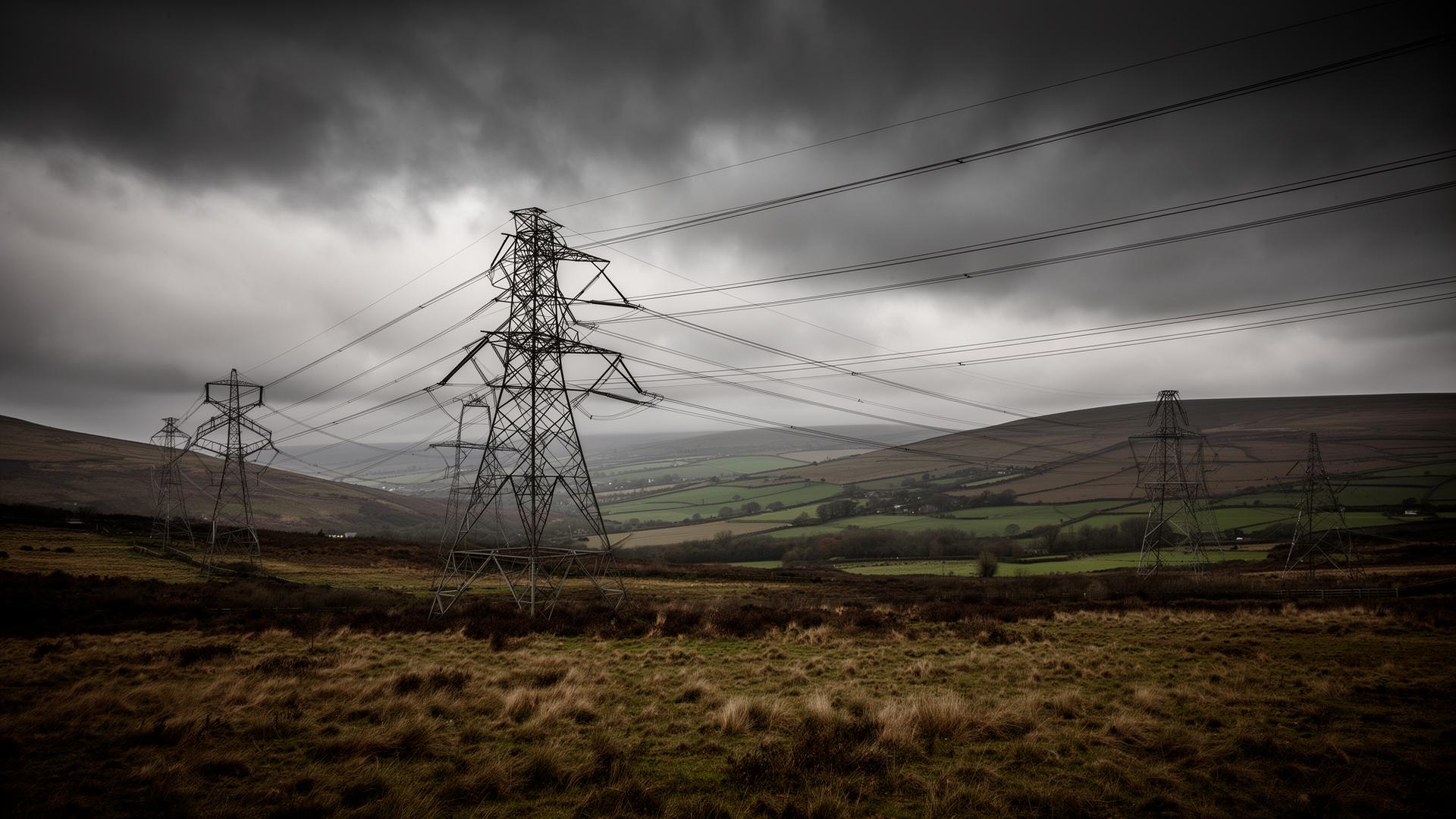
Britain has one of the most reliable electricity networks in the world, yet power cuts still affect hundreds of thousands of homes and businesses every year. While many people assume outages happen randomly, the reality is that some areas are significantly more vulnerable than others.
The reasons range from ageing infrastructure and geography to weather exposure, population growth and the increasing pressure placed on local electricity networks by electric vehicles, heat pumps and new housing developments.
Understanding why some locations experience more frequent interruptions can help households and businesses prepare for potential disruptions and better understand the challenges facing the UK's electricity grid.
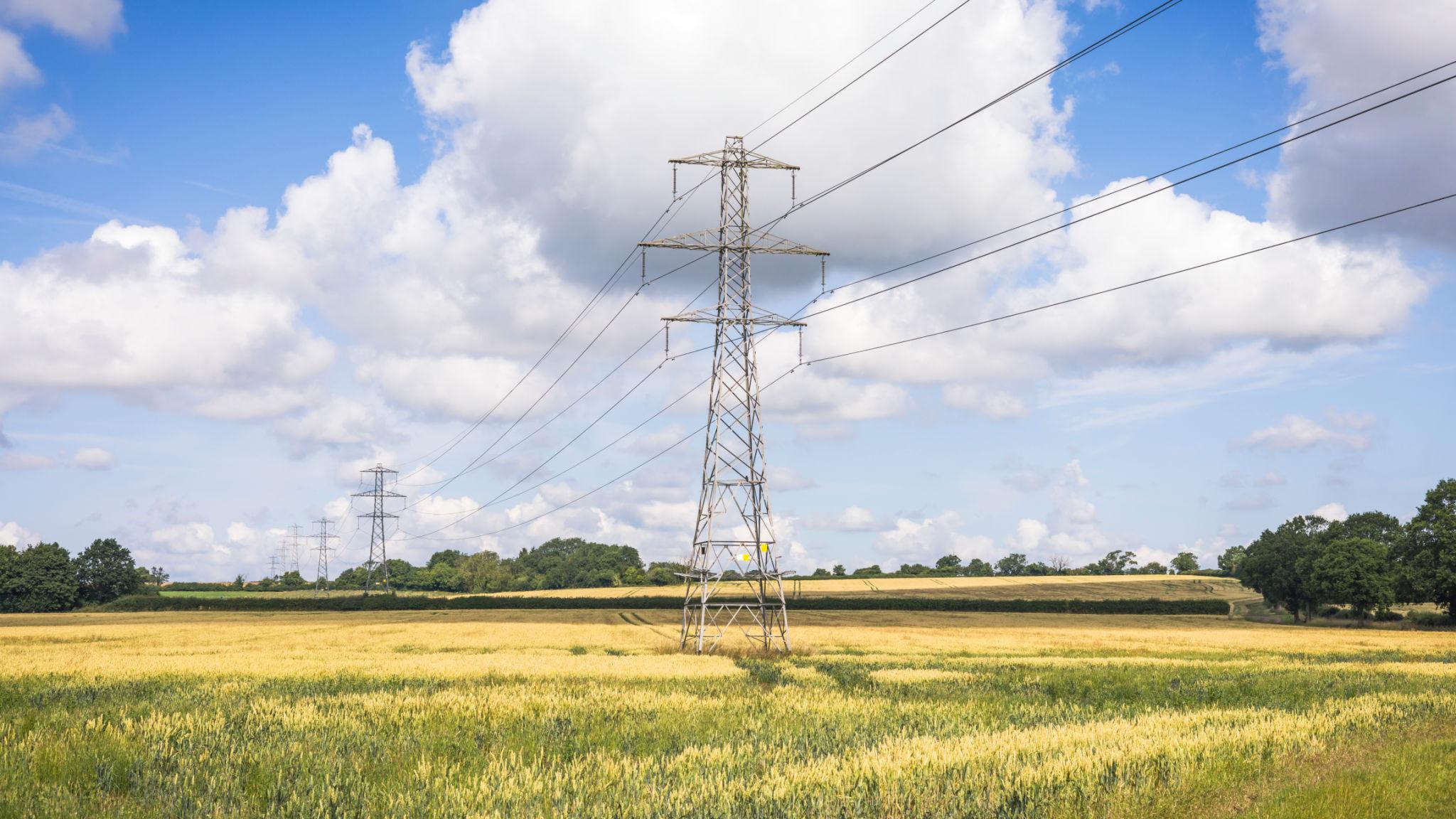
The UK Electricity Network Is Not Equal Everywhere
Different Areas Have Different Types Of Infrastructure
The UK's electricity network was not built all at once. Some parts date back decades, while others have benefited from recent investment.
Urban centres often have:
- Multiple power feeds
- Underground cables
- Backup routes
- Larger substations
Rural areas frequently rely on:
- Long overhead power lines
- Smaller substations
- Fewer alternative supply routes
- More exposed infrastructure
This means a single fault in a rural area may affect hundreds of customers for longer periods than a similar fault in a city.
For example, a damaged cable in central London may be rerouted through alternative infrastructure within minutes, whereas a fault affecting a remote village in Northumberland or rural Wales may require engineers to physically repair the line before power can be restored.
Current Supplier Watch
Weather Exposure Is A Major Factor
Storms Cause Most Large-Scale Outages
The UK's biggest power disruptions are usually linked to severe weather.
Common causes include:
- High winds bringing down power lines
- Falling trees damaging cables
- Lightning strikes
- Heavy snow accumulating on infrastructure
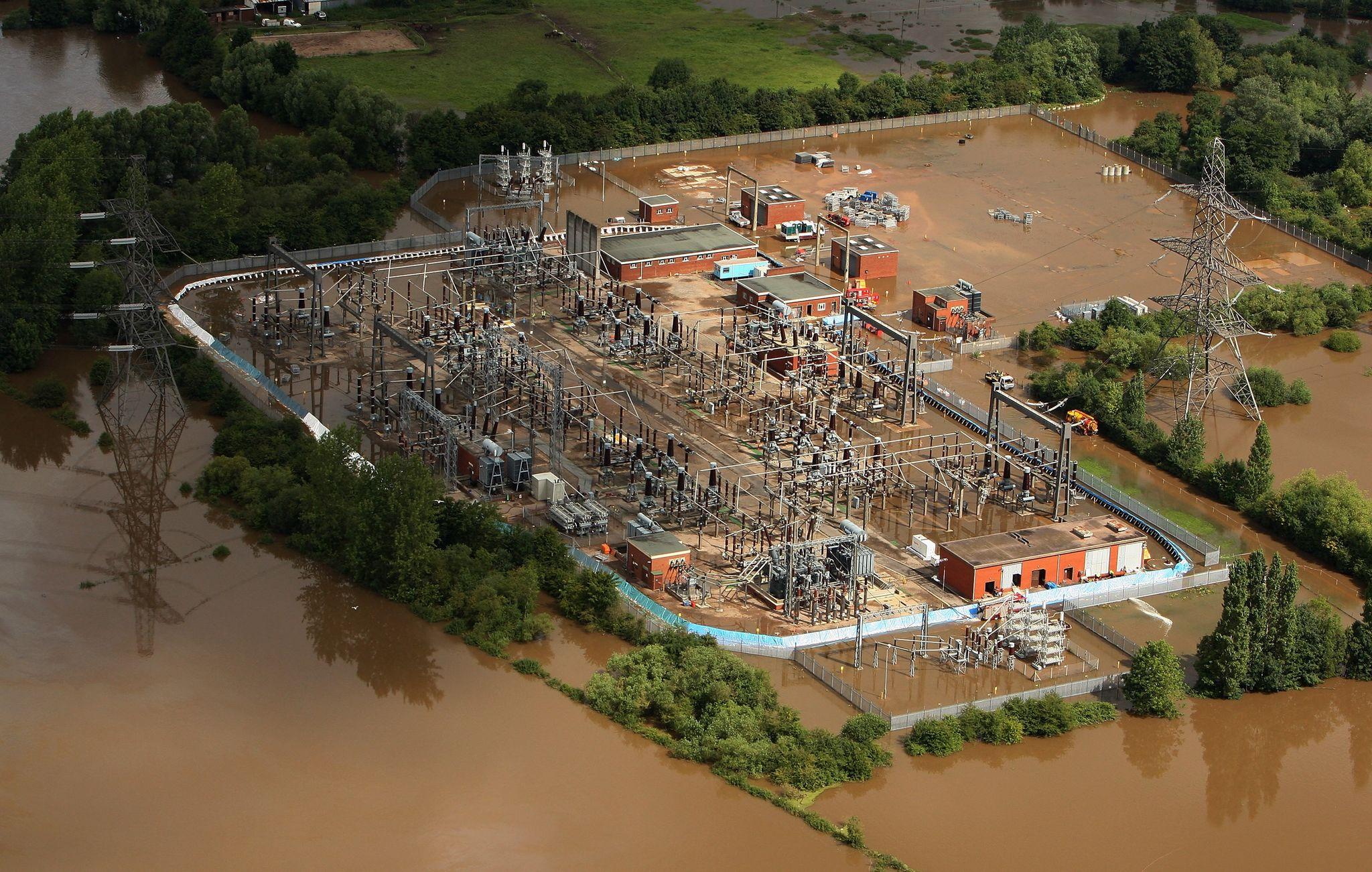
- Flooding of substations
Areas most exposed to Atlantic weather systems typically experience higher outage risks. These include:
- Scotland
- Northern England
- Wales
- South West England
- Coastal regions
During major storms such as Storm Arwen, hundreds of thousands of customers lost power, with some rural communities waiting several days for restoration.
Coastal Locations Face Additional Challenges
Salt carried by sea air can accelerate corrosion of electrical equipment. Coastal infrastructure must cope with:
- Salt contamination
- High winds
- Storm surges
- Flooding risks
This increases maintenance requirements and can shorten equipment lifespan if investment is insufficient.
Rural Areas Often Face Greater Risks
Long Networks Mean More Potential Failure Points
Supplying electricity to isolated communities requires extensive networks of poles and cables. A city substation might serve thousands of properties within a few square miles. A rural substation may need to serve homes spread across dozens of miles.
The longer the network:
- The more poles require maintenance
- The more trees can interfere
- The greater the chance of weather damage
- The longer repair teams may need to travel
This is one reason why remote areas generally experience longer restoration times following severe storms.
Difficult Terrain Complicates Repairs
Mountainous and remote regions create additional challenges. Examples include:
- Scottish Highlands
- Snowdonia
- Dartmoor
- Yorkshire Dales
Engineers may require specialist vehicles, temporary road closures or even helicopters to access damaged infrastructure.
Ageing Infrastructure Increases Vulnerability
Parts Of The Network Are Decades Old
Although UK network operators invest billions in upgrades, some infrastructure remains several decades old. Older equipment can be more vulnerable to:
- Mechanical failure
- Insulation deterioration
- Corrosion
- Extreme temperatures
Network operators continually replace ageing assets, but upgrading an entire national network takes years and enormous investment.
Population Growth Creates New Pressure
Some rapidly expanding areas were not originally designed for today's electricity demand. Examples include:
- Large housing developments
- Business parks
- Industrial estates
- New transport infrastructure
As electricity demand increases, local substations and cables can approach their operational limits. This doesn't automatically cause power cuts, but it can increase vulnerability when faults occur.
Electric Vehicles And Heat Pumps Are Changing Demand Patterns
The Grid Is Undergoing A Major Transition
The move towards electrification is transforming electricity consumption. Increasing numbers of households now have:
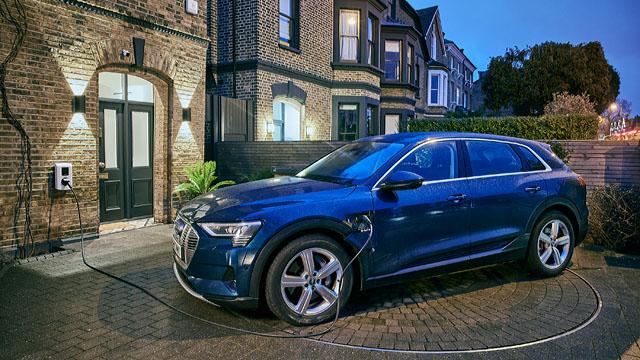
- Electric vehicles
- Home EV chargers
- Air-source heat pumps
- Battery storage systems
While these technologies support decarbonisation, they also increase local electricity demand. Areas with rapid adoption can place additional stress on local infrastructure if upgrades have not yet caught up.
Evening Demand Peaks Can Create Challenges
Most people charge vehicles after work. This often coincides with cooking, heating, lighting and appliance use. The result can be intense local demand peaks.
Network operators are investing heavily to accommodate future growth, but some areas may require substantial upgrades over the next decade. Understanding how energy suppliers calculate your monthly payments can also help you budget around these changing demand patterns.
Underground Cables Versus Overhead Lines
Cities Often Benefit From Underground Infrastructure
Underground cables are generally less vulnerable to wind damage, falling trees, ice accumulation and storm debris. This contributes to greater reliability in many urban areas.
However, underground faults can be:
- More difficult to locate
- More expensive to repair
- Slower to excavate
Overhead Lines Are More Exposed
Rural areas typically rely heavily on overhead lines because they are cheaper to install and maintain over long distances. The downside is obvious. Every storm presents opportunities for:
- Tree strikes
- Pole damage
- Cable breakages
- Debris impacts
This explains why rural outage rates often increase significantly during severe weather events.
Flood Risk Is Becoming More Important
Climate Change Is Increasing Infrastructure Challenges
Electricity substations are carefully designed and protected, but extreme flooding remains a serious threat. When substations become flooded:
- Equipment may shut down automatically
- Safety systems activate
- Entire communities can lose power
Flood-prone regions face increasing risks as severe rainfall events become more frequent. Network operators are investing in raised equipment, flood barriers, improved drainage and enhanced resilience measures. Nevertheless, flood risk remains a growing concern.
Why Some New Housing Estates Experience Problems
Infrastructure Upgrades Can Lag Behind Development
Many people assume new housing developments automatically have stronger electricity networks. That is not always the case. In some locations:
- New homes are connected rapidly
- Demand grows faster than forecast
- Local substations become constrained
Distribution Network Operators carefully manage these situations, but fast-growing regions can experience additional pressure until reinforcement projects are completed.
Which Areas In The UK Are Generally Most Vulnerable?
Common Characteristics Of Higher-Risk Locations
Areas tend to face greater outage risks when they combine several factors:
- Remote geography
- Heavy weather exposure
- Extensive overhead networks
- Difficult terrain
- Ageing infrastructure
- Flood risk
Examples often include rural Scotland, coastal Wales, parts of Cornwall, remote Cumbria, Northumberland and Highland communities. This does not mean power cuts are frequent in these areas, only that they generally face greater exposure to the factors that cause outages.
What Can Households Do To Prepare?
Practical Steps For Consumers
Even in reliable areas, occasional outages remain unavoidable. Preparation can include:
- Keeping torches available
- Maintaining battery packs for phones
- Having a battery-powered radio
- Storing emergency contact numbers
- Registering for priority services if vulnerable
Many energy network operators offer Priority Services Registers for elderly, disabled or medically dependent customers. These schemes can provide additional support during prolonged outages.
It's also worth knowing what part of your bill is actual energy versus fixed network costs, and whether standing charges will ever be reduced — because much of the investment in network resilience is ultimately recovered through those charges.
The Reality Behind UK Power Cut Risks
Power cuts are rarely random events. Areas become more vulnerable due to a combination of geography, infrastructure, weather exposure and changing electricity demand.
Rural communities generally face the greatest challenges because they depend on longer and more exposed networks. Meanwhile, climate change, electrification and population growth are creating new pressures that require substantial investment across the UK electricity system.
The good news is that Britain's network operators continue to invest billions in resilience upgrades, smart technologies and infrastructure improvements. However, as electricity becomes increasingly central to transport, heating and daily life, understanding local vulnerability to outages will become more important than ever for households, businesses and policymakers alike.
Frequently Asked Questions
Which parts of the UK have the most power cuts?
Rural and remote areas — such as rural Scotland, coastal Wales, parts of Cornwall, Cumbria and Northumberland — generally face the greatest exposure. They rely on long, overhead networks across difficult terrain that take longer to repair after storms.
Why do rural areas lose power for longer?
Rural networks cover large distances with overhead lines and smaller substations. There are fewer alternative supply routes, so faults often require engineers to physically repair the line, and difficult terrain can slow access for repair teams.
Are electric vehicles and heat pumps causing more power cuts?
Not directly, but they significantly increase local electricity demand, especially during evening peaks. In areas where network upgrades haven't kept pace with rapid adoption, this added pressure can increase vulnerability when faults occur.
What should I do to prepare for a power cut?
Keep torches and charged battery packs available, have a battery-powered radio, store emergency contact numbers, and register for your network operator's Priority Services Register if you or someone in your household is elderly, disabled or medically dependent.
References
Recommended kit

Tapo P110 Smart Plug Energy Monitoring
See exactly which appliances are quietly inflating your bill — track real-time watts, kWh and runtime from your phone.
Shop on Amazon