
Navigating the UK Energy Landscape in 2026: A Comprehensive Glossary for Power Guardian Readers
The UK energy market in 2026 continues its complex dance of regulation, innovation, and consumer impact. As a Power Guardian UK reader, staying informed is paramount, not just for financial prudence but also for understanding our nation's journey towards Net Zero. This expanded glossary delves deeper into the terminology that shapes your energy bills, impacts your home’s efficiency, and underpins the broader energy transition. Far from a simple list, consider this your essential guide to navigating the jargon-laden world of British energy.
Understanding Your Bill: The Core Terms
Familiarity with these terms is crucial for deciphering your monthly statements and making informed choices about your energy consumption.
- kWh (kilowatt-hour): This is the fundamental unit of energy measurement. Think of it like a litre of petrol for your car or a pint of milk – it's a quantifiable amount.
- Practical Example: A 1,000-watt (1kW) electric heater running for one hour consumes 1 kWh of electricity. A typical energy-efficient washing machine might use 0.5-1 kWh per cycle, while boiling a kettle often takes around 0.1-0.2 kWh. Understanding this helps you estimate appliance costs.
- Impact on your bill: Your electricity and gas usage is measured in kWh, and then multiplied by your Unit Rate.
- Unit Rate: This is the cost you pay per kWh of energy consumed, typically expressed in pence per kWh (p/kWh).
- UK Context (Ofgem Price Cap, Q3 2024 example for illustrative purposes): Under Ofgem's Summer 2024 price cap, the electricity unit rate might be around 22-26 p/kWh, and the gas unit rate around 5-7 p/kWh, depending on your region and payment method. These figures fluctuate quarterly.
- Regional Variation: Unit rates can vary slightly across the 14 electricity and 8 gas regions of Great Britain. For example, customers in Merseyside and North Wales (Region 7) might see slightly different default tariff rates compared to those in London (Region 12) or the South West (Region 1). This is due to differing network costs.
- Standing Charge: This is a daily fixed fee on your energy bill, irrespective of how much energy you use. It covers the costs of maintaining the energy network (wires, pipes, meters, billing systems) and ensuring a supply is available to your property.
- UK Context (Ofgem Price Cap, Q3 2024 example): For electricity, this could be around 50-60p per day, and for gas, 30-40p per day, again subject to regional and quarterly adjustments by Ofgem.
- Why it matters: Even if you use no energy for a day, you will still accrue this charge. It can form a significant portion of bills for very low energy users or second homes.
- Ofgem Price Cap: Far from a hard cap on your total bill, this is the maximum amount suppliers can charge for each unit of standing charge and electricity/gas if you're on a default, variable rate tariff. It's calculated quarterly by Ofgem based on wholesale energy prices, network costs, operating costs, and social and environmental levies.
- Historical Impact: Introduced in 2019, its mechanisms faced unprecedented strain and public scrutiny during the 2022 energy crisis. While it prevented uncontrolled price hikes, it also meant consumers felt the full force of volatile global energy markets.
- Q3 2024 Update (illustrative): As of Q3 2024, an average household's annual bill under the price cap might be estimated around £1,650-£1,700, reflecting decreased but still elevated wholesale prices compared to pre-2021 levels. These figures change constantly.
- MPAN (Meter Point Administration Number): Your unique 21-digit electricity supply number, found on your electricity bill. It identifies your specific electricity supply point to the national database.
- Step-by-step to find it: Look for a large number in a box, often labelled "Supply Number" or "S-Number", usually near your usage details or account number. It's crucial when switching suppliers or querying your meter.
- MPRN (Meter Point Reference Number): The gas equivalent of an MPAN, typically a 6-10 digit number. It uniquely identifies your gas supply point.
- Step-by-step to find it: Similar to MPAN, locate it on your gas bill, often near your supply address or account details.
The Network and Regulation: Who Does What?
Understanding these entities helps demystify where your energy comes from and who governs its delivery.
- Ofgem: The Office of Gas and Electricity Markets. This non-ministerial government department is the independent energy regulator for Great Britain.
- Key Responsibilities: Protecting consumers, promoting competition, ensuring security of supply, and overseeing the transition to Net Zero. Their remit covers everything from setting the price cap to approving new energy network infrastructure.
- DNO (Distribution Network Operator): Your local DNO owns and operates the electricity poles, wires, and substations that bring electricity from the transmission network to your home or business. There are 14 DNO regions in Great Britain, with companies like National Grid Electricity Distribution, Scottish & Southern Electricity Networks, and UK Power Networks.
- Practical Example: If you experience a power cut, it's your DNO (not your energy supplier) you should contact. Their emergency numbers are usually 105 (a universal number for all DNOs) or found on your bill.
- GNO (Gas Network Operator): Similar to DNOs, these companies (e.g., Cadent Gas, SGN, Northern Gas Networks, Wales & West Utilities) manage the local gas pipelines that deliver gas to your property from the national transmission network.
- Practical Example: If you smell gas, you should contact your GNO (or the national gas emergency service on 0800 111999) immediately.
Embracing Green Energy and Efficiency: Key Initiatives
The UK’s push towards Net Zero relies on these programmes and concepts to decarbonise heating and electricity.
Recommended Smart Heating Product
Control heating remotely and reduce wasted energy with one of the UK’s most popular smart thermostats.
View on Amazon UK- BUS (Boiler Upgrade Scheme): A government-backed initiative offering grants to encourage property owners in England and Wales to replace fossil-fuel heating systems (gas, oil, direct electric) with more efficient, lower-carbon technologies like air source heat pumps, ground source heat pumps, or biomass boilers.
- Grant Amounts (as of 2026): Currently, the grant is £7,500 for air source and ground source heat pumps, and £5,000 for biomass boilers (in rural areas, for properties not connected to the gas grid).
- Step-by-step to apply: Find an MCS-certified installer, discuss your heat pump options, the installer applies for the grant on your behalf, and the grant amount is then deducted from your invoice.
- ECO4 (Energy Company Obligation): A government energy efficiency scheme obliging large energy suppliers (who meet specific criteria) to deliver energy efficiency measures (like insulation, boiler upgrades, or renewables) to low-income households or those in fuel poverty across Great Britain.
- Focus: Primarily targeting properties with low EPC ratings (D, E, F, G) to significantly improve their energy performance.
- Impact: Aims to reduce bills, carbon emissions, and tackle fuel poverty. Measures could include loft insulation, cavity wall insulation, external solid wall insulation, or even new heating systems.
- EPC (Energy Performance Certificate): A document providing an energy efficiency rating for a property, ranging from A (most efficient) to G (least efficient). It’s legally required when a property is built, sold, or rented.
- What it includes: Energy efficiency rating, potential rating, approximate energy costs, and recommendations for improvements.
- Relevance: An EPC helps tenants and buyers gauge potential energy costs and helps homeowners identify areas for improvement. Minimum EPC standards are increasingly being discussed for rented properties.
- REGO (Renewable Energy Guarantee of Origin): A certificate issued for each MWh (megawatt-hour, or 1,000 kWh) of renewable electricity generated in the UK.
- Purpose: It verifies that a specific amount of electricity has been generated from renewable sources. Energy suppliers use REGOs to prove to consumers (and Ofgem) that their "green" tariffs are genuinely backed by renewable generation. They don't mean green energy specifically flows to YOUR home, but rather that equivalent green energy has been put into the grid.
- SEG (Smart Export Guarantee): A government-backed scheme that requires larger energy suppliers (with over 150,000 domestic customers) to pay small-scale low-carbon generators (like solar PV or wind turbine owners) for the electricity they export back to the National Grid.
- How it works: You need an eligible low-carbon generation technology, an MCS-certified installer, and a smart meter. You then choose a SEG licensee (an energy supplier offering a SEG tariff) and get paid a per-kWh rate for your exports.
- Rates: SEG rates vary by supplier, often ranging from 1p/kWh to 15p/kWh or more, with some offering higher rates for customers also purchasing electricity from them. It's crucial to compare.
- PPA (Power Purchase Agreement): A long-term contract between an energy generator (e.g., a solar farm or wind farm) and a power purchaser (e.g., an energy supplier or large corporation).
- Types: Can be physical (direct delivery) or synthetic/virtual (financial settlement).
- Significance: PPAs provide price certainty for both parties, often locking in a stable price for electricity over 10-20 years, thereby facilitating investment in renewable energy projects.
Market Dynamics: Broader Influences
These terms describe the forces that underpin wholesale energy prices and market functioning.
- TTF (Title Transfer Facility): The Dutch TTF is the most liquid gas trading hub in Europe. Its prices serve as a key benchmark for wholesale natural gas prices across the continent, directly influencing UK gas and, by extension, electricity prices.
- Global Impact: Events like geopolitical tensions (e.g., Russia-Ukraine conflict) directly impact TTF prices, leading to ripple effects on UK consumer bills.
- Smart Meter: An advanced electricity and/or gas meter that can send meter readings directly and automatically to your energy supplier, removing the need for manual readings. They also display real-time energy usage.
- Benefits: Accurate bills, better understanding of consumption patterns, opening the door for time-of-use tariffs and SEG payments.
- Rollout: The UK government aims for widespread smart meter rollout. While optional, they are increasingly beneficial for accessing modern tariffs.
Comparison Table: Understanding Your Energy Statement
| Term | Description | UK Context (Illustrative Q3 2024 Cap) | Impact on your Bill |
|---|---|---|---|
| Unit Rate | Cost per kilowatt-hour (kWh) of energy consumed | Elec: ~22-26 p/kWh; Gas: ~5-7 p/kWh | Multiplied by your usage to determine energy cost |
| Standing Charge | Daily fixed fee for connection to the network | Elec: ~50-60p/day; Gas: ~30-40p/day | Accrued daily, regardless of energy usage |
| Price Cap | Maximum default tariff rates set quarterly by Ofgem | Average household annual bill est. ~£1,650-£1,700 | Sets the ceiling for variable tariff costs per unit/day |
| kWh | Unit of energy measurement (1,000 watts for 1 hour) | Used for all energy consumption/billing | Basis for calculating your energy usage charges |
← Swipe to see more →
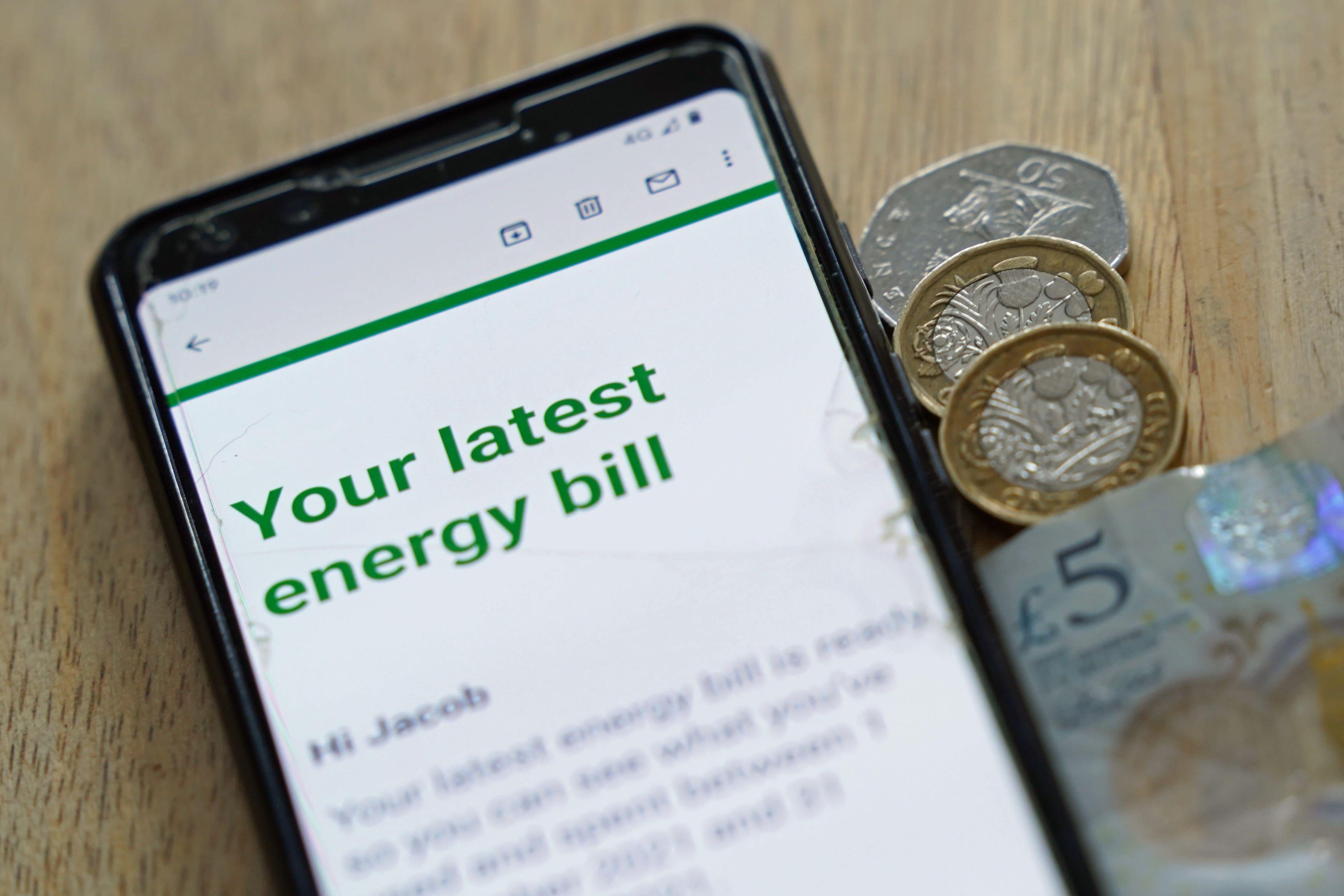
Step-by-Step: Understanding Your Energy Bill
Breaking down your energy bill can feel daunting, but following these steps will empower you to understand every line.
- Locate Account & Supply Details: Find your Account Number, MPAN (electricity) and/or MPRN (gas). These are unique identifiers for your supply.
- Check Previous & Current Readings: Compare these to determine your usage during the billing period. If estimated, consider submitting a manual reading.
- Identify Your Tariff: Look for the name of your tariff (e.g., "Standard Variable", "Fixed 24m"). This determines your Unit Rates and Standing Charges.
- Review Unit Rates & Standing Charges: Note the pence per kWh for electricity and gas, and the daily standing charge amounts. Compare these to the current Ofgem price cap if you are on a variable tariff.
- Examine Levies & Taxes: Your bill will include VAT (5% for domestic energy). There may also be environmental and social obligation costs embedded within the unit rate or standing charge, which fund schemes like ECO4.
- Assess Your Balance: Check your previous balance, payments made, and new charges to see if you are in credit or debit.
- Contact Details: Note the emergency contact numbers for power cuts (105 for electricity) and gas leaks (0800 111999) – these are for the network operators, not your supplier.
FAQ: Power Guardian Reader Queries
Here are a few common questions Power Guardian readers frequently ask about the UK energy market.
Q1: How often does the Ofgem price cap change, and what's the typical notification period?
The Ofgem price cap is reviewed and updated quarterly. Ofgem typically announces the new cap levels approximately four to six weeks before they come into effect (e.g., late May for the July-September cap). This gives suppliers and consumers time to adjust.
Q2: I have solar panels. Do I have to get a Smart Export Guarantee (SEG) from my own energy supplier? A2: No, you don't. You can choose any SEG licensee (an energy supplier offering a SEG tariff) to pay you for your exported electricity, regardless of who supplies your import electricity. It's often beneficial to shop around for the best export rate, as some suppliers offer significantly more competitive rates than others.
Q3: My electricity bill shows a "Peak" and "Off-Peak" unit rate. What does this mean?
This indicates you're likely on an Economy 7 (or similar time-of-use) tariff, typically designed for homes with electric storage heaters or hot water tanks. You pay a higher rate for electricity during "peak" hours (usually daytime) and a significantly lower rate during "off-peak" hours (typically 7 hours overnight). A smart meter can enable more flexible time-of-use tariffs.
Q4: What's the main difference between my DNO and my energy supplier?
Your DNO (Distribution Network Operator) manages the physical electricity network (poles, wires, substations) that delivers power to your home. They are responsible for maintenance, repairs, and power cuts. Your energy supplier (e.g., British Gas, E.ON, Octopus) is the company you pay for your energy; they buy energy wholesale and sell it to you, manage your account, and send your bills. You can switch suppliers, but not your DNO.
Recommended energy saving products
Independently chosen kit that helps UK households cut energy use.
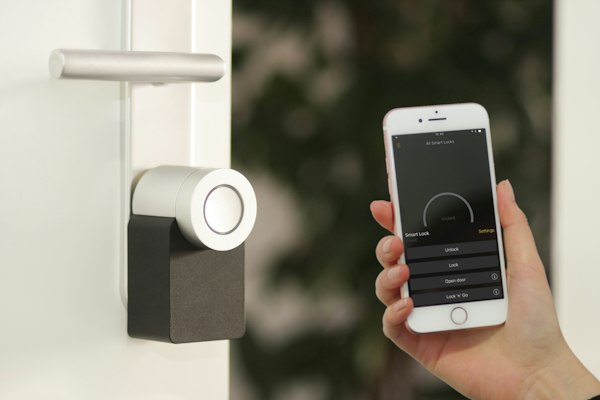
Tapo P110 Smart Plug (Energy Monitoring)
See exactly which appliances are quietly inflating your bill — track real-time watts, kWh and runtime from your phone.
- Real-time energy monitoring
- Cuts standby/vampire power
- Schedule appliances off-peak
Estimated benefit: ~£40/yr standby savings
Shop on AmazonAd – affiliate link. PowerGuardian may earn a commission from Amazon or another approved affiliate partner at no extra cost to you.

Home Energy Monitor (Whole-House)
Track your whole-home electricity use live and find where the kWh are going before the bill lands.
- Whole-house live usage
- Spot expensive habits fast
- App history & alerts
Estimated benefit: Awareness cuts ~5-10% use
Shop on AmazonAd – affiliate link. PowerGuardian may earn a commission from Amazon or another approved affiliate partner at no extra cost to you.
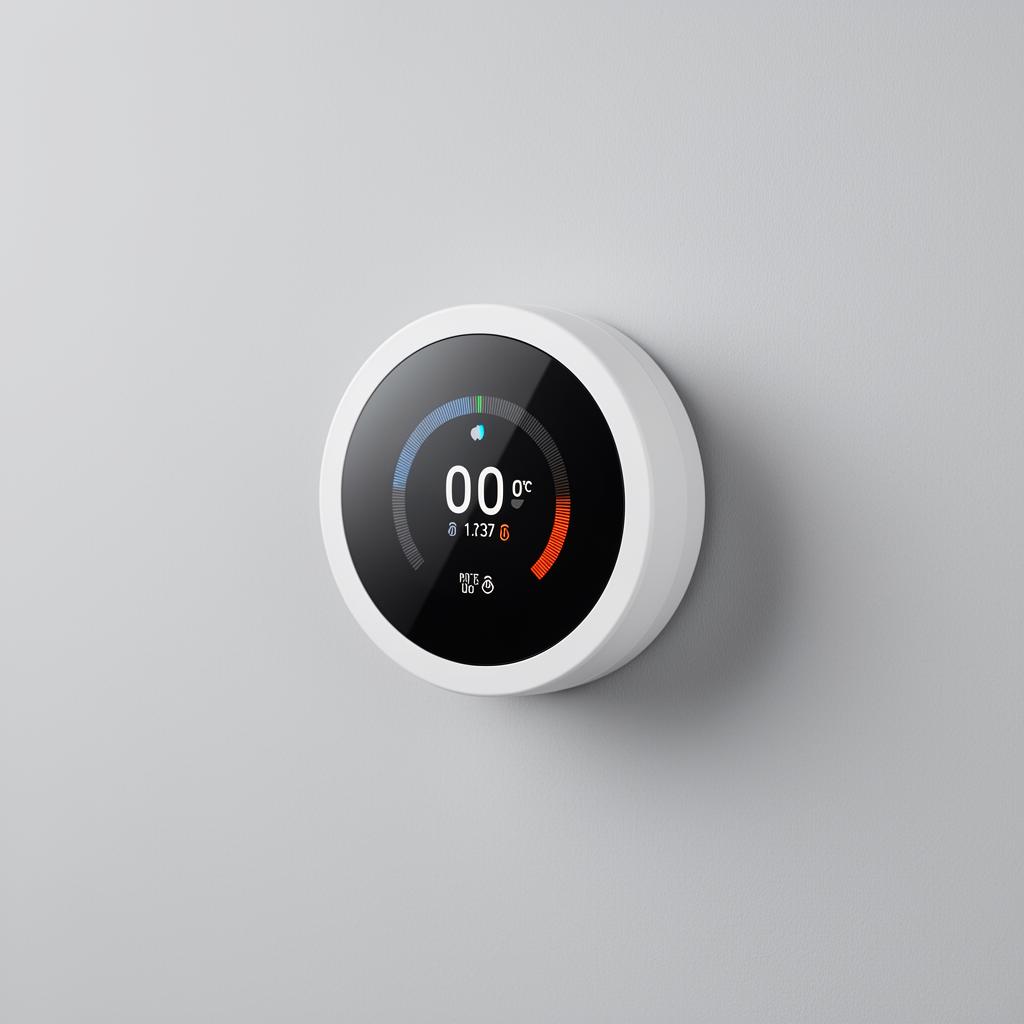
tado Smart Thermostat Starter Kit
Schedule, zone and remote-control your heating — independently shown to cut heating bills meaningfully.
- Heat only when needed
- Geofencing & schedules
- Room-by-room control
Estimated benefit: Up to ~£140/yr
Shop on AmazonAd – affiliate link. PowerGuardian may earn a commission from Amazon or another approved affiliate partner at no extra cost to you.
Affiliate links — we may earn a small commission at no extra cost to you. This keeps PowerGuardian free and independent.
Q5: Is it worth improving my EPC rating, even if I’m not selling soon?
Absolutely. Improving your EPC rating, typically through measures like better insulation, draught-proofing, or upgrading your heating system, directly translates to reduced energy consumption. This means lower energy bills over the long term, a more comfortable home, and a reduced carbon footprint, even if you’re not planning to sell. It's an investment in your home's future and your wallet.
Conclusion
The UK energy market is in a state of continuous evolution, driven by the imperative of Net Zero and the ever-present need for affordable, secure supply. As a Power Guardian UK reader, understanding terms like kWh, Ofgem Price Cap, and BUS allows you to not only decipher your energy bill but also actively participate in the energy transition. From making informed choices about your heating system to optimising your solar energy exports, knowledge truly is power. Bookmark this comprehensive guide and revisit it often, as we collectively navigate the complexities and opportunities that 2026 and beyond will bring to the vital world of UK energy.
Current Supplier Watch
Recommended kit
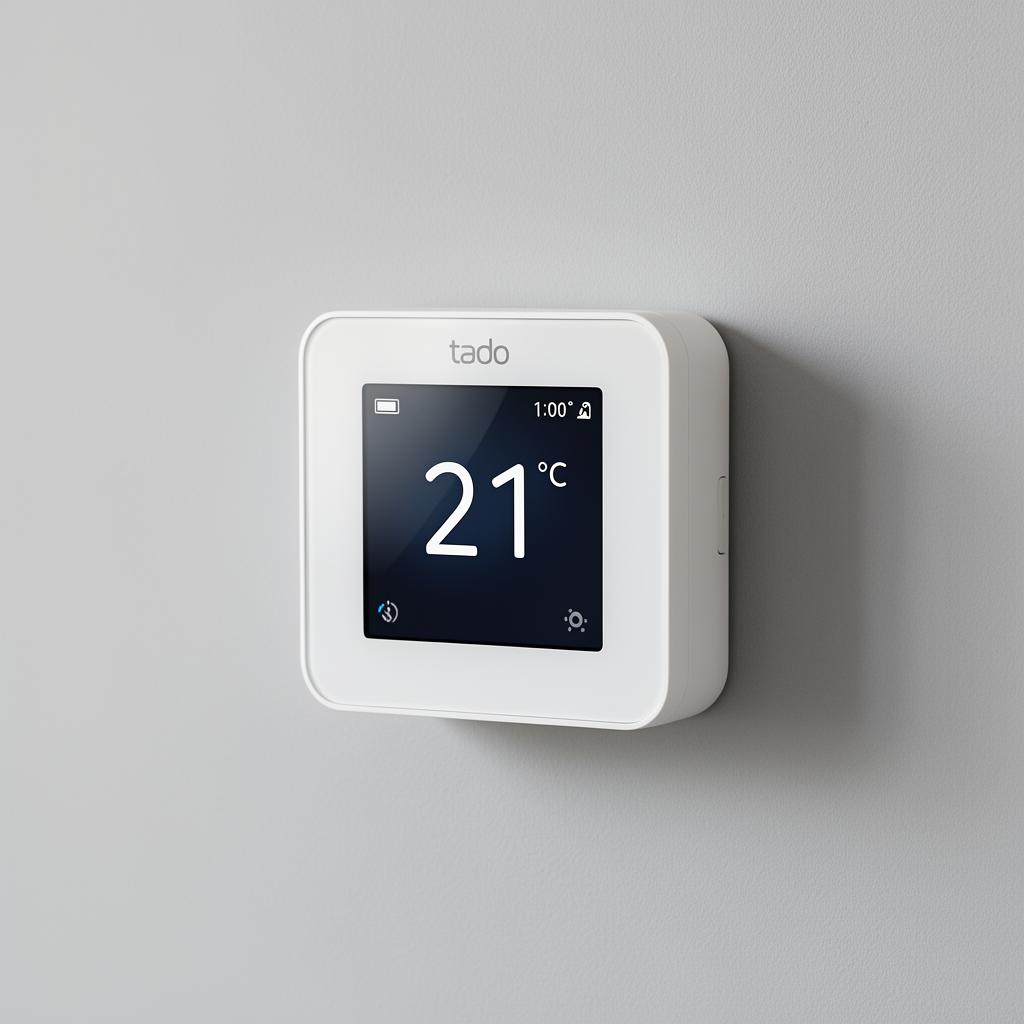
tado Smart Thermostat X
Schedule, zone and remote-control your heating — independently shown to cut heating bills by up to 28%.
Shop on Amazon