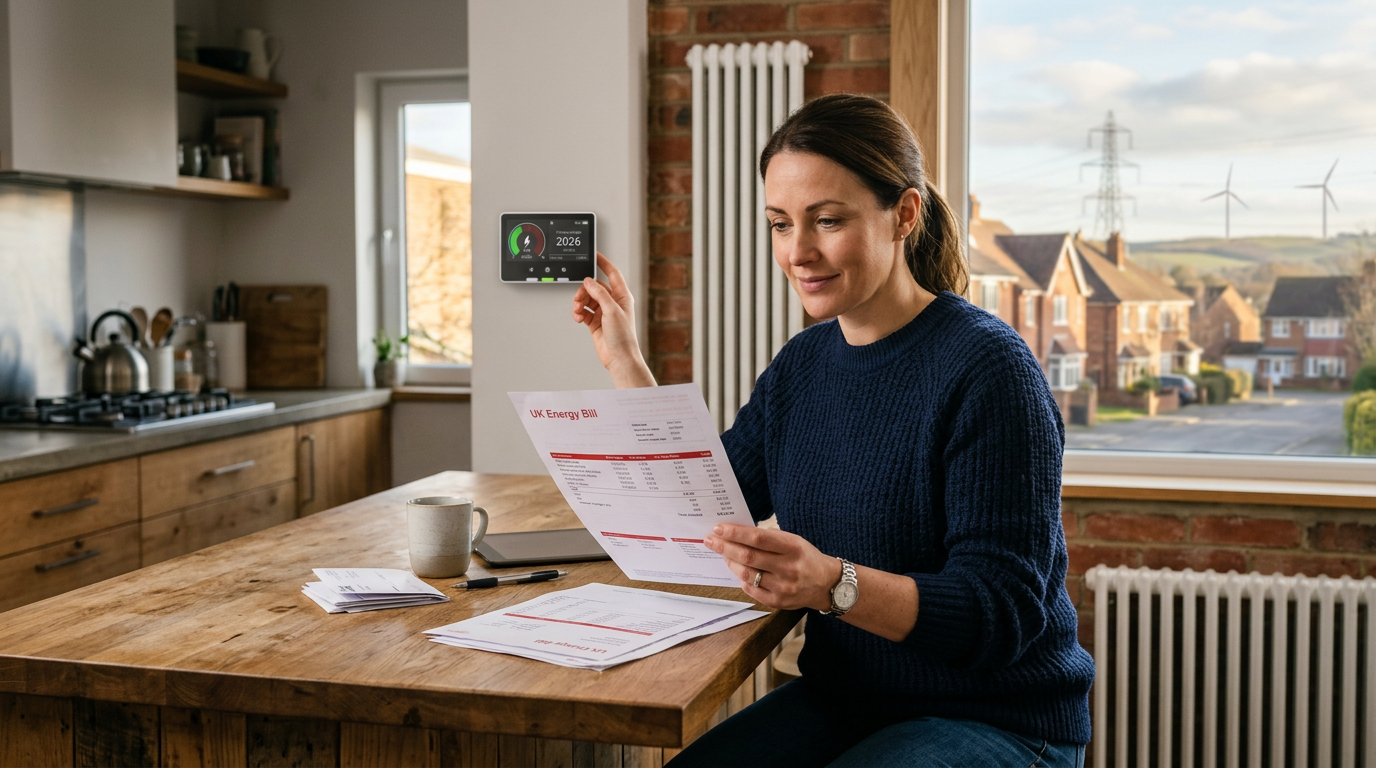
Your UK Energy Bill Explained Line-by-Line (2026)
For many households across the UK, the monthly energy bill landing in the inbox or on the doormat remains a bewildering document. In an era of volatile energy markets, the intricacies of these statements have become even more critical to understand. At Power Guardian UK, our mission is to demystify these complexities. This expanded guide walks you through every charge on your 2026 UK energy bill, explaining what it means, why it’s there, and crucially, what you can actually do about it.
Navigating your energy bill isn't just about understanding the numbers; it's about empowering yourself to make informed decisions that can genuinely impact your household budget. When we talk about the "cost of living crisis," energy bills frequently top the list of concerns. Let's peel back the layers and illuminate the path to smarter energy consumption and potentially significant savings.
The 6 Key Components on Every UK Energy Bill
While the layout might vary slightly between suppliers, every domestic energy bill in the UK will fundamentally be built upon these six core components. Understanding each one is your first step towards taking control.
1. Unit Rate (Electricity & Gas)
This is perhaps the most straightforward charge: the price you pay for each unit of energy consumed, measured in pence per kilowatt-hour (kWh).
- What it is: The cost per unit of electricity (p/kWh) and gas (p/kWh) that you use. This directly reflects how much energy your household consumes. If you use more, this component of your bill increases proportionally.
- Why it's there: It covers the wholesale cost of purchasing electricity and gas from generators and producers, as well as the costs associated with transporting this energy across the national transmission and distribution networks to your home's meter.
- UK-specific data:
- Ofgem Price Cap (2026 Context): While the actual cap levels for future periods are dynamic, the Ofgem Energy Price Cap sets the maximum p/kWh that suppliers can charge for default tariffs. As of late 2025/early 2026, analysts anticipate continued volatility, with the cap potentially fluctuating between 18p/kWh to 28p/kWh for electricity and 4p/kWh to 8p/kWh for gas, depending on wholesale market conditions and geopolitical stability. Always check the latest Ofgem announcements for precise figures.
- Regional Variations: While the wholesale component is national, distribution costs can introduce slight regional differences in unit rates. For example, electricity distribution costs tend to be slightly higher in rural areas with sparser populations, reflecting the greater infrastructure required per customer.
2. Standing Charge
Often the most contentious charge, the standing charge is a fixed daily fee billed regardless of your consumption.
- What it is: A flat daily rate (p/day) that you pay simply for being connected to the energy grid. It’s charged even if you don't use any energy in a given period.
- Why it's there: This charge is designed to cover the fixed costs incurred by energy suppliers and network operators. This includes things like:
- Maintaining the electricity and gas networks (pylons, cables, pipes).
- Reading your meter (or maintaining smart meter infrastructure).
- Billing and customer service costs.
- Government levies that aren't consumption-based.
- UK-specific data:
- Ofgem Price Cap (2026 Context): The standing charge is also capped by Ofgem. As of early 2026 projections, typical standing charges under the price cap might range from 50p to 65p per day for electricity and 25p to 35p per day for gas.
- Regional Variations: This is where regional differences become most pronounced. Certain regions, particularly those with older network infrastructure or higher maintenance costs (e.g., parts of the South West or North Scotland), can see higher standing charges. For instance, electricity standing charges in rural Scotland tariffs have historically been higher than in London or the South East due to the extensive and often challenging terrain for network maintenance.
- Example Impact: A 50p/day electricity standing charge equates to £182.50 per year, irrespective of your power usage. This impact is disproportionately felt by low-energy users or those with second homes.
Recommended energy saving products
Independently chosen kit that helps UK households cut energy use.
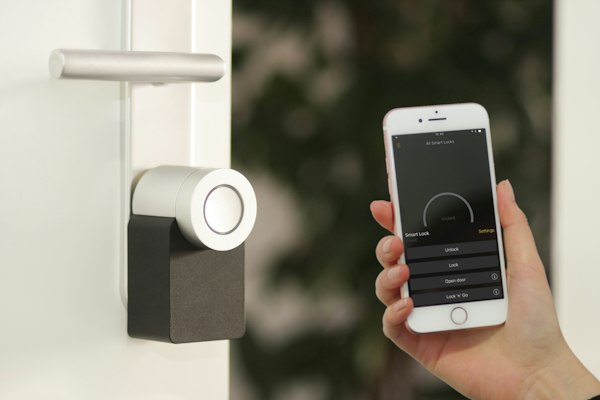
Tapo P110 Smart Plug (Energy Monitoring)
See exactly which appliances are quietly inflating your bill — track real-time watts, kWh and runtime from your phone.
- Real-time energy monitoring
- Cuts standby/vampire power
- Schedule appliances off-peak
Estimated benefit: ~£40/yr standby savings
Shop on AmazonAd – affiliate link. PowerGuardian may earn a commission from Amazon or another approved affiliate partner at no extra cost to you.

Home Energy Monitor (Whole-House)
Track your whole-home electricity use live and find where the kWh are going before the bill lands.
- Whole-house live usage
- Spot expensive habits fast
- App history & alerts
Estimated benefit: Awareness cuts ~5-10% use
Shop on AmazonAd – affiliate link. PowerGuardian may earn a commission from Amazon or another approved affiliate partner at no extra cost to you.
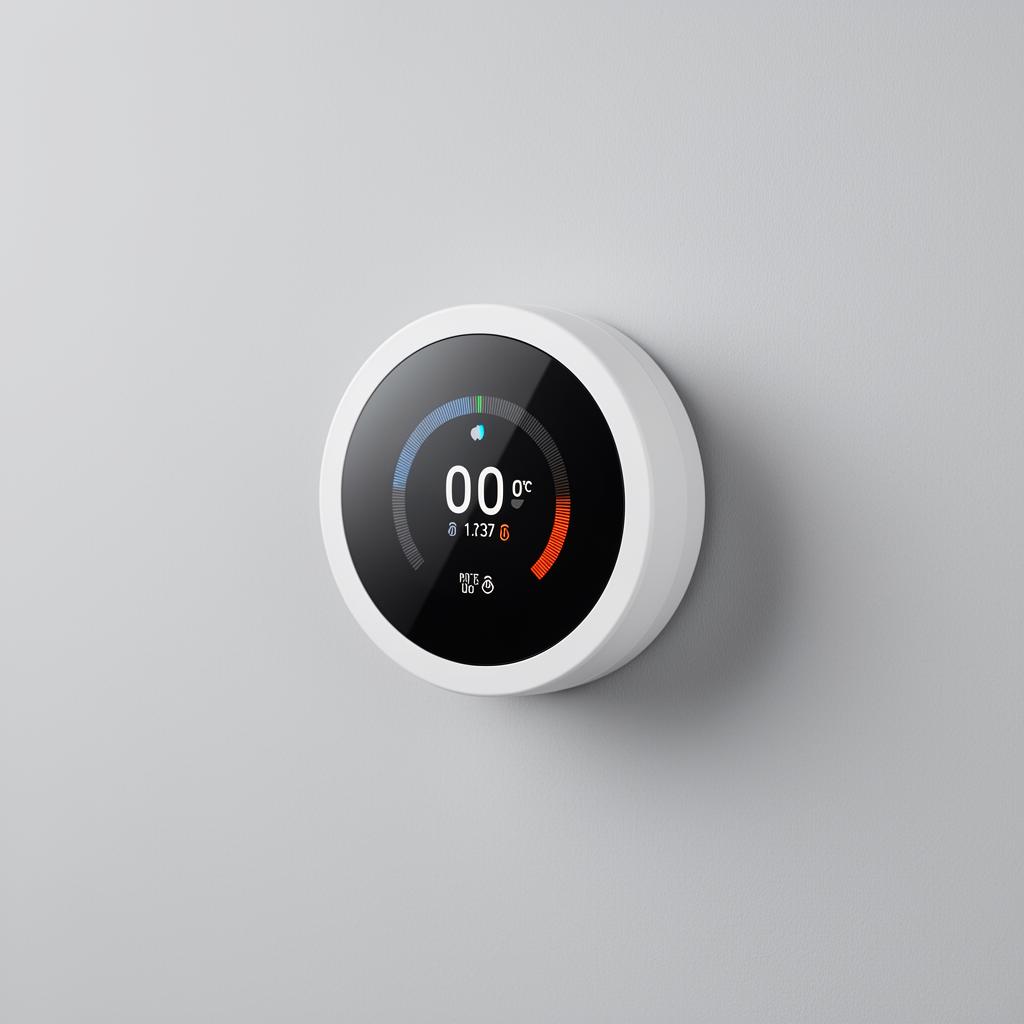
tado Smart Thermostat Starter Kit
Schedule, zone and remote-control your heating — independently shown to cut heating bills meaningfully.
- Heat only when needed
- Geofencing & schedules
- Room-by-room control
Estimated benefit: Up to ~£140/yr
Shop on AmazonAd – affiliate link. PowerGuardian may earn a commission from Amazon or another approved affiliate partner at no extra cost to you.
Affiliate links — we may earn a small commission at no extra cost to you. This keeps PowerGuardian free and independent.
3. Value Added Tax (VAT)
A non-negotiable government tax applied to your total energy usage.
- What it is: A 5% tax applied to the total cost of your domestic energy bill, including both your unit rate usage and your standing charge.
- Why it's there: Domestic energy is considered a 'necessity' by the UK government, and as such, it benefits from a reduced VAT rate of 5% compared to the standard 20% applied to most goods and services. This is a deliberate policy choice to keep essential services more affordable.
- What you can do: Absolutely nothing. VAT is a statutory charge.
4. Climate Change Levy (CCL)
A charge designed to encourage energy efficiency, but not for domestic users.
- What it is: For domestic consumers, the Climate Change Levy (CCL) is 0p. You will not see this charge itemised on your home energy bill.
- Why it's there: The CCL is an environmental tax on energy consumption, primarily aimed at businesses and public sector organisations. Its purpose is to encourage greater energy efficiency and the use of greener energy sources. Domestic electricity and gas, alongside certain other uses such as fuels for public transport, are explicitly exempt from CCL.
- Clarification: If you see any mention of CCL on your domestic bill, it's an error.
5. Renewables Obligation (RO)
This levy supports renewable energy generation and is embedded within your unit rates.
- What it is: The Renewables Obligation (RO) is a government scheme designed to incentivise the generation of electricity from eligible renewable sources. It’s not an explicit line item on your bill; rather, its cost is baked into the unit rates charged by your supplier.
- Why it's there: Under the RO, electricity suppliers are obligated to source a certain proportion of their electricity from renewable generators or pay a penalty. This creates a market for 'Renewables Obligation Certificates' (ROCs), which renewable generators sell to suppliers. The cost for suppliers to acquire these ROCs (or pay penalties) is then passed on to consumers via the unit rates.
- Impact: This mechanism has successfully driven significant investment in renewable technologies across the UK, contributing to the decarbonisation of the electricity grid. However, it also adds a small but consistent portion to your electricity unit rate.
6. Warm Home Discount (WHD) Levy
A crucial support mechanism for vulnerable households, also embedded in your unit rates.
- What it is: Similar to the Renewables Obligation, the Warm Home Discount (WHD) levy is not an explicit charge on your bill. Instead, its cost is embedded within the overall unit rates that all energy customers pay.
- Why it's there: The WHD scheme provides a one-off discount of £150 (for winter 2024/25, subject to change for 2025/26) on electricity bills for eligible low-income and vulnerable households. Energy suppliers with over 50,000 customers are mandated to fund this scheme. The mechanism for funding is for all customers to contribute a small amount, typically estimated around £40 per year per household, which is then used to fund the discounts for eligible recipients.
- Impact: This is a vital social policy, ensuring that the burden of heating homes in winter is alleviated for those most in need, while its cost is spread equitably across the consumer base.
What's Actually Negotiable and How to Take Action
Understanding your bill is one thing; feeling empowered to change it is another. While much of the energy landscape is governed by regulatory bodies and wholesale markets, there are concrete steps you can take to influence your total spend.
- Switching Tariff
This is historically the most effective way to save money on your energy bills.
- How it works: Moving from your current energy plan to a different one, either with the same supplier or a new one. This could be a fixed-rate tariff (locking in your unit rates and standing charges for 12-24 months) or a variable-rate tariff (which can change with wholesale prices but may offer more flexibility).
- Potential Savings: Historically, switching could save households £80–£250 per year. In the current volatile market (2026), these savings might be harder to find compared to pre-2021, as all suppliers are grappling with higher wholesale costs. However, locking into a competitive fixed deal can still offer peace of mind and protection from future price cap increases, potentially leading to significant long-term savings.
- Step-by-step guidance:
- Challenging the Standing Charge
While not negotiable in isolation, you can choose tariffs designed around different standing charge philosophies.
- How it works: Some suppliers or specific tariffs offer lower standing charges in exchange for slightly higher unit rates, or vice-versa. This particularly benefits very low energy users, who might find a higher unit rate offset by significantly reduced fixed costs.
- Potential Savings: Varies by individual usage. A high-usage household adopting a low-standing-charge tariff might pay more overall if the higher unit rate outweighs the standing charge saving. Conversely, a low-usage household could save £30–£90 per year.
- Key providers (examples, subject to change): Historically, suppliers like EDF (with their 'Essentials' tariff, though this may evolve) or smaller, challenger brands might experiment with differentiated standing charge structures. Larger players often stick closer to the Ofgem cap rates.
- Step-by-step guidance:
- Payment Method
A simple administrative choice with a tangible financial benefit.
- How it works: Energy suppliers offer discounts for customers who pay by Direct Debit, as it streamlines their billing and administrative processes and provides more predictable cash flow for them.
- Potential Savings: Paying by Direct Debit rather than on receipt of a bill (e.g., cheque, bank transfer after receiving a paper bill) typically results in a 6–8% reduction in your overall bill. This can equate to £100-£200+ per year for an average household.
- Step-by-step guidance:
Comparison Table: Negotiation Strategies
| Action | Impact on Bill Component | Typical Annual Savings (pre-2022 / current 2026 est.) | Effort Level | Key Benefit | Caveats |
|---|---|---|---|---|---|
| Switching Tariff | Unit Rates & Standing Charges | £80–£250 / £50–£150 | Medium | Lower overall bill, potential price certainty (fixed tariffs) | Market volatility, exit fees, limited 'super deals' currently. |
| Targeting Standing Charge | Standing Charge (in relation to unit rate) | £30–£90 (for low users) | Medium | More equitable for very low energy consumers | High users may pay more. Regional variations. |
| Payment Method (DD) | Total Bill (rebate or lower rates) | 6-8% of total bill / £100-£200+ | Low | Guaranteed savings, simplifies budgeting | Requires bank account, accurate estimation to avoid large debts/credits. |
| Energy Efficiency | Unit Rates (reduces kWh consumption) | £100–£400+ (depending on measures) | High | Long-term savings, environmental impact, improved home comfort | Initial investment, time commitment. |
← Swipe to see more →
Beyond the Bill: Energy Efficiency and Behavioural Changes
While the above points focus on your bill structure, the most significant long-term savings often come from reducing your actual energy consumption.
- Insulation: Loft, wall, and floor insulation can drastically cut heat loss, reducing heating demand.
- Smart Thermostats: Learning thermostats adapt to your schedule, optimising heating and cooling.
- Appliance Use: Running washing machines/dishwashers on eco-settings, air-drying clothes, switching off devices at the plug.
- LED Lighting: A simple switch from traditional incandescent or halogen bulbs can offer immediate savings.
- Draft-proofing: Simple measures like sealing gaps around windows and doors can prevent significant heat loss.
- Boiler Servicing: An efficient boiler uses less gas. Regular servicing ensures optimal performance.
These behavioural and technological changes, combined with a shrewd approach to understanding your bill, form the most effective strategy for managing your energy costs in 2026 and beyond.
FAQs
Q1: Why is my standing charge so high compared to others I know? A1: Standing charges are subject to regional variations, primarily due to the cost of maintaining the local distribution networks. Areas with sparser populations or more challenging terrain (e.g., rural Scotland, South West England) often have higher network costs, which are reflected in a higher daily standing charge. Even within the Ofgem price cap, there's a range allowed for these regional differences.
Q2: Can I refuse to pay the standing charge if I’m not using much energy? A2: No, the standing charge is a compulsory fixed daily fee for being connected to the national energy grid, regardless of your consumption. It covers supplier and network fixed costs. While you can search for tariffs with lower standing charges (often with slightly higher unit rates), you cannot entirely avoid it as long as you have a live energy supply.
Q3: My bill shows ‘estimated’ readings. Is this accurate? A3: Estimated readings are based on your past usage and historical data for your property. While they can sometimes be close, they are often inaccurate, leading to undercharging or overcharging. Always aim to provide regular actual meter readings (monthly is ideal) to your supplier, especially if you don't have a smart meter, to ensure your bills accurately reflect your consumption.
Q4: What's the difference between a fixed tariff and a variable tariff? A4: A fixed tariff locks in your unit rates (p/kWh) and standing charges (p/day) for a set period, typically 12-24 months. This offers price certainty. A variable tariff (often the default or standard variable tariff) means your unit rates and standing charges can go up or down according to wholesale market prices and are subject to the Ofgem Price Cap. Fixed tariffs can offer protection against price cap increases, but may have exit fees if you leave early.
Q5: Can I get help if I’m struggling to pay my energy bills? A5: Absolutely. If you’re finding it difficult to pay, contact your energy supplier immediately. They have obligations to help vulnerable customers and can discuss payment plans, smart meter installations, debt relief funds, or direct you to organisations that can offer further support (e.g. National Debtline, Citizens Advice). You might also be eligible for schemes like the Warm Home Discount or other government support payments.
Conclusion
Dissecting your UK energy bill might feel like a daunting task, but as this guide illustrates, every component has a logical explanation. From the daily fixed costs of the standing charge to the variable impact of your unit rate consumption, and the embedded costs of environmental levies and social support schemes, your bill is a complex aggregation of charges designed to keep the lights on and homes warm.
By understanding these six core elements, you move from a passive recipient of charges to an informed consumer. The power to influence your bill lies in strategic action: comparing and switching tariffs, optimising your payment methods, and most significantly, embracing energy efficiency. In the dynamic landscape of 2026, where market forces and geopolitical events continue to shape energy prices, an informed approach is not just a preference – it's a necessity for every UK household seeking to manage their finances effectively. Power Guardian UK remains committed to providing you with the insights and tools to navigate this essential aspect of modern living.
Why is the standing charge so high, even if I don't use much energy?
The standing charge covers fixed costs like maintaining the energy grid, meter reading, and customer service, which suppliers incur regardless of your consumption. This means low energy users or those with second homes are disproportionately affected by it. Regional variations also exist, with some areas having higher daily rates.
What is the Ofgem Price Cap and how will it affect my bill in 2026?
The Ofgem Price Cap sets the maximum pence per kilowatt-hour (p/kWh) suppliers can charge for default tariffs for both unit rates and standing charges. For 2026, analysts predict continued volatility, with electricity unit rates potentially between 18p/kWh and 28p/kWh, and gas between 4p/kWh and 8p/kWh, depending on market conditions.
Are there regional differences in what I pay for my energy?
Yes, unit rates can have slight regional differences due to varying distribution costs. Standing charges show more significant regional variations, with areas like parts of the South West or North Scotland often having higher daily rates due to network infrastructure and maintenance expenses.
Why is there 5% VAT on my energy bill instead of 20%?
The UK government applies a reduced VAT rate of 5% to domestic energy. This is a deliberate policy choice, treating household energy as a necessity to keep essential services more affordable, unlike the standard 20% VAT on most other goods and services.
Will I be charged the Climate Change Levy (CCL) on my domestic energy bill?
No, as a domestic consumer, you will not be charged the Climate Change Levy (CCL) on your home energy bill. This environmental tax is specifically aimed at businesses and public sector organisations to encourage energy efficiency, and domestic usage is explicitly exempt.
Current Supplier Watch
Recommended kit
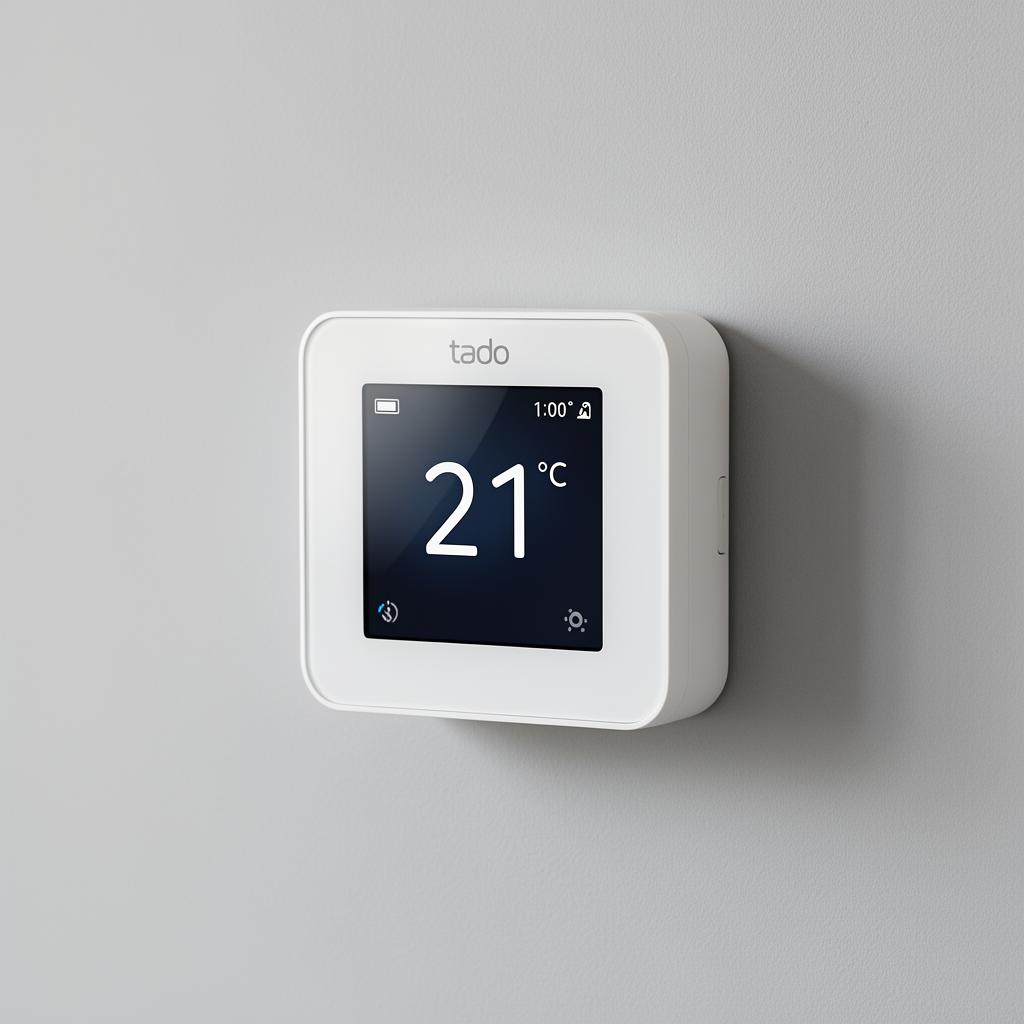
tado Smart Thermostat X
Schedule, zone and remote-control your heating — independently shown to cut heating bills by up to 28%.
Shop on Amazon