All UK Fuel Poverty Support (2026): A Deep Dive for Power Guardian UK Readers
As a senior energy journalist at Power Guardian UK, I've witnessed firsthand the profound impact of fluctuating energy prices on households across the nation. While we hope for greater stability in 2026, the reality is that many will still face the daunting challenge of fuel poverty. This guide aims to provide our readers with an exhaustive, UK-specific resource detailing every grant, payment, and support scheme available, alongside practical, step-by-step guidance on how to access them.
The energy landscape in the UK is complex, influenced by global markets, government policy, and regulatory frameworks like Ofgem's price cap. Understanding these factors is key to navigating the support available. For context, while Ofgem's price cap (which limits the standing charge and unit rates for average usage) is reviewed quarterly, the underlying costs of wholesale gas and electricity remain significant. As of early 2026 projections, typical dual-fuel household costs are expected to remain elevated compared to pre-2021 levels. For example, a typical direct debit customer on a standard variable tariff might see electricity unit rates around 28-32p/kWh and gas around 7-9p/kWh, plus a standing charge of approximately 50-60p/day for electricity and 30-40p/day for gas, depending on region. These figures underscore the critical need for robust support mechanisms.
Let's delve into the specifics of the support landscape for 2026.
Government-Backed Schemes: Your First Line of Defence
These schemes are typically funded by the government and administered either directly or through energy suppliers, local authorities, or the Department for Work and Pensions (DWP).
- Warm Home Discount Scheme (WHD)
- What it is: A one-off discount of £150 applied directly to your electricity bill between October and March. It's not paid in cash.
- Who Qualifies: There are two distinct groups for eligibility:
- Core Group 1 (England & Wales): Most people receiving the Guarantee Credit element of Pension Credit automatically qualify. You’ll usually receive a letter telling you what to do, or that the discount will be applied automatically.
- Core Group 2 (England & Wales): You could qualify if you’re on a low income and have high energy costs. This group uses means-tested benefits (e.g., Universal Credit, Housing Benefit, Income-based Jobseeker's Allowance, Income-related Employment and Support Allowance, Income Support, or Child Tax Credits/Working Tax Credits) and a points-based system that considers factors like property age, type, and medical heating needs.
- Scotland: A similar two-group system operates, primarily targeting those on specified benefits.
- Northern Ireland: This scheme does not currently operate in Northern Ireland, though discussions for equivalent support are ongoing.
- How to Access: For Core Group 1, it's often automatic. For Core Group 2, the DWP will usually send you a letter to confirm eligibility and guide you through the next steps, including a helpline to contact if details are incorrect. If you don’t receive a letter by December and believe you are eligible, contact the WHD helpline.
- Cold Weather Payment
- What it is: A payment of £25 for each 7-day period of very cold weather between 1 November and 31 March. This is separate from other benefits and support.
- Who Qualifies: You may get Cold Weather Payments if you receive: Pension Credit, Income Support, income-based Jobseeker’s Allowance (JSA), income-related Employment and Support Allowance (ESA), Universal Credit (and you’re not employed or self-employed), or Support for Mortgage Interest. Specific conditions apply to each benefit – for instance, for Universal Credit, you usually need to have a child under 5 or a limited capability for work element.
- How it Works: The DWP tracks local temperatures. If the average temperature in your area is recorded as, or forecast to be, 0°C or below for seven consecutive days, the payment is triggered automatically. You do not need to apply.
Recommended energy saving products
Independently chosen kit that helps UK households cut energy use.
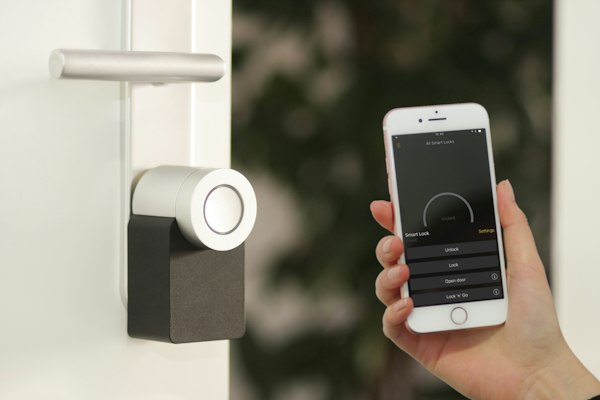
Tapo P110 Smart Plug (Energy Monitoring)
See exactly which appliances are quietly inflating your bill — track real-time watts, kWh and runtime from your phone.
- Real-time energy monitoring
- Cuts standby/vampire power
- Schedule appliances off-peak
Estimated benefit: ~£40/yr standby savings
Shop on AmazonAd – affiliate link. PowerGuardian may earn a commission from Amazon or another approved affiliate partner at no extra cost to you.

Home Energy Monitor (Whole-House)
Track your whole-home electricity use live and find where the kWh are going before the bill lands.
- Whole-house live usage
- Spot expensive habits fast
- App history & alerts
Estimated benefit: Awareness cuts ~5-10% use
Shop on AmazonAd – affiliate link. PowerGuardian may earn a commission from Amazon or another approved affiliate partner at no extra cost to you.
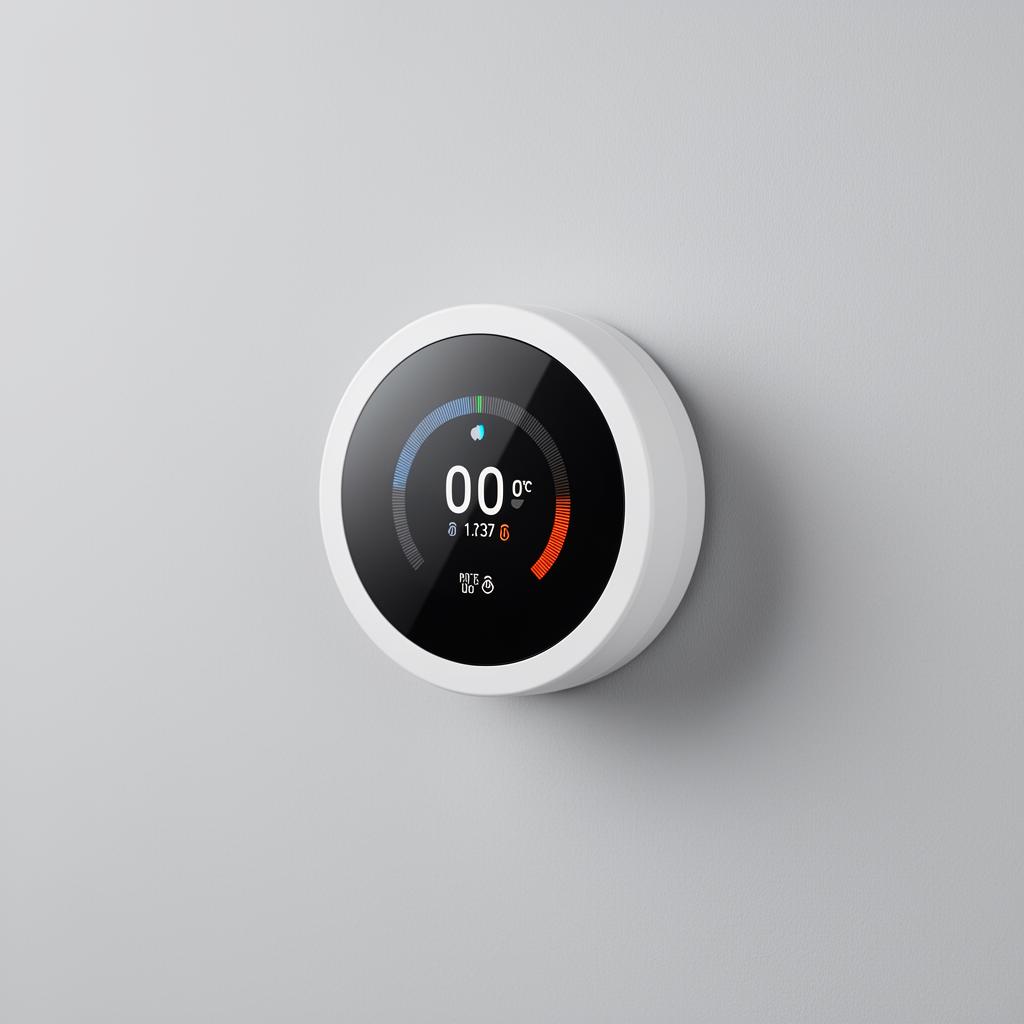
tado Smart Thermostat Starter Kit
Schedule, zone and remote-control your heating — independently shown to cut heating bills meaningfully.
- Heat only when needed
- Geofencing & schedules
- Room-by-room control
Estimated benefit: Up to ~£140/yr
Shop on AmazonAd – affiliate link. PowerGuardian may earn a commission from Amazon or another approved affiliate partner at no extra cost to you.
Affiliate links — we may earn a small commission at no extra cost to you. This keeps PowerGuardian free and independent.
- Winter Fuel Payment
- What it is: A tax-free payment of between £200 and £300 to help with heating costs.
- Who Qualifies: You can usually get a Winter Fuel Payment if you were born on or before 25 September 1957 (for winter 2023-24, this age threshold may adjust slightly for 2026 but generally targets those of state pension age) and live in the UK. The exact amount depends on your circumstances during the qualifying week and varies based on whether you receive other benefits or live with other people who also qualify.
- How to Access: Most Winter Fuel Payments are made automatically between November and December. If you haven't received it and believe you're eligible, contact the Winter Fuel Payment Centre. For those who defer their state pension or don't receive certain benefits, you might need to make a claim – check the Gov.uk website.
- Household Support Fund (HSF)
- What it is: A discretionary fund provided by central government to local councils to support vulnerable households with the cost of living, including energy bills, food, and other essentials. Grants typically range from £100 to £500, but this is entirely at the council's discretion.
- Who Qualifies: Eligibility criteria are set by individual local authorities, meaning it can vary significantly across the UK. Generally, it targets low-income households, those relying on means-tested benefits, pensioners, families with children, and individuals with disabilities or long-term health conditions. Councils often prioritise households not eligible for other forms of support.
- How to Access: This is crucial. You must apply directly to your local council. Search for "Household Support Fund [your council name]" online. Many councils have an online application portal, while others might require a phone call or an appointment. Due to its discretionary nature and limited funding, apply as soon as you identify a need.
Energy Supplier Hardship Funds and Support Schemes
Beyond government initiatives, most energy suppliers are mandated by Ofgem (or choose proactively) to offer support to customers struggling to pay their bills.
- Your Energy Supplier’s Hardship Fund (e.g., British Gas Energy Trust, Octopus Assist Fund)
- What it is: Many suppliers operate specific funds or assistance programmes. These can include debt grants (sometimes up to £1,500), payment plans, emergency credit for prepayment meters, or general bill assistance.
- Examples:
- British Gas Energy Trust: This is one of the most prominent, open to all energy customers (not just British Gas). It offers grants to help clear energy debts, and also funds other charitable organisations advising on debt. Eligibility often depends on household income, savings, and reasons for debt.
- Octopus Assist Fund: Octopus Energy offers direct support such as bill credits, emergency top-ups for prepayment meters, and tailored payment plans. They encourage customers to fill out their ‘Financial Assistance form’ online for a confidential assessment.
- Scottish Power Hardship Fund, OVO Energy Fund, E.ON Next Energy Fund: These are similar schemes, each with specific eligibility and application processes.
- Who Qualifies: Eligibility varies by supplier but generally focuses on customers in fuel poverty, experiencing financial hardship, or with significant energy debt. Often, you'll need to demonstrate you've already sought debt advice (e.g., from Citizens Advice).
- How to Access: The first step is to call your supplier directly. They have a duty to help customers in financial difficulty. They will discuss your situation and guide you towards their specific support offerings or signpost you to other relevant services. For external trusts like the British Gas Energy Trust, you'll apply directly through their website, often requiring documentation of your finances and debts.
- Ofgem Priority Services Register (PSR)
- What it is: This is not a financial payment, but a free service offering extra help and support to vulnerable customers. It ensures you receive priority assistance during power cuts, receive essential information in accessible formats, and can apply for things like regular meter readings if you cannot read your own, or a free annual gas safety check.
- Who Qualifies: You are eligible if you: are of pensionable age, are disabled or have a long-term medical condition, have a hearing or sight impairment, have a mental health condition, are pregnant or have young children, or are experiencing a temporary difficult situation (e.g., recovering from an injury).
- How to Access: Contact your electricity network operator and/or your gas network operator (you can find these details on your energy bill) or contact your energy supplier who can register you on their behalf. You need to register separately with each of your energy suppliers and your network operators.
Regional Support and Advice
While many schemes are UK-wide, specific initiatives and advice centres exist at a regional level.
- Wales: Nest and Affordable Warmth Scheme offer free home energy efficiency improvements and advice.
- Scotland: Home Energy Scotland provides free, impartial advice and grant information for energy efficiency and fuel poverty.
- Northern Ireland: The Affordable Warmth Scheme and other localised grants are available through NI housing executive and local councils.
- England: Various local authority-led schemes and charities often run small-scale projects. Always check your council's website.
Practical Step-by-Step Guidance: Where to Start When You're Struggling
Navigating the labyrinth of support can feel overwhelming when you're already stressed. Here's a clear, actionable plan:
- Don't Panic, Take Action Early: The sooner you seek help, the more options you'll have. Ignoring bills or escalating debt will only worsen the situation.
- Call Your Energy Supplier IMMEDIATELY (Step 1):
- Contact Citizens Advice (Step 2):
- Apply to Your Council's Household Support Fund (HSF) (Step 3):
- Check Eligibility for Government Schemes:
- Explore Supplier-Specific Hardship Funds:
- Consider Energy Efficiency:
Comparison Table: Key UK Energy Support Schemes (2026 Projections)
| Scheme | Estimated Value | Qualification Basis | Administered By | Application Method | Key Benefit |
|---|---|---|---|---|---|
| Warm Home Discount | £150 | Pension Credit (Guarantee) or low income + high costs | DWP / Energy Suppliers | Automatic for Core Group 1; DWP letter for Core 2 | Direct bill discount |
| Cold Weather Payment | £25/7 days | Specified benefits & continuous cold spell | DWP | Automatic | Payment for extreme cold |
| Winter Fuel Payment | £200 - £300 | State Pension Age & UK residency | DWP | Automatic for most | Help with heating costs |
| Household Support Fund | £100 - £500 (avg.) | Discretionary, low income, local criteria | Local Councils | Direct application to council | Flexible grants for necessities |
| British Gas Energy Trust | Up to £1,500 (debt) | Financial hardship, energy debt (all suppliers) | Independent Trust | Online application (often requires debt advice) | Debt relief, grants for specific needs |
| Octopus Assist Fund | Bill credits/top-ups | Financial hardship (Octopus customers) | Octopus Energy | Online Financial Assistance form | Direct bill support, emergency credit |
| Ofgem Priority Services Register | Non-monetary | Vulnerability (age, health, disability) | Suppliers / Network Operators | Direct enrolment with supplier/network operator | Enhanced support during outages, specific services |
← Swipe to see more →
Note: All values shown are indicative for 2026 and subject to final government and regulatory decisions.
FAQ: Navigating Fuel Poverty Support
Q1: I'm not on benefits, but I'm struggling. Is there any help for me? A1: Yes, absolutely. Energy supplier hardship funds (like the British Gas Energy Trust) are often open to customers regardless of their benefit status, requiring evidence of financial hardship. The Household Support Fund from your local council may also assist low-income households not on traditional benefits. Always contact your energy supplier first; they have an obligation to help all customers in distress.
Q2: What if my energy supplier refuses to help me? A2: If you feel your supplier hasn't offered adequate support or is not adhering to Ofgem guidelines, first make a formal complaint to them. If you remain dissatisfied after 8 weeks, you can escalate your complaint to the Energy Ombudsman for independent resolution. Citizens Advice can guide you through this process.
Q3: My house is cold, and I can't afford to run the heating. What practical steps can I take now? A3: Focus on immediate energy-saving measures: ensure all draughts are sealed (doors, windows keyholes), bleed radiators for efficiency, set your thermostat to the lowest comfortable temperature (e.g., 18-20°C), wear extra layers, heat only the rooms you are using, and switch off lights/appliances. Contacting Citizens Advice or your energy supplier can also lead to advice on free energy efficiency improvements like insulation or boiler checks if eligible through schemes like ECO4.
Q4: I have a prepayment meter and can't afford to top up. What should I do? A4: Call your energy supplier immediately. They can offer emergency credit or 'friendly hours' credit. Under Ofgem rules, your supplier cannot disconnect you if you're on a prepayment meter and in a vulnerable situation (e.g., elderly, disabled, or with young children). They can also discuss solutions such as switching you to a credit meter (if appropriate) or setting up a debt repayment plan.
Q5: Can I get help with old energy debt, not just current bills? A5: Yes. Many energy supplier hardship funds, such as the British Gas Energy Trust, are specifically designed to help clear existing energy debts. You will often need to show evidence of proactive debt management (e.g., having sought advice from Citizens Advice or a debt charity) as part of the application.
Q6: I'm worried about my mental health due to financial stress. Where can I get support? A6: Financial worries can deeply impact mental well-being. It's crucial to seek help. Organisations like Mind, Samaritans, and the Mental Health and Money Advice service offer dedicated support. Your GP can also provide advice and referrals to local mental health services. Remember, you're not alone, and help is available.
Conclusion
The winter months of 2026, like any other, will present significant challenges for many households grappling with the cost of energy. As we've detailed, a multi-faceted network of support exists, from government-backed payments to supplier-specific hardship funds and vital advisory services. The key message from Power Guardian UK is unequivocally clear: do not suffer in silence.
Your first and most impactful step is to engage directly with your energy supplier and then leverage the invaluable support offered by organisations like Citizens Advice. These bodies are equipped and mandated to provide assistance, guide you through complex application processes, and advocate on your behalf. By understanding the landscape of support and taking proactive steps, you can mitigate the burden of fuel poverty and ensure your home remains warm and safe. Stay informed, stay empowered, and remember that help is available.
Does the Warm Home Discount Scheme apply to people in Northern Ireland?
No, the Warm Home Discount Scheme does not currently operate in Northern Ireland, though discussions for equivalent support are in progress. For people in England, Wales, and Scotland, similar two-group systems are in place.
How much could I expect to pay for electricity and gas in 2026?
As of early 2026 projections, typical direct debit customers on a standard variable tariff might face electricity unit rates around 28-32p/kWh and gas around 7-9p/kWh. There will also be a standing charge of approximately 50-60p/day for electricity and 30-40p/day for gas, depending on your region.
Do I need to apply for the Cold Weather Payment?
No, you do not need to apply for the Cold Weather Payment. It is triggered automatically if the average temperature in your area is 0°C or below for seven consecutive days.
What is the primary difference between Core Group 1 and Core Group 2 for the Warm Home Discount?
Core Group 1 automatically qualifies if they receive the Guarantee Credit element of Pension Credit. Core Group 2 requires a low income, high energy costs, and typically uses means-tested benefits alongside a points-based system considering factors like property age or medical heating needs.
How can I apply for the Household Support Fund?
You must apply directly to your local council for the Household Support Fund. Eligibility criteria vary significantly by local authority, so you should search online for "[your council name] Household Support Fund" to find specific guidance.
Current Supplier Watch
Recommended kit
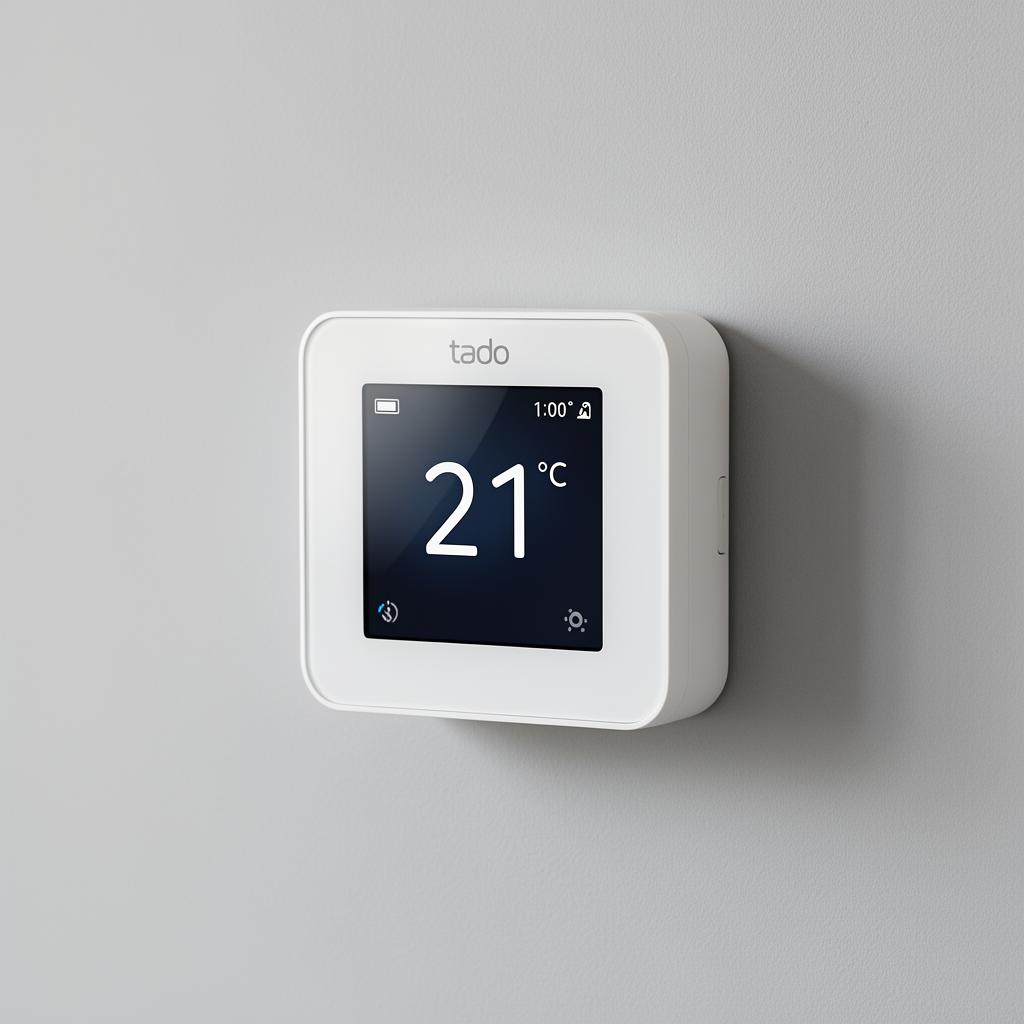
tado Smart Thermostat X
Schedule, zone and remote-control your heating — independently shown to cut heating bills by up to 28%.
Shop on Amazon