
Energy Debt Help in the UK 2026: What to Do If You Can't Pay
The chill wind of rising energy costs continues to blow across the UK in 2026, leaving many households facing an unenviable choice between heating and eating. For those behind on their energy bills, the stress can be overwhelming, but it's crucial to remember that you are not alone, and there is significant support available. As a senior energy journalist for Power Guardian UK, I've seen firsthand the devastating impact of energy debt, but also the lifeline that can be extended when people understand their rights and the steps to take. This guide will provide a comprehensive, UK-specific roadmap to navigating energy debt in 2026, offering practical advice and detailing your consumer protections.
The current energy landscape is complex. While wholesale prices have stabilised somewhat, the legacy of the energy crisis, coupled with the ongoing cost-of-living challenges, means many are still struggling. Ofgem’s energy price cap, a key regulatory tool, dictates the maximum amount suppliers can charge for each unit of gas and electricity. While it offers a degree of protection, typical annual bills can still be daunting. For instance, as of early 2026, the hypothetical Ofgem price cap sets average unit rates at approximately 28p per kWh for electricity and 7p per kWh for gas. These figures, while fluctuating quarterly, underscore the financial pressure on households.
Understanding Your Situation: The First Step to Relief
Before taking any action, it's vital to have a clear picture of your energy debt. Gather all relevant documents: recent bills, correspondence from your supplier, and any records of payments you've made. Know your account number and the exact amount you owe.
Current Supplier Watch
Step 1 — Contact Your Energy Supplier: Your Primary Point of Contact
This is the most critical and immediate action you can take. Do not ignore letters or calls from your supplier. Proactive communication is always better than reactive crisis management. Your energy supplier is legally obligated to help customers in payment difficulty. Under Ofgem regulations, they MUST offer a range of support options tailored to your circumstances.
How to contact them:
- Phone: Look for the dedicated debt or "struggling to pay" line on your bill or their website. Be prepared for potentially long waiting times, especially during peak hours.
- Online Chat/Messaging: Many suppliers now offer instant chat services, which can be a good way to get initial advice and record your conversation.
- Email: If you prefer a written record, send an email detailing your situation.
- Via your online account: Some suppliers integrate debt support directly into their online customer portals.
Recommended Smart Heating Product
Control heating remotely and reduce wasted energy with one of the UK’s most popular smart thermostats.
View on Amazon UKWhat to expect and what to ask for:
When you speak to them, clearly explain your financial situation. Don't be afraid to be open about your difficulties. They are trained to handle these conversations. Specifically, they MUST offer:
- An affordable payment plan (based on what you can genuinely pay): This is not a "one-size-fits-all" solution. The supplier must assess your income and expenditure to determine a realistic repayment schedule. This might involve stretching repayments over a longer period, reducing immediate payments, or even a temporary reduction in your ongoing direct debit amount if it's too high. They cannot demand a payment you genuinely cannot afford.
- Payment breaks or reductions for hardship: In severe cases of temporary financial difficulty (e.g., job loss, illness), your supplier may agree to a temporary halt or reduction in payments. This is usually for a specified, short period (e.g., 2-3 months).
- Referral to an independent debt advice charity or relevant energy trust: They have a duty to signpost you to organisations that can provide free, impartial advice and potentially grant funding (see Step 2).
- Inclusion on the Priority Services Register (PSR) if vulnerable: This is crucial. If you are of pensionable age, disabled or have a long-term health condition, have young children (under 5), or are recovering from an injury, you should immediately ask to be added to the PSR. This register entitles you to extra support, including proactive contact from your supplier, advanced notice of power cuts, and sometimes free appliance checks. Suppliers are prohibited from disconnecting any customer on the PSR during the winter months (October 1st to March 31st).
Key things to remember during the call:
- Be patient but firm: You are entitled to support.
- Take notes: Record the date, time, who you spoke to, and what was agreed. Ask them to send written confirmation.
- Don't agree to payments you can't afford: It’s better to be realistic upfront than to default on a new plan.
Step 2 — Check for Energy Debt Grants and Support Funds
Beyond what your supplier offers directly, there are significant financial lifelines available, often in the form of non-repayable grants. These can clear or significantly reduce your energy debt.
- British Gas Energy Trust (open to everyone, not just British Gas customers): This is one of the largest and most generous funds, offering grants of up to £1,500 to help clear energy debt for those struggling. They also have specific funds for exceptional circumstances. You don't need to be a British Gas customer to apply. Applications are made online, requiring detailed financial information and often proof of income/expenditure and debt.
- EDF Energy Customer Support Fund: Exclusively for EDF Energy customers, this fund offers bill clearance grants. Eligibility usually depends on disposable income after essential household expenses.
- Octopus Assist Fund: For Octopus Energy customers, this fund offers discretionary bill credits or hardship payments. They assess each case individually and aim to provide immediate relief.
- OVO Energy Hardship Fund: Similar to other supplier-specific funds, OVO offers support to reduce or clear existing energy debt for their customers in financial difficulty.
- ScottishPower Hardship Fund: Provides grants to ScottishPower customers facing fuel poverty and debt.
- National Energy Action (NEA): While not a direct grant provider, NEA is a national charity fighting fuel poverty. They can signpost you to local support and funding opportunities.
- Council Household Support Fund (HSF): This is a critical resource. Distributed by local authorities across the UK (e.g., county councils, unitary authorities, London boroughs), the HSF provides direct financial support for essentials like food and energy bills. The amount and eligibility criteria vary significantly by council and region. For example, a council in Cornwall might offer supermarket vouchers, while a London borough might provide direct energy bill payments. You must contact your local council directly to inquire about their specific HSF provisions and how to apply. This fund is often replenished by the government, so if you were ineligible before, check again.
- Charitable Grants: Depending on your profession, background, or specific circumstances, there may be other smaller charitable trusts offering support. Debt advice charities (see Step 4) can help you explore these.
Comparison of Select Energy Trust & Hardship Funds (Illustrative, 2026):
| Fund Name | Primary Eligibility | Typical Support Offered | Application Method | Notes |
|---|---|---|---|---|
| British Gas Energy Trust | All UK energy customers | Grants up to £1,500 to clear debt | Online portal | Requires comprehensive financial disclosure. |
| EDF Energy Customer S. Fund | EDF Energy customers | Bill clearance grants | Via EDF's website/phone | Focus on sustainable long-term solutions. |
| Octopus Assist Fund | Octopus Energy customers | Discretionary bill credits, hardship payments | Online form | Fast response aimed at immediate relief. |
| Council Household S. Fund | Local residents | Varies (vouchers, direct payments) | Local Council website/phone | Varies greatly by postcode. Check local council directly. |
← Swipe to see more →
Step 3 — Utilise "Breathing Space" (Debt Respite Scheme)
The Debt Respite Scheme, often referred to as "Breathing Space," is a powerful statutory protection in the UK. It offers individuals with problem debt a legal right to a 60-day pause from most enforcement action and demands for payment, including those from energy suppliers.
- How it works: Once granted, your energy supplier (and other creditors) cannot contact you about your debt, add interest or fees, or take enforcement action (like disconnecting you or chasing arrears) for the 60-day period. Crucially, if you are undergoing mental health crisis treatment, this period can be extended indefinitely while treatment continues.
- How to apply: Breathing Space must be accessed through a qualified debt advice provider (e.g., Citizens Advice, StepChange, National Debtline – see Step 4). You cannot apply for it directly yourself. They will assess your eligibility and submit the application on your behalf.
- Why it's vital: This 60-day window provides a crucial opportunity to get free debt advice, explore grant options, liaise with your energy supplier, and develop a sustainable long-term financial plan without the pressure of immediate debt collection.
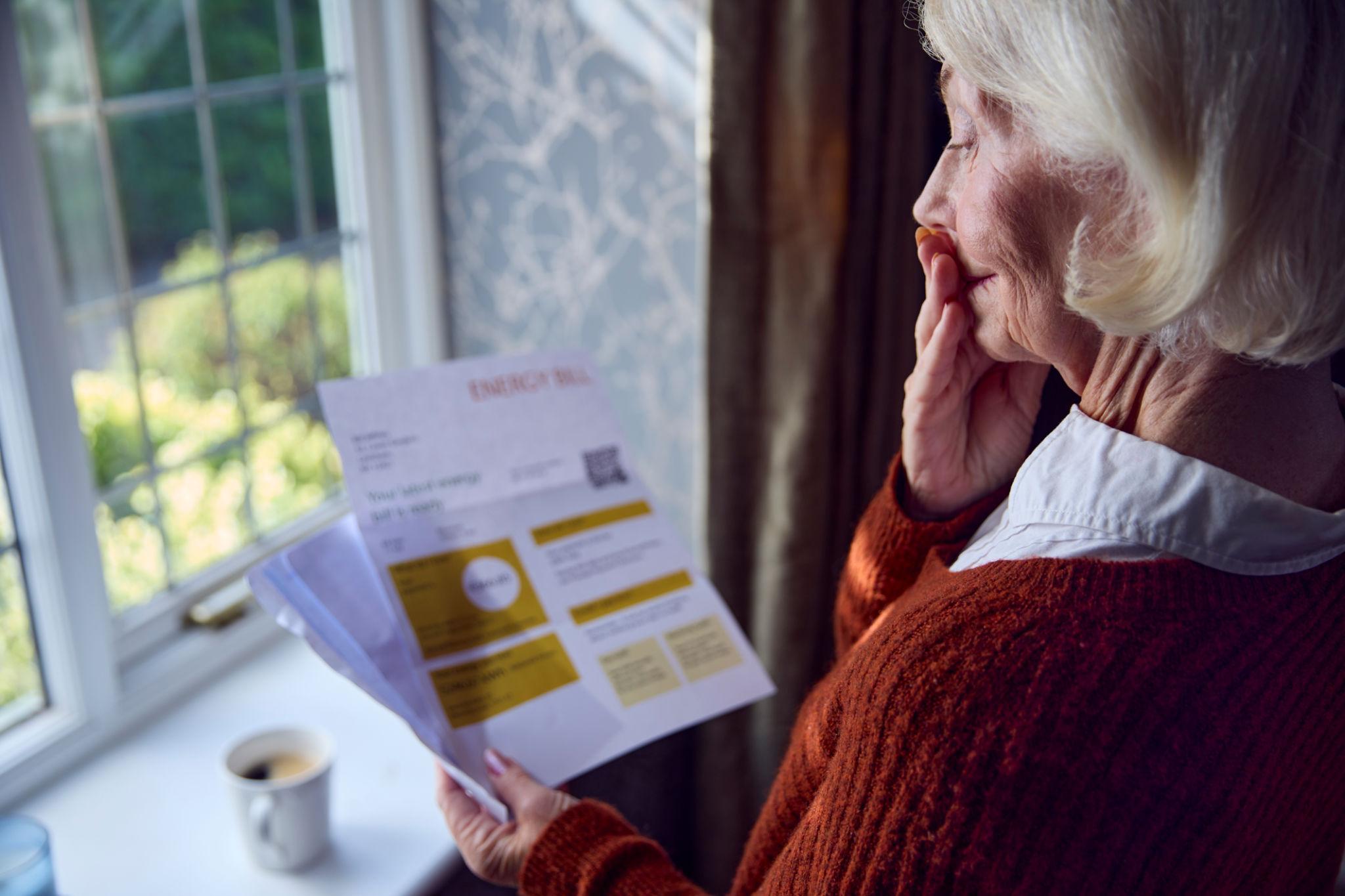
Step 4 — Seek Free, Impartial Debt Advice
Never pay for debt advice. The UK has a robust network of free and confidential debt advice charities who are experts in navigating complex financial situations, understanding your rights, and advocating on your behalf. They can assess your entire financial picture, not just your energy debt.
- Citizens Advice: (National helpline: 0808 223 1133 or find your local branch online). They offer universal advice on benefits, budgeting, debt, and energy. Highly recommended for initial contact.
- StepChange Debt Charity: (Helpline: 0800 138 1111). Specialise in debt management plans, IVAs, and bankruptcy. They can also help you apply for Breathing Space.
- National Debtline: (Helpline: 0808 808 4000). Run by the Money Advice Trust, they provide free, impartial, and confidential debt advice. Also equipped to assist with Breathing Space applications.
- Business Debtline: (Helpline: 0800 197 6026). If you are self-employed or run a small business and your energy debt is linked to this, this service is specifically for you.
These organisations can not only help you negotiate with your energy supplier but also check for all available benefits you might be entitled to, help create a budget, and explore other debt solutions if you have multiple creditors.
Your Statutory Rights as an Energy Consumer
Ofgem, the energy regulator, sets clear rules to protect consumers in debt. Understanding these rights empowers you in your discussions with suppliers.
- No Disconnection for Vulnerable Customers in Winter: As mentioned, if you are on the Priority Services Register (PSR), your supplier cannot disconnect you between October 1st and March 31st, even if you are in debt. If you are not on the PSR but believe you should be (e.g., due to illness, disability, or age), contact your supplier immediately to be added.
- 28 Days' Notice Before Disconnection (Minimum): Before any disconnection for debt, your supplier must give you at least 28 days' written notice. This notice must clearly explain your options for avoiding disconnection, including payment plans and referring you to debt advice.
- Disconnection as a Last Resort: Disconnecting a domestic customer is considered a measure of last resort. Suppliers are required to exhaust all other options, including offering payment plans and signposting to support, before resorting to disconnection.
- Smart Meter Prepayment Conversion: Suppliers sometimes offer to install a prepayment meter to manage debt. While this allows you to pay for energy as you use it – preventing further debt accumulation – it’s crucial to understand that prepayment energy is often more expensive on a unit-rate basis. If your supplier proposes this, they must consider your vulnerability and ability to manage a prepayment meter. They cannot force you onto a prepayment meter if it's not safe or practical (e.g., if it would exacerbate a health condition, or require you to travel long distances for top-ups).
- Complaint Process: If you feel your supplier is not adhering to their obligations or treating you fairly, you have the right to complain.
Regional Considerations
While advice is largely uniform across the UK, there are some regional nuances:
- Scotland: The Scottish Government has specific grants and initiatives. For example, the Home Energy Scotland provides advice and links to financial support. Your local council's Household Support Fund equivalent may also have different names (e.g., Scottish Welfare Fund).
- Wales: The Welsh Government has its own fuel poverty strategies and support schemes. Nest and the Warm Homes Programme offer advice and grants, specific to Welsh residents.
- Northern Ireland: While much of the advice on contacting suppliers and debt charities holds true, Northern Ireland has a separate energy market and regulatory body (Utility Regulator). Specific grants and support schemes will differ. The NI Direct website is a good starting point.
Practical Steps Checklist
- Identify your debt: How much do you owe? To whom?
- Contact your supplier IMMEDIATELY: Discuss payment plans, payment breaks, and PSR.
- Explore grants: Check British Gas Energy Trust and your local council's Household Support Fund.
- Contact a free debt adviser: Citizens Advice, StepChange, or National Debtline. Discuss Breathing Space.
- Budgeting: Work with debt advisers to create a realistic household budget to prevent future arrears.
- Check benefits: Ensure you're claiming all eligible benefits.
- If unsatisfied: Use the supplier's formal complaints process, then escalate to the Energy Ombudsman if necessary.
Recommended energy saving products
Independently chosen kit that helps UK households cut energy use.

Tapo P110 Smart Plug (Energy Monitoring)
See exactly which appliances are quietly inflating your bill — track real-time watts, kWh and runtime from your phone.
- Real-time energy monitoring
- Cuts standby/vampire power
- Schedule appliances off-peak
Estimated benefit: ~£40/yr standby savings
Shop on AmazonAd – affiliate link. PowerGuardian may earn a commission from Amazon or another approved affiliate partner at no extra cost to you.

Home Energy Monitor (Whole-House)
Track your whole-home electricity use live and find where the kWh are going before the bill lands.
- Whole-house live usage
- Spot expensive habits fast
- App history & alerts
Estimated benefit: Awareness cuts ~5-10% use
Shop on AmazonAd – affiliate link. PowerGuardian may earn a commission from Amazon or another approved affiliate partner at no extra cost to you.
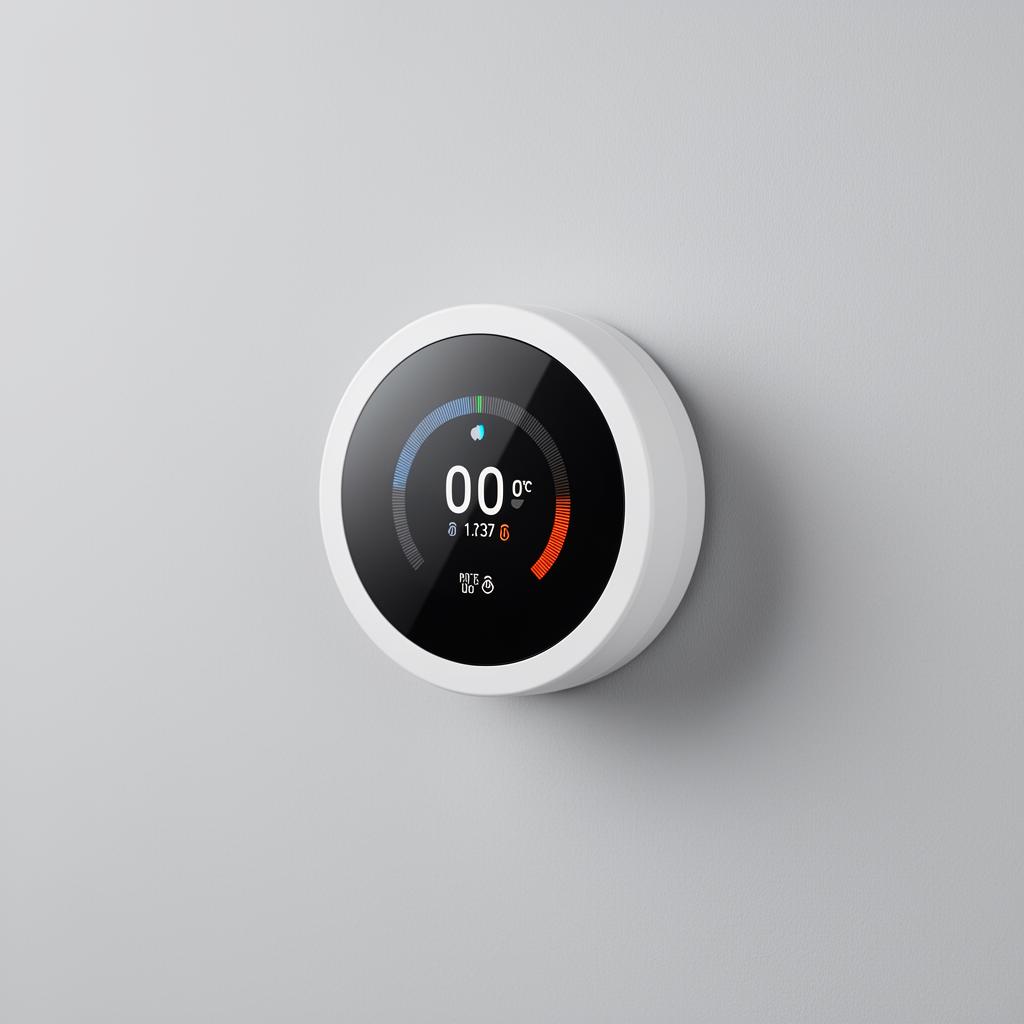
tado Smart Thermostat Starter Kit
Schedule, zone and remote-control your heating — independently shown to cut heating bills meaningfully.
- Heat only when needed
- Geofencing & schedules
- Room-by-room control
Estimated benefit: Up to ~£140/yr
Shop on AmazonAd – affiliate link. PowerGuardian may earn a commission from Amazon or another approved affiliate partner at no extra cost to you.
Affiliate links — we may earn a small commission at no extra cost to you. This keeps PowerGuardian free and independent.
FAQ: Your Most Pressing Questions Answered
Q1: Can my energy supplier disconnect me if I'm behind on payments? A1: Yes, they can, but only as a last resort and after following strict procedures. They must issue at least 28 days' notice, offer payment plans, and refer you to debt advice. Crucially, if you are vulnerable and on the Priority Services Register, they cannot disconnect you during the winter months (October to March).
Q2: What happens if I can't afford the payment plan my supplier offers? A2: Your supplier has a duty to offer an affordable payment plan, based on what you can genuinely pay. If you believe the plan is unaffordable, you must challenge it. Provide details of your income and essential expenses. If they refuse to agree to a plan you can afford, seek immediate advice from a free debt charity like Citizens Advice or StepChange. They can mediate on your behalf.
Q3: Can I get a cash grant to pay off my energy debt? A3: Yes, several organisations offer non-repayable grants. The British Gas Energy Trust is open to all households, regardless of their energy supplier, and can provide up to £1,500. Other suppliers (e.g., EDF, Octopus) have their own customer support funds. Your local council's Household Support Fund may also offer direct assistance for energy bills.
Q4: Should I accept a prepayment meter if my supplier offers one to manage debt? A4: A prepayment meter can prevent further debt accumulation but often means paying higher unit rates for your energy. Your supplier cannot force you onto one if it's unsafe or impractical (e.g., you have a medical condition requiring constant power). Discuss this with a debt adviser, as it might not be the best long-term solution for everyone.
Q5: What's the "Breathing Space" scheme and how can it help me? A5: Breathing Space legally pauses most debt collection activity and interest for 60 days. This gives you time to get free debt advice, explore solutions, and negotiate with your energy supplier without pressure. You must apply through a qualified debt advice provider like Citizens Advice or StepChange.
Q6: I'm self-employed and my business energy bill is high. Is there help available? A6: Yes, Business Debtline (0800 197 6026) offers free, confidential debt advice specifically for the self-employed and small businesses. While some domestic grants are not accessible, they can help you explore business support, negotiate with commercial energy suppliers, and understand your rights.
Conclusion: Act Now, There Is Help Available
Energy debt can feel isolating, but the key message from Power Guardian UK is unequivocally clear: do not suffer in silence, and act quickly. The longer you leave it, the harder it can become. The support frameworks in the UK, from statutory supplier obligations to powerful charity-led initiatives like the British Gas Energy Trust and the Debt Respite Scheme, are designed to catch those who fall. By following these steps – contacting your supplier, exploring grants, embracing free debt advice, and understanding your rights – you can navigate this challenging period, find stability, and potentially clear your energy debt. Your warmth and well-being are paramount.
Can my energy supplier disconnect my power if I don't pay?
Energy suppliers are legally obligated to help customers in payment difficulty and must offer support options. They are prohibited from disconnecting any customer on the Priority Services Register (PSR) during the winter months (October 1st to March 31st).
How much do typical electricity and gas bills cost per unit in 2026?
As of early 2026, the hypothetical Ofgem price cap sets average unit rates at approximately 28p per kWh for electricity and 7p per kWh for gas. These figures fluctuate quarterly and underscore general financial pressures.
What should I do first if I'm struggling to pay my energy bill?
The most critical first step is to contact your energy supplier directly. They are legally obligated to offer various support options, including affordable payment plans and referrals to debt advice charities.
Do I have to be a British Gas customer to get help from the British Gas Energy Trust?
No, the British Gas Energy Trust is open to everyone, not just British Gas customers. It offers grants of up to £1,500 to help clear energy debt for those struggling.
What is the Priority Services Register (PSR) and who is eligible?
The PSR provides extra support for vulnerable customers, including proactive contact and advanced notice of power cuts. You are eligible if you are of pensionable age, disabled, have a long-term health condition, young children (under 5), or are recovering from an injury.
Recommended kit
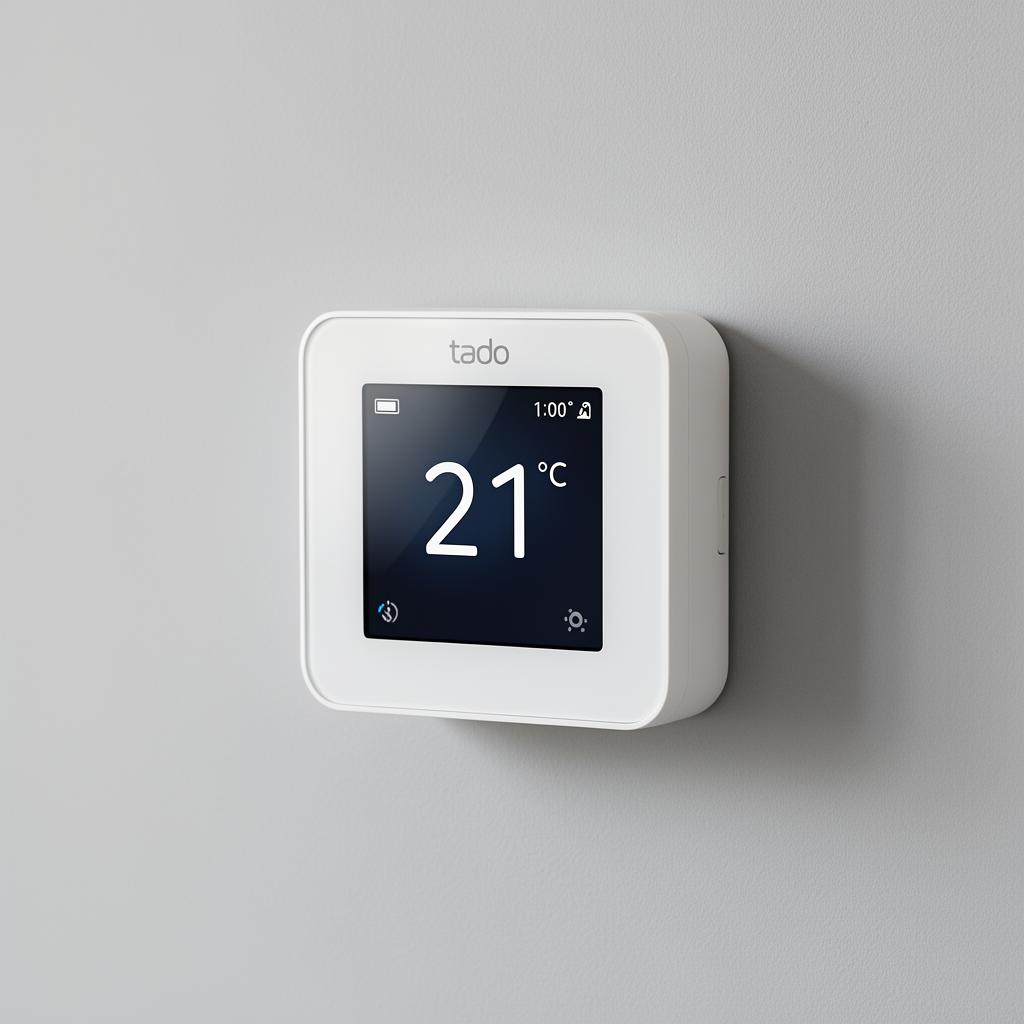
tado Smart Thermostat X
Schedule, zone and remote-control your heating — independently shown to cut heating bills by up to 28%.
Shop on Amazon