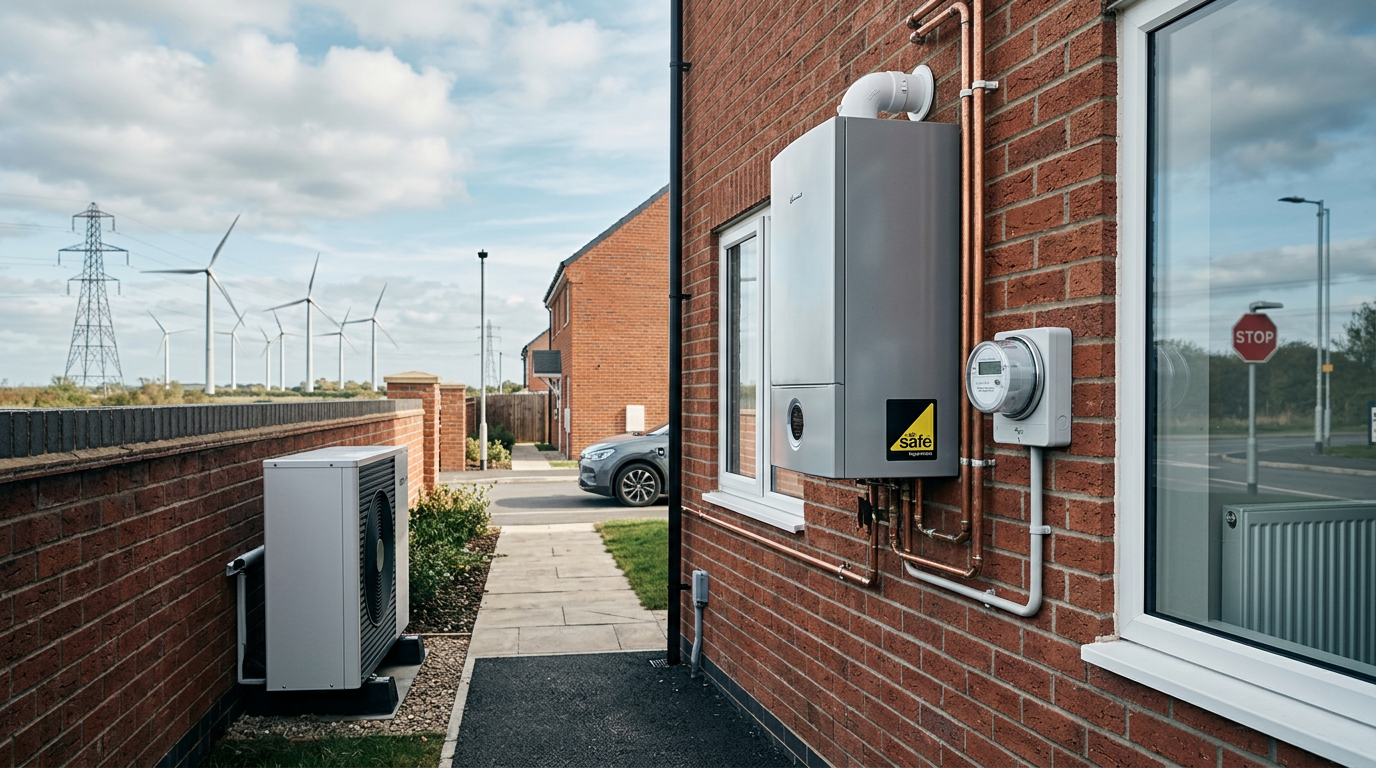
What's Actually Decided: Disentangling Boiler Bans and Future Policies
The UK's journey towards Net Zero by 2050 places significant emphasis on decarbonising domestic heating. While the headlines often scream about "gas boiler bans," the reality is far more nuanced, reflecting a phased and evolving policy landscape. For homeowners, understanding these distinctions is crucial for making informed decisions about their property's energy future.
The Concrete Realities:
- 2025 Future Homes Standard: The End of Gas in New Builds (Almost)
- 2035 Boiler Phase-Out: A Shifting Target for New Gas Boiler Sales
- Conditional Phase-Out: The 2035 date is now contingent on the development of a buoyant heat pump market, sufficient grid infrastructure upgrades, and a significant reduction in the cost of heat pump technology. It's no longer an absolute ban but a strategic objective.
- Rural Exemptions and Hybrid Systems: The updated policy explicitly acknowledges that some homes, particularly older, harder-to-decarbonise properties or those in rural "off-grid" areas where a full heat pump installation might be impractical or disproportionately expensive, may be exempt. The focus here shifts to ensuring viable alternatives exist for everyone. Hybrid systems (gas boiler + heat pump) are also likely to play an ongoing role, offering a stepping stone for many.
- Impact on Manufacturers: This signals to boiler manufacturers that while the market for conventional gas boilers will shrink, there isn't an immediate cliff-edge. Investment in alternative heating solutions, such as hydrogen-ready boilers or hybrid options, is now strategically imperative for them.
- No Retrofit Ban: Existing Boilers Can Live On (For Now)
Current Supplier Watch
What's NOT Banned: Dispelling the Myths
Understanding what isn't prohibited is just as important as knowing what is. The fear of being forced to rip out a perfectly functional gas boiler is unfounded based on current legislation.
- Replacing Your Existing Gas Boiler with Another Gas Boiler: As highlighted, this is perfectly permissible. If your current Worcester Bosch or Vaillant gives up the ghost, you can call a Gas Safe registered engineer to install a new one. The market for new gas boilers for existing homes remains entirely open. This means millions of homeowners will continue to choose gas boilers for their reliability and relatively low upfront cost for the foreseeable future.
- Servicing or Repairing Your Current System: Annual servicing by a Gas Safe engineer is not just allowed, it's highly recommended for safety and efficiency. Furthermore, parts and labour for repairs will remain available. The UK's extensive gas infrastructure and supply chain for parts will continue to operate.
- Hybrid Systems (Heat Pump + Gas Backup): These systems represent a pragmatic intermediate step for many homes. They combine an air source heat pump (operating most of the time) with a conventional gas boiler (kicking in during peak demand or very cold weather). This allows homeowners to significantly reduce their gas consumption and carbon footprint without needing extensive property modifications or facing very high upfront costs. The government views hybrid systems as a viable pathway to decarbonisation, especially for homes that might struggle with a full heat pump conversion.
What This Means In Practice: Navigating Your Heating Choices in 2026
For the majority of Power Guardian UK readers – existing homeowners – 2026 is a year of choices, not mandates. While gas boilers remain a viable option, the landscape is undeniably shifting towards low-carbon alternatives.
Scenario: Your Boiler Dies in 2026
Let's assume your trusted gas boiler, perhaps a 15-year-old combi, finally packs in early in 2026. What are your practical options and considerations?
- Direct Gas Boiler Replacement:
- Air Source Heat Pump (ASHP) Installation:
Comparison Table: Gas Boiler vs. Air Source Heat Pump (Illustrative for 2026)
| Feature | Standard Gas Combi Boiler (New Install, Existing Home) | Air Source Heat Pump (ASHP) (New Install, Existing Home) |
|---|---|---|
| Upfront Cost (Typical) | £2,000 - £4,000 | £500 - £10,500 (After £7,500 BUS Grant) |
| Energy Source | Natural Gas | Electricity (Highly Efficient) |
| Unit Rate (Jan-Mar 2024 Cap) | ~6.04p/kWh (Gas) | ~28.62p/kWh (Electricity) |
| Efficiency | ~85-95% (Condensing Boiler) | ~300-400% (CoP of 3-4) |
| Running Cost (Annual Est. 12,000 kWh heat) | £725+ (Gas only) | £800 - £1,200 (Potentially lower with smart/heat pump tariffs) |
| Carbon Footprint | High | Low (Decarbonising Grid) |
| Installation Impact | Low disruption | Moderate to High (radiators, insulation, hot water cylinder) |
| Maintenance | Annual Service (Gas Safe) | Annual Service (F-Gas certified) |
| Noise | Minimal | Outdoor unit has a low hum (typically 40-50 dB) |
| Fuel Security | Reliance on international gas markets | Reliance on domestic grid & renewables |
← Swipe to see more →
Practical Step-by-Step Guidance for Homeowners Considering Heating System Changes:
- Assess Your Current System: Note its age, efficiency rating (if known), and any ongoing issues. Get it serviced regularly.
- Improve Your Home's Fabric First: This is critical for any heating system, but especially for heat pumps. Ensure lofts are insulated to 270mm, cavity walls are filled, and consider draught-proofing and double glazing. This reduces your heat demand, making any system more efficient.
- Get a Heat Loss Survey (for heat pumps): A qualified professional (MCS accredited installer) will conduct a room-by-room heat loss calculation. This is vital to correctly size a heat pump and identify any radiator upgrades needed. It's a key requirement for the BUS grant.
Recommended energy saving products
Independently chosen kit that helps UK households cut energy use.

Tapo P110 Smart Plug (Energy Monitoring)
See exactly which appliances are quietly inflating your bill — track real-time watts, kWh and runtime from your phone.
- Real-time energy monitoring
- Cuts standby/vampire power
- Schedule appliances off-peak
Estimated benefit: ~£40/yr standby savings
Shop on AmazonAd – affiliate link. PowerGuardian may earn a commission from Amazon or another approved affiliate partner at no extra cost to you.
Home Energy Monitor (Whole-House)
Track your whole-home electricity use live and find where the kWh are going before the bill lands.
- Whole-house live usage
- Spot expensive habits fast
- App history & alerts
Estimated benefit: Awareness cuts ~5-10% use
Shop on AmazonAd – affiliate link. PowerGuardian may earn a commission from Amazon or another approved affiliate partner at no extra cost to you.
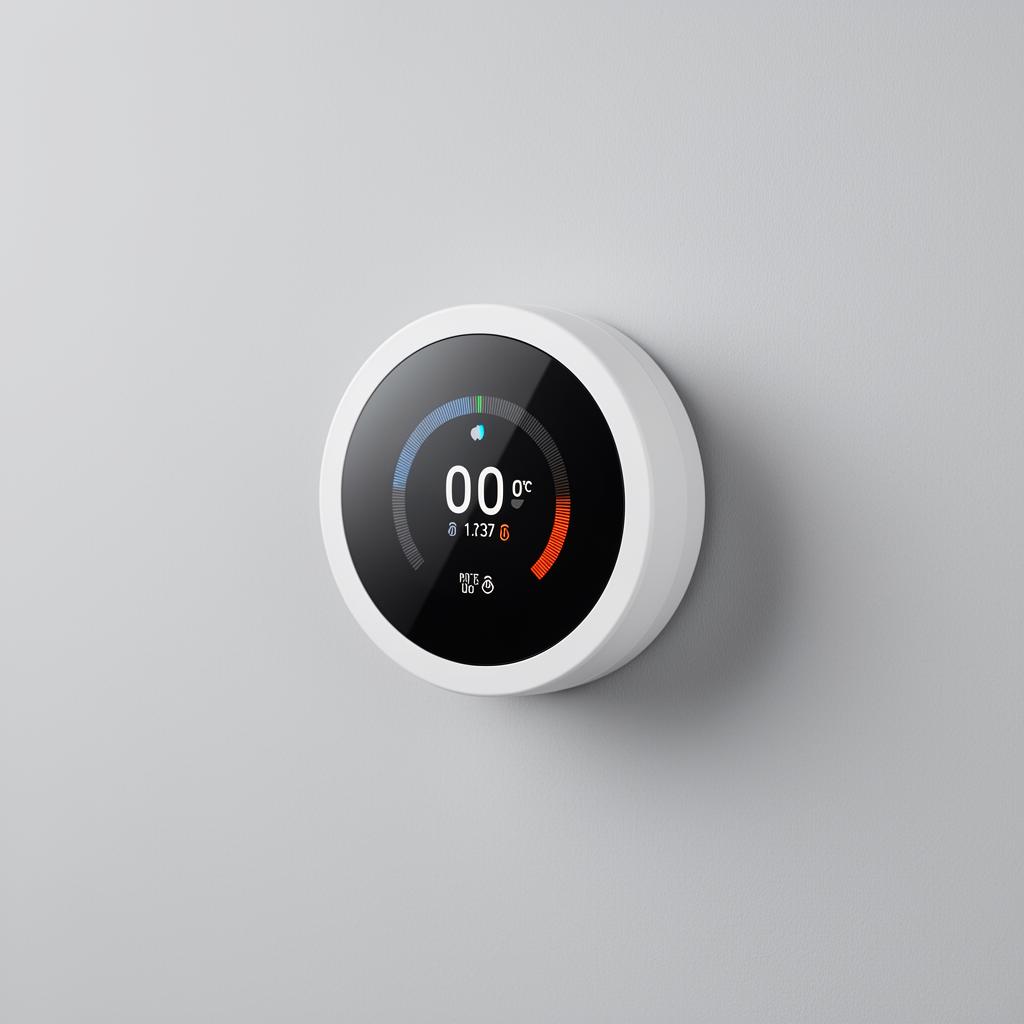
tado Smart Thermostat Starter Kit
Schedule, zone and remote-control your heating — independently shown to cut heating bills meaningfully.
- Heat only when needed
- Geofencing & schedules
- Room-by-room control
Estimated benefit: Up to ~£140/yr
Shop on AmazonAd – affiliate link. PowerGuardian may earn a commission from Amazon or another approved affiliate partner at no extra cost to you.
Affiliate links — we may earn a small commission at no extra cost to you. This keeps PowerGuardian free and independent.
- Obtain Multiple Quotes:
- Understand Running Costs: Ask installers for projections based on your home's heat loss and current energy tariffs. Explore dedicated heat pump tariffs with your energy supplier.
- Consider Your Hot Water Needs: If you currently have a combi boiler, a heat pump system will likely require a hot water cylinder. This needs space.
- Explore Financing: Beyond the BUS grant, consider green loans or internal finance options from installers.
- Make an Informed Decision: Weigh up upfront costs (after grants), running costs, environmental impact, and disruption levels. Remember, the long-term trend is away from fossil fuels.
FAQ: Navigating the UK Heating Landscape
Q1: Will I be forced to remove my existing gas boiler?
No, absolutely not. There are no current or proposed plans to ban existing gas boilers from being repaired, serviced, or replaced with another gas boiler. The government's focus is on encouraging a voluntary transition to lower-carbon heating over time, not mandating a retrofit ban.
Q2: If I replace my gas boiler now, will I regret it in a few years?
Not necessarily. A new, efficient gas boiler could last 10-15 years. While the UK is decarbonising heating, the pace for existing homes is gradual. You're buying time and maintaining a reliable heat source. However, over the long term, running costs for gas may rise, and a heat pump could become more economically advantageous, especially with decreasing installation costs and increasing grid greening.
Q3: How much is the Boiler Upgrade Scheme (BUS) grant, and who qualifies?
The BUS grant offers £7,500 towards the installation of an air source or ground source heat pump in England and Wales. To qualify, your property must be in England or Wales, have an EPC (Energy Performance Certificate) with no outstanding recommendations for loft or cavity wall insulation (or have proof these are not suitable), and the installer must be MCS (Microgeneration Certification Scheme) accredited. The grant is applied for by your installer on your behalf.
Q4: Are heat pumps suitable for all homes? What about older properties?
Heat pumps can be suitable for many homes, including older properties, but they work best in well-insulated homes. Older homes may require significant insulation upgrades (loft, walls, draught-proofing) and potentially larger radiators to achieve optimal efficiency. A professional heat loss survey by an MCS installer is essential to determine suitability and what upgrades might be needed.
Q5: What are "heat pump tariffs," and how do they work?
Heat pump tariffs are specific electricity tariffs offered by energy suppliers (e.g., Octopus Energy, OVO Energy) designed to incentivise heat pump use. They typically offer significantly lower electricity unit rates during off-peak hours (e.g., overnight). By programming your heat pump to run primarily during these cheaper periods, you can substantially reduce your running costs, making them competitive with, or even cheaper than, gas.
Q6: What about hydrogen boilers? Are they a viable future option?
Hydrogen is a potential future fuel for heating, with some gas grid areas being trialled for hydrogen blends. "Hydrogen-ready" boilers are available that can run on natural gas now and be converted to 100% hydrogen later. However, the mass production and distribution of green hydrogen are still in very early stages, and there's no guarantee it will be the primary solution for domestic heating across the entire UK. It's a technology to watch, but heat pumps are the government's primary decarbonisation strategy for homes today.
Conclusion: A Phased Transition, Not an Abrupt Ban
The narrative around "gas boiler bans" often creates unnecessary panic. As Power Guardian UK outlines, the reality in 2026 is that the UK is pursuing a phased, strategic transition away from fossil-fuel heating, not an immediate or universal prohibition.
For newly built homes, gas boilers will be a thing of the past from 2025. For existing homes, the 2035 target for ending new gas boiler sales is now conditional and flexible, acknowledging practical limitations. Crucially, your ability to repair, service, or replace your existing gas boiler with another gas boiler remains entirely intact.
However, the significant increase in the Boiler Upgrade Scheme grant to £7,500 has fundamentally altered the economics of heat pumps. What was once seen as an expensive, niche alternative is now, for many, a genuinely cost-competitive upfront option, with the potential for lower running costs on specific tariffs – especially as gas prices remain volatile.
Homeowners in 2026 are faced with a clear choice: maintain the status quo with gas, or consider a future-proof, lower-carbon heat pump system that is now far more financially accessible. The message is clear: while gas remains permitted, the UK government is actively incentivising and laying the groundwork for a transition to clean heating. Making an informed decision, based on a home's specific characteristics and long-term financial planning, is now more critical than ever. The switch is coming, but on your terms, for now.
Will my existing gas boiler be banned in the UK?
No, there is currently no ban on maintaining, repairing, or replacing your existing gas boiler with another gas boiler. You can legally replace your old gas boiler with a new gas model if it breaks down, even in 2026 and beyond.
Can I still buy a new gas boiler for my home in 2026?
Yes, for existing homes, the market for new gas boilers remains open in 2026. If your current gas boiler fails, you are permitted to replace it with a like-for-like gas model.
Are gas boilers banned in all new-build homes from 2025?
Yes, from 2025, the Future Homes Standard mandates that all new residential properties in England must be heated by low-carbon technologies. This effectively bans the installation of new gas boilers in new-builds.
Is the 2035 phase-out of gas boilers a definite ban for all homes?
No, the 2035 target for phasing out new gas boiler sales is now conditional and includes flexibility and exemptions. It is contingent on market development and infrastructure, with allowances for hard-to-decarbonise homes and rural areas.
What are hybrid heating systems and are they allowed?
Hybrid systems combine a heat pump with a gas boiler, allowing significant reduction in gas use. They are fully allowed and are seen by the government as a viable intermediate step towards decarbonisation, especially where a full heat pump may not be suitable.
Recommended kit
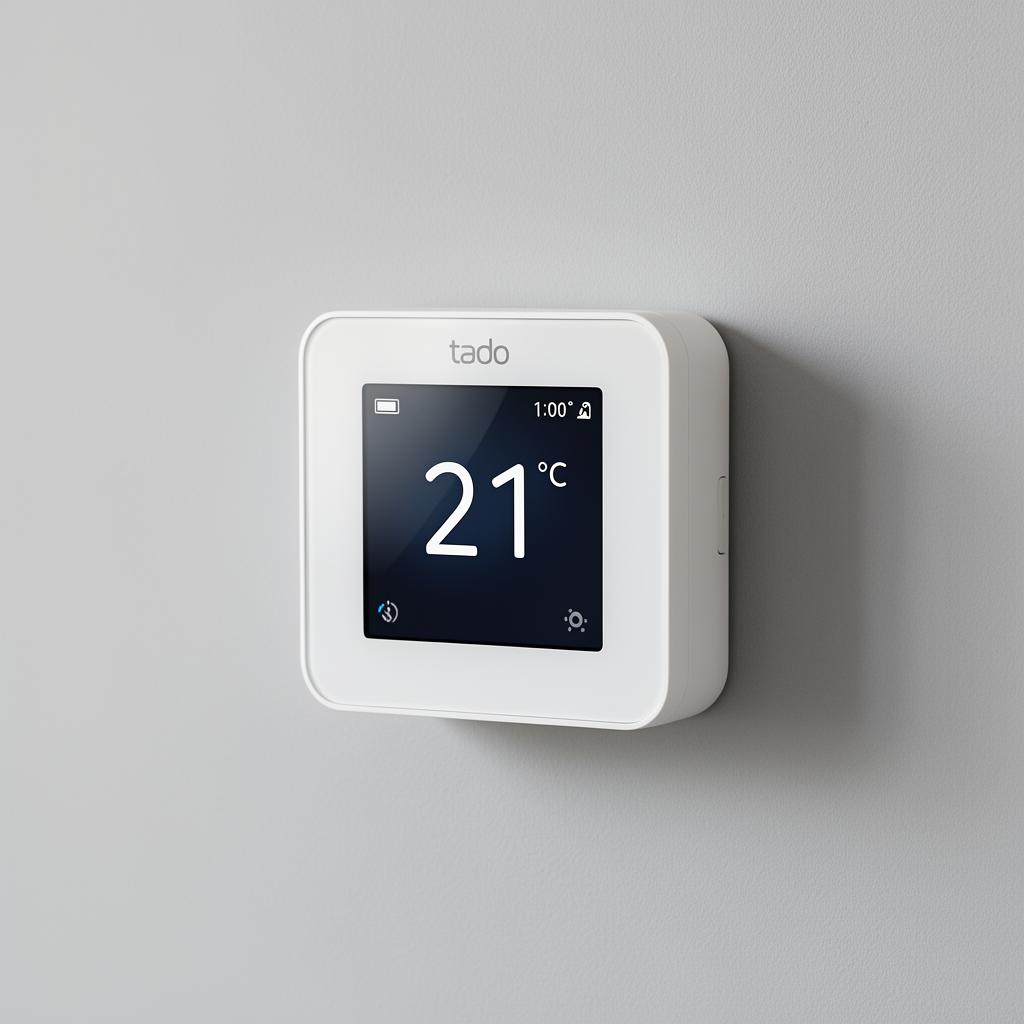
tado Smart Thermostat X
Schedule, zone and remote-control your heating — independently shown to cut heating bills by up to 28%.
Shop on Amazon