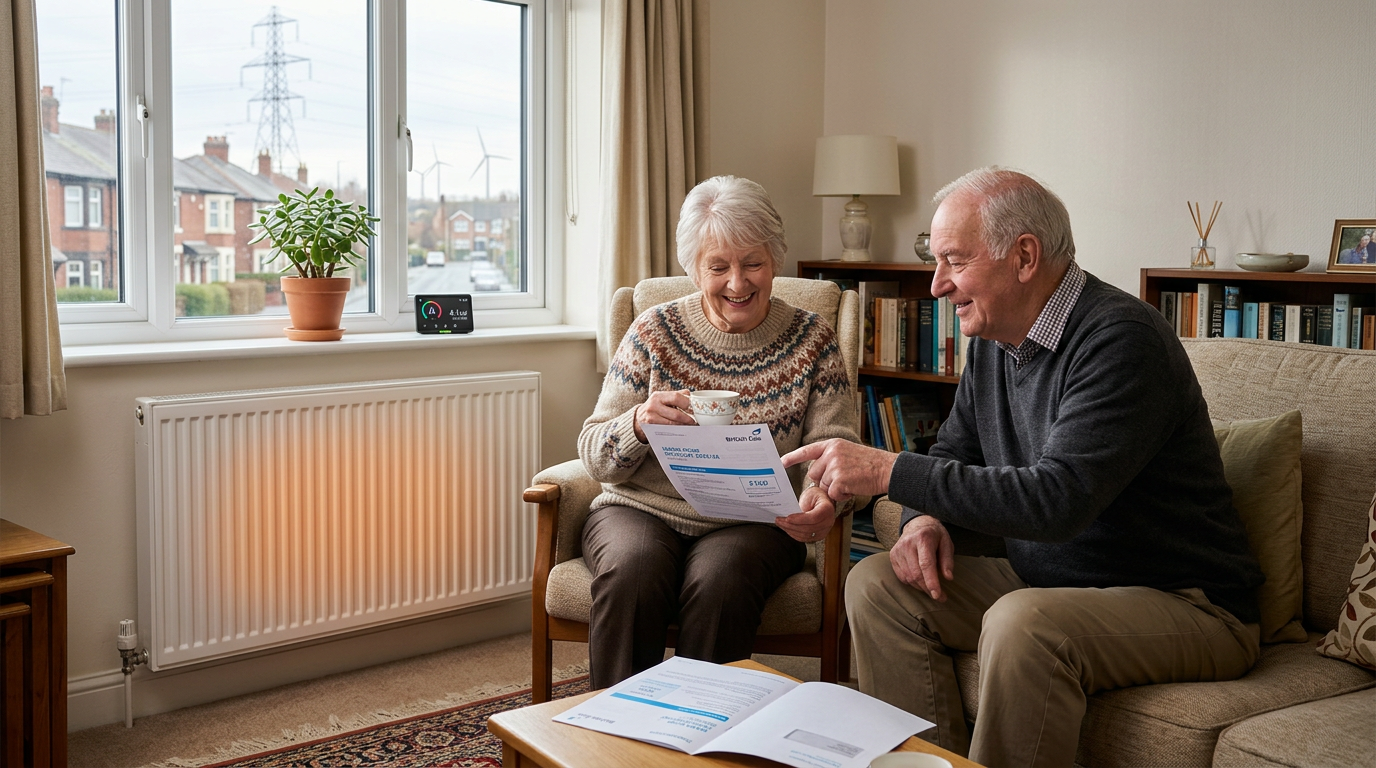
Warm Home Discount 2026: Are You Eligible for £150?
The UK's energy landscape is characterized by volatility, with wholesale prices impacting household bills significantly. Against this backdrop, the Warm Home Discount (WHD) scheme, offering a crucial £150 credit, remains an indispensable lifeline for millions of vulnerable households. As a senior UK energy journalist for Power Guardian UK, I've observed firsthand how this scheme, though vital, is often misunderstood or entirely missed by those who need it most. For the 2026 scheme year, approximately 3 million UK households are projected to qualify, yet historical data suggests a substantial number will fail to receive it, either due to lack of awareness or confusion surrounding the revised eligibility criteria.
What is the Warm Home Discount and Why is it Needed?
The Warm Home Discount is a government-backed initiative designed to provide financial relief to low-income households struggling with energy costs. It manifests as a £150 one-off credit directly applied to your electricity bill. For those on a prepayment meter, this comes as a voucher. The scheme runs annually, with payments typically made between October and March. This timing is crucial, coinciding with the peak winter months when heating demand – and thus energy expenditure – is at its highest.
The funding for the WHD is not from central government coffers, but rather from participating energy suppliers. Under obligations set by Ofgem, the energy regulator, large suppliers (those with 50,000 or more domestic customers) are required to contribute to the scheme. This cost is then socialised across all their customers' bills, making it a collective effort to support the most vulnerable.
Consider the current energy climate: while the Ofgem price cap has seen some easing from its 2022 peaks, it still represents a significant burden for many. As of January 2024, the typical electricity unit rate under the price cap is around 28.62p per kWh, with a standing charge of 53.35p per day. For a household using the average 2,700 kWh of electricity annually, this translates to substantial costs, even without factoring in gas. A £150 discount, therefore, isn't just a token gesture; it can cover a significant portion of a month's bill during winter, potentially preventing difficult choices between heating and other essentials.
Who Qualifies for the Warm Home Discount in 2026?
The eligibility criteria for the Warm Home Discount have evolved over the years, moving from a predominantly 'broader group' application system to a more automated, data-driven approach. For the 2026 scheme year, qualification is primarily based on two key factors, which must both apply:
- Receipt of Specific Benefits: You must be receiving one of the following qualifying benefits:
- High Energy Cost Score (HECS): This is the more complex and often misunderstood aspect. Your home must be deemed to have a "high energy cost score" based on its characteristics. This assessment is performed by the Department for Work and Pensions (DWP) using data from the Valuation Office Agency (VOA) and other government databases.
- Why the HECS? The shift to HECS aims to ensure the discount is targeted at those whose homes are genuinely more expensive to heat, irrespective of their general income bracket within the low-income categories. It moves away from a purely benefits-based system, recognising that a small, modern flat might have lower energy costs than a large, older terraced house, even if both occupants receive the same benefits.
- Supplier Participation: Your energy supplier must be part of the scheme. Thankfully, all the major suppliers in the UK (e.g., British Gas, EDF Energy, E.ON Next, Octopus Energy, OVO Energy, Scottish Power, Utilita) are legally obliged to participate. Smaller suppliers might be exempt if they have fewer than 50,000 domestic customers, so it's always worth checking with your specific provider if you're with a challenger brand.
Recommended energy saving products
Independently chosen kit that helps UK households cut energy use.
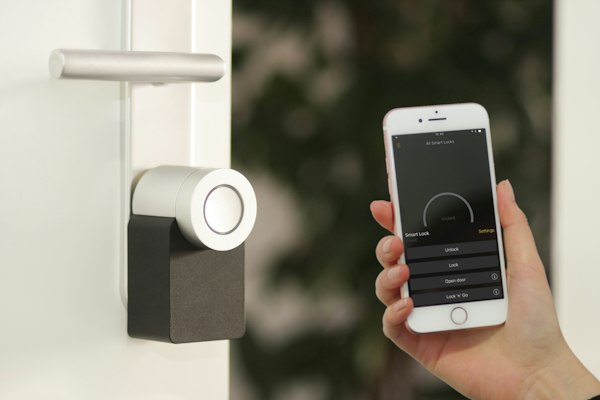
Tapo P110 Smart Plug (Energy Monitoring)
See exactly which appliances are quietly inflating your bill — track real-time watts, kWh and runtime from your phone.
- Real-time energy monitoring
- Cuts standby/vampire power
- Schedule appliances off-peak
Estimated benefit: ~£40/yr standby savings
Shop on AmazonAd – affiliate link. PowerGuardian may earn a commission from Amazon or another approved affiliate partner at no extra cost to you.

Home Energy Monitor (Whole-House)
Track your whole-home electricity use live and find where the kWh are going before the bill lands.
- Whole-house live usage
- Spot expensive habits fast
- App history & alerts
Estimated benefit: Awareness cuts ~5-10% use
Shop on AmazonAd – affiliate link. PowerGuardian may earn a commission from Amazon or another approved affiliate partner at no extra cost to you.
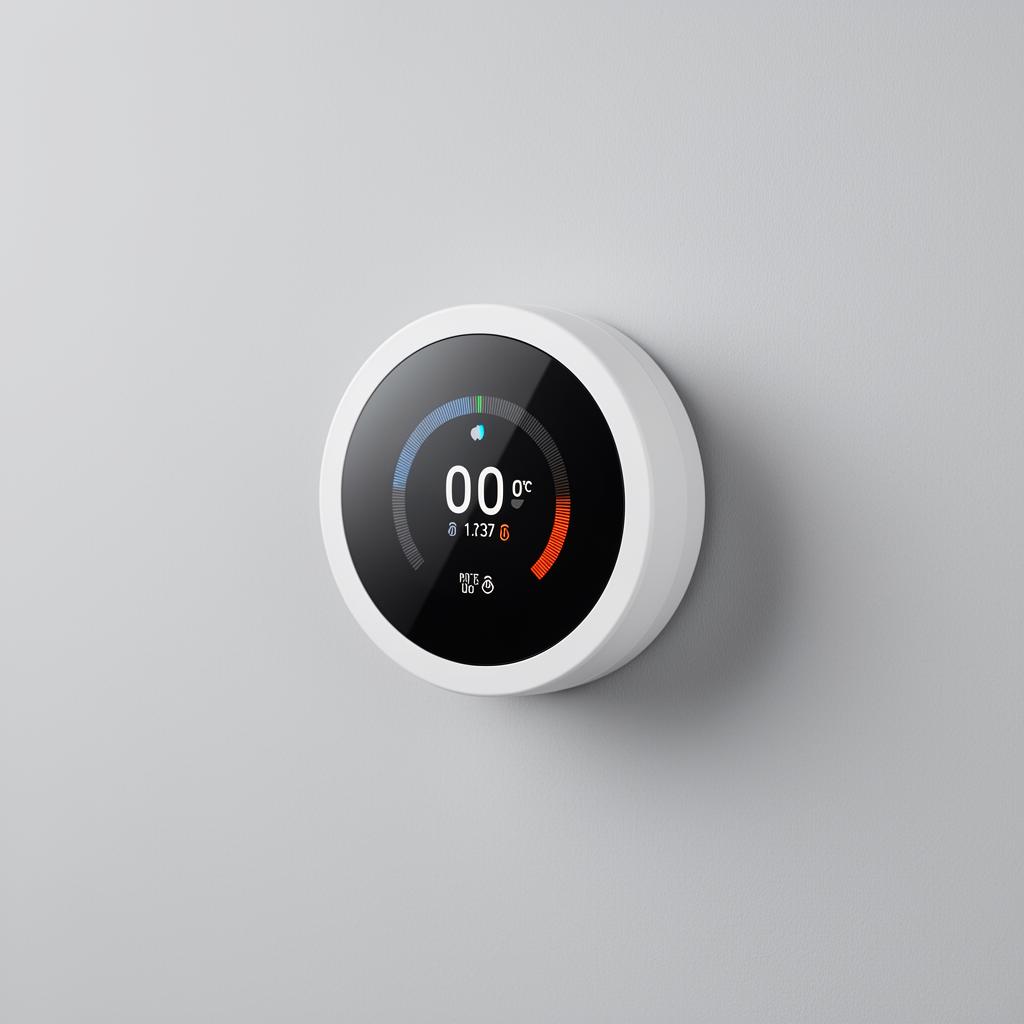
tado Smart Thermostat Starter Kit
Schedule, zone and remote-control your heating — independently shown to cut heating bills meaningfully.
- Heat only when needed
- Geofencing & schedules
- Room-by-room control
Estimated benefit: Up to ~£140/yr
Shop on AmazonAd – affiliate link. PowerGuardian may earn a commission from Amazon or another approved affiliate partner at no extra cost to you.
Affiliate links — we may earn a small commission at no extra cost to you. This keeps PowerGuardian free and independent.
How to Claim Your £150: A Step-by-Step Guide
The process for claiming the Warm Home Discount has been significantly streamlined to be largely automatic for most eligible households. This was a direct response to issues of low uptake when the 'broader group' required proactive applications.
Step 1: Understand Your Qualification Pathway (Core Group 1 & 2)
The WHD is effectively split into two 'core groups':
- Core Group 1 (Pension Credit): If you receive the Guarantee Credit element of Pension Credit.
- Core Group 2 (Other Means-Tested Benefits + HECS): If you receive one of the other qualifying means-tested benefits AND your home has a high energy cost score.
Step 2: Await Your Confirmation Letter (Most Common Scenario)
- Timeline: For most eligible households in both Core Groups, the process is automatic. Between October and December 2026, the DWP will send you a letter confirming your eligibility. This letter is crucial as it signifies that the £150 credit will be applied directly to your electricity account.
- What to do: Simply keep this letter for your records. No further action is usually required on your part.
Step 3: What if You Don't Receive a Letter but Believe You're Eligible?
This is where proactive action might be needed.
- Specifically for Pension Credit Recipients (Core Group 1): If you are a Pension Credit recipient and haven't received your confirmation letter by early January 2027, you should contact the Warm Home Discount helpline.
- WHD Helpline: 0800 030 9322. Ensure you have your National Insurance number and details of your energy supplier to hand. They can verify your eligibility and ensure the payment is processed.
- For Other Means-Tested Benefits + HECS (Core Group 2): The DWP's data matching is improving, but errors can occur. If January 2027 passes and you haven't received a letter, and you strongly believe you meet both the benefit and high energy cost score criteria, you should also contact the WHD helpline. They can investigate your case. Be prepared to provide details about your benefits and potentially information about your property.
Step 4: Special Circumstances - Park Homes
- Eligibility: Owners of residential park homes often fall outside the standard grid supply arrangements for electricity, meaning the direct bill credit mechanism doesn't apply cleanly.
- How to Claim: There is a separate, dedicated scheme for park home residents. You will need to apply directly via Charis Grants, a third-party administrator for specific WHD disbursements.
- Action: Contact Charis Grants via their website or helpline (details usually updated annually by DWP/Charis) to apply for the £150 one-off payment. This is a distinct process from the main automated scheme.
What if I'm on a Prepayment Meter (Pay-As-You-Go)?
The mechanics of receiving the discount differ slightly for prepayment meter customers, but the value remains the same: £150.
- Voucher Delivery: Instead of a direct bill credit, you will receive a £150 voucher. This can be delivered via SMS (text message), email, or a physical letter in the post, depending on your supplier's preferences and the contact details they have for you.
- How to Redeem:
- Important Note: Ensure your contact details with your energy supplier are up-to-date to avoid delays in receiving your voucher. There is typically an expiry date on vouchers, so redeem it promptly once received.
Comparison: Warm Home Discount vs. Other Support Schemes
It's crucial to understand that the Warm Home Discount is just one piece of the UK's energy support safety net. Other significant schemes exist, and you may be eligible for multiple.
| Scheme Name | Payment Amount | Eligibility Criteria | Payment Method | Core Purpose | Key Dates |
|---|---|---|---|---|---|
| Warm Home Discount | £150 | Pension Credit or other specific means-tested benefits AND High Energy Cost Score. Automated. | Electricity Bill Credit or Voucher | Direct aid for winter energy bills | Oct-Mar annually |
| Cold Weather Payment | £25 (per spell) | Specific benefits (Pension Credit, UC, JSA, ESA, IS) & local temperature below 0°C for 7 consecutive days. | Automatic (benefit payment) | Short-term relief during severe cold snaps | Nov 1 - Mar 31 annually |
| Winter Fuel Payment | £100-£300 | Born on or before a specified date (e.g., 25 Sept 1957 for winter 2023-24) & typically receiving state pension/other benefits. | Automatic (benefit payment) | Annual support for winter heating costs for pensioners | Nov-Dec annually |
| Household Support Fund | Varies (discretionary) | Specific local authority criteria; often targeted at low-income households, families, pensioners; for food, energy bills, essentials. | Discretionary grant | Localised support for cost of living pressures | Ongoing (council dependent) |
| Energy Company Obligation (ECO4) | Varies (e.g., insulation) | Homeowner/private tenant, specific benefits, or low council tax band/EPC rating; assessed by energy suppliers/installers. | Direct home improvements | Improving home energy efficiency for long-term savings | Ongoing |
← Swipe to see more →
Power Guardian UK recommends checking your eligibility for all relevant schemes. Eligibility for one does not preclude eligibility for others.
Current Supplier Watch
FAQs
Q1: I'm retired and only receive State Pension. Do I qualify for the Warm Home Discount automatically?
Not automatically. To qualify for the WHD as a pensioner, you generally need to be receiving the Guarantee Credit element of Pension Credit. Just receiving the basic State Pension is not sufficient on its own. You should check if you're eligible for Pension Credit, even a small amount, as it unlocks access to WHD and other benefits.
Q2: What if I switch energy suppliers during the scheme year? Will I still get the discount?
Yes, typically. The DWP identifies eligible households and informs their supplier at a specific point in time (usually before October). If you've been identified as eligible, your 'qualifying supplier' (the one you're with when DWP sends the notification) will be responsible for applying the discount. If you switch after this point, your new supplier might honour it, or you may need to contact the WHD helpline to ensure it's transferred or issued. Always let your new supplier know if you've received a WHD eligibility letter.
Recommended Smart Heating Product
Control heating remotely and reduce wasted energy with one of the UK’s most popular smart thermostats.
View on Amazon UKQ3: My house is quite modern and energy-efficient. Can I still get a High Energy Cost Score (HECS)?
It's less likely, but possible. The HECS model primarily identifies properties with poorer energy efficiency or larger heating requirements. While a modern home's features might lower its score, other factors like overall floor area or certain construction types could still contribute to meeting the threshold if combined with qualifying benefits. The DWP's decision is final on the HECS.
Q4: I live in Scotland/Wales/Northern Ireland. Are the rules different?
The Warm Home Discount is a UK-wide scheme. The eligibility criteria regarding benefits and the High Energy Cost Score are the same across England, Scotland, and Wales. For Northern Ireland, there is a separate but equivalent Affordable Warmth Scheme administered by the NI Executive, with different eligibility rules and application processes. This guide focuses on the WHD for GB.
Q5: What if I genuinely can't afford my energy bills, but don't qualify for WHD?
You are not alone. Beyond the WHD, you should immediately: 1. Contact your energy supplier: They have hardship funds, payment plans, and can provide advice. 2. Household Support Fund: Check with your local council for discretionary grants from the Household Support Fund. 3. Charities: Organisations like National Energy Action (NEA), Citizens Advice, and Age UK offer free, impartial energy advice and can guide you to other sources of support.
Conclusion
The Warm Home Discount remains a cornerstone of energy bill support for millions in the UK. For 2026, the largely automated system aims to deliver this vital £150 credit directly to those who need it most, based on their benefit status and the energy cost burden of their home. However, as this detailed guide outlines, awareness remains key. Don't assume you won't qualify, and crucially, if you meet the eligibility for Pension Credit or other means-tested benefits, and especially if you live in an older or larger property, keep a lookout for that all-important DWP letter between October and December 2026. If it doesn't arrive and you believe you're eligible, the WHD helpline (0800 030 9322) is your next port of call. For park home residents, remember the separate Charis Grants application. Power Guardian UK urges all potentially eligible households to familiarise themselves with these rules and take proactive steps if the automatic payment doesn't materialise. Every £150 saved is a significant step towards a warmer, more secure winter.
Recommended kit
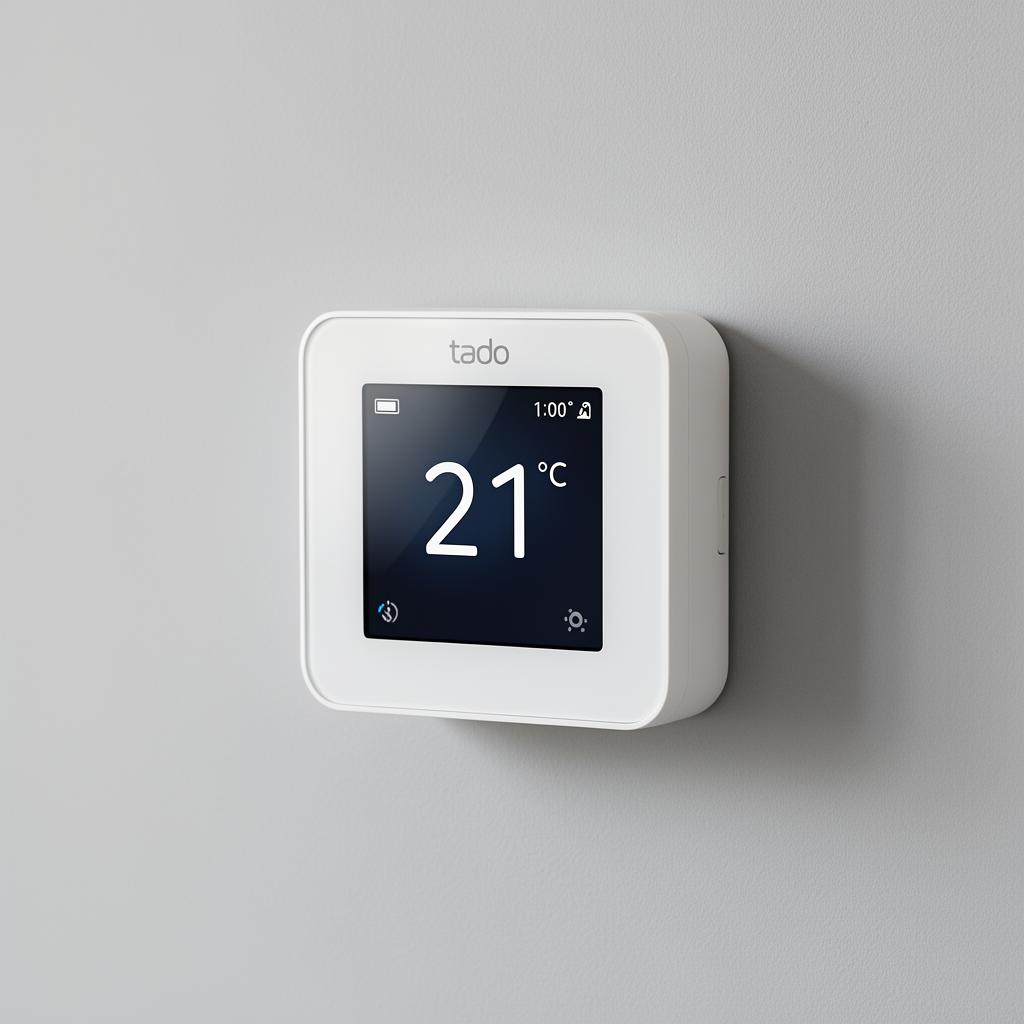
tado Smart Thermostat X
Schedule, zone and remote-control your heating — independently shown to cut heating bills by up to 28%.
Shop on Amazon