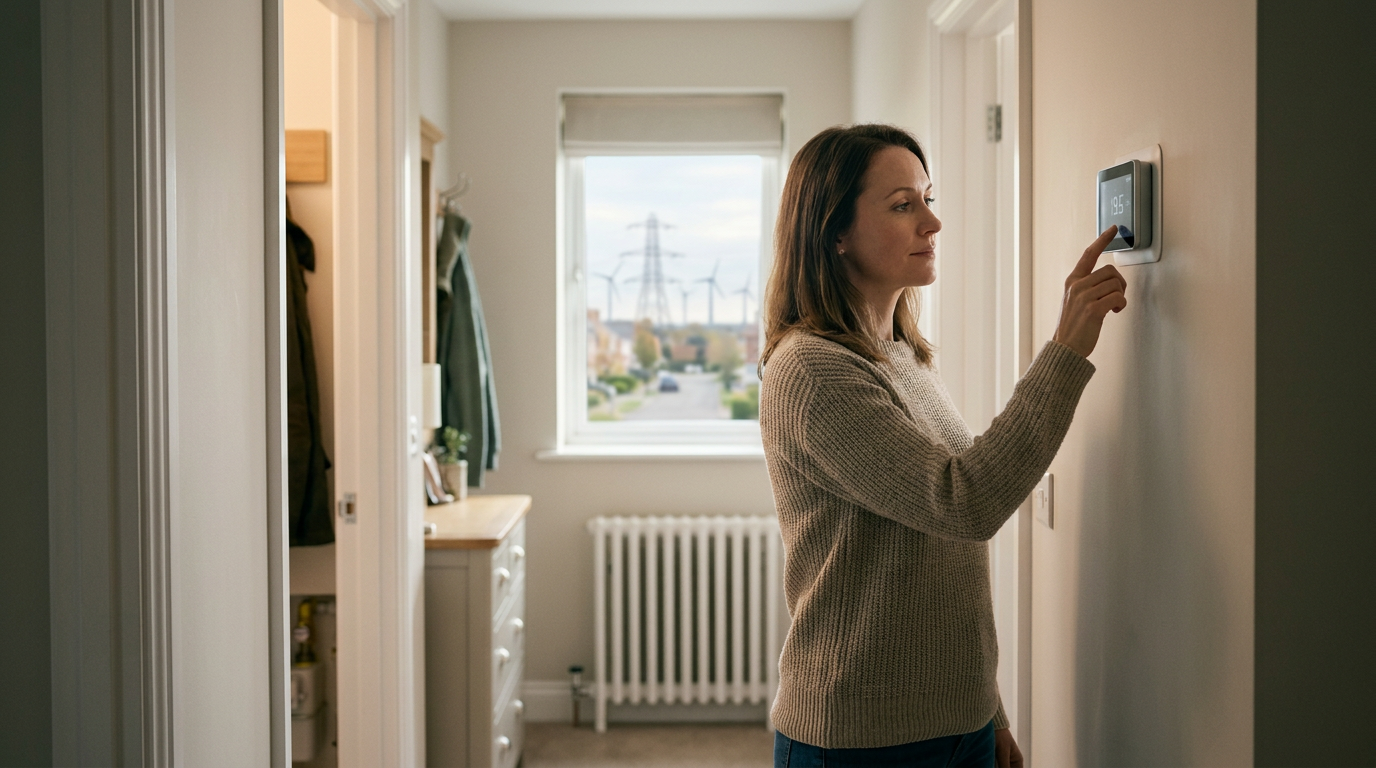
# What Temperature Should You Set Your Thermostat? UK 2026
Updated: May 2026 — Power Guardian UK Editorial Team
The Energy Saving Trust says turning your thermostat down by just 1°C cuts heating bills by around 10% — roughly £100–£130 a year for a typical UK home in 2026.
The recommended UK thermostat setting
18–21°C is the sweet spot for most healthy adults. The World Health Organisation recommends a minimum of 18°C in living rooms during winter — below that, health risks rise (especially for over-65s, infants and anyone with respiratory issues).
| Setting | Comfort | Annual heating cost (typical home) |
|---|---|---|
| 17°C | Cool — only OK if active | £880 |
| 18°C | WHO minimum, generally safe | £960 |
| 19°C | Recommended sweet spot | £1,050 |
| 20°C | Comfortable for most | £1,150 |
| 21°C | Warm — common UK default | £1,260 |
| 22°C+ | Toasty — costs add up fast | £1,380+ |
← Swipe to see more →
(Figures: gas combi boiler, semi-detached, average UK weather, 2026 prices.)
Current Supplier Watch
Room-by-room targets
- Living room / bedroom: 18–21°C
- Hallways and unused rooms: 16–18°C — turn TRVs (radiator valves) down
- Bathroom: 22°C briefly when in use
- Children's nurseries / vulnerable adults: 20–22°C, never below 18°C
What actually saves money
- Lower the thermostat by 1°C — biggest single win, ~£100/year
- Use TRVs to set unused rooms cooler — saves another £50–£80/year
- Programme heating for when you're home — not 24/7. Two windows (morning + evening) is usually enough
- Don't crank up to 25°C to "heat the house faster" — boilers heat at the same rate regardless of target
- Bleed radiators annually — cold spots mean the boiler runs longer
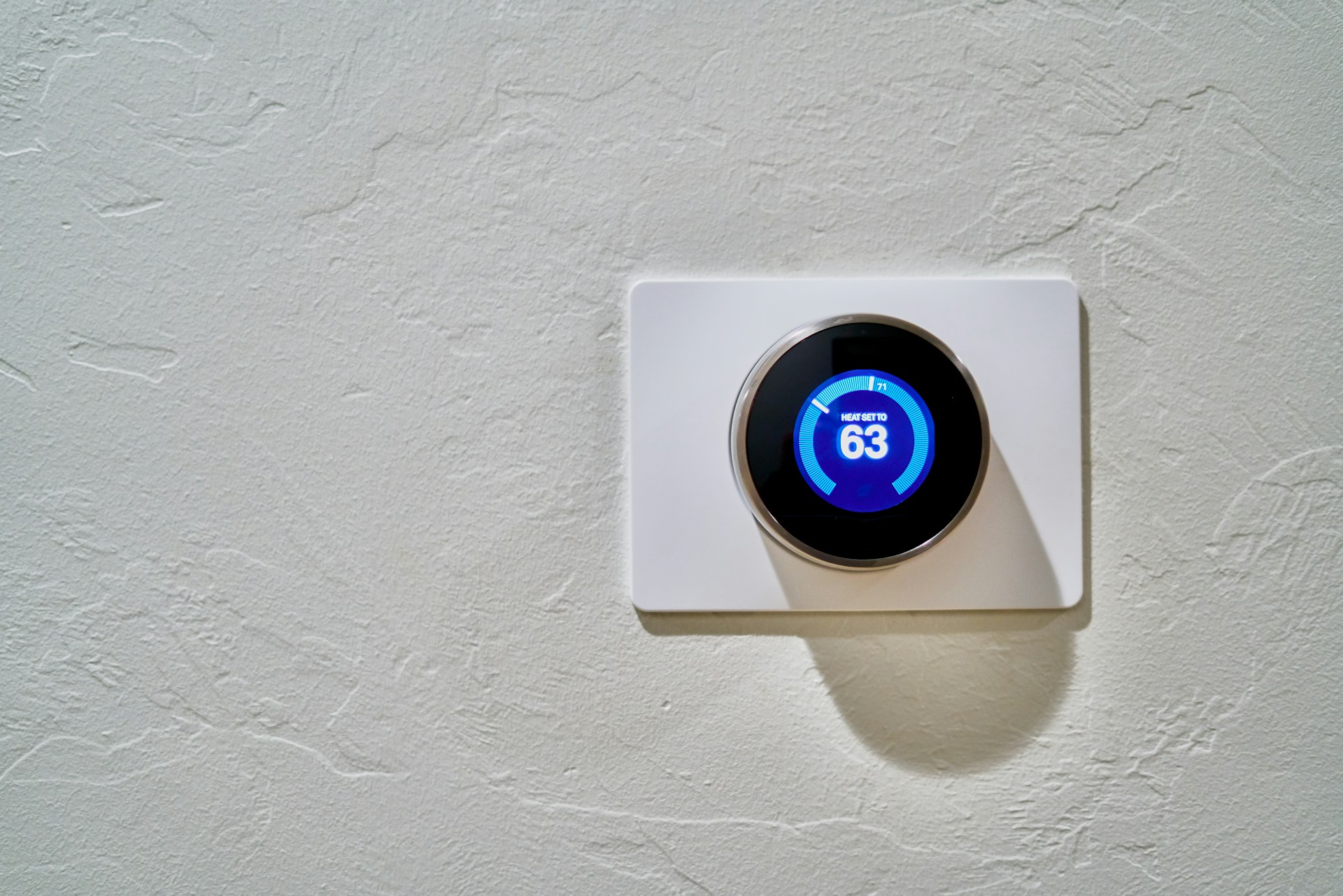
Smart thermostat: worth it?
A Nest, Hive or Tado typically saves 8–15% on heating once well-set up — so £80–£190/year. Payback in 1.5–3 years.
When NOT to turn it down
- Households with infants, over-65s, or people with health conditions — keep at 20–21°C
- Damp-prone homes — under 17°C constantly invites mould, which costs more to fix than the heating saves
Check My Bill
Even a perfectly programmed thermostat won't help if you're on the wrong tariff.
Use our free Bill Checker to see in 30 seconds — most users find savings of £200–£500 per year.
Recommended Smart Heating Product
Control heating remotely and reduce wasted energy with one of the UK’s most popular smart thermostats.
View on Amazon UKWhat is the ideal thermostat setting for a typical UK home?
The recommended "sweet spot" for most healthy adults in the UK is 19°C. This balances comfort with energy efficiency, coming in slightly above the World Health Organisation's minimum recommendation of 18°C for living rooms.
How much can I save by lowering my thermostat by just 1°C?
Lowering your thermostat by a single degree Celsius can reduce your heating bills by approximately 10%. For a typical UK home in 2026, this translates to an annual saving of around £100–£130.
Should all rooms in my house be heated to the same temperature?
No, different rooms have different target temperatures. While living rooms and bedrooms are ideal between 18–21°C, hallways and unused rooms can be cooler at 16–18°C using TRVs. Bathrooms can be heated to 22°C briefly when in use.
Are smart thermostats like Nest or Hive worth the investment?
Yes, smart thermostats can be a worthwhile investment, potentially saving 8–15% on heating costs. This equates to £80–£190 per year for a well-set-up system, offering a payback period of 1.5–3 years.
When should I avoid turning my thermostat down too low?
You should avoid turning your thermostat below 20-21°C if you have infants, over-65s, or individuals with health conditions. Additionally, maintaining a temperature constantly above 17°C is crucial in damp-prone homes to prevent mould growth, which can be more costly to fix than the heating saved.
Recommended kit
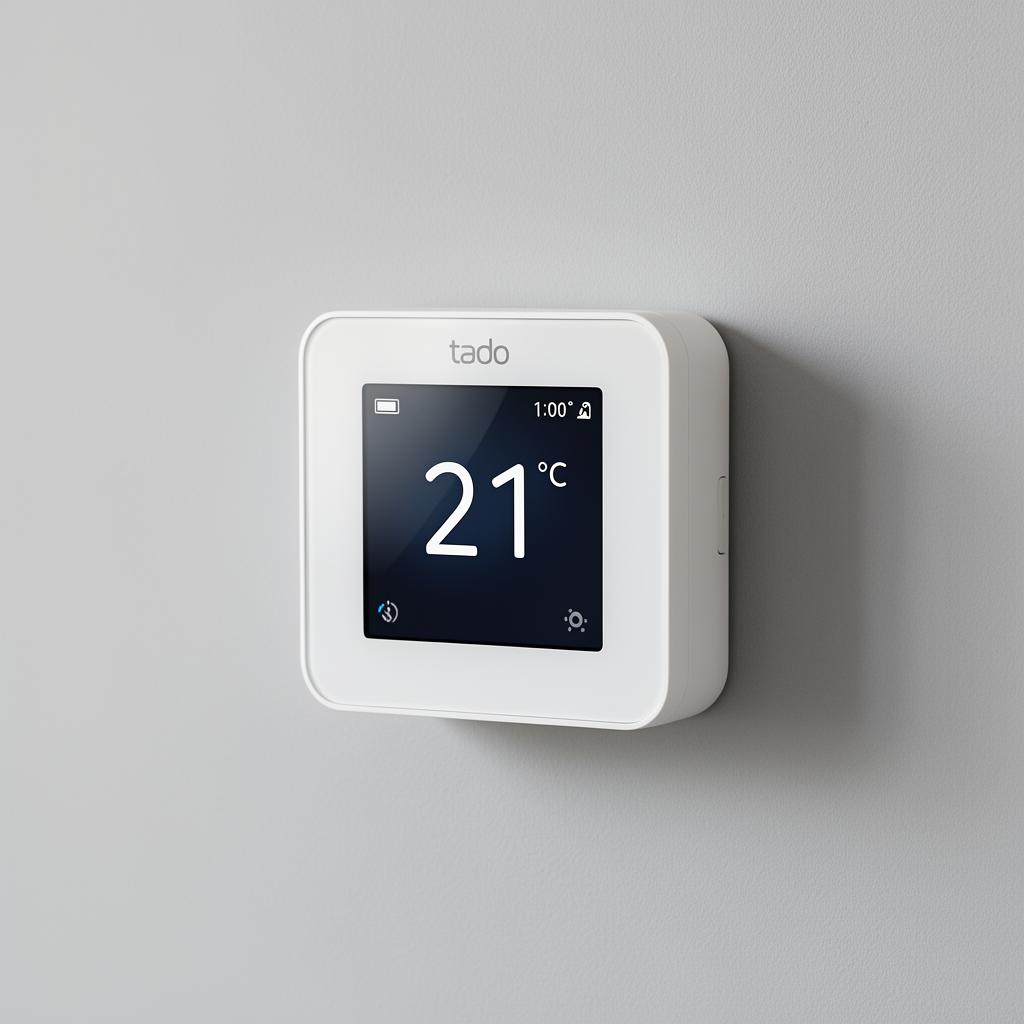
tado Smart Thermostat X
Schedule, zone and remote-control your heating — independently shown to cut heating bills by up to 28%.
Shop on Amazon