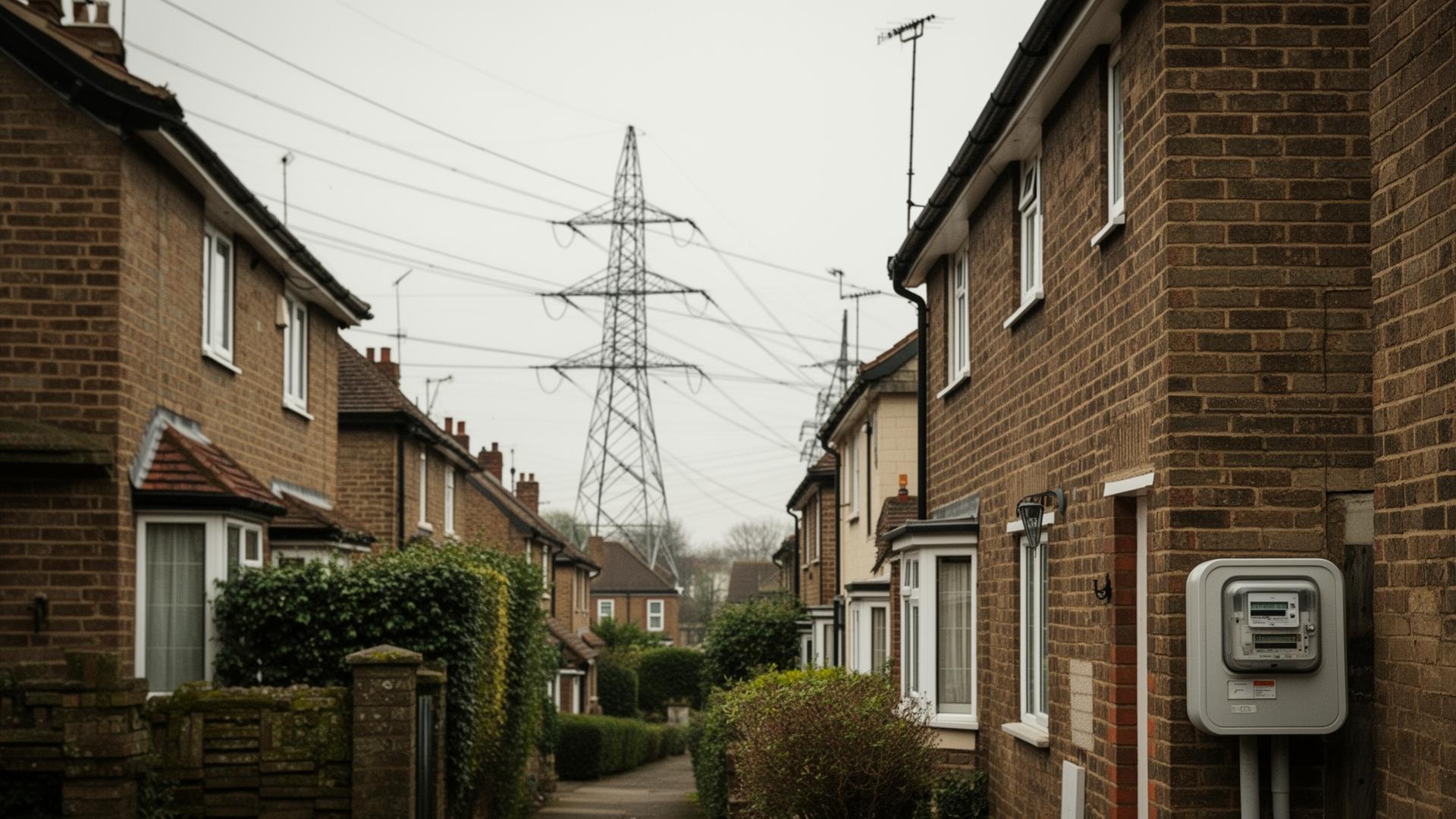
Standing charges are one of the most complained-about parts of UK energy bills, and people across Essex are increasingly asking the same question: "Why am I paying daily fees even when I barely use energy?"
A fair question. British households now pay energy companies simply for the privilege of remaining connected to the grid. It is a bit like being charged an entry fee before you have even stepped into the supermarket. Modern utilities have somehow normalised this with a straight face.
For homes in Essex, standing charges vary depending on:
- Your energy supplier
- Whether you pay by Direct Debit
- Your meter type
- Your exact region within the East of England network
- Whether you use electricity, gas, or both
As of 2026, most homes in Essex sit within the East of England electricity distribution region, meaning standing charges are generally slightly lower than some northern UK regions, but still high enough to frustrate low-usage households.
What is a standing charge?
The simple explanation
A standing charge is a fixed daily fee added to your bill regardless of how much energy you use. Even if you switch everything off and go on holiday for two weeks, the charge still applies daily.
In theory, it covers things like:
- Maintaining the gas and electricity networks
- Meter maintenance
- Government schemes
- Supplier operating costs
- Infrastructure upgrades
- Customer support systems
In reality, many consumers feel standing charges have become a way for suppliers to guarantee revenue before a single kettle is boiled.
Current Supplier Watch
Average standing charges in Essex in 2026
Electricity standing charges
For most Essex households, electricity standing charges currently range between:
| Tariff Type | Daily Charge | Approx Monthly Cost | Approx Yearly Cost |
|---|---|---|---|
| Standard Variable Tariff | 45p to 68p per day | £13.50 to £20.40 | £164 to £248 |
| Fixed Tariff | 40p to 62p per day | £12 to £18.60 | £146 to £226 |
| Economy 7 Tariffs | 50p to 75p per day | £15 to £22.50 | £182 to £274 |
← Swipe to see more →
Gas standing charges
Gas standing charges in Essex are usually:
| Tariff Type | Daily Charge | Approx Monthly Cost | Approx Yearly Cost |
|---|---|---|---|
| Standard Variable Tariff | 25p to 40p per day | £7.50 to £12 | £91 to £146 |
| Fixed Tariff | 22p to 36p per day | £6.60 to £10.80 | £80 to £131 |
← Swipe to see more →
Combined together, many Essex households now pay £250 to £400+ per year before actual energy usage is even included.
That reality has become particularly painful for:
- Pensioners
- Small households
- Single occupants
- Holiday property owners
- People aggressively reducing energy usage
Someone living alone in a one-bedroom flat can sometimes spend more on standing charges than actual summer electricity consumption.
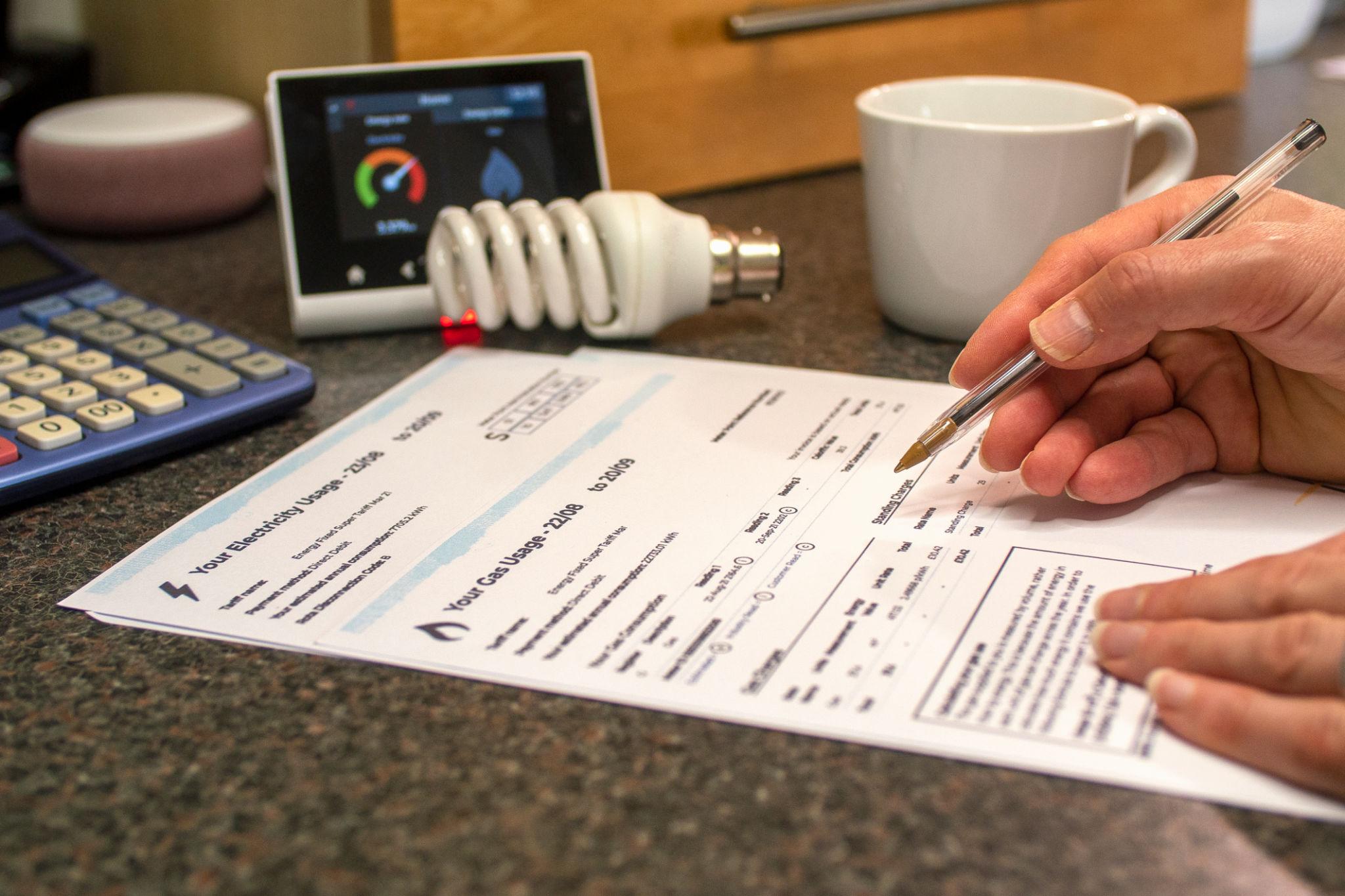
Why Essex standing charges differ from other areas
Regional infrastructure costs
Energy distribution is not handled nationally in one simple system. Different parts of England are operated by different network companies.
Essex electricity infrastructure is mainly tied to UK Power Networks, while gas infrastructure often falls under Cadent Gas.
These operators maintain:
- Power lines
- Local substations
- Underground cables
- Gas pipelines
- Emergency repairs
Urban and semi-rural areas across Essex create varying maintenance costs. For example:
- Chelmsford and Basildon may benefit from denser infrastructure
- More rural areas near Maldon or Uttlesford can cost more to maintain
That cost filtering eventually lands on household bills. Naturally.
Why have standing charges increased so much?
Supplier failures changed everything
After the UK energy crisis between 2021 and 2023, dozens of suppliers collapsed. When companies failed, the cost of moving customers elsewhere was partly recovered through standing charges. This became one of the most controversial aspects of UK energy billing.
Many consumers in Essex effectively ended up helping fund:
- Supplier rescue costs
- Industry debt recovery
- Infrastructure balancing
- Renewable transition investments
Even households trying hard to cut usage could not escape these fees.
Real Essex household examples
Example 1: Low usage flat in Southend
A single resident who uses very little gas, works away most weekdays, and has efficient LED lighting.
- Actual monthly energy use: around £35
- Standing charges: around £18 per month
Nearly one-third of the total bill comes from fixed charges alone.
Example 2: Family home in Chelmsford
A four-bedroom detached home with an EV charger, tumble dryer, multiple TVs and high winter heating usage.
- Monthly usage costs: £240 winter average
- Standing charges: roughly £27 combined monthly
In percentage terms, standing charges hurt this household less because overall usage is much higher.
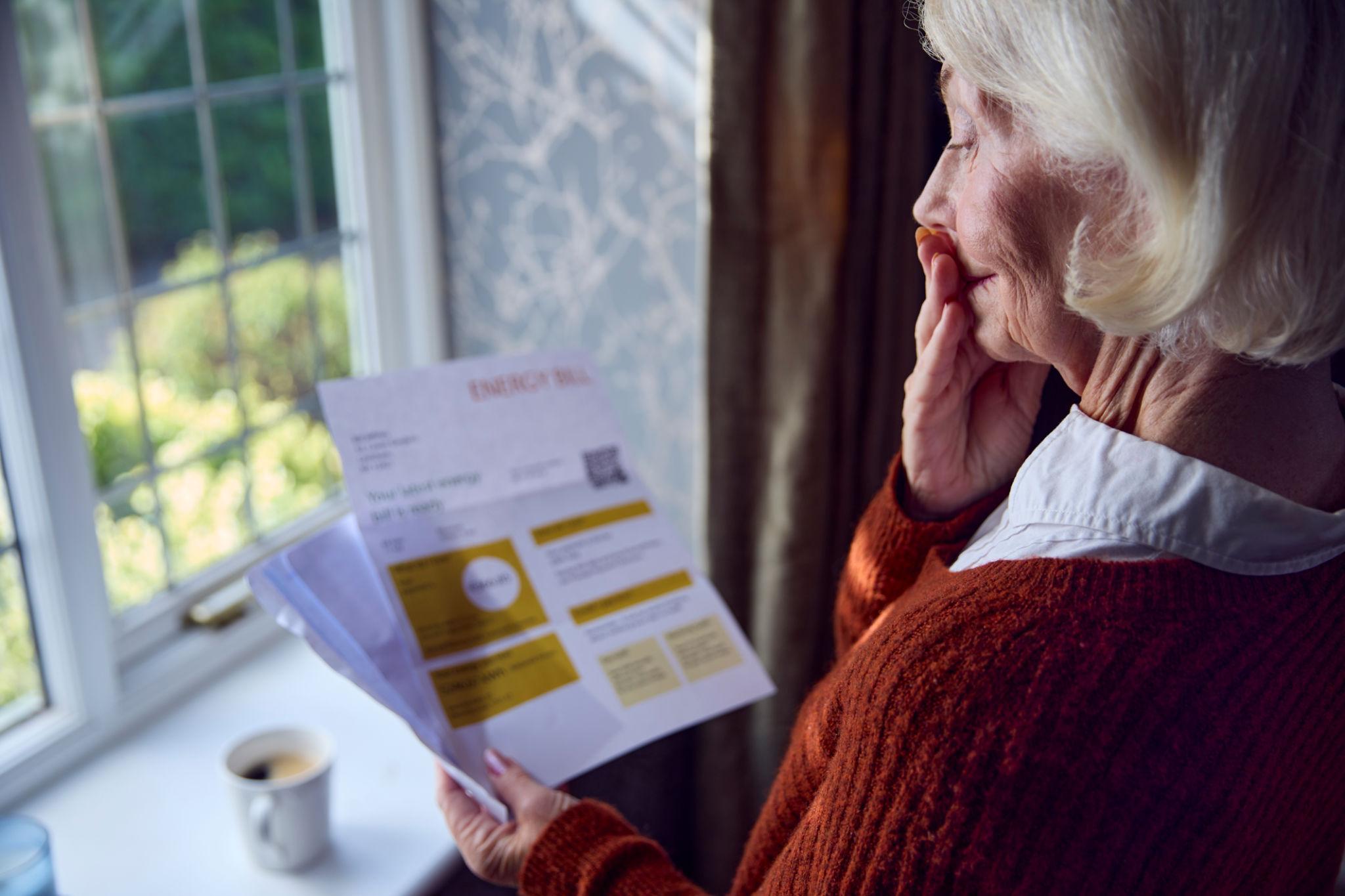
Which Essex households feel standing charges most?
Low usage homes
Standing charges disproportionately affect people who consume less energy. This includes:
- Elderly residents
- Minimalist households
- Energy-conscious families
- Solar panel owners
- Empty properties
Ironically, the people making the biggest effort to reduce consumption often see the least benefit because fixed charges remain unavoidable.
Can you reduce standing charges?
Sometimes, but not easily
Most suppliers have similar standing charges because Ofgem regulates caps across regions. However, Essex households can still reduce costs in a few ways.
Comparing fixed tariffs. Some fixed deals slightly lower standing charges while increasing unit rates. This works best for low energy users.
Looking at no standing charge tariffs. A few niche suppliers occasionally offer zero standing charge tariffs. But there is a catch: unit prices become much higher. These tariffs can work well for holiday homes or very low-usage properties, but they are often poor value for normal family homes. Because naturally the industry never misses a chance to move the cost somewhere else.
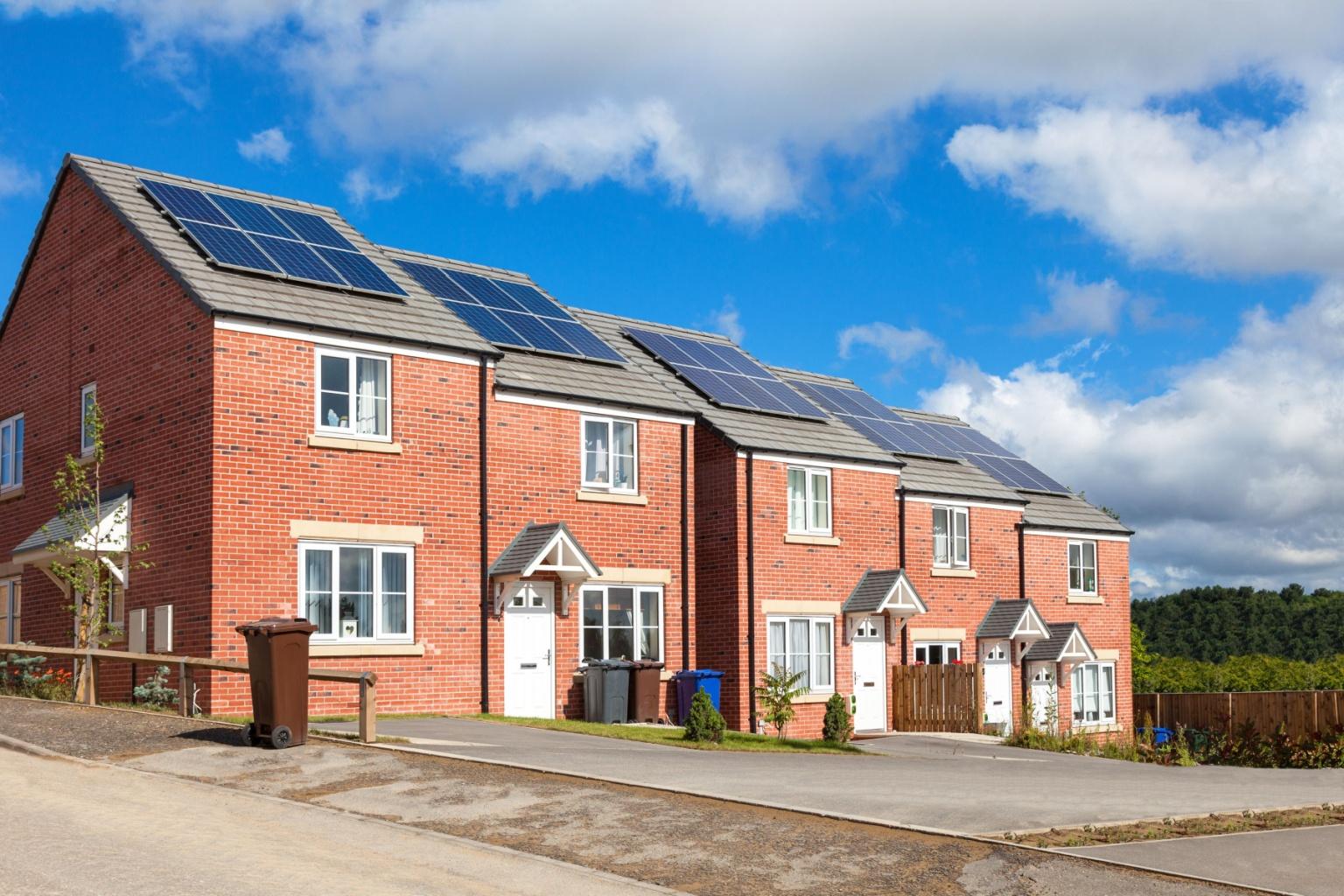
Solar panels and battery storage. Homes with solar panels and battery systems can reduce usage substantially, but standing charges still remain unless fully disconnected from the grid. Completely disconnecting from the UK grid is technically possible, but for most Essex homes it remains expensive and impractical.
Are standing charges fair?
The national debate is growing
Consumer groups increasingly argue that standing charges punish lower-income households, vulnerable residents and energy savers. Critics argue suppliers should recover more costs through usage instead.
Supporters of the current system argue that infrastructure costs exist regardless of consumption. The debate is now central to wider UK energy reform discussions.
Ofgem has already faced pressure to reform standing charge structures, offer more flexible billing and improve transparency.
How Essex compares to other UK regions
Essex generally sits below some northern regions for electricity standing charges, and around the UK average overall.
Areas with higher network maintenance costs often see higher daily standing charges. London sometimes benefits from slightly lower infrastructure distribution costs per property due to population density, while Scotland and parts of rural Wales can experience noticeably higher charges.
What to watch in 2026 and beyond
Several things may affect Essex standing charges over the next few years.
Smart grid investments. Upgrades for EV charging demand, renewable energy balancing and battery storage integration could increase infrastructure costs further.
Heat pump adoption. As more homes electrify heating, electricity networks require reinforcement. That spending may partly appear in future standing charges.
Energy market reform. Political pressure continues to build around fairer pricing structures, regional pricing and standing charge reductions.
Whether meaningful reform happens is another matter entirely. The UK energy sector has perfected the art of announcing "consumer-focused reviews" while households continue staring at bills like forensic accountants.
Final thoughts
Standing charges in Essex have become a major issue because they now represent a substantial unavoidable cost for many households. Typical combined gas and electricity standing charges can easily exceed £300 per year.
For low-usage homes, this can feel deeply unfair because reducing consumption no longer reduces bills as much as people expect.
The key things Essex households should do in 2026 are:
- Compare tariffs regularly
- Monitor standing charges separately from unit rates
- Understand real yearly fixed costs
- Avoid assuming the cheapest unit rate means the cheapest overall bill
Because energy suppliers know most people only look at the flashy headline numbers. Quiet little daily charges hiding in the background are where some of the real damage happens. Human civilisation invented quantum physics and space telescopes, yet still struggles to produce a simple electricity bill. Extraordinary species.
Sources
- Ofgem — Energy price cap and standing charge data
- UK Power Networks — East of England distribution
- Cadent Gas — Gas network infrastructure
- Citizens Advice — Energy billing guidance
Recommended kit
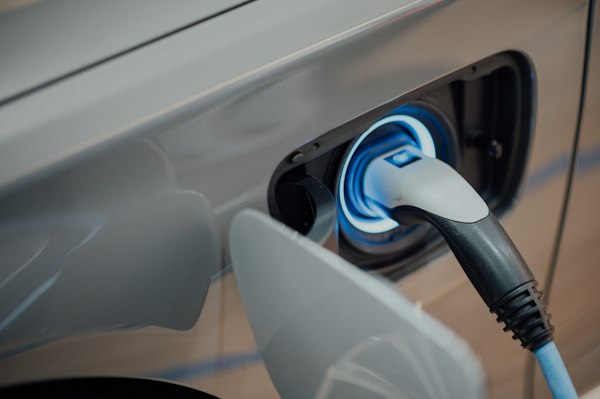
Type 2 EV Charging Cable 7m 32A
Reliable 7m Mode 3 Type 2 to Type 2 cable for public chargepoints — supports up to 7.4kW single-phase charging.
Shop on Amazon