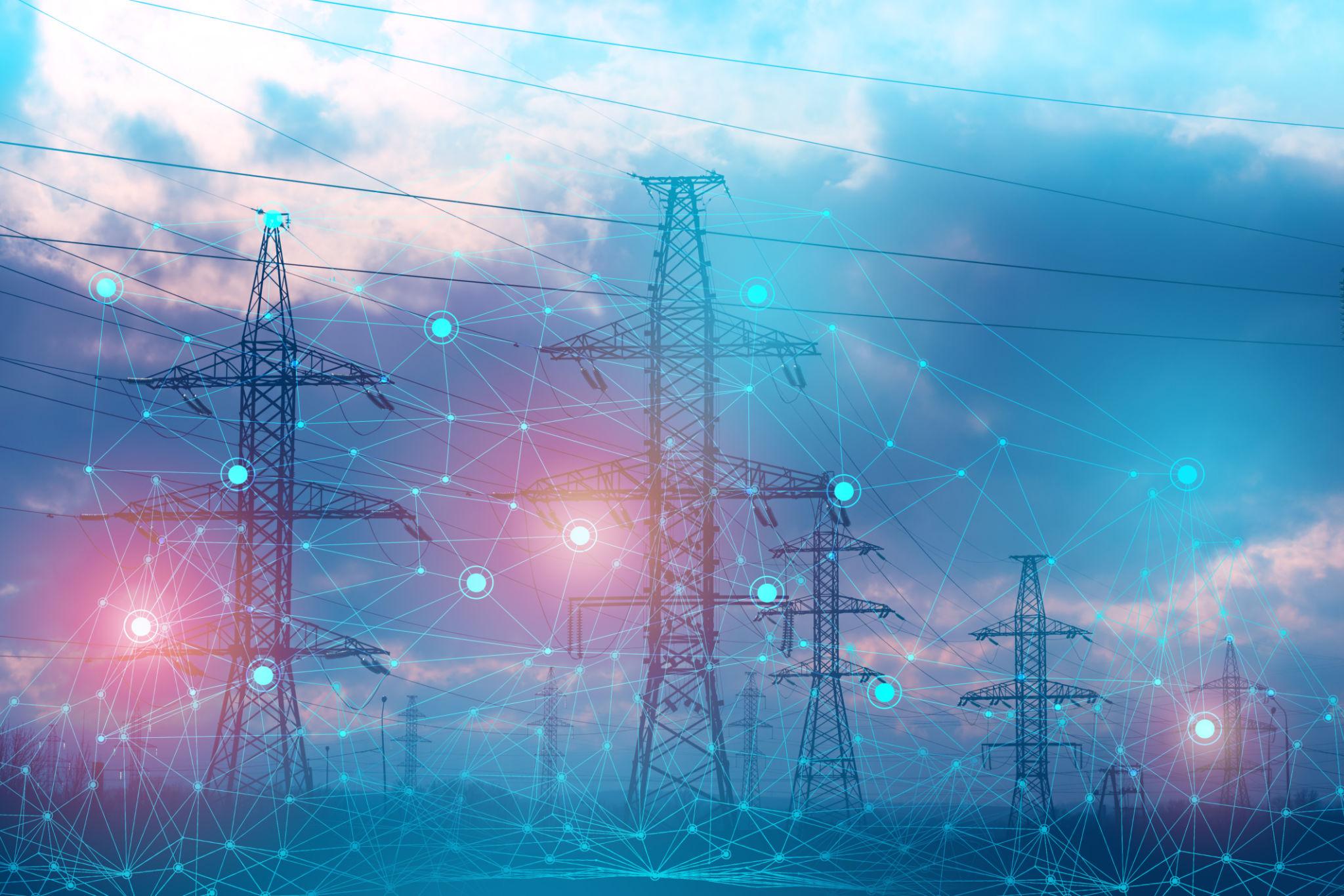
The UK's electricity system is entering one of the biggest transformations since the National Grid was first created. Between 2026 and 2035, electricity demand is expected to rise significantly as transport, heating, industry and artificial intelligence increasingly move away from fossil fuels and onto the power network.
For consumers, businesses and policymakers, the key question is no longer whether electricity demand will grow. The question is how quickly it will grow, whether the grid can keep up, and what it means for energy bills.
Many people still assume that Britain uses roughly the same amount of electricity year after year. That assumption is becoming outdated. The next decade could see one of the largest increases in electricity consumption in modern UK history.
Why Electricity Demand Is Expected to Rise
Historically, UK electricity demand remained relatively stable because improvements in efficiency offset population growth and economic expansion.
That balance is now changing.
Several major trends are increasing pressure on the electricity network simultaneously:
- Electric vehicles replacing petrol and diesel cars
- Heat pumps replacing gas boilers
- Growth of AI data centres
- Expansion of cloud computing
- Electrification of industrial processes
- Hydrogen production using electrolysis
- Population growth
- Increased use of smart home technologies
Unlike previous decades, many of these trends are happening at the same time.
Current Supplier Watch
Current UK Electricity Demand
According to the UK's electricity system operator, annual electricity consumption currently sits at roughly 280-300 terawatt-hours (TWh) per year.
Peak winter demand can exceed 40 gigawatts (GW) during particularly cold periods.
While these figures have remained relatively stable for years, forecasts suggest significant growth during the 2030s.
Research from the UK's electricity system planners suggests total electricity demand could potentially increase by 50-100% by 2050 depending on electrification rates.
The period between 2026 and 2035 is expected to be the fastest growth phase.
Electric Vehicles Could Become a Major Driver of Demand
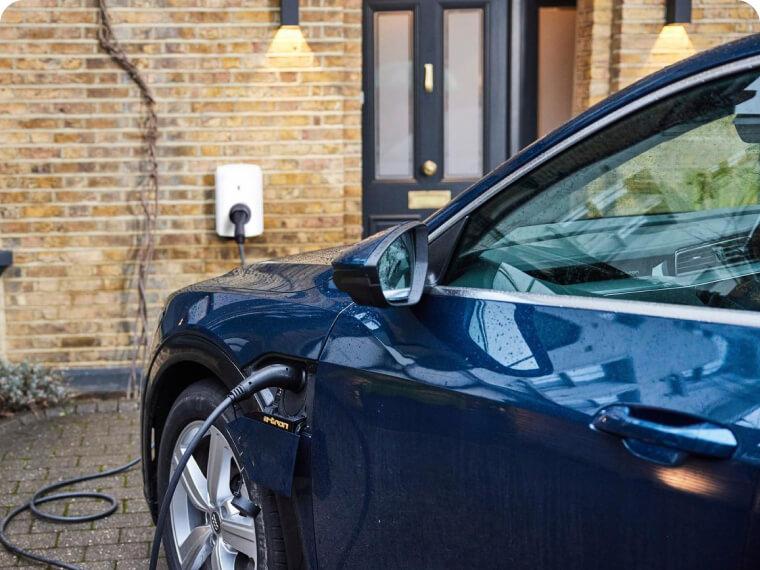
Millions of New EVs
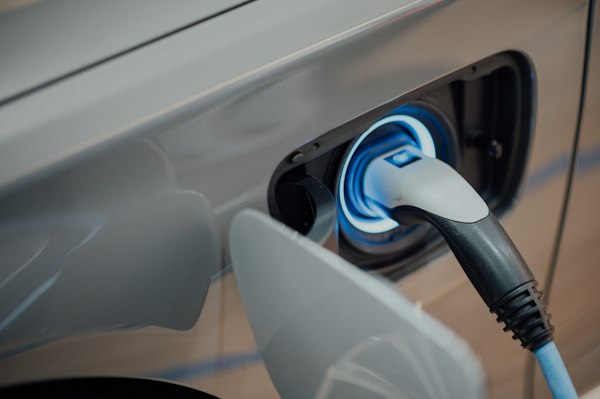
One of the biggest contributors to future demand is expected to be transport electrification.
The UK Government's planned transition away from new petrol and diesel vehicle sales means millions of vehicles will increasingly rely on electricity rather than fuel.
A single EV typically consumes:
- 2,000-3,500 kWh annually
- Equivalent to adding around 25-40% to the electricity consumption of some households
If Britain reaches 10 million EVs during the 2030s, annual electricity demand could rise substantially.
This links directly with the consumer concerns discussed in EV Home Charging Costs in the UK 2026
The Good News
Most EV charging occurs overnight when demand is traditionally lower.
Smart charging systems could help spread consumption more evenly across the day.
The challenge is not simply total electricity generation but ensuring local networks can handle concentrated charging demand.
Heat Pumps Could Create an Even Bigger Impact
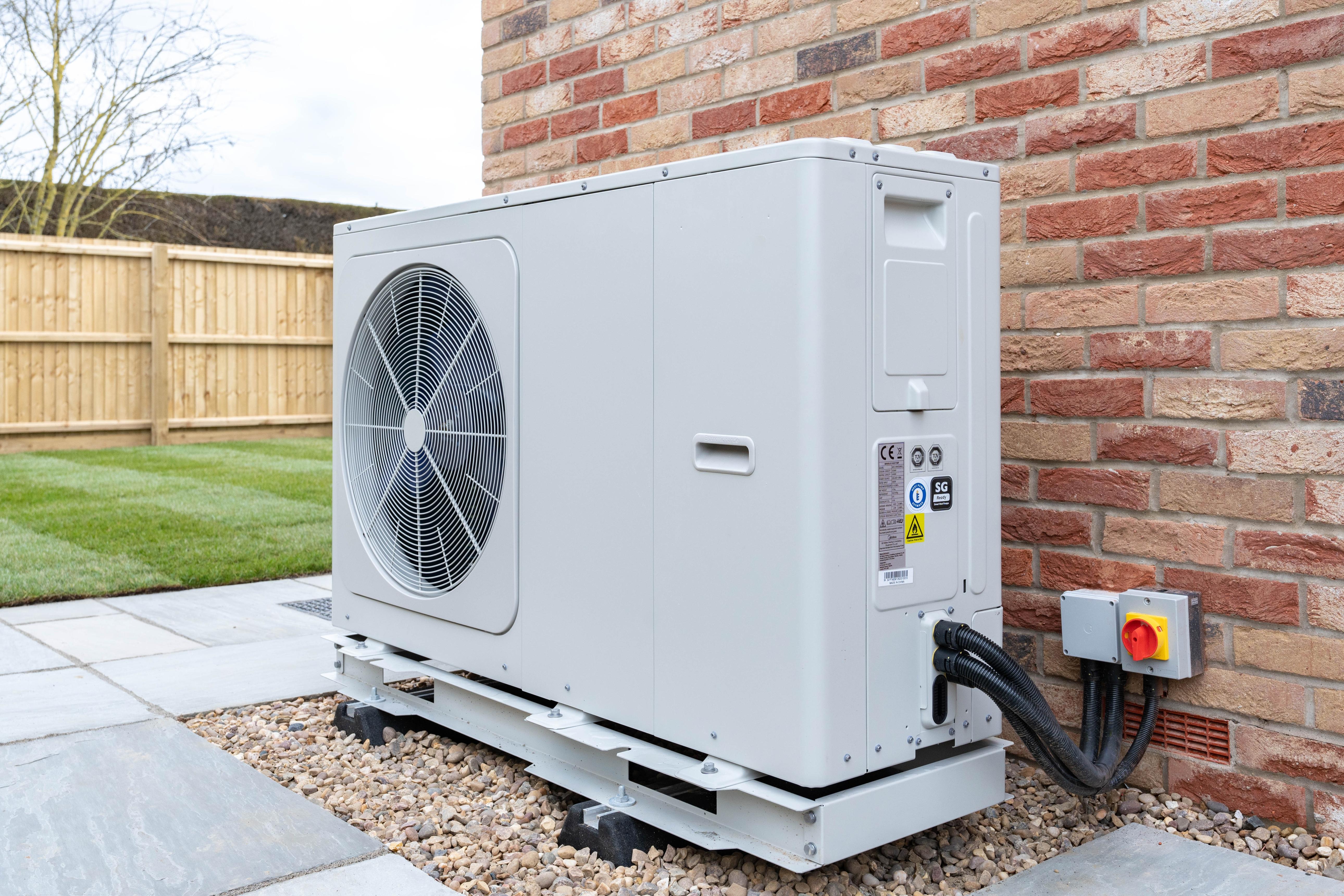
Moving Away from Gas
Britain currently heats most homes using natural gas.
Heat pumps are expected to become a central part of decarbonisation policy.
Although heat pumps are highly efficient, they still increase electricity consumption.
Millions of installations could add substantial demand to the network.
Winter Remains the Biggest Challenge
Electricity systems are designed around peak demand rather than annual consumption.
A cold January evening with widespread heat pump usage could place enormous pressure on local networks.
Future winter peaks may become one of the defining challenges for Britain's energy infrastructure.
Always look to make savings where you can How to Cut Your Winter Energy Bill in 2026: 12 Things That Actually Work
Artificial Intelligence Could Become a Hidden Electricity Giant

The Data Centre Boom
Few consumers realise how much electricity AI systems consume.
Every AI query, cloud application, streaming service and digital platform relies on energy-intensive data centres.
The rapid growth of generative AI is accelerating demand for:
- High-performance computing
- Cloud infrastructure
- Data storage
- Advanced processors
Several major technology firms are investing billions in UK and European data infrastructure.
Demand Could Accelerate Rapidly
Some forecasts suggest data centres could account for a significantly larger share of UK electricity demand by the early 2030s.
This is one reason why AI Subscriptions vs Real UK Energy Costs. has become an increasingly important discussion. As menioned on our sister site AcrossAI UK.
The electricity consumed by AI infrastructure may surprise many consumers over the next decade.
Electrification of Industry
Heavy industry has traditionally relied on:
- Natural gas
- Coal
- Oil products
Net-zero targets increasingly encourage industries to electrify operations where possible.
Potential growth areas include:
- Electric furnaces
- Industrial heat pumps
- Electric manufacturing systems
- Hydrogen production powered by electricity
These changes could add large amounts of demand beyond household consumption.
Recommended energy saving products
Independently chosen kit that helps UK households cut energy use.

Tapo P110 Smart Plug (Energy Monitoring)
See exactly which appliances are quietly inflating your bill — track real-time watts, kWh and runtime from your phone.
- Real-time energy monitoring
- Cuts standby/vampire power
- Schedule appliances off-peak
Estimated benefit: ~£40/yr standby savings
Shop on Amazon
Home Energy Monitor (Whole-House)
Track your whole-home electricity use live and find where the kWh are going before the bill lands.
- Whole-house live usage
- Spot expensive habits fast
- App history & alerts
Estimated benefit: Awareness cuts ~5-10% use
Shop on Amazon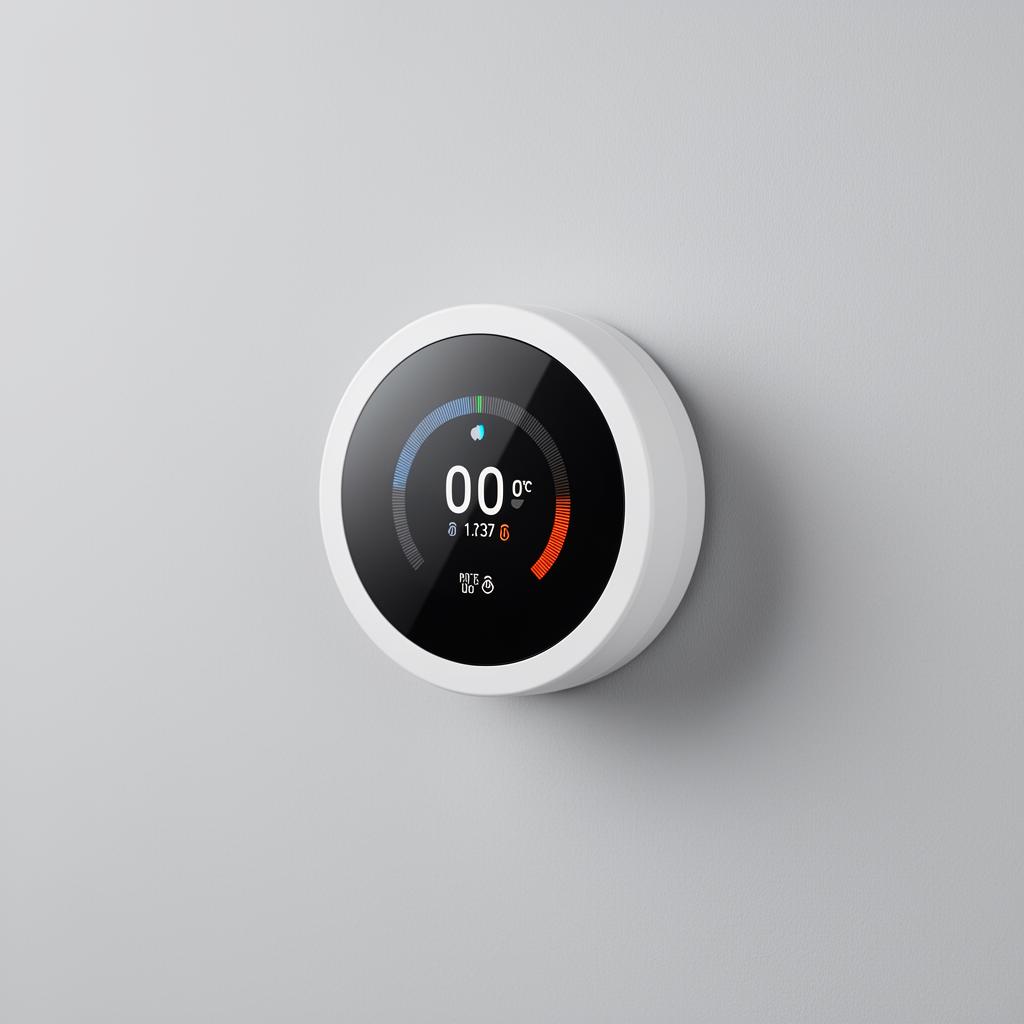
tado Smart Thermostat Starter Kit
Schedule, zone and remote-control your heating — independently shown to cut heating bills meaningfully.
- Heat only when needed
- Geofencing & schedules
- Room-by-room control
Estimated benefit: Up to ~£140/yr
Shop on AmazonAffiliate links — we may earn a small commission at no extra cost to you. This keeps PowerGuardian free and independent.
Can Renewable Energy Meet Rising Demand?
Wind Power Expansion
The UK already operates some of the world's largest offshore wind farms.
Future projects are expected to add significant generating capacity.
Notable growth areas include:
- Offshore wind
- Solar generation
- Battery storage
- Interconnectors
- Nuclear power
Nuclear's Role
New nuclear projects may provide stable low-carbon generation that complements variable renewables.
While offshore wind may dominate capacity growth, nuclear remains important for maintaining reliable baseload supply.
Could Electricity Bills Rise Because of Demand Growth?
This is where public debate often becomes oversimplified.
Higher electricity demand does not automatically mean higher bills.
Prices depend on:
- Generation costs
- Network investment
- Wholesale markets
- Government policy
- International energy prices
However, billions of pounds of investment will be required for:
- New power stations
- Grid upgrades
- Distribution networks
- Smart infrastructure
Consumers may ultimately contribute to some of these costs through network charges.
This is one reason why UK Energy Price Forecast 2026-2030 remains such an important topic for households.
What Does National Grid Expect?
The National Grid and the National Energy System Operator have both outlined scenarios where electricity demand rises substantially during the next two decades.
Various future energy scenarios suggest electricity consumption could grow far beyond today's levels as electrification accelerates across the economy.
The exact pace depends on:
- EV adoption rates
- Heat pump installation rates
- Industrial electrification
- AI infrastructure growth
- Economic growth
What This Means for UK Households
More Electricity, Not Less
The average household is likely to become increasingly dependent on electricity.
Many homes may eventually rely on electricity for:
- Heating
- Transport
- Cooking
- Entertainment
- Home working
- Smart devices
The discussion in Average kWh Usage in a UK Home may look very different by 2035.
Take a look at practical, affordable kit that helps you reduce energy bills — from smart thermostats and energy monitors to smart plugs and heating controls. Every pick includes the typical benefit for a UK household. See more...
Smarter Consumption
Future households will increasingly use:
- Smart meters
- Time-of-use tariffs
- Home batteries
- Solar panels
- Automated charging systems
Consumers who adapt early may benefit from lower energy costs.
The Real Outlook for 2035
The most realistic expectation is that UK electricity demand will be substantially higher in 2035 than it is today.
Electric vehicles, heat pumps, artificial intelligence, data centres and industrial electrification are all pushing in the same direction.
The challenge facing Britain is not a shortage of electricity today. The challenge is building enough generation, storage and grid infrastructure quickly enough to support a more electrified economy.
If investment keeps pace, the transition could deliver cleaner energy, greater energy security and lower long-term dependence on imported fuels.
If infrastructure development falls behind demand growth, consumers could face congestion issues, local network constraints and higher system costs.
The next decade may therefore determine whether Britain successfully electrifies its economy or spends years trying to catch up with demand that arrived faster than expected. Human civilisation has a remarkable habit of waiting until the kettle is already boiling before checking whether the plug is actually connected.
Reference Material and Research
- National Energy System Operator Future Energy Scenarios
- National Grid Future Energy Scenarios Archive
- UK Government Department for Energy Security and Net Zero
- Climate Change Committee Electricity Demand Analysis
- Ofgem Energy System Transition Information
- International Energy Agency Electricity 2025 Report
- UK Government Net Zero Strategy
Recommended kit
Type 2 EV Charging Cable 7m 32A
Reliable 7m Mode 3 Type 2 to Type 2 cable for public chargepoints — supports up to 7.4kW single-phase charging.
Shop on Amazon